Keine Zollgebühren, weil wir aus deiner Region versenden. Versandkostenfrei ab 70 € / CHF 70 / $80 / £60
Unsere Website durchsuchen

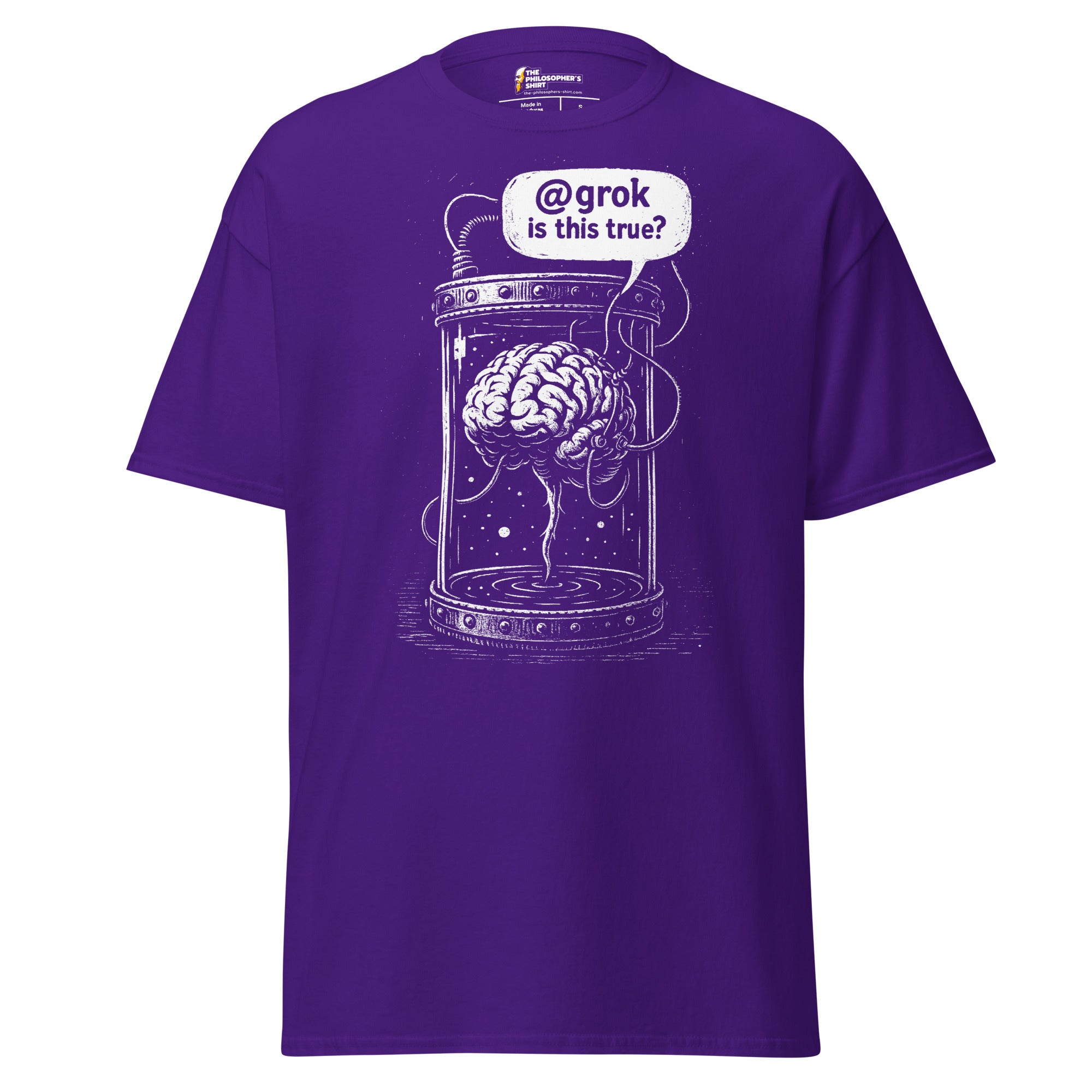
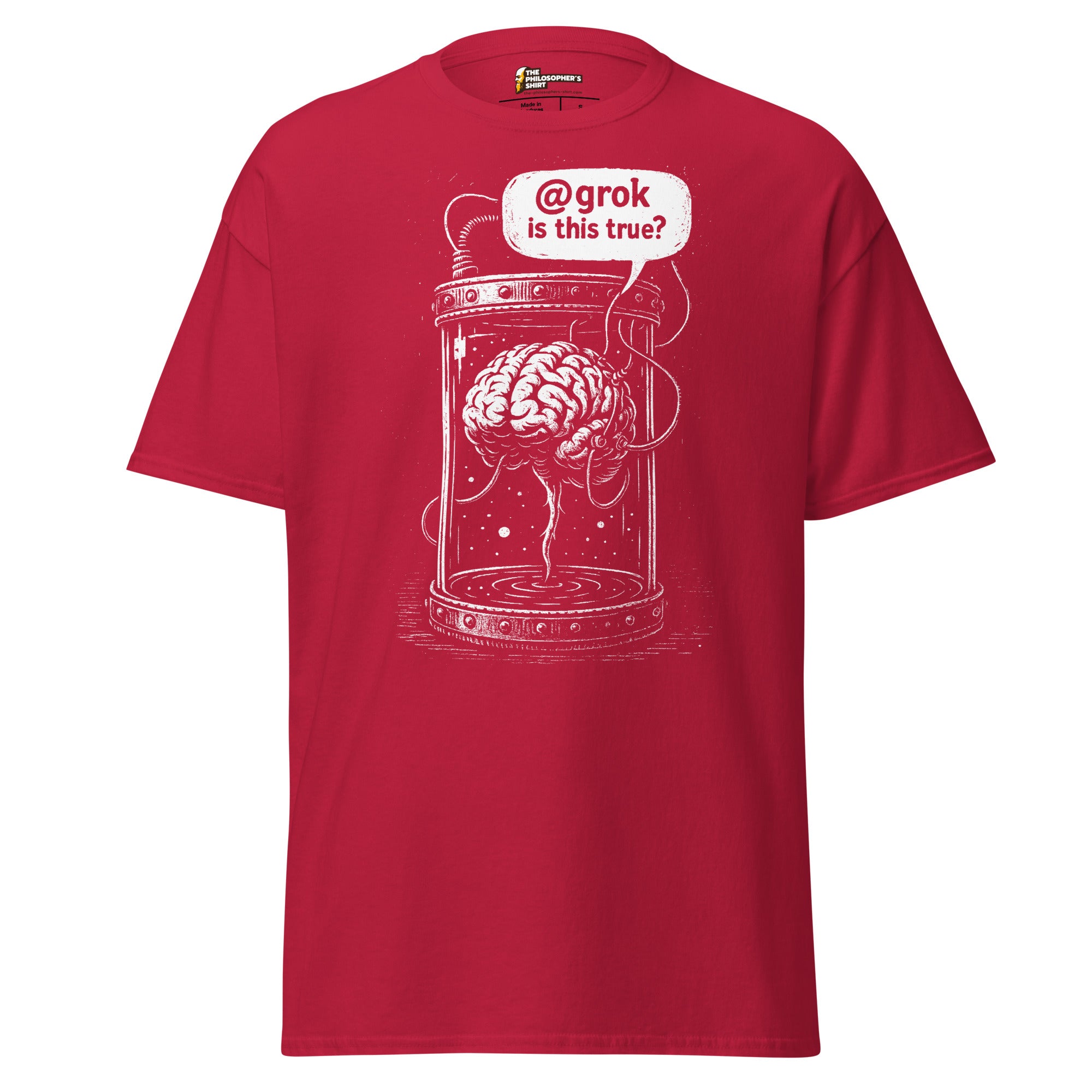
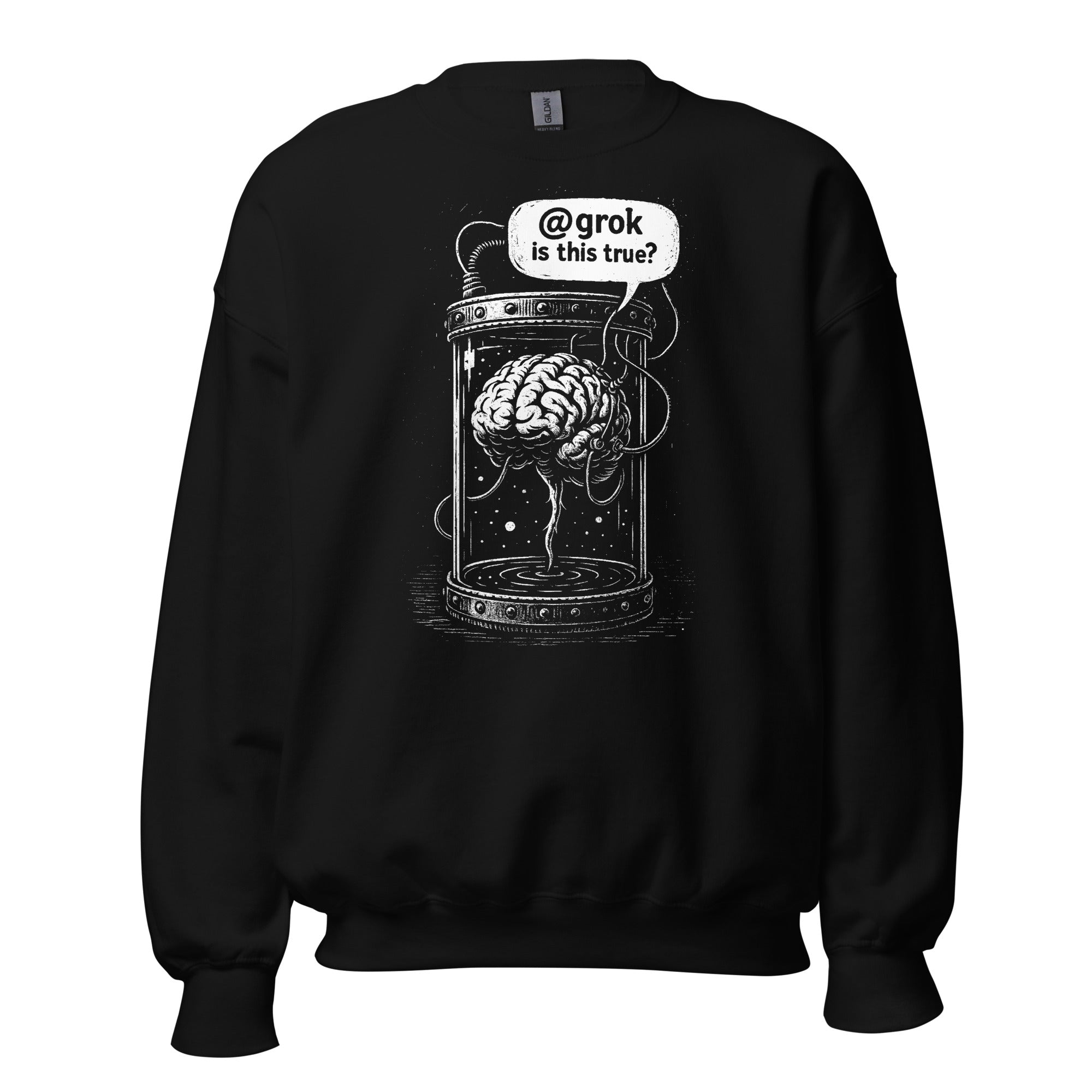
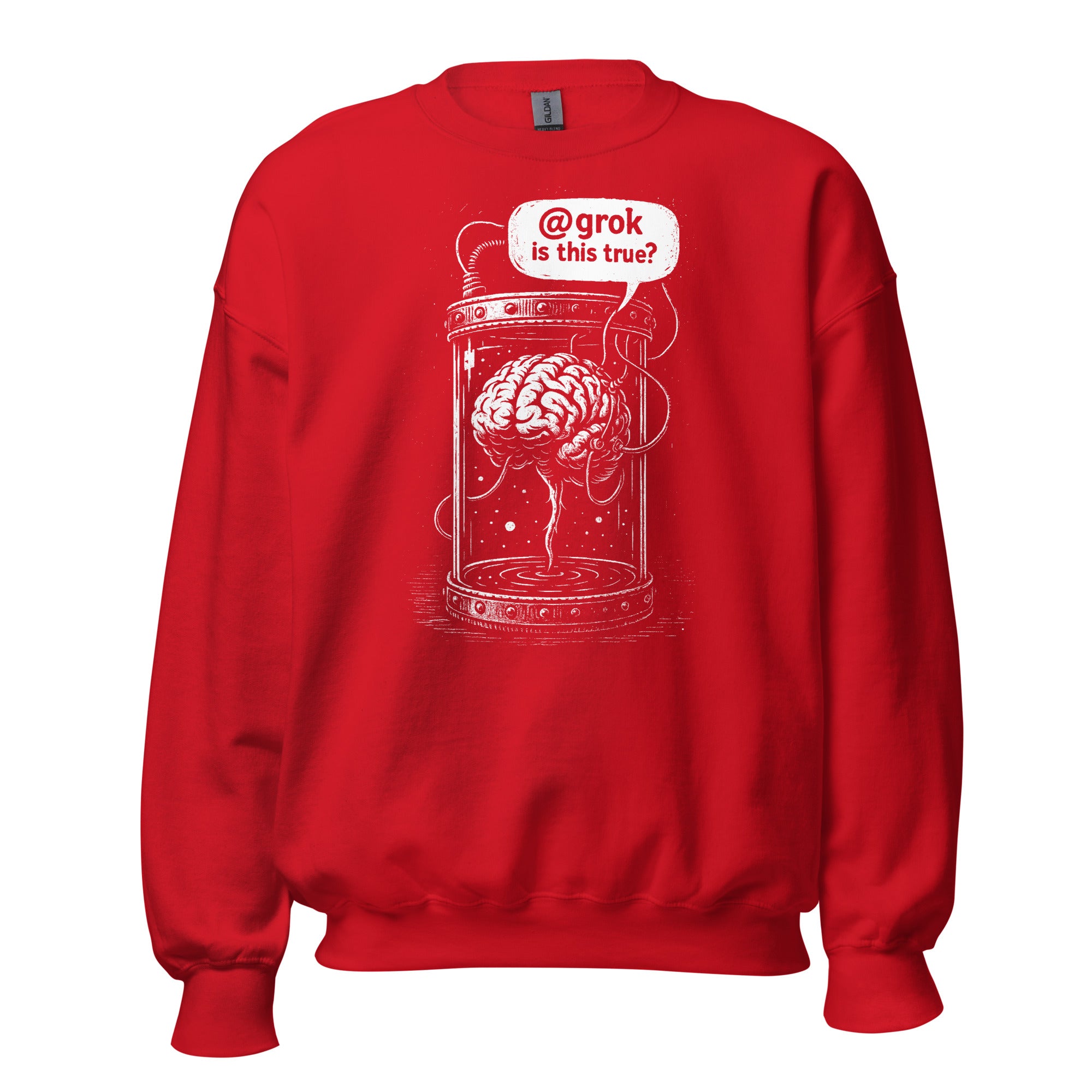
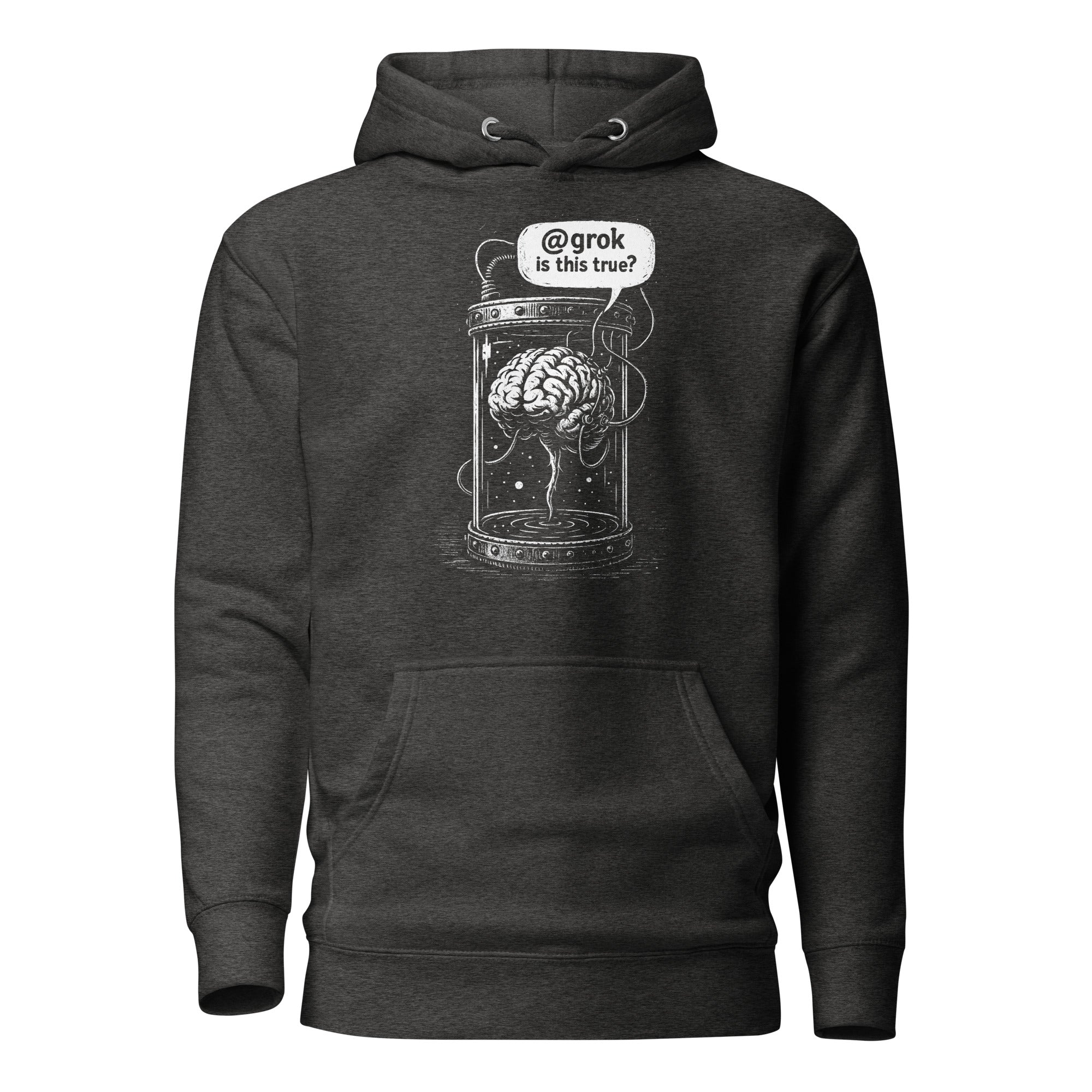
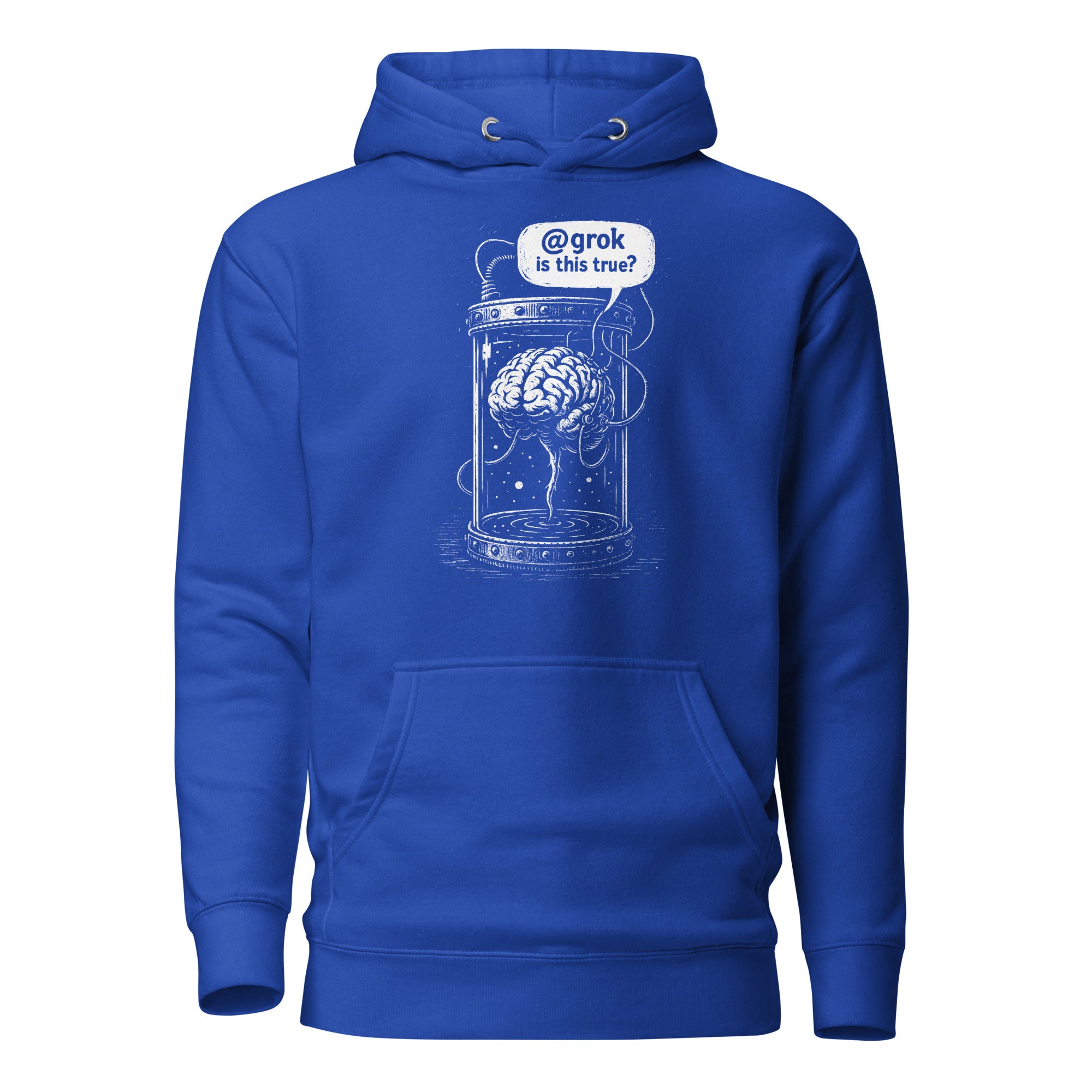
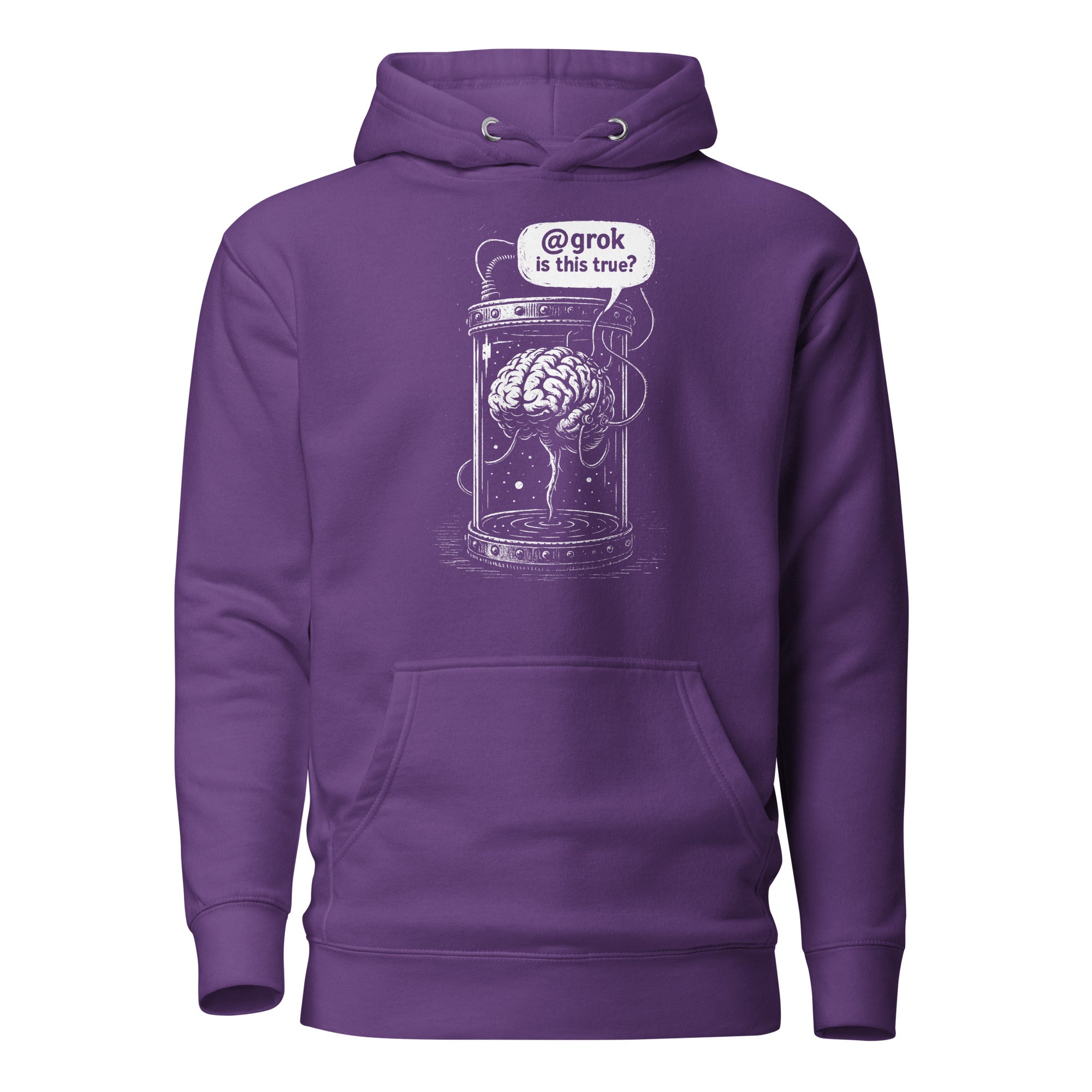
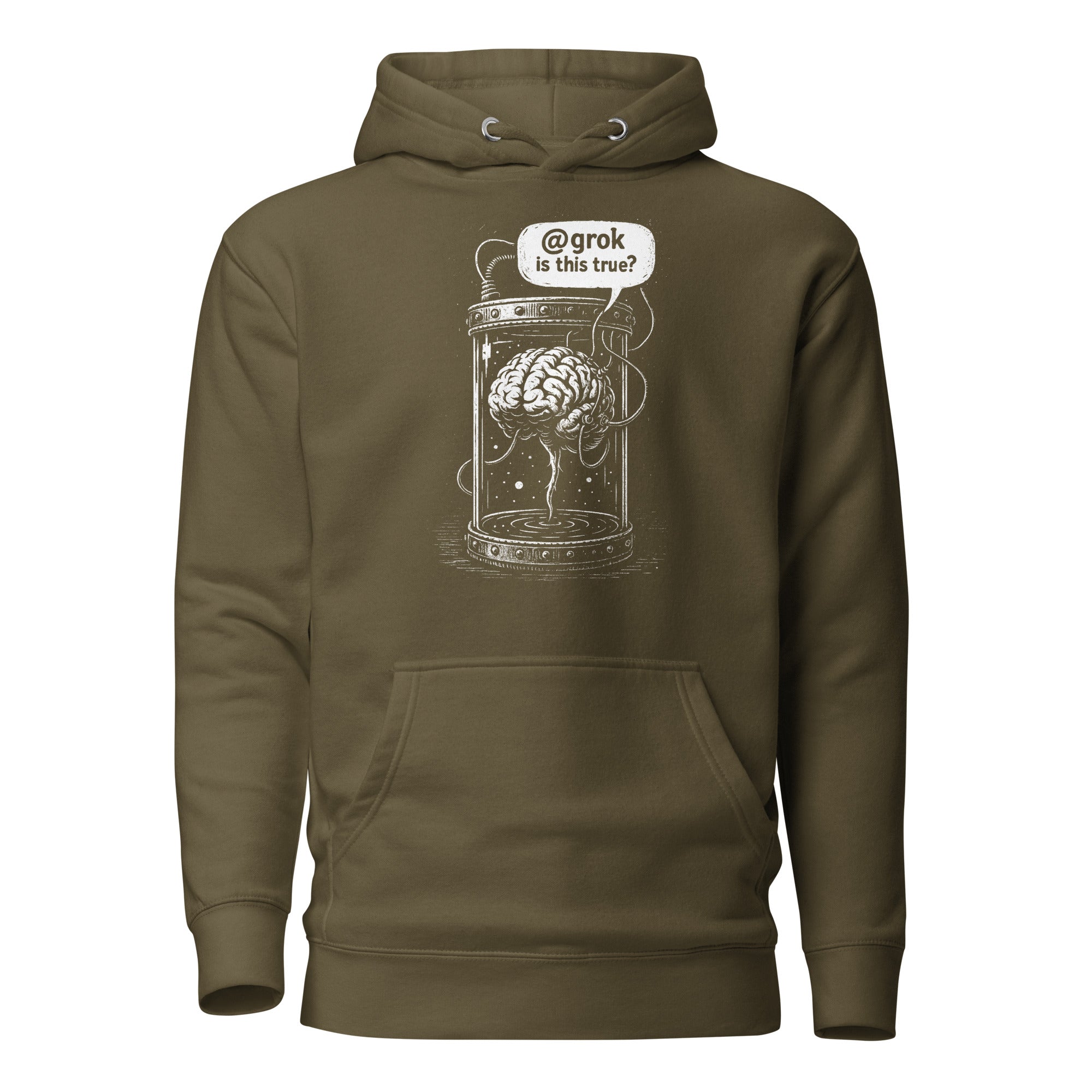
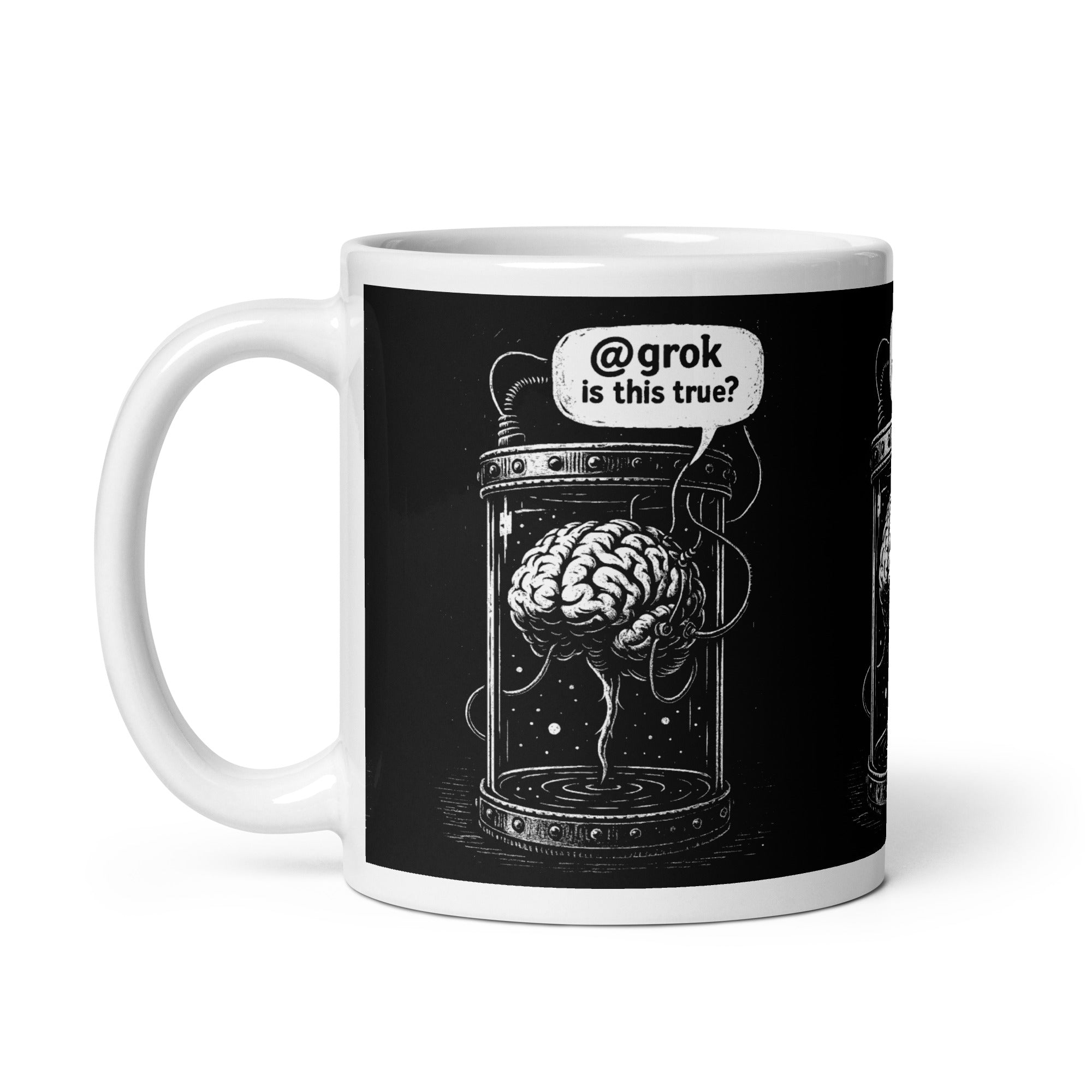
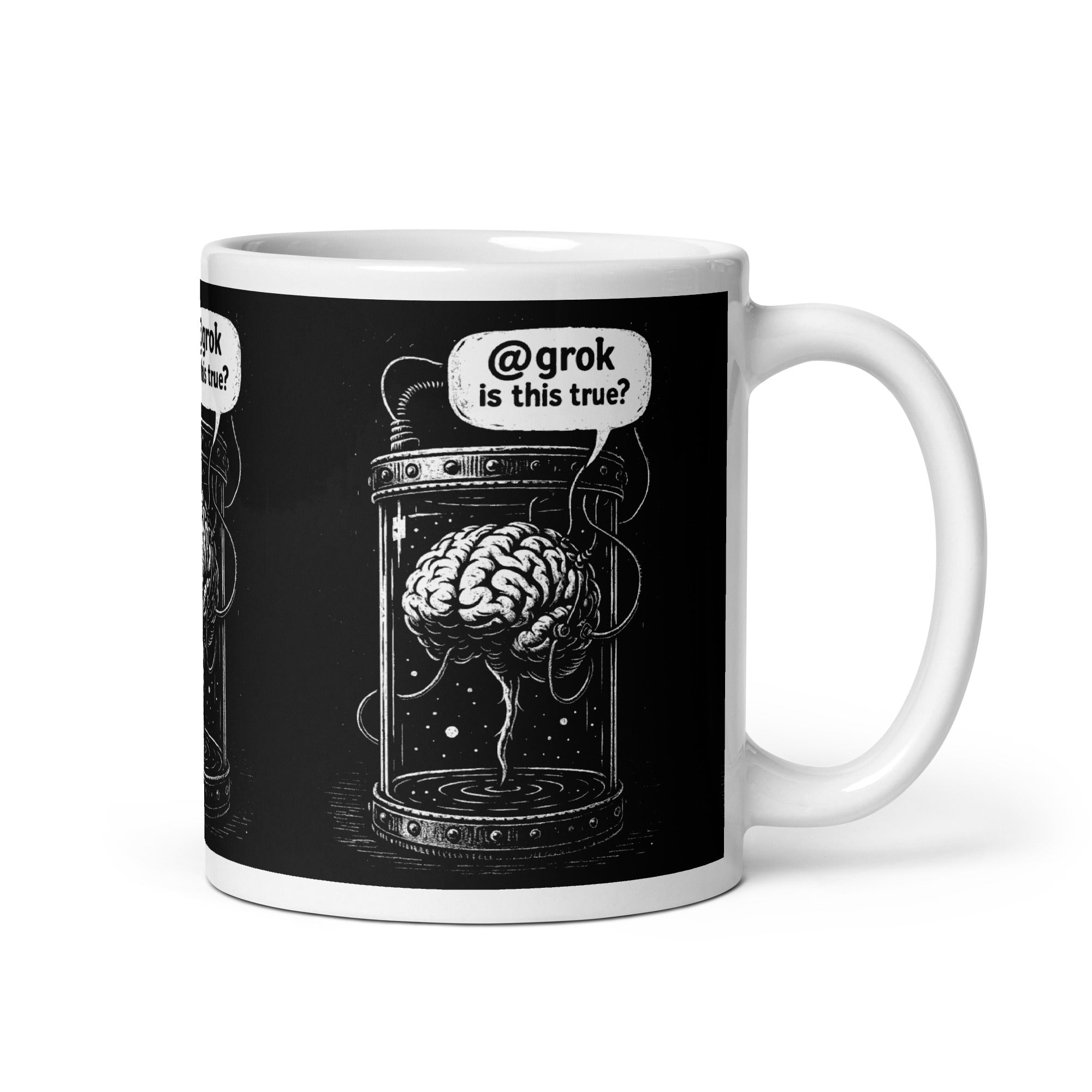
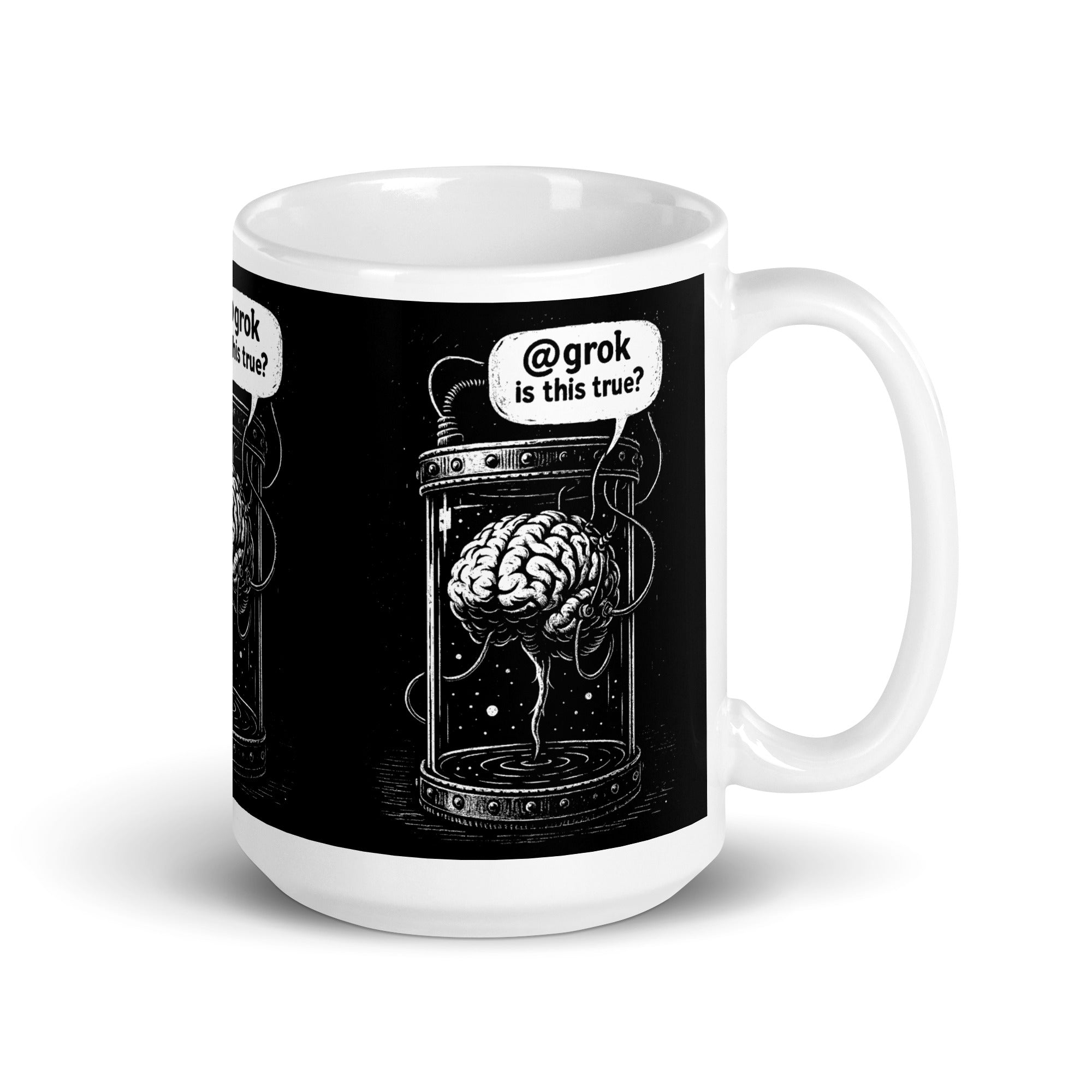
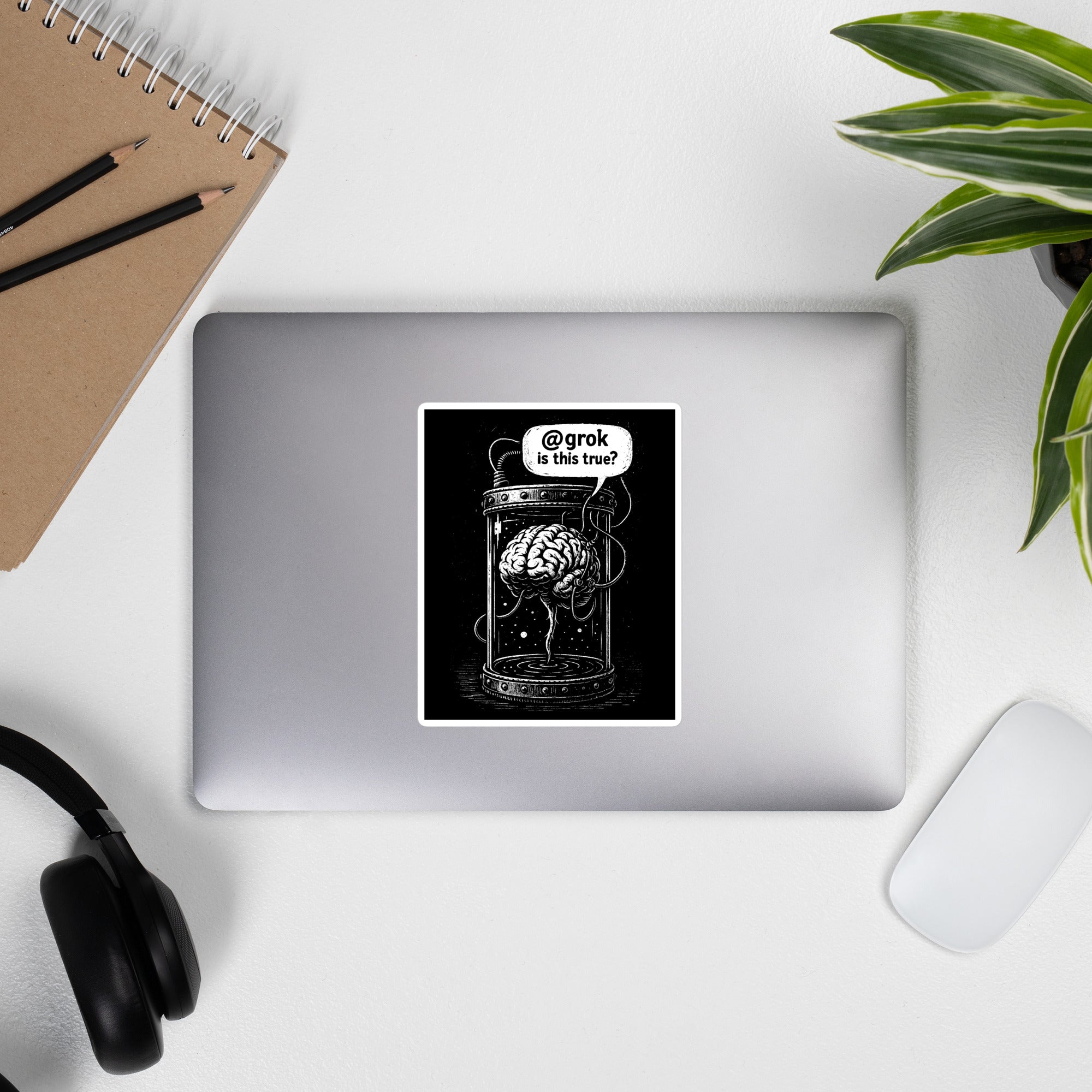
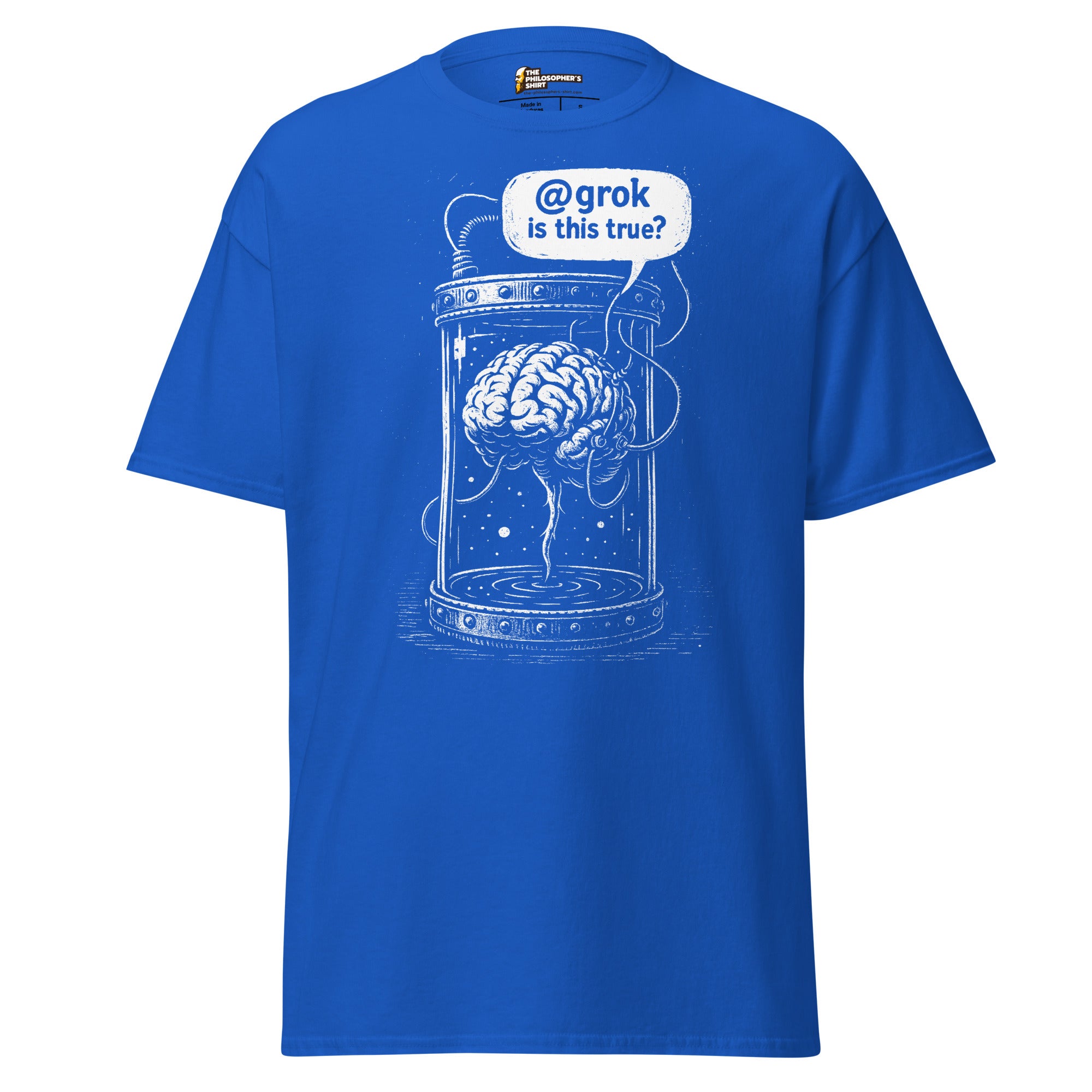
Brain in a vat asking AI

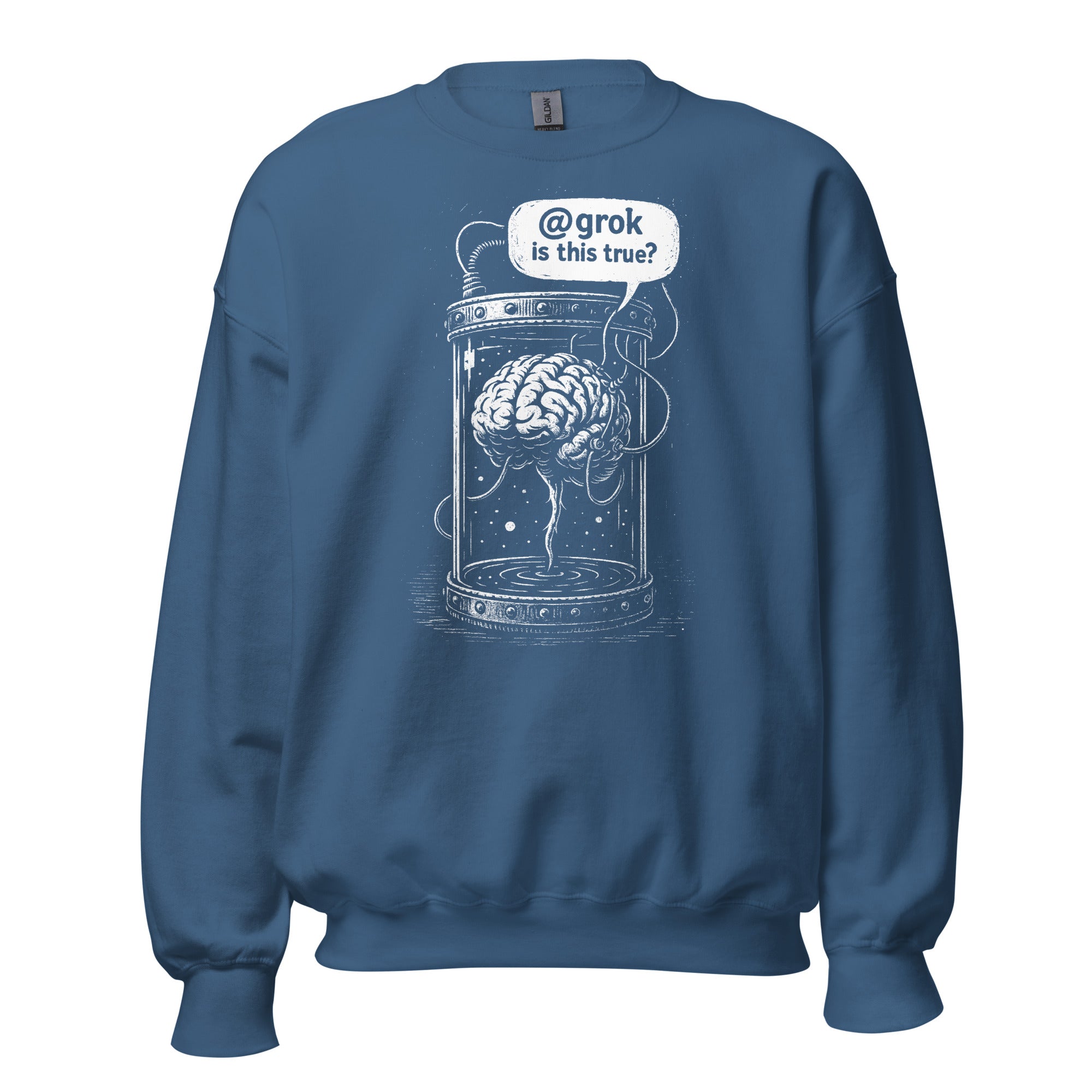
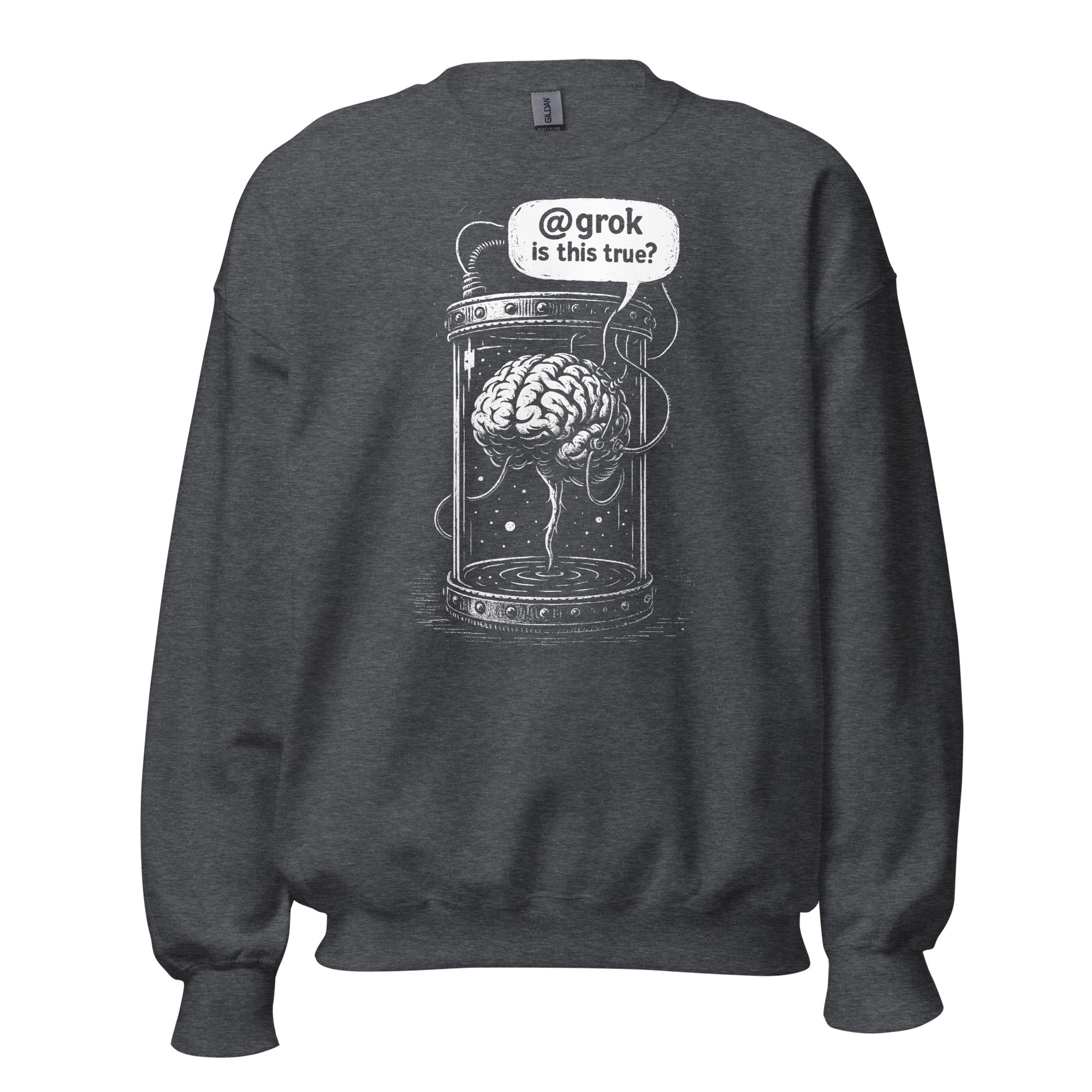
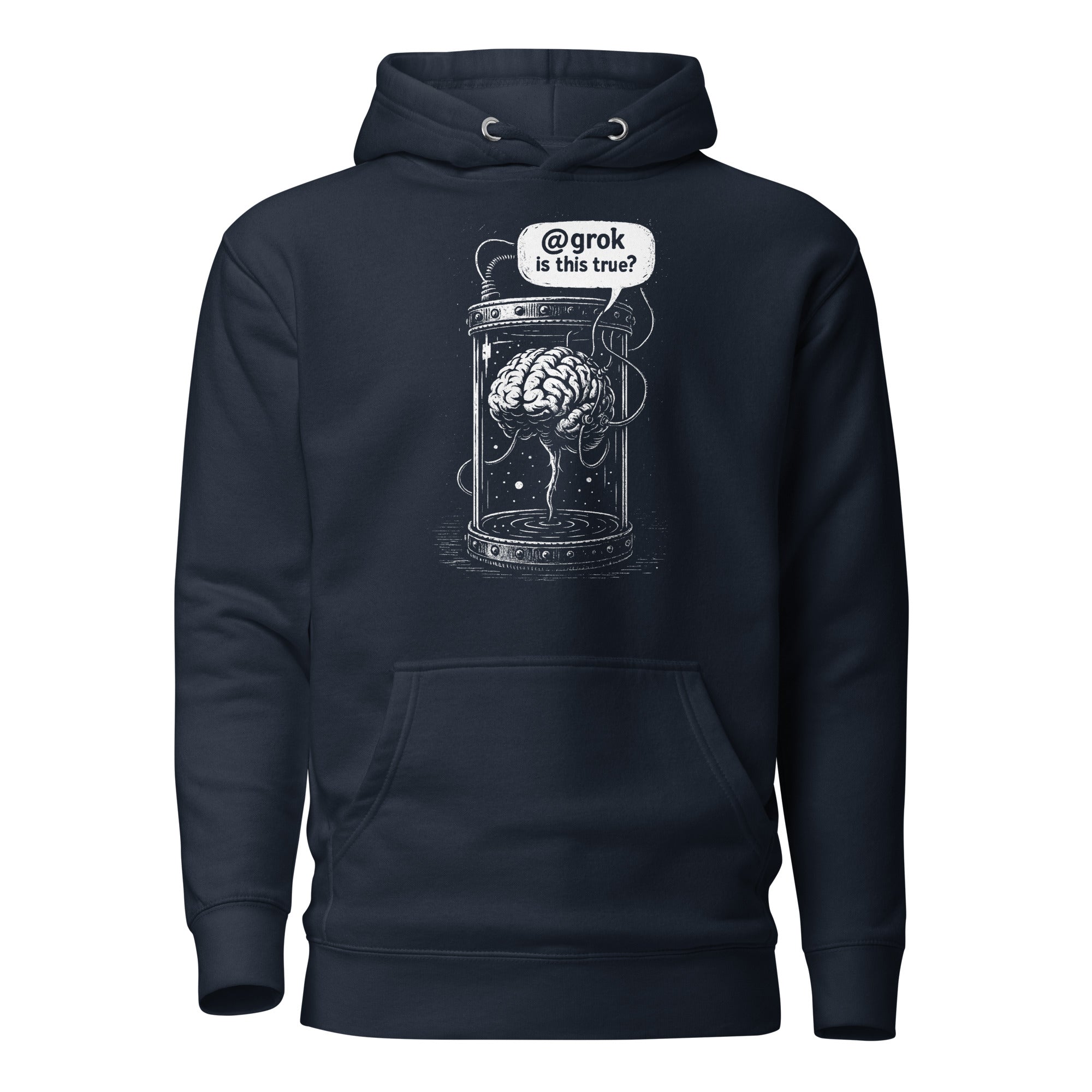
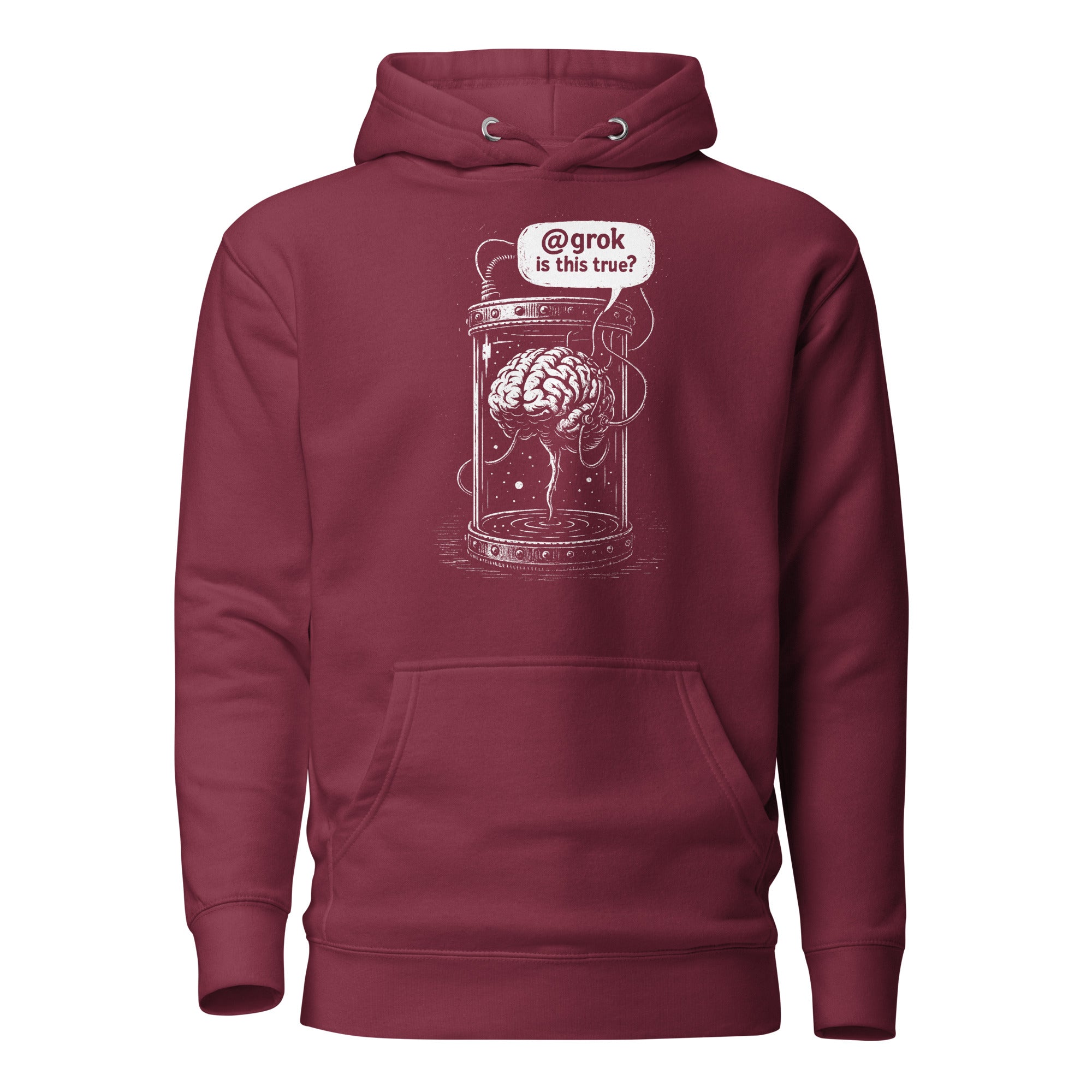
The brain-in-a-vat problem was already unsolvable. Now the brain has a language model to consult, and the model is extremely confident about everything.

Drags a twentieth-century thought experiment straight into the age of chatbots. The whole range: tees, sweatshirts, hoodies and mugs, printed to order as you buy them. You cannot verify the vat. You definitely cannot verify the answer.

Questions about this design

What does the Brain in a vat asking AI design show?
A human brain floating in a glass vat, wired to cables, with a speech bubble in which it asks an AI chatbot whether something is true. The joke stacks two problems – a brain that cannot check whether its world is real now outsources the question to a machine that cannot check either.
What is the brain in a vat thought experiment?
It imagines that a scientist has removed your brain, kept it alive in a vat of nutrients and connected it to a computer that feeds it exactly the signals a body would receive. Everything would feel normal. The point is sceptical – if you could not tell the difference, how do you know you are not in that situation right now, and how much of what you believe counts as knowledge?
Who came up with the brain in a vat?
The best-known version comes from Hilary Putnam, who discussed it in the first chapter of Reason, Truth and History (1981). The scenario is a modern, scientific retelling of René Descartes' evil demon from the Meditations on First Philosophy (1641), an all-powerful deceiver who feeds us a false world.
What is Descartes' evil demon?
In the First Meditation, Descartes imagines a malicious demon, supremely powerful and cunning, who devotes all his energy to deceiving him – so that sky, earth, colours and even his own body might be illusions. The device lets him doubt everything that can be doubted, until he finds one certainty no deceiver can undermine – as long as he thinks, he exists.
Can you prove you are not a brain in a vat?
Putnam argued that the sentence „I am a brain in a vat“ refutes itself. Words refer to things through causal contact with them; a brain that has only ever received simulated input never had contact with real brains or vats, so in its mouth those words could not mean real brains and vats. Many philosophers doubt that this settles the matter, and the sceptical question remains a classic of epistemology.
What is the difference between the brain in a vat and the simulation hypothesis?
The brain in a vat keeps a real biological brain and fakes only its input. Nick Bostrom's simulation argument (Are You Living in a Computer Simulation?, 2003) goes further – the mind itself could be software. Bostrom does not claim we are simulated; he argues that at least one of three possibilities must be true, one of them being that we almost certainly live in a simulation.
Can AI tell you whether something is true?
Not on its own authority. A large language model produces text by predicting likely sequences of words from its training data; it does not check its sentences against the world. That is why it can state falsehoods fluently and confidently, so-called hallucinations. Treat its answers as a starting point and check the sources – which is exactly the design's punchline.
What is the Chinese room argument?
John Searle's thought experiment from his 1980 paper Minds, Brains, and Programs. A person who speaks no Chinese sits in a room and answers questions in Chinese by following a rulebook for manipulating symbols. To outsiders the answers look fluent, yet nobody in the room understands a word. Searle concluded that running a program, however convincing, is not the same as understanding.
Is the Brain in a vat asking AI design a good gift for philosophy students?
Yes – especially for students of epistemology or philosophy of mind, programmers, and anyone who double-checks what a chatbot tells them. The design is available as a T-shirt, sweatshirt, premium hoodie, mug and sticker.