


Philosophical Dictionary
-

Release the Bats!: Thomas Nagel's Subjectivity of Experience
By C.M. Black
We discuss Thomas Nagel's ideas on the limitations of human knowledge and how much we can know about subjectivity of experience outside our own. Can we know what it is like to be a bat? -

Who Is to Blame When AI Makes Mistakes? Technology, Ethics and the Responsibility Gap
By Markus Uehleke
When a self-driving car or a chatbot gets it wrong, someone ends up holding the blame, and it is rarely the system. AI ethics has names for this: the responsibility gap, the problem of many hands, the moral crumple zone. Forty million votes on whom a car should hit did not settle it. So who should pay? -
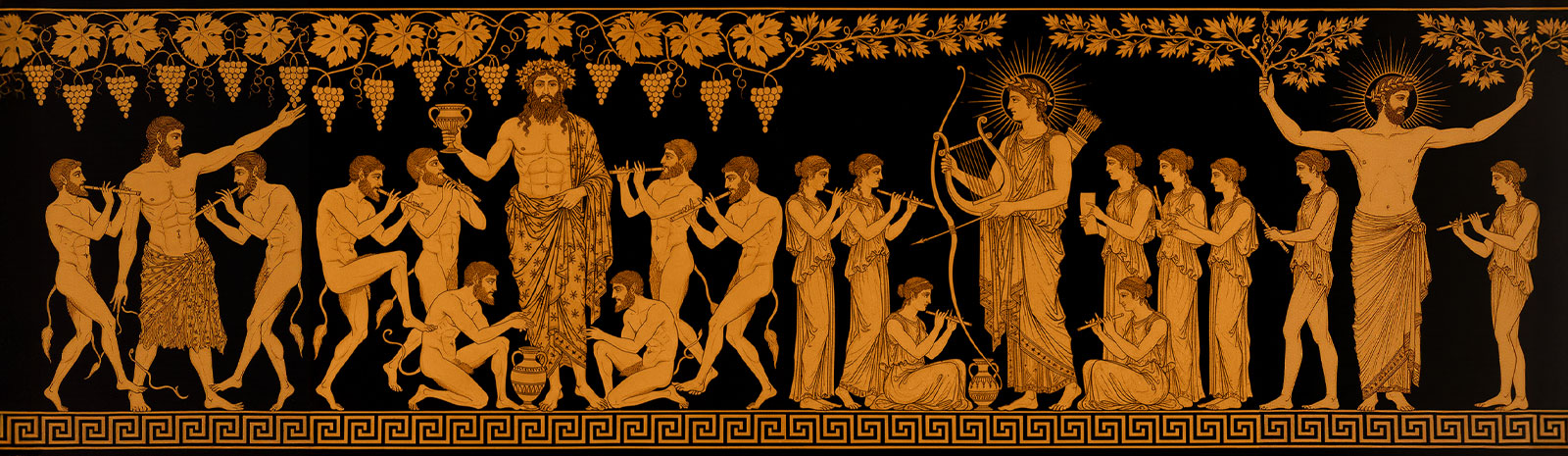
The Birth of Nietzsche from the Spirit of Philosophy
By C.M. Black
In today's article, we discuss Friedrich Nietzsche's ideas on aesthetics in The Birth of Tragedy, making a case for the philosopher's continued relevance. -

Madness and Civilization: Questioning the Stigma of Mental Illness and Hospitalization
By C.M. Black
We discuss Michel Foucault's genealogical work on the history of society's treatment of people it deemed mentally ill, as well as the dangers of using dichotomies to label and abuse certain people. -

Hypatia of Alexandria: The Brilliant Mathematician Who Defied an Empire
By Markus Uehleke
Hypatia taught mathematics, astronomy and philosophy in Alexandria until a Christian mob killed her in 415. What she actually worked on, why she was murdered, and how writers from John Toland to the film Agora turned her into a legend that gets several things wrong. -

Nichomachean Ethics: Virtue for a Rule-Loving Society
By C.M. Black
We share the difference between modern ethical theories and the virtue ethics system posed by the Ancient Greek philosopher Aristotle, explaining how virtue ethics offers us more than explanations of what is good or bad.


