No tariffs. Ever. We ship locally from the US, Canada, the UK, or the EU + Free shipping over $80 / 70€ / £60 (equivalent in all other currencies).
Search our site

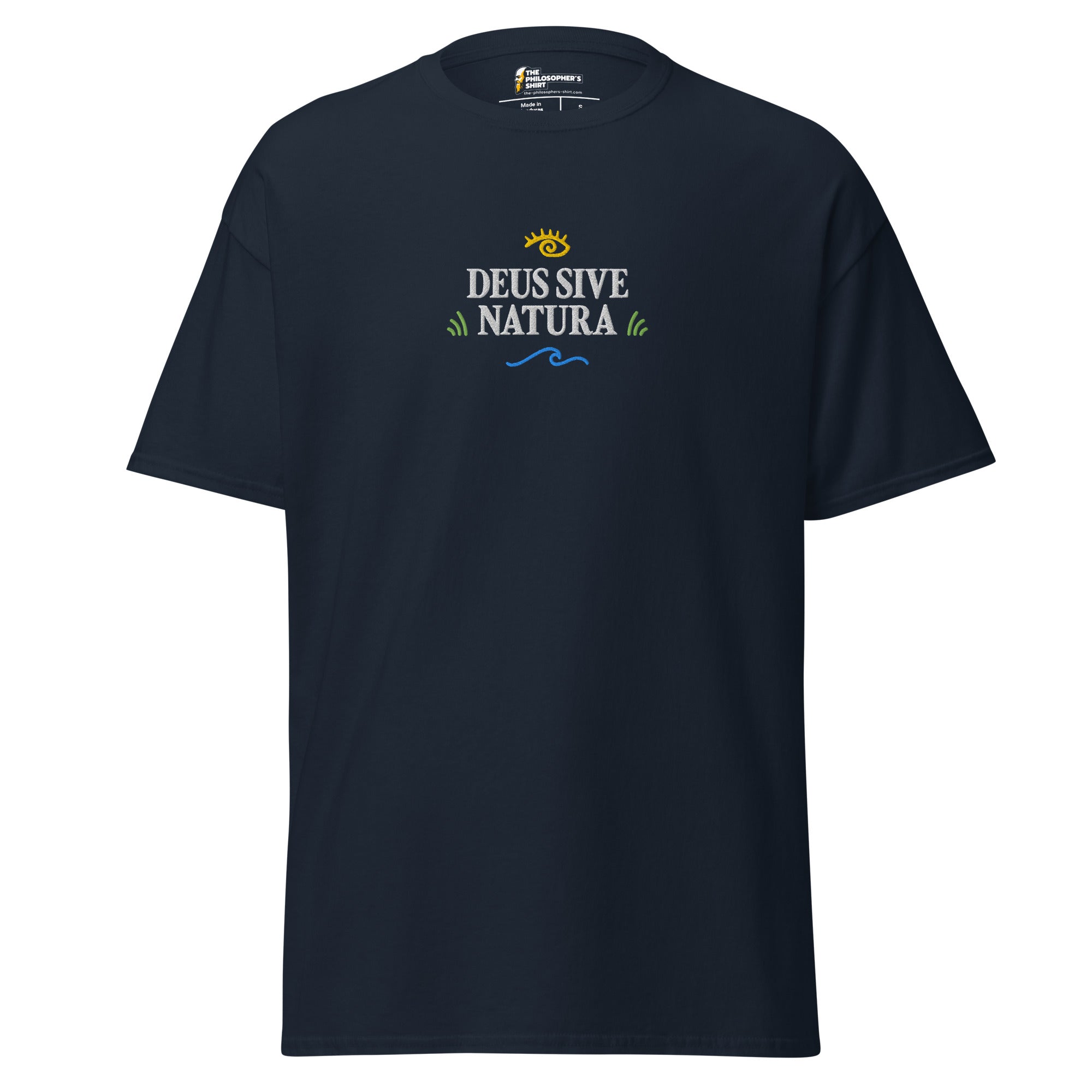
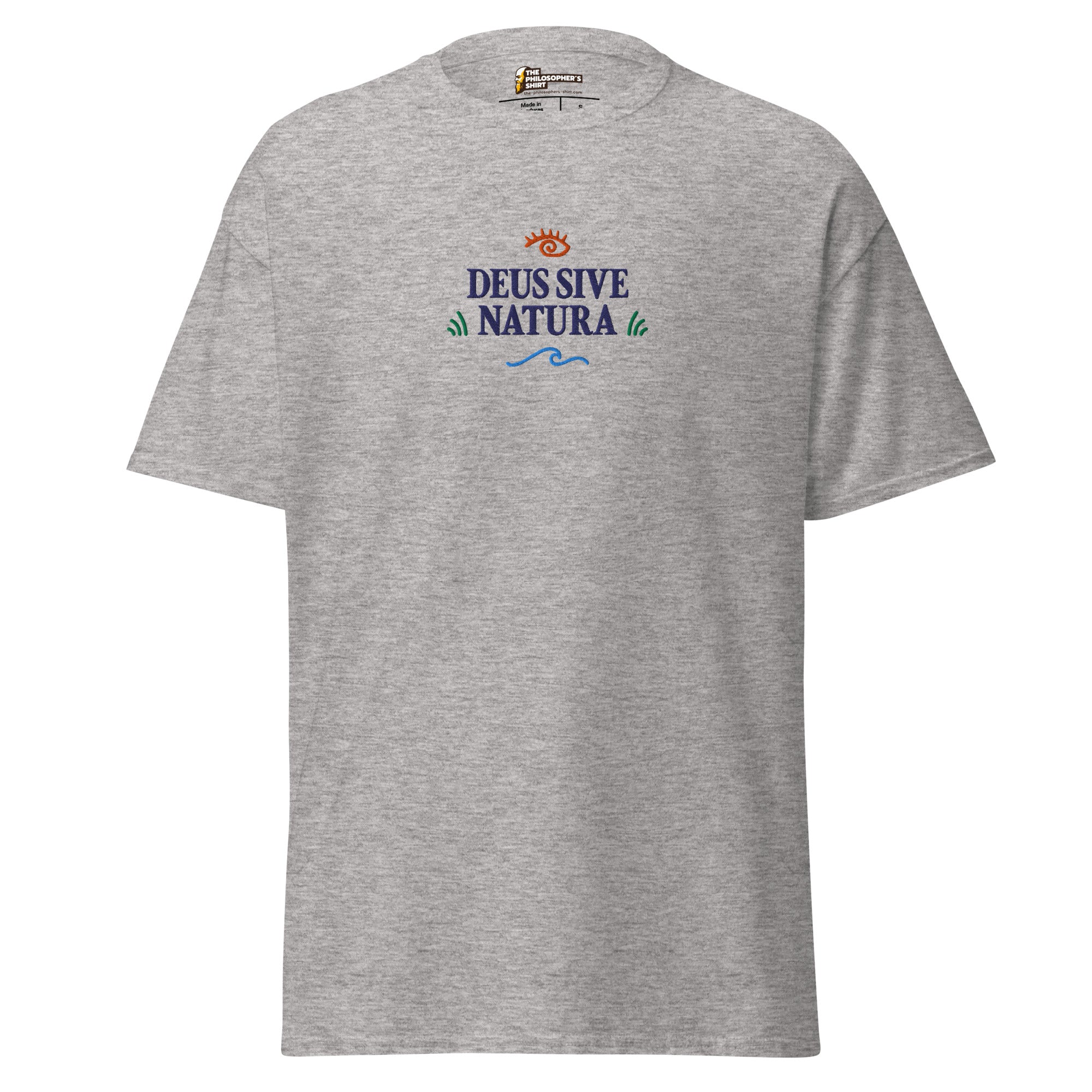
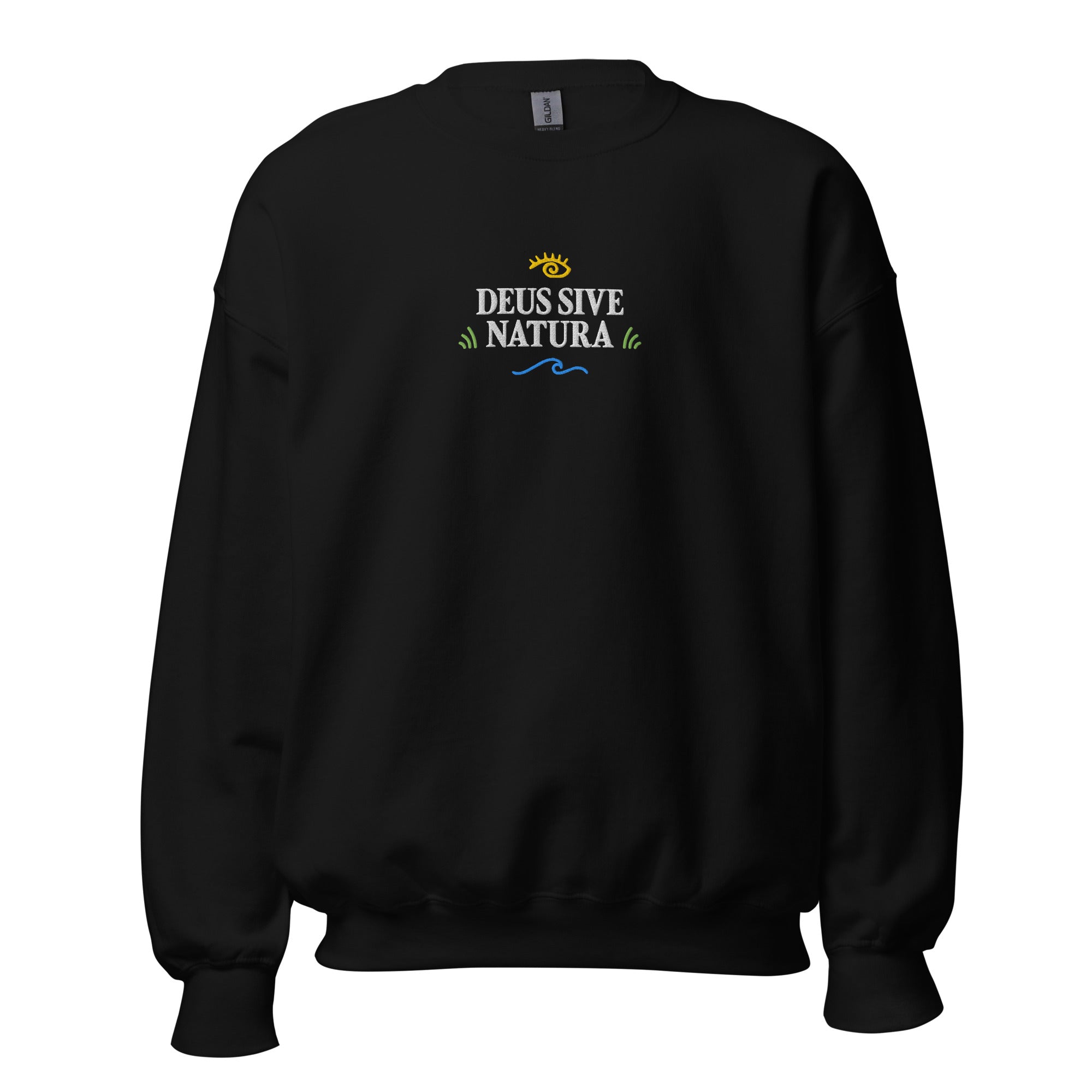
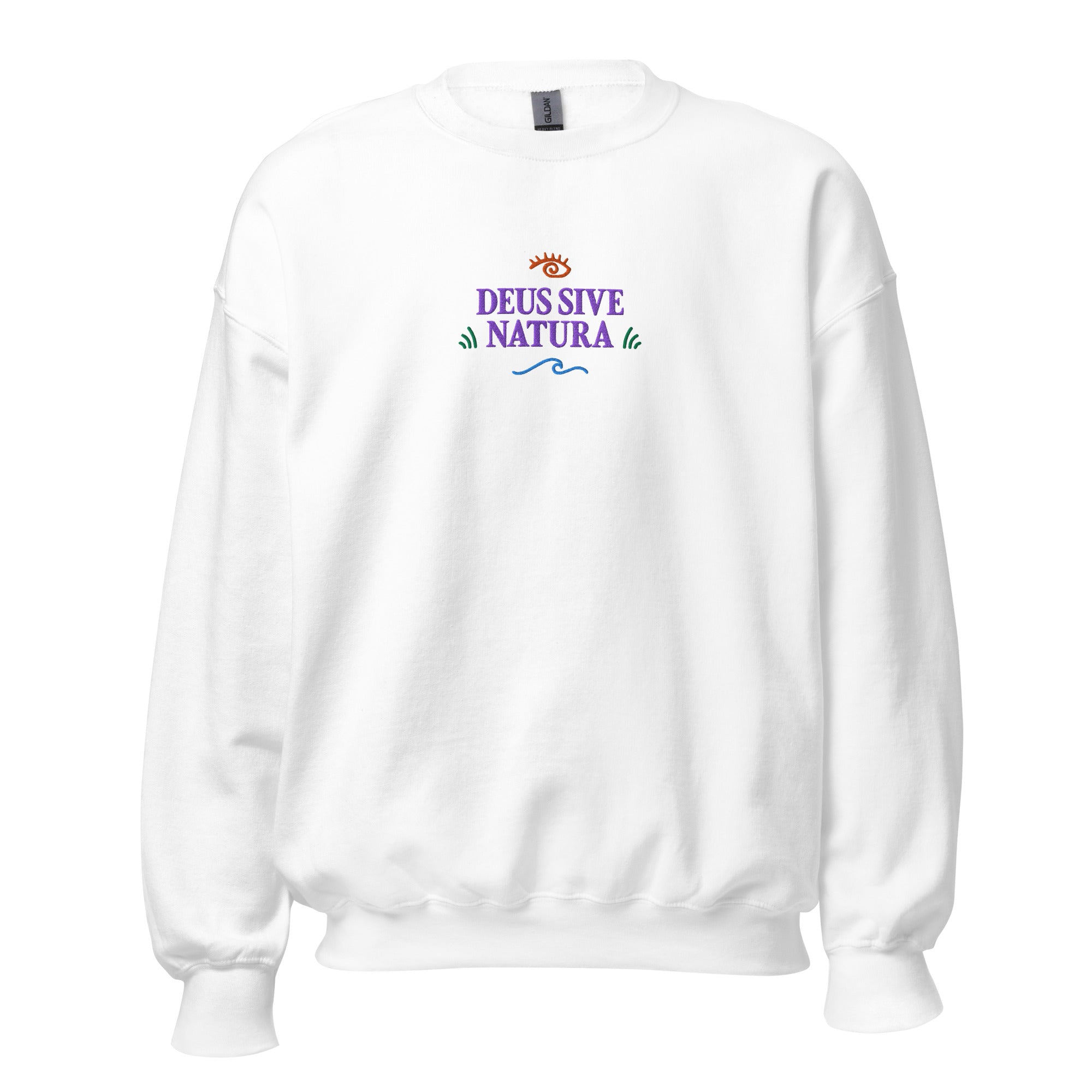
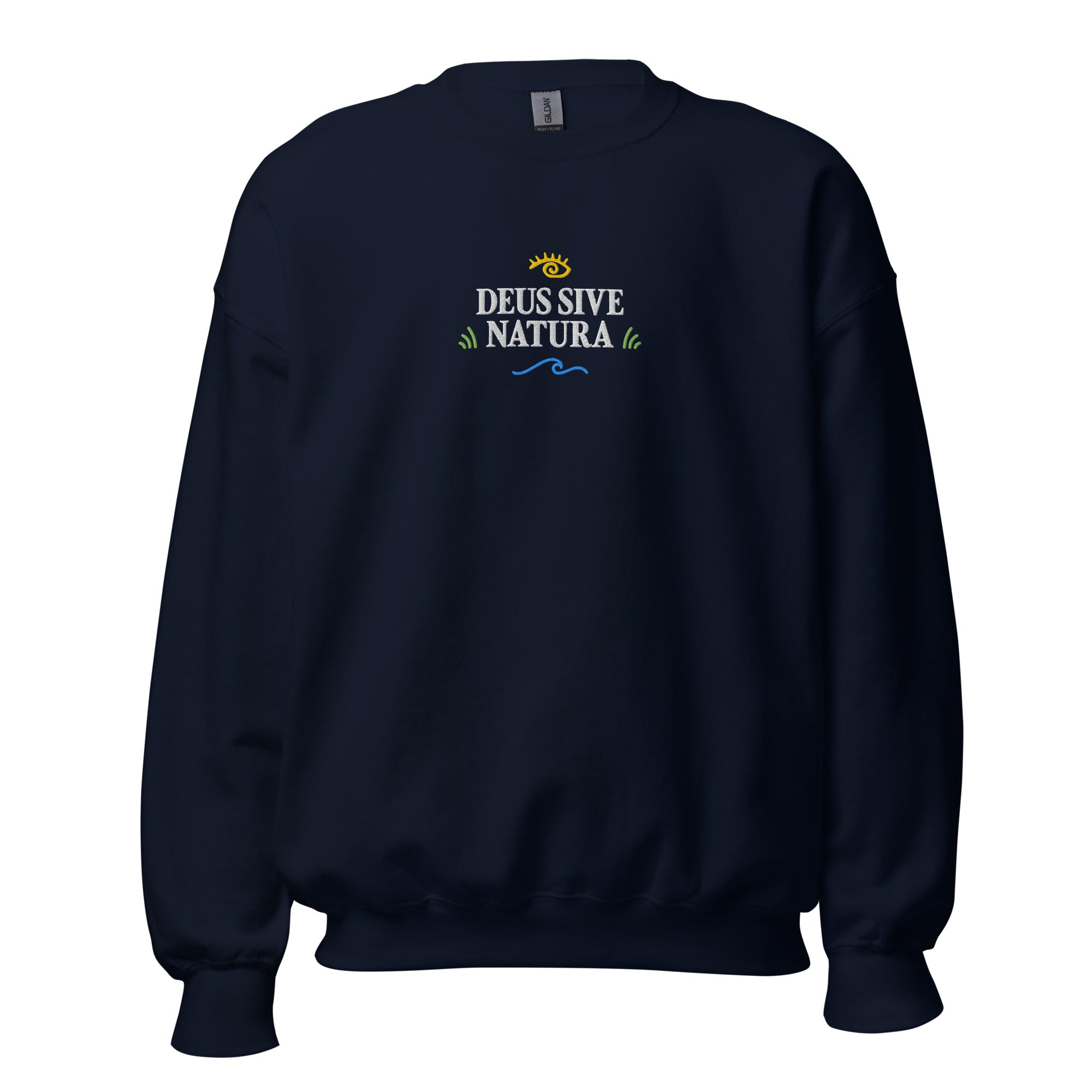
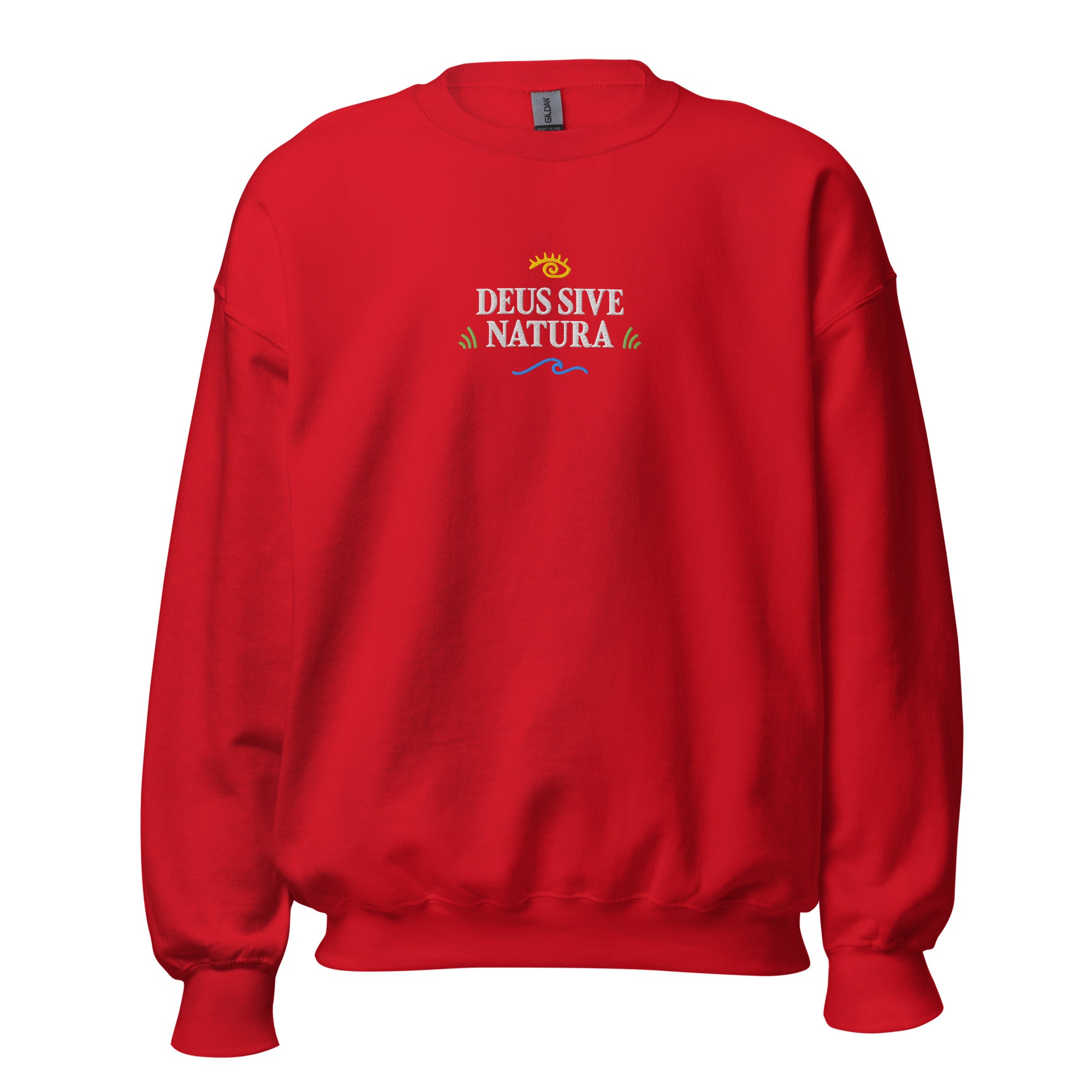
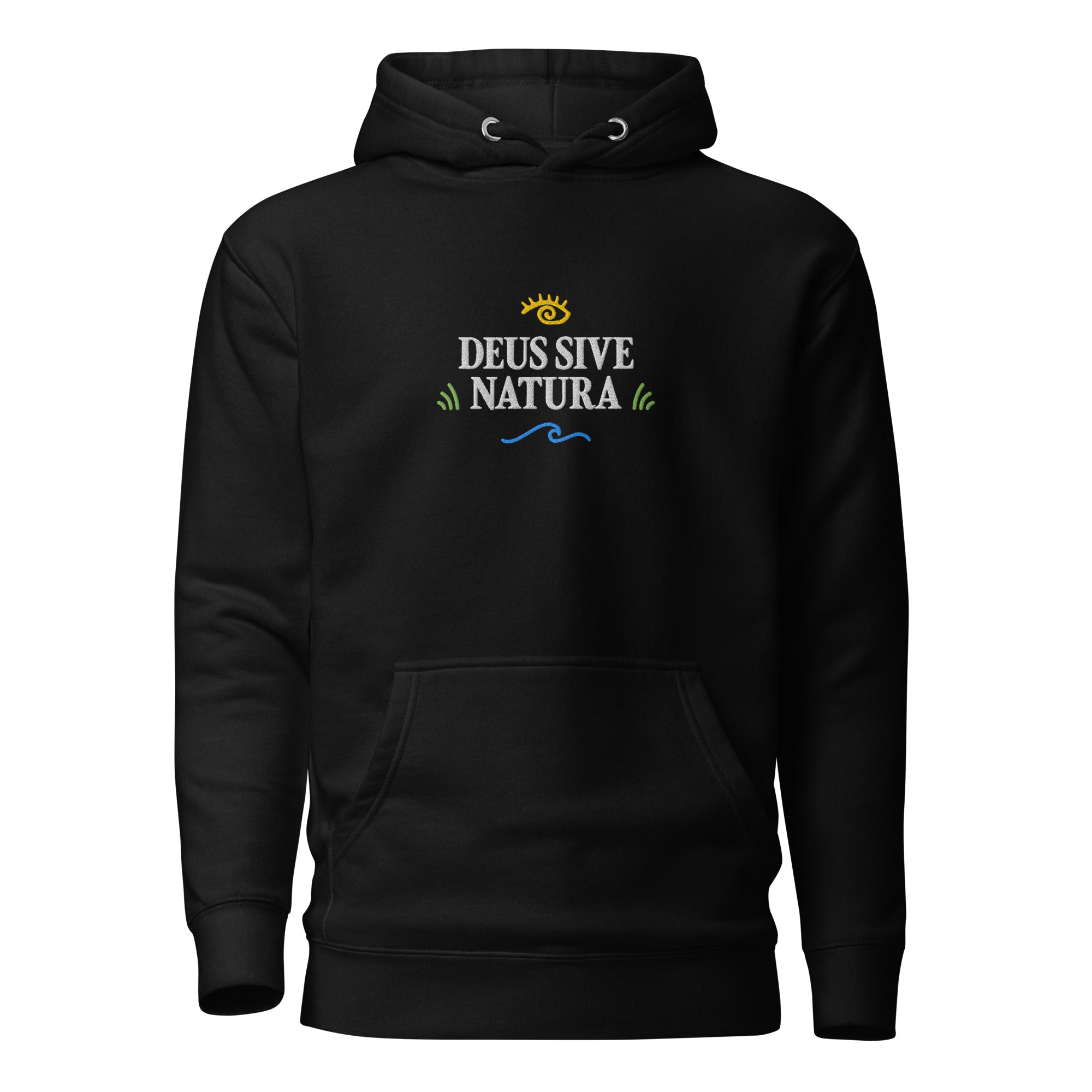
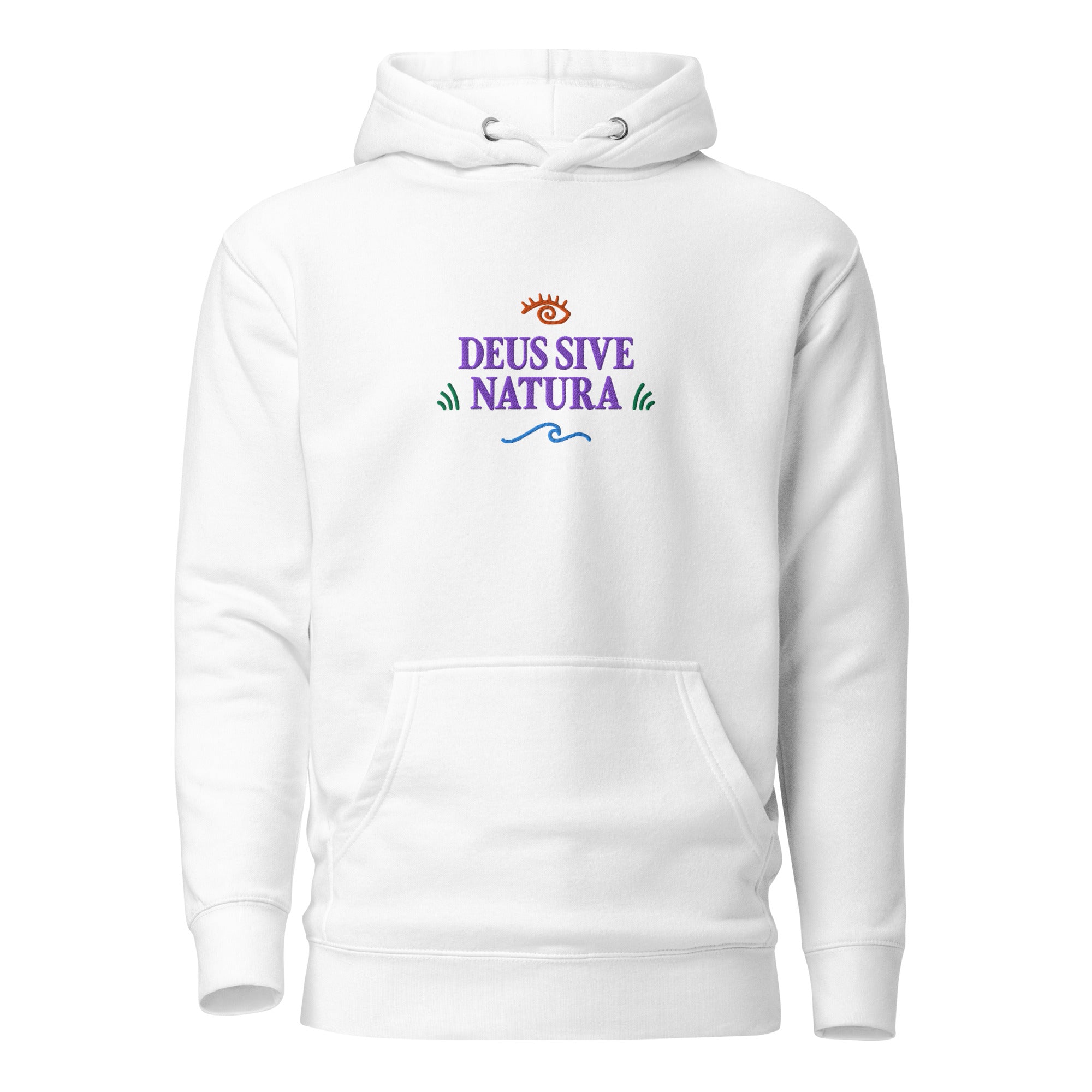
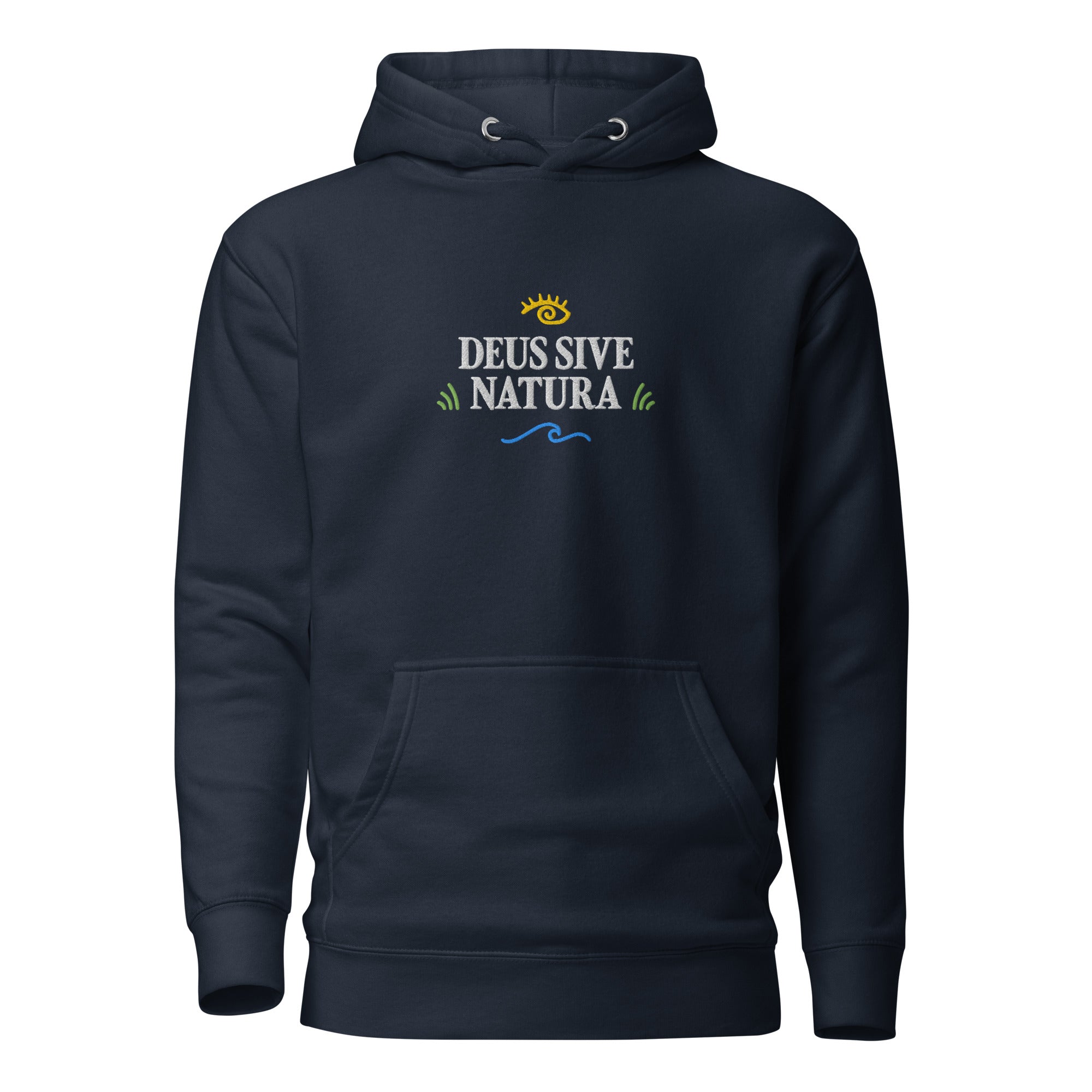
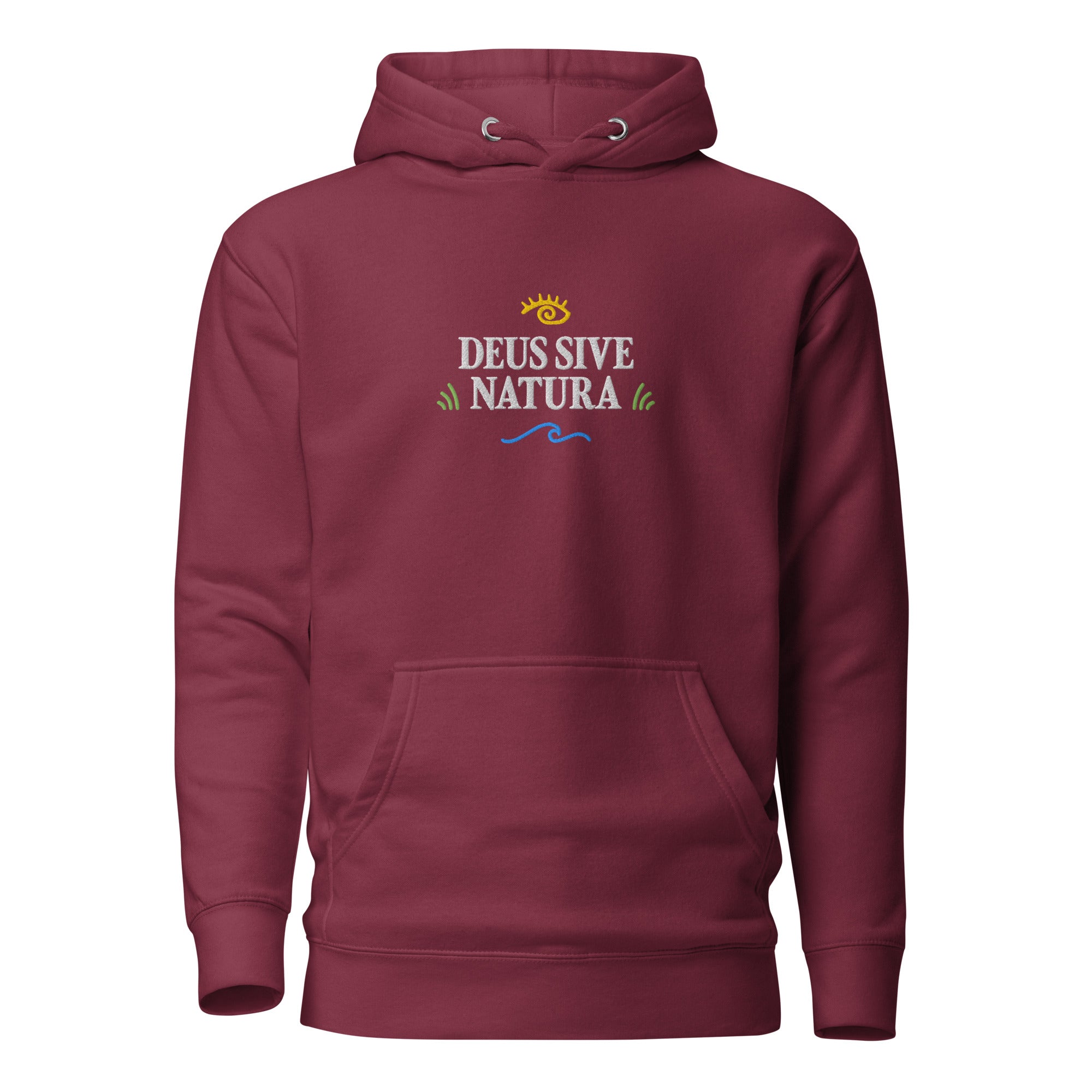
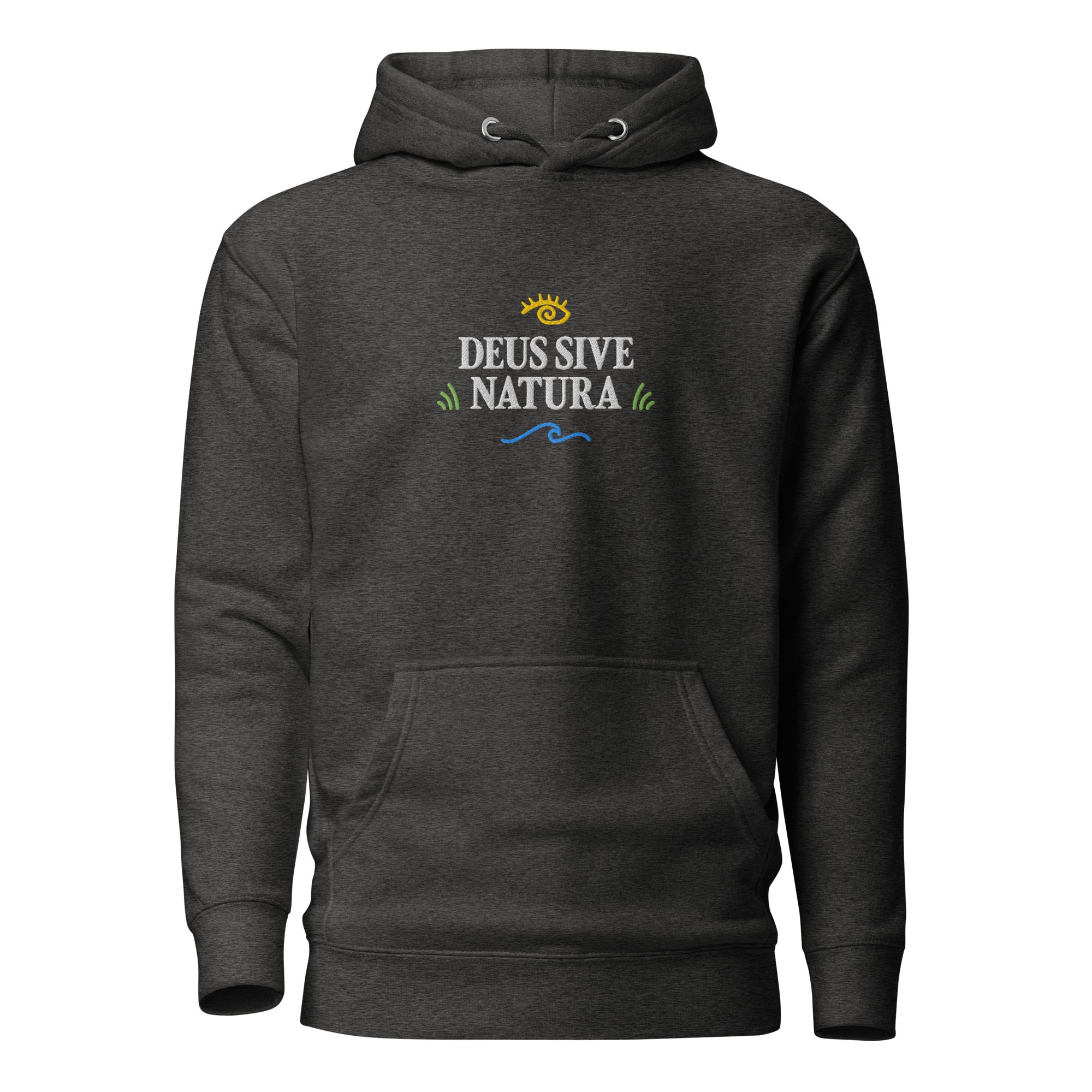
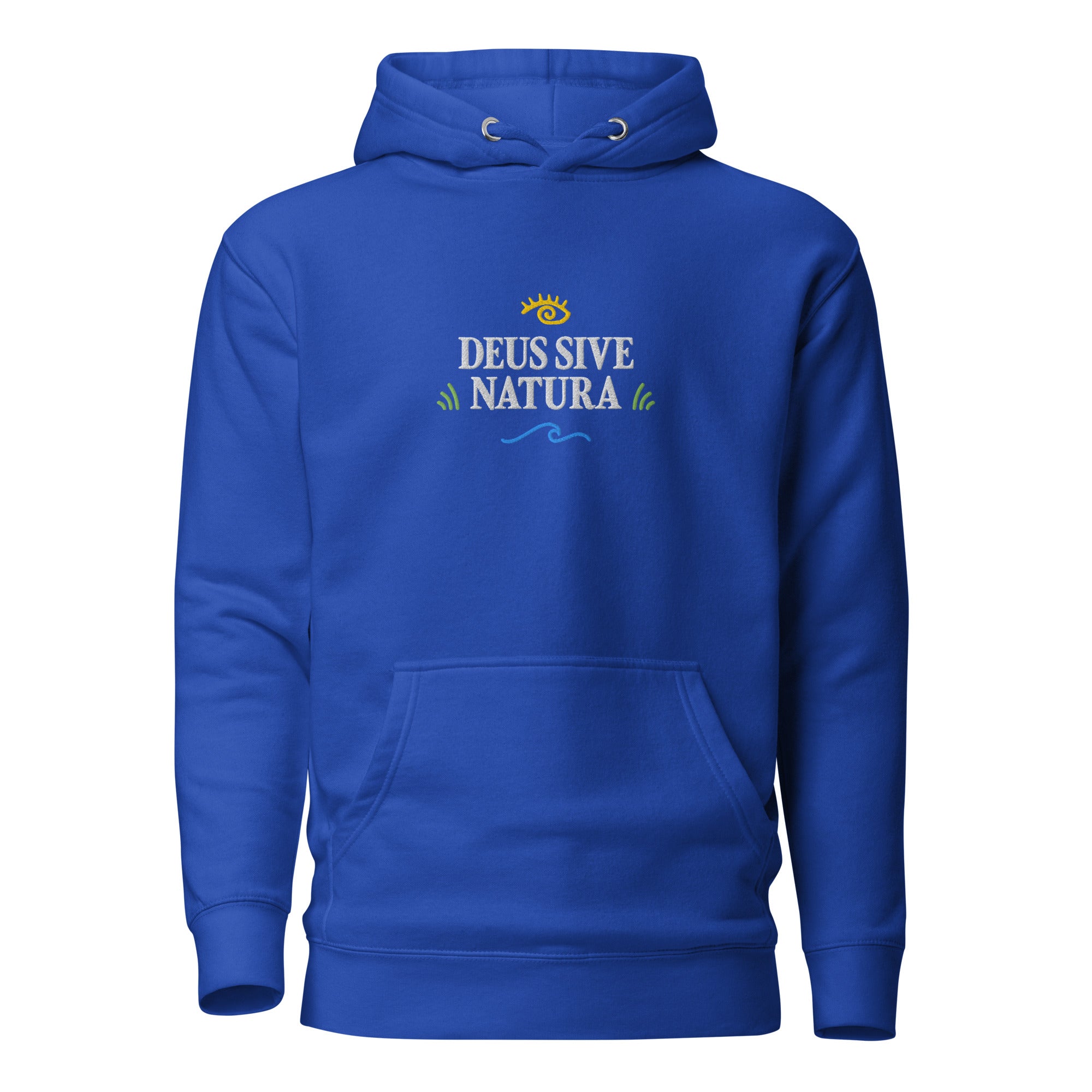
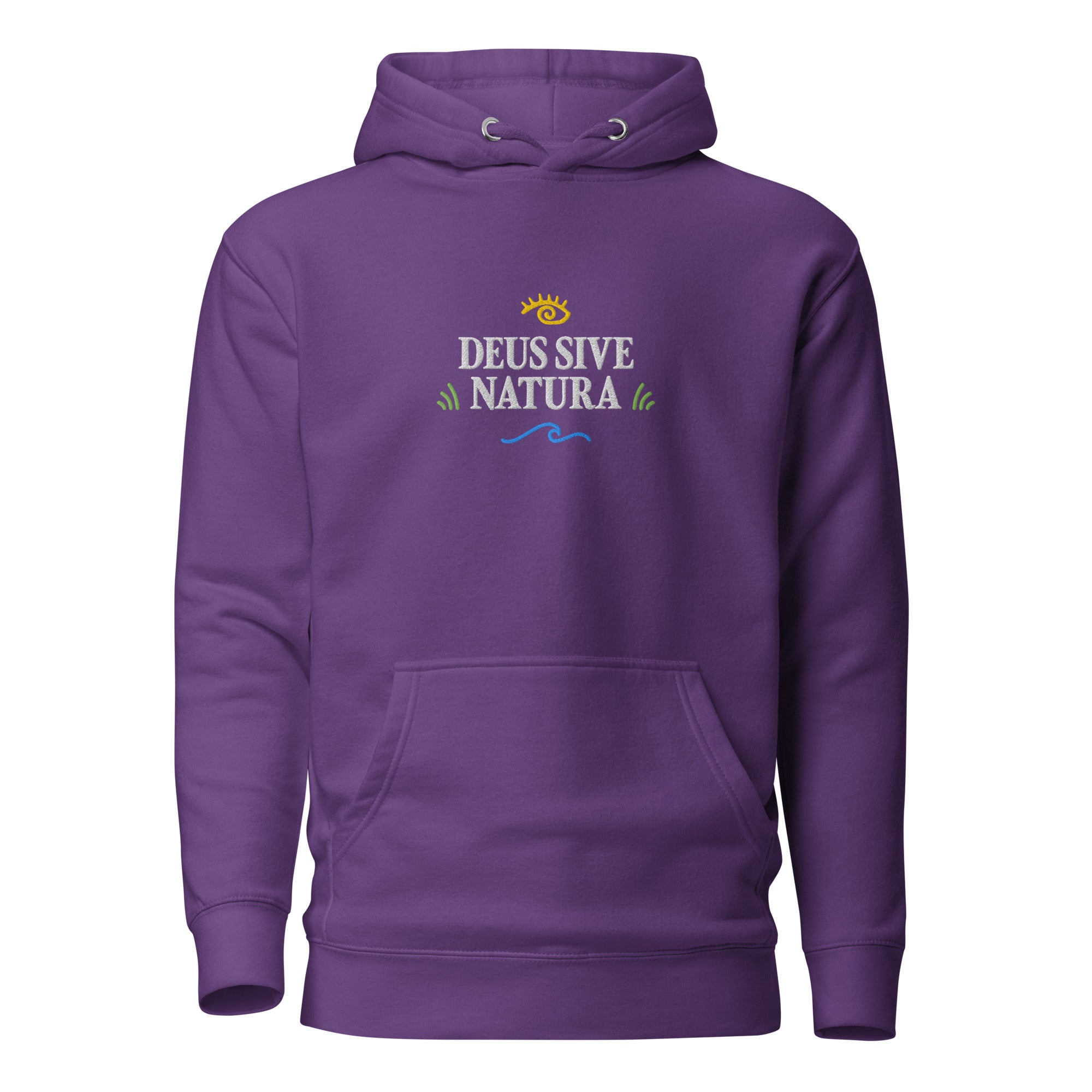
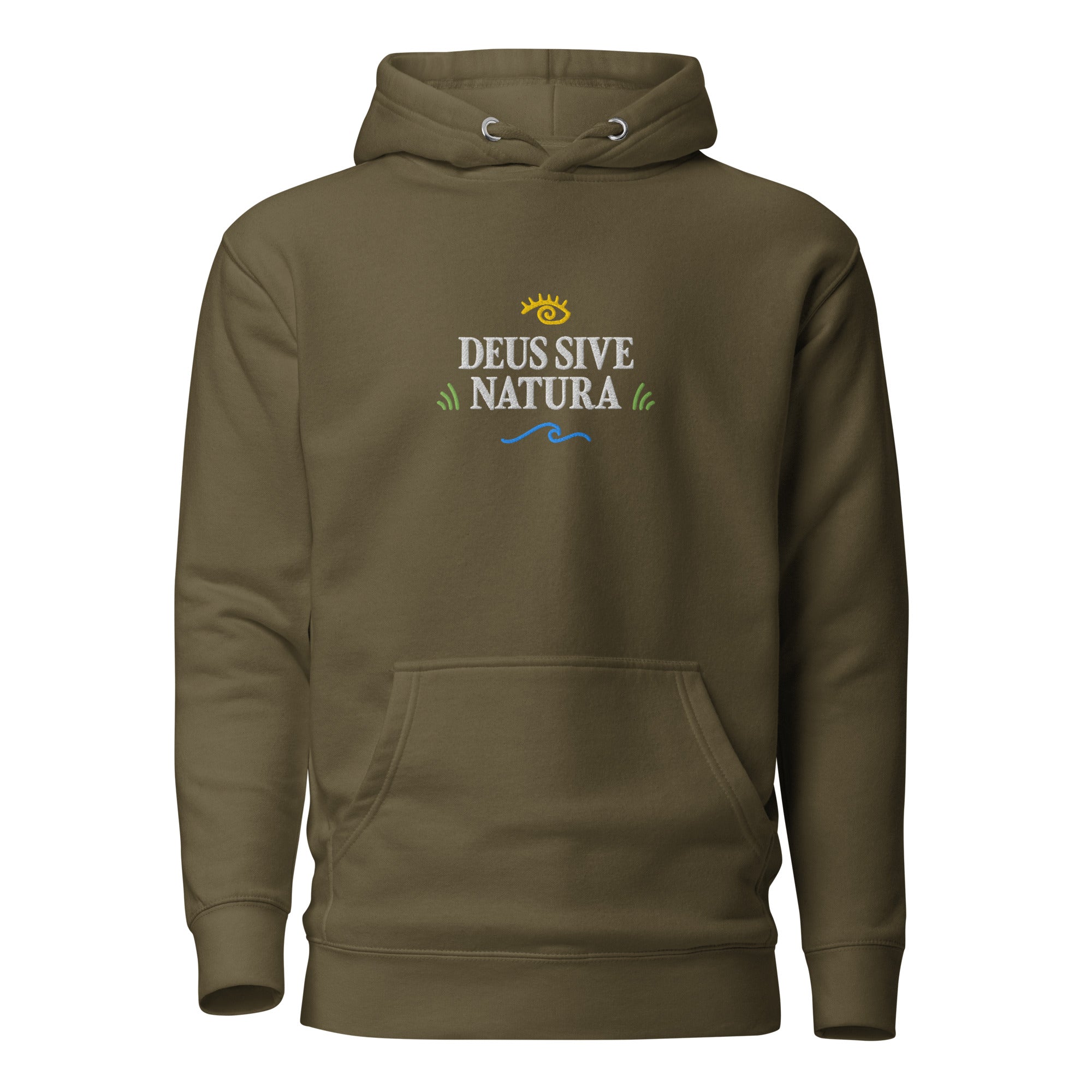
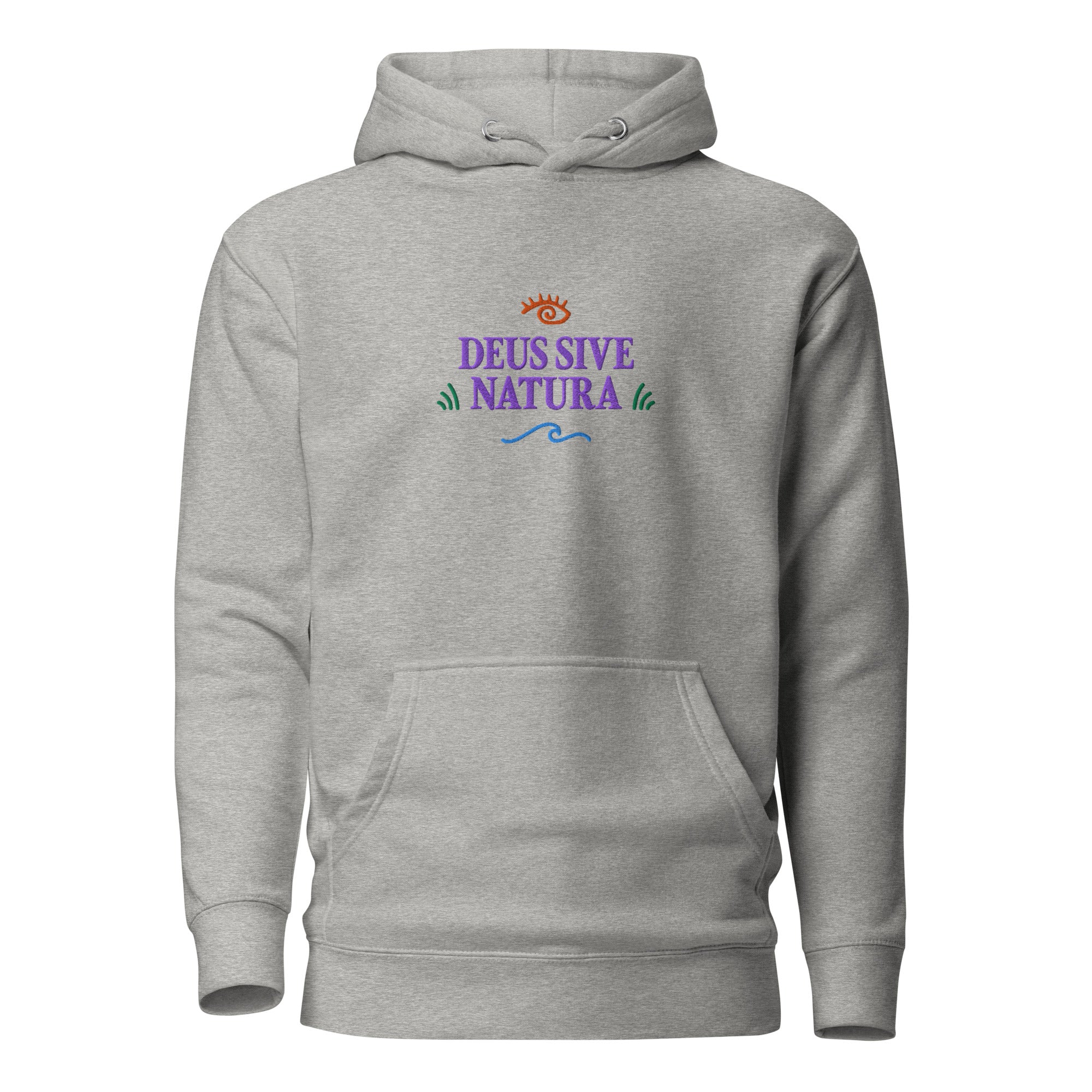
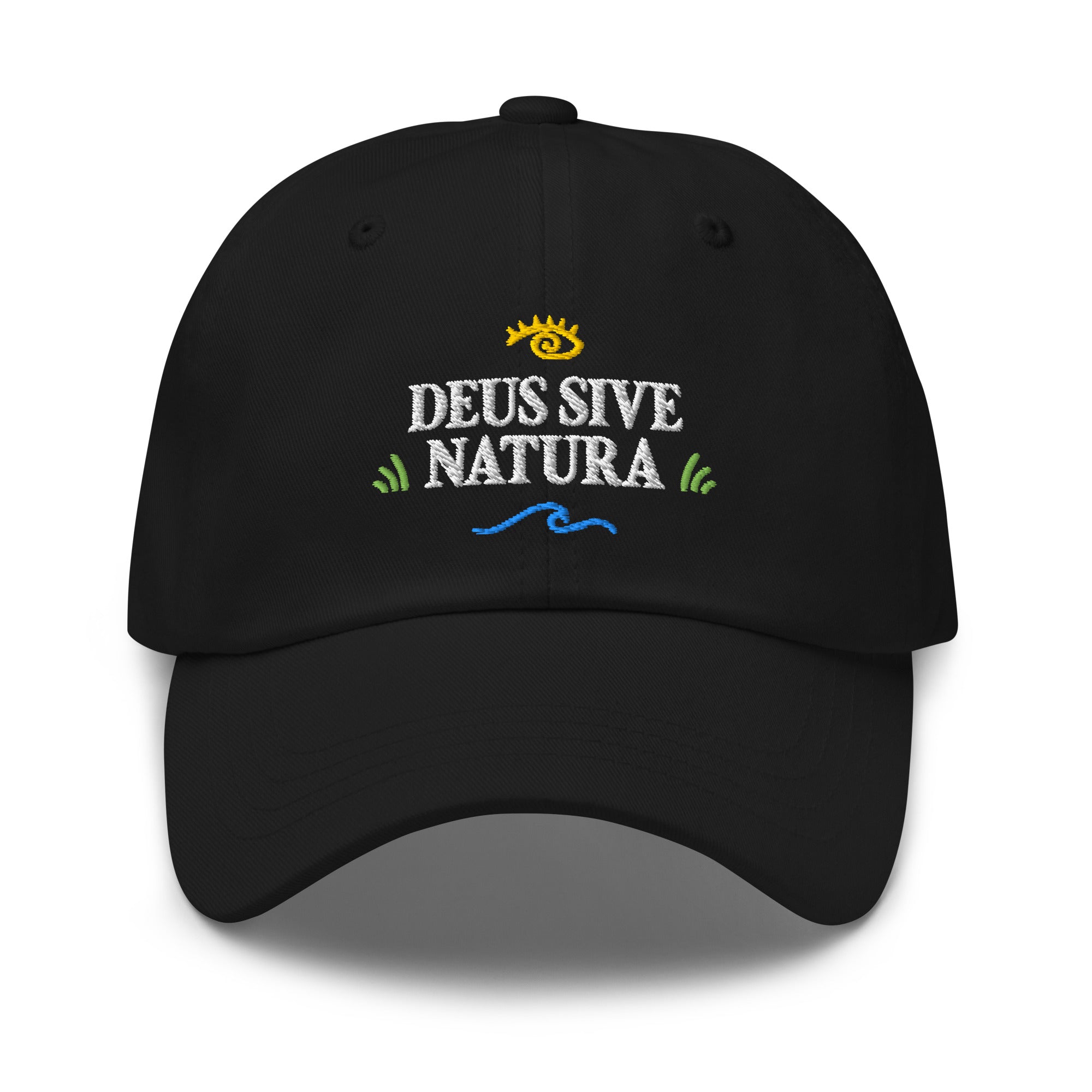
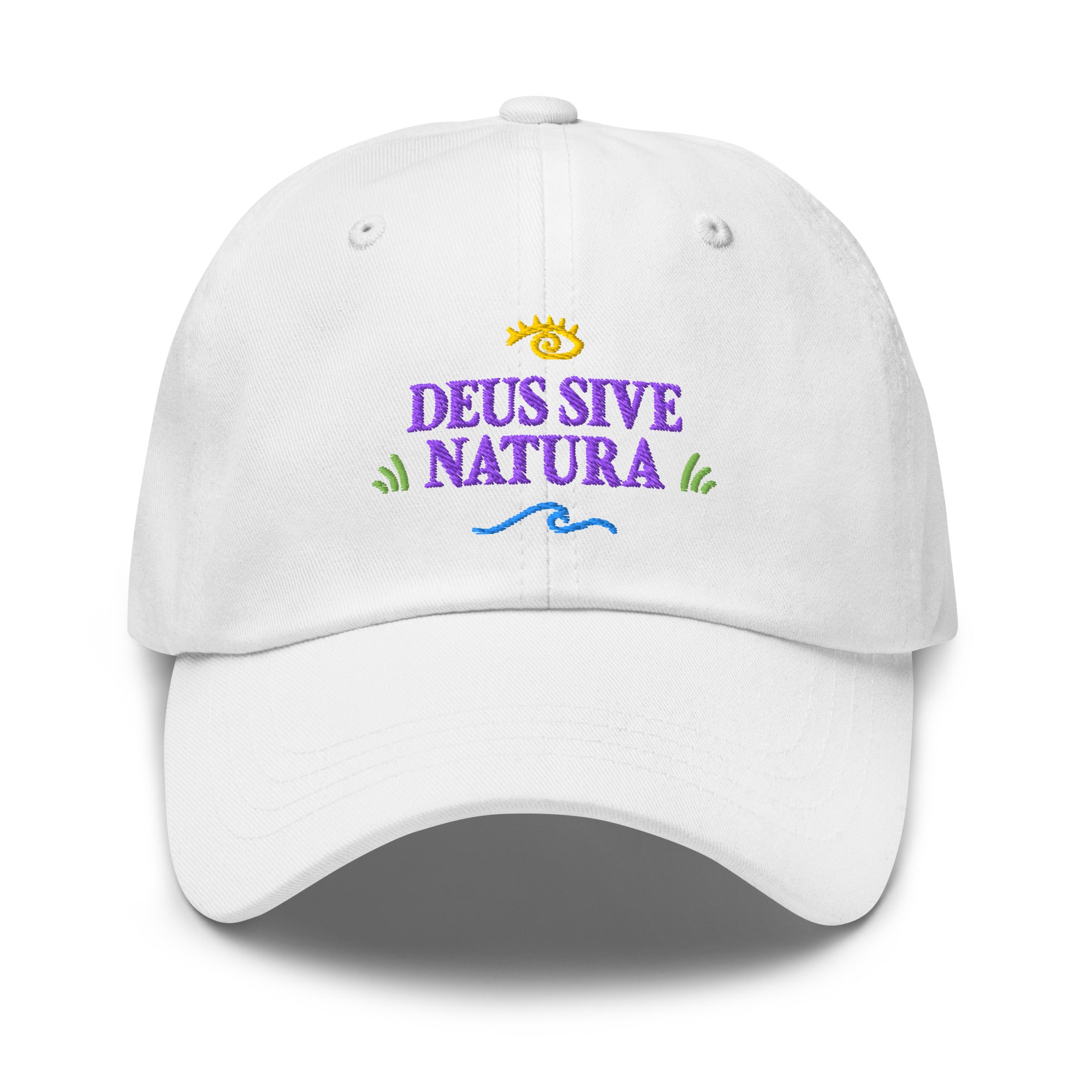
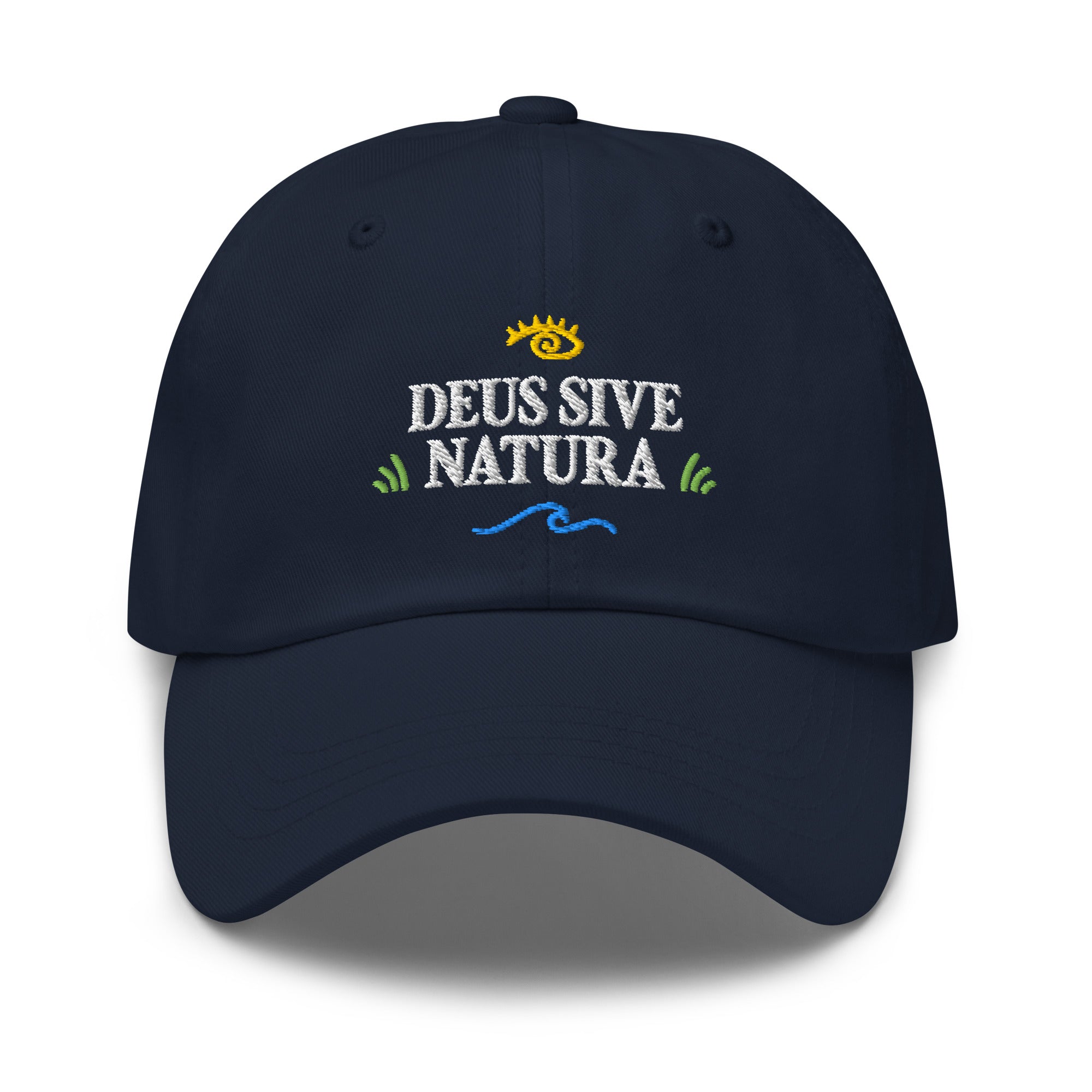
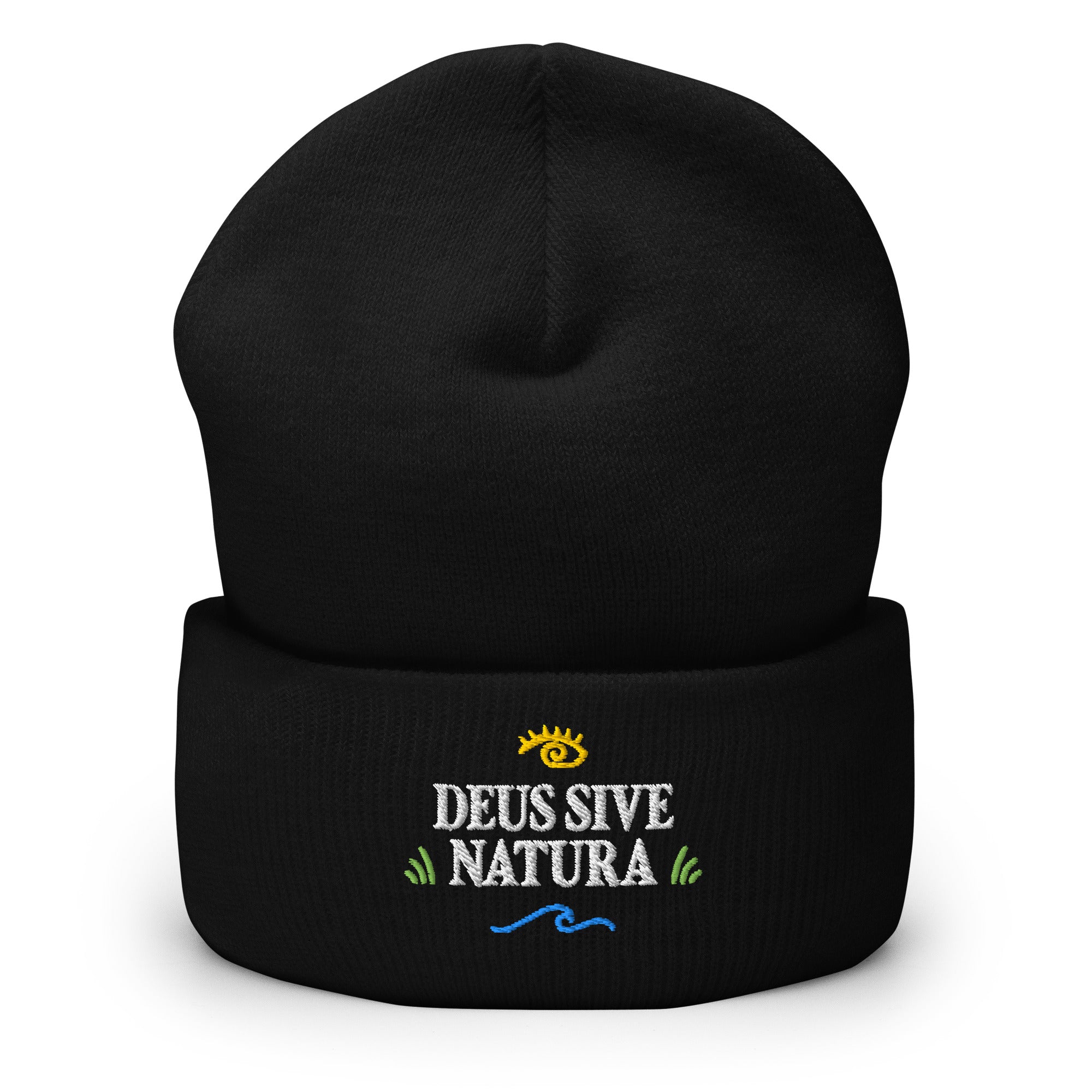
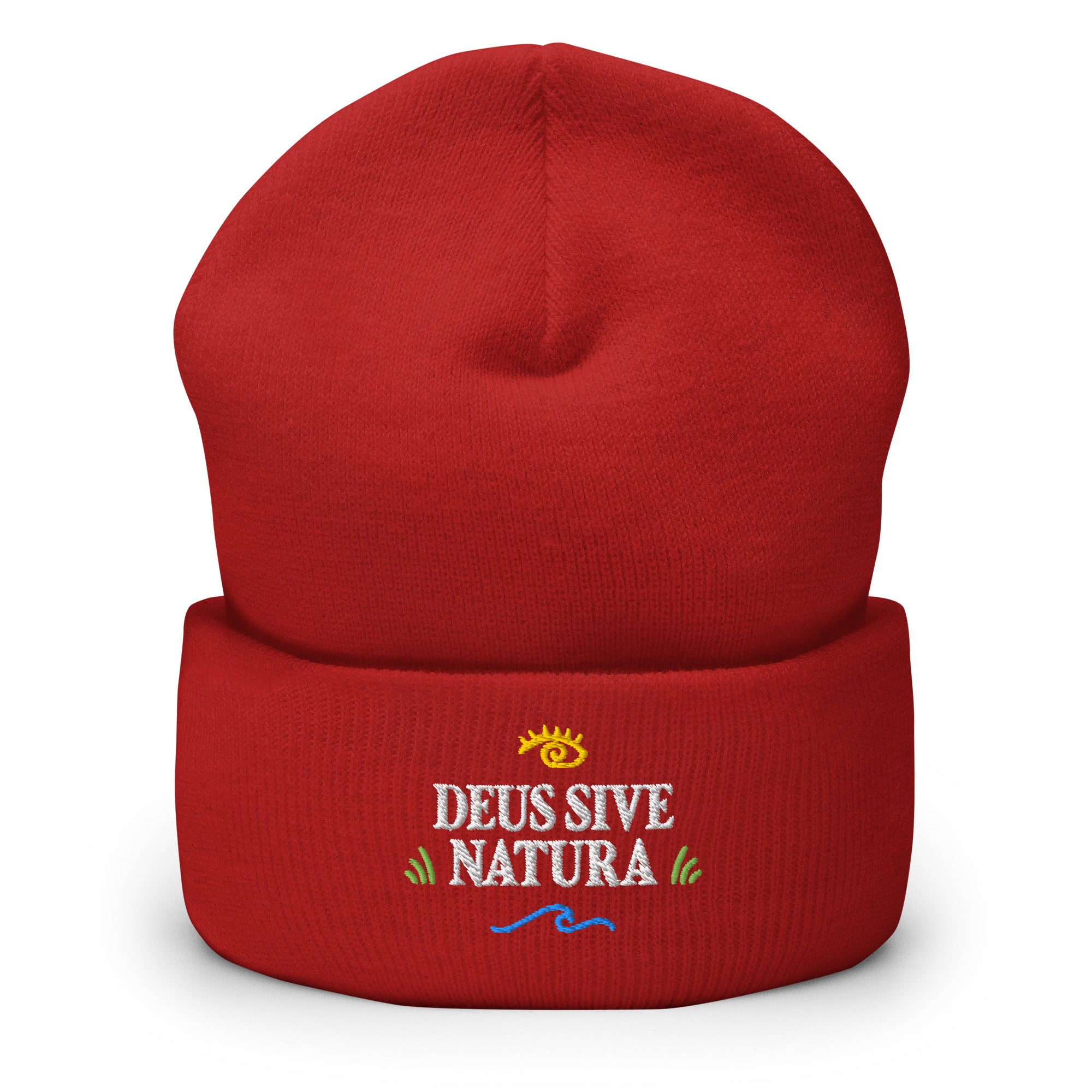
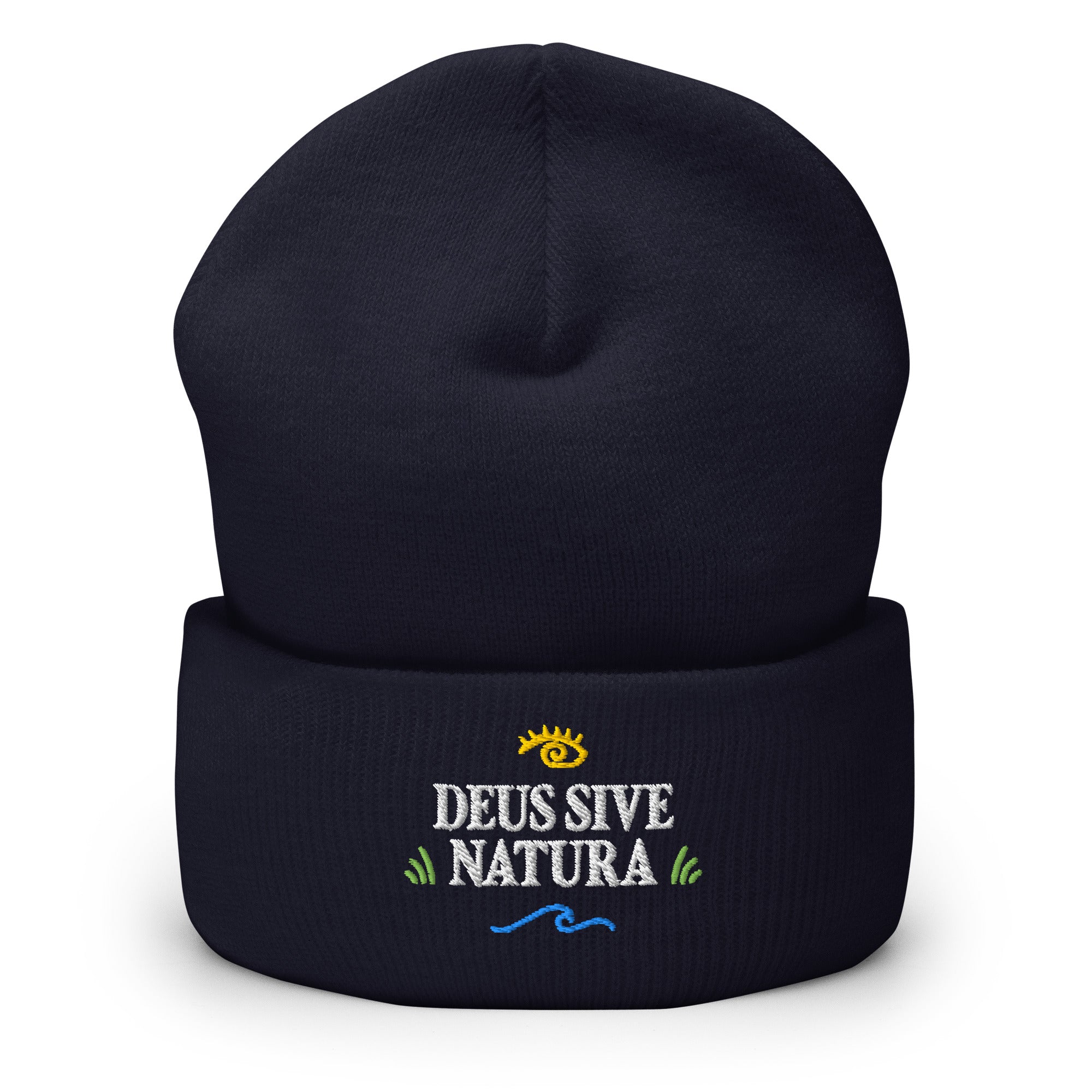
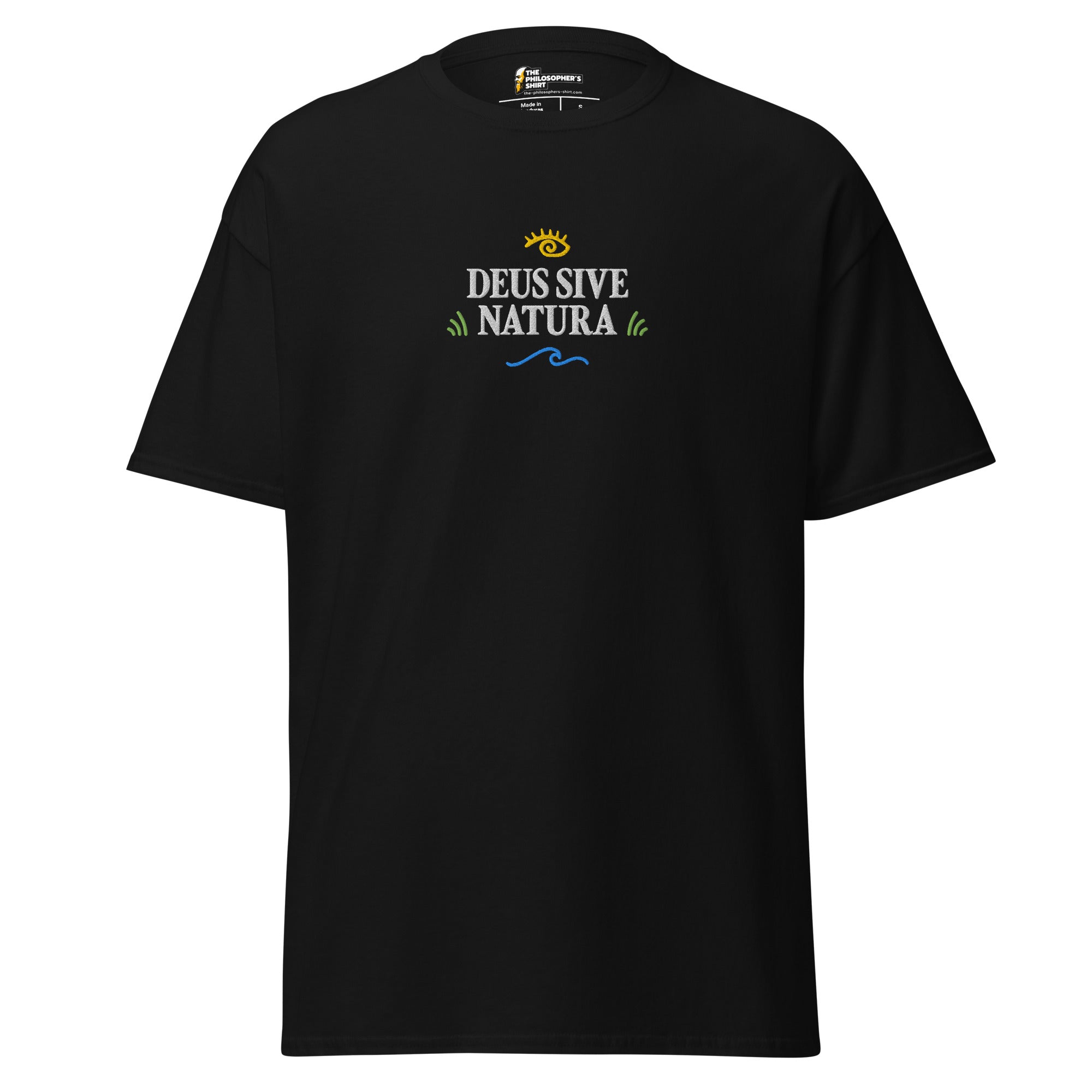
DEUS SIVE NATURA - Embroidered

Three Latin words that got Spinoza excommunicated: God, or Nature. Not two things related, but one thing under two names.

Stitched small, because heresy this elegant does not need a large font. The full range here — tees, sweatshirts, hoodies and caps, all printed to order as you buy them. A rationalist gift for Spinoza readers. One substance, two names, endless trouble.
Questions about this design

What does the Deus Sive Natura design show?
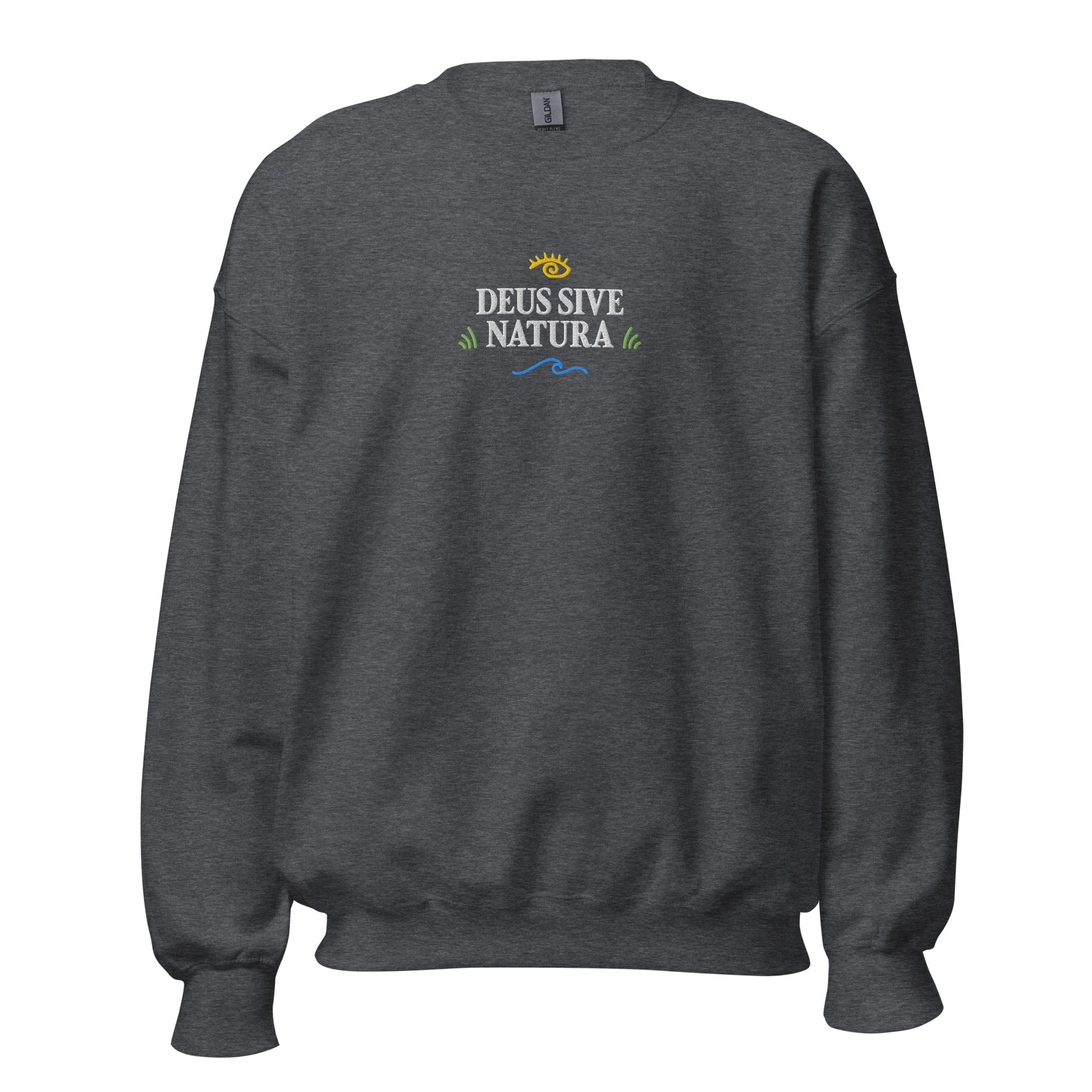
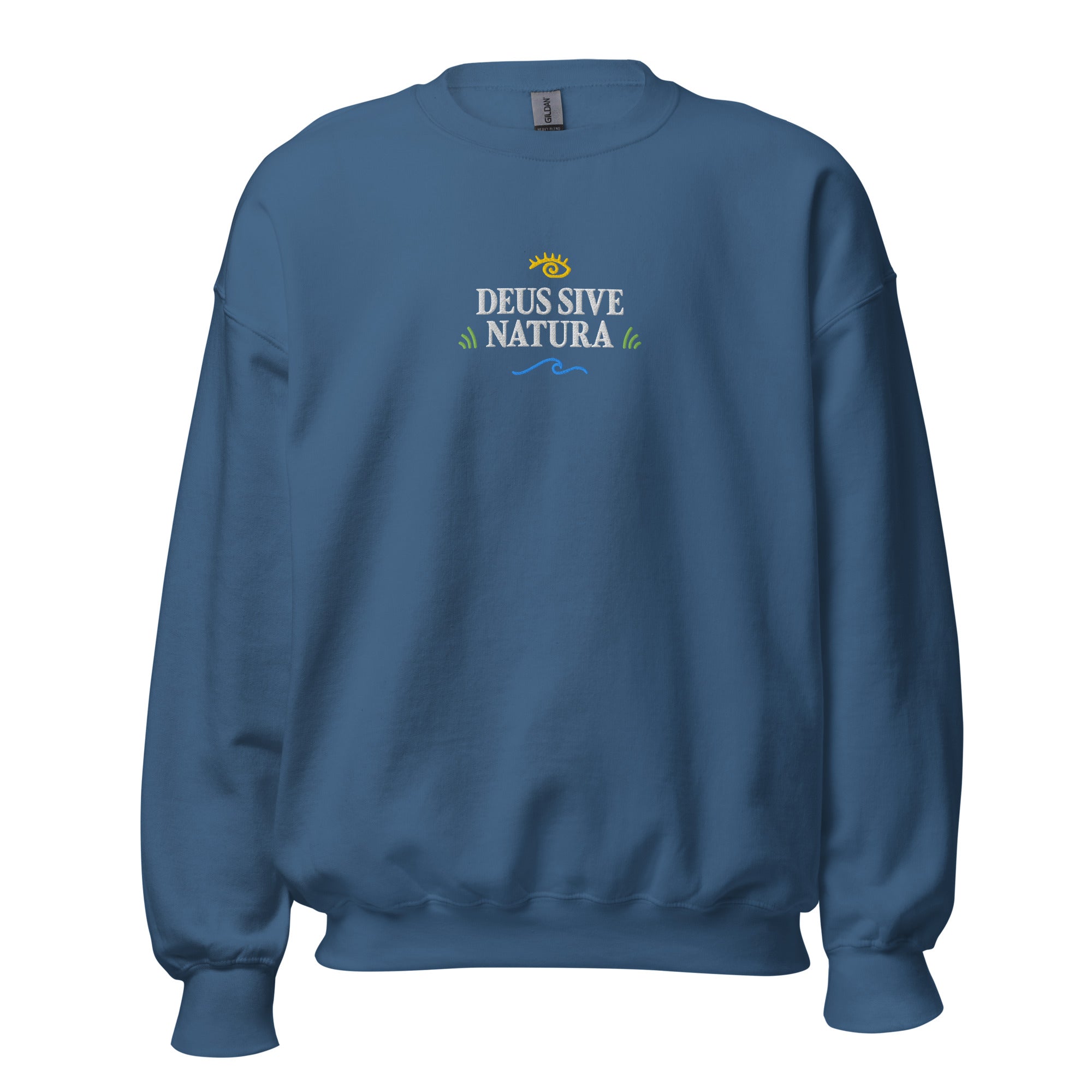
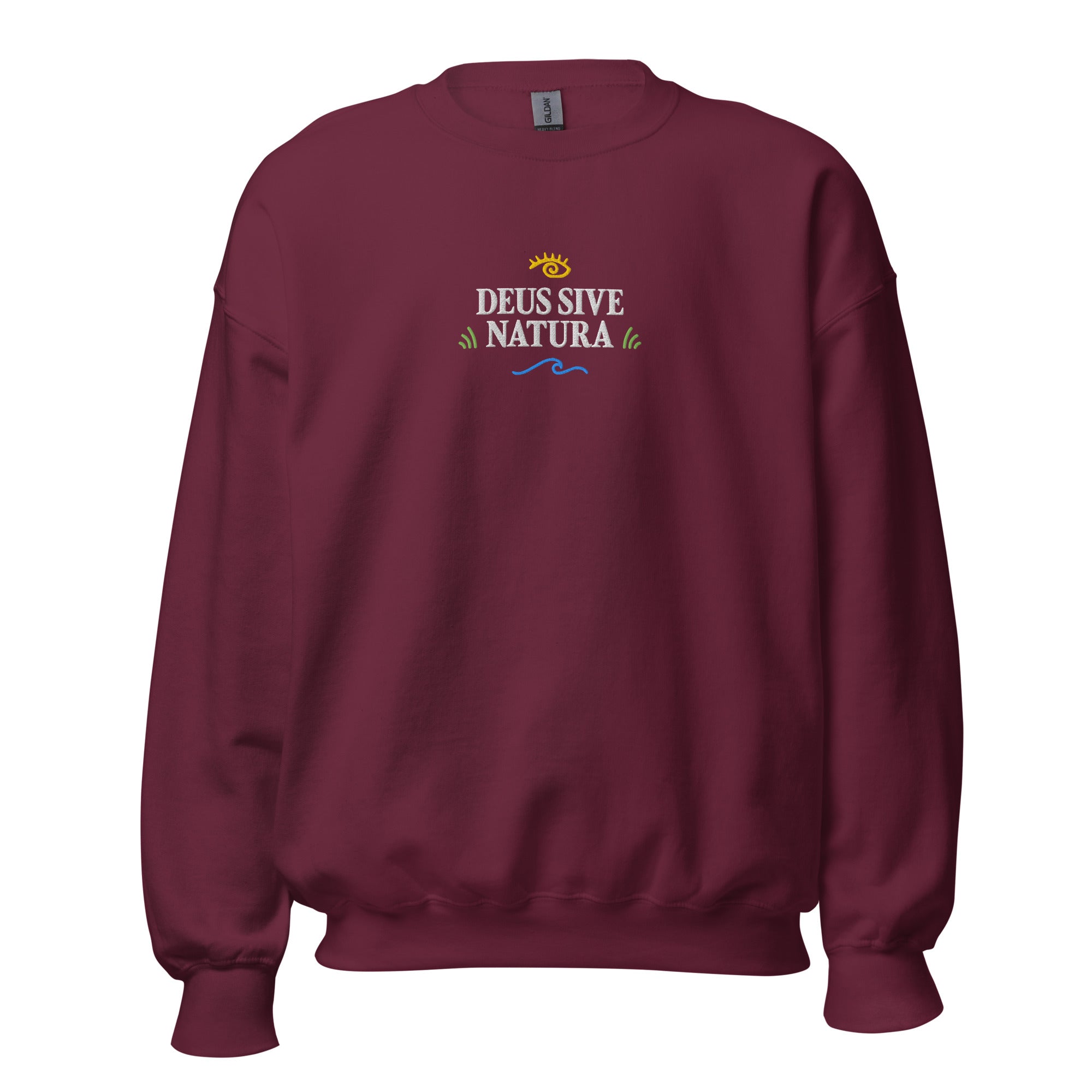
Spinoza’s three most famous Latin words, embroidered small on the chest, with a stylised eye above them and tufts of grass and a wave of water below. The symbols point to the idea itself – the divine is not watching from outside the world but is the sky, the land and the sea, one reality under two names.
What does deus sive natura mean?
It is Latin for God, or Nature. The or does not offer a choice between two things; it says they are one and the same. For Baruch Spinoza (1632–1677) there is only one infinite substance, which can be called God or Nature with equal right. Everything that exists – stones, people, thoughts – is a way in which this one substance expresses itself.
Where does Spinoza write deus sive natura?
In his Ethics, published in 1677 shortly after his death in the Opera Posthuma. The phrase appears in Part IV – in the preface, where he says the eternal and infinite being we call God or Nature acts with the same necessity by which it exists, and in the proof of Proposition 4. The Latin uses both seu and sive, which mean the same here.
Was Spinoza excommunicated for saying God or Nature?
No – the phrase came much later. Amsterdam’s Portuguese Jewish community issued a cherem against him on 27 July 1656, when he was 23, for unnamed abominable heresies and monstrous deeds. The Ethics was only written in the 1660s and 1670s. Historians assume his early views – no immortal soul, no personal God, the law not divine – were the reason. The ban was never lifted.
Was Spinoza a pantheist or an atheist?
Both labels have been used, which shows how radical he was. His God is identical with Nature, has no will or purposes and does not reward or punish – hence the charge of atheism in his lifetime. Later readers saw him as deeply religious; Novalis called him a God-intoxicated man. Many scholars today prefer pantheism or naturalism, and the German pantheism controversy of 1785 made him central to modern philosophy.
What did Einstein mean by believing in Spinoza’s God?
In 1929 a New York rabbi cabled Einstein asking whether he believed in God. He answered that he believed in Spinoza’s God, who reveals himself in the orderly harmony of what exists, not in a God who concerns himself with the fates and actions of human beings. He meant awe before the lawful order of nature, not a personal deity.
What is natura naturans and natura naturata?
Two sides of Spinoza’s one Nature, defined in the scholium to Ethics Part I, Proposition 29. Natura naturans, nature naturing, is substance as active and self-causing – God as cause. Natura naturata, nature natured, is everything that follows from it – the finite things and modes we meet in the world. It is one reality seen as producing and as produced.
Which Spinoza books should I read first?
The Ethics (1677) is the main work but hard going; read Part I slowly, then jump to Parts IV and V on emotions and freedom. The Theological-Political Treatise (1670), published anonymously, is more accessible and argues for freedom of thought. Steven Nadler’s Spinoza – A Life (1999) is the standard biography in English.
Who is the Deus Sive Natura design a good gift for?
For philosophy students, nature lovers who distrust easy answers, and anyone who prefers quiet references to loud slogans. The design is embroidered and available as a classic T-shirt, premium hoodie, sweatshirt, cap and beanie, so it suits everyone from the seminar room to the hiking trail.