No tariffs. Ever. We ship locally from the US, Canada, the UK, or the EU + Free shipping over $80 / 70€ / £60 (equivalent in all other currencies).
Search our site

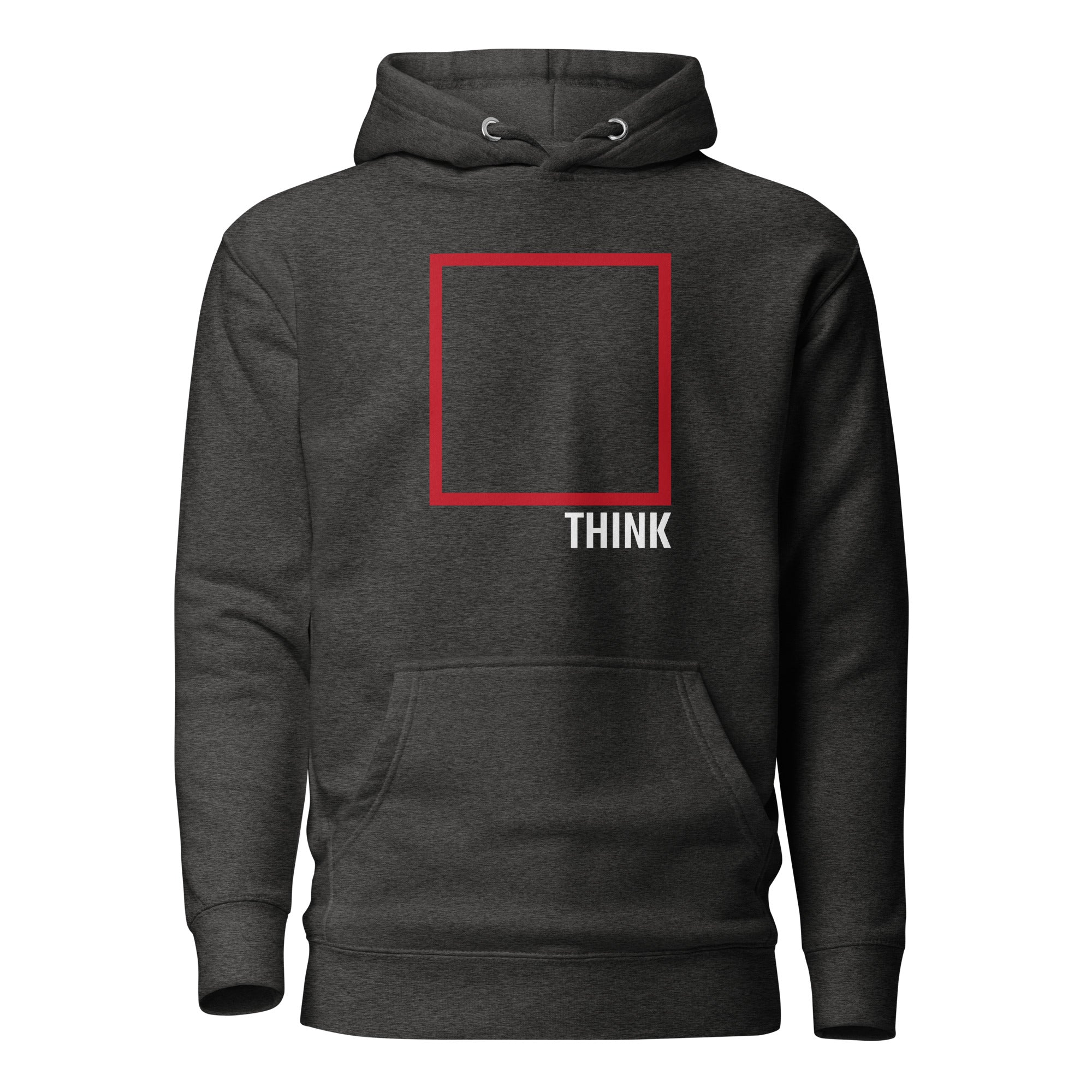
Think Outside The Box

A phrase flattened by decades of corporate away-days, rescued here by taking it completely literally. The box is right there. So is the outside.

Simple enough for a boardroom, sharp enough for a seminar room. The whole range here, from apparel through to accessories, all printed to order. A minimalist gift for creative thinkers. The box was never compulsory.
Questions about this design

What does the Think Outside The Box design show?
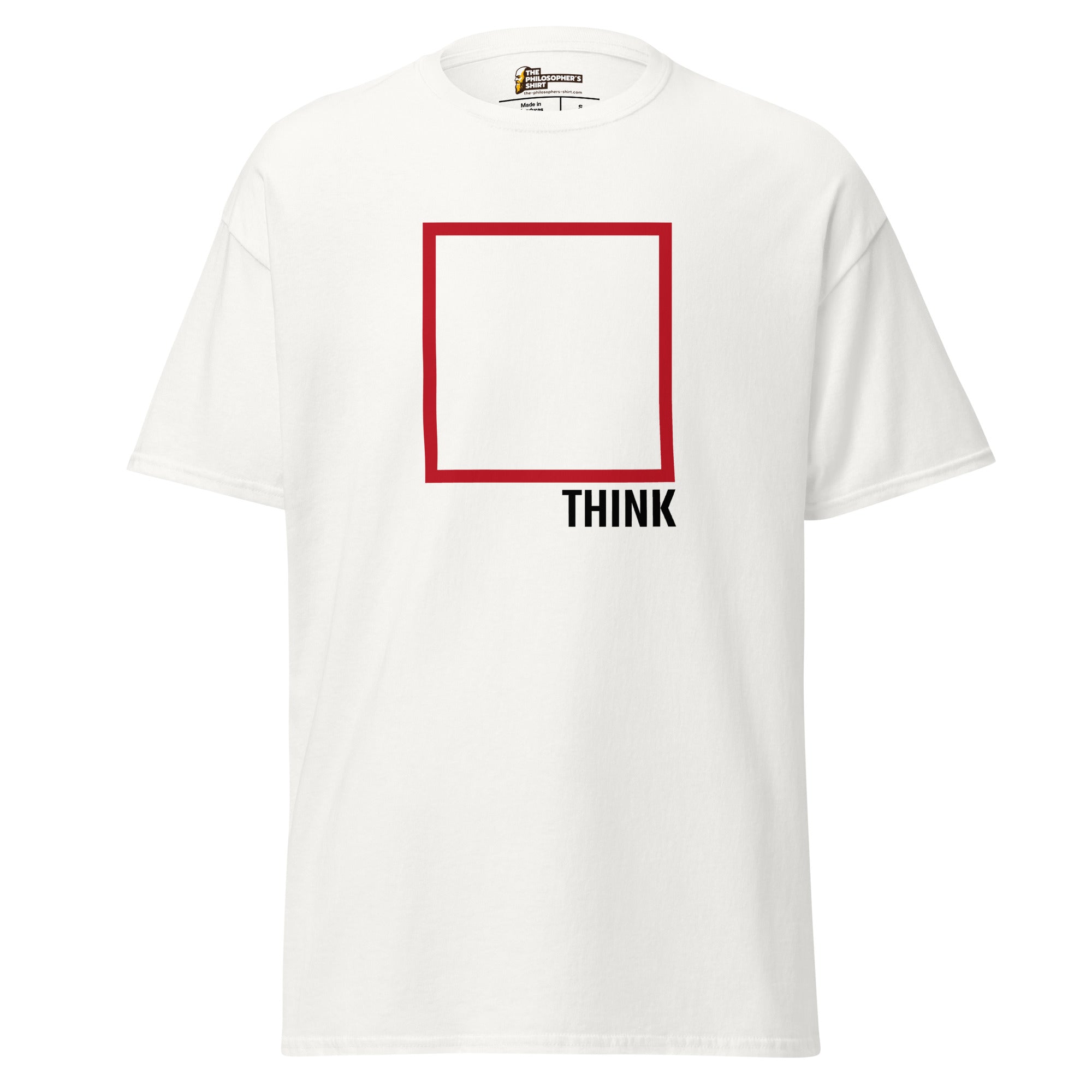
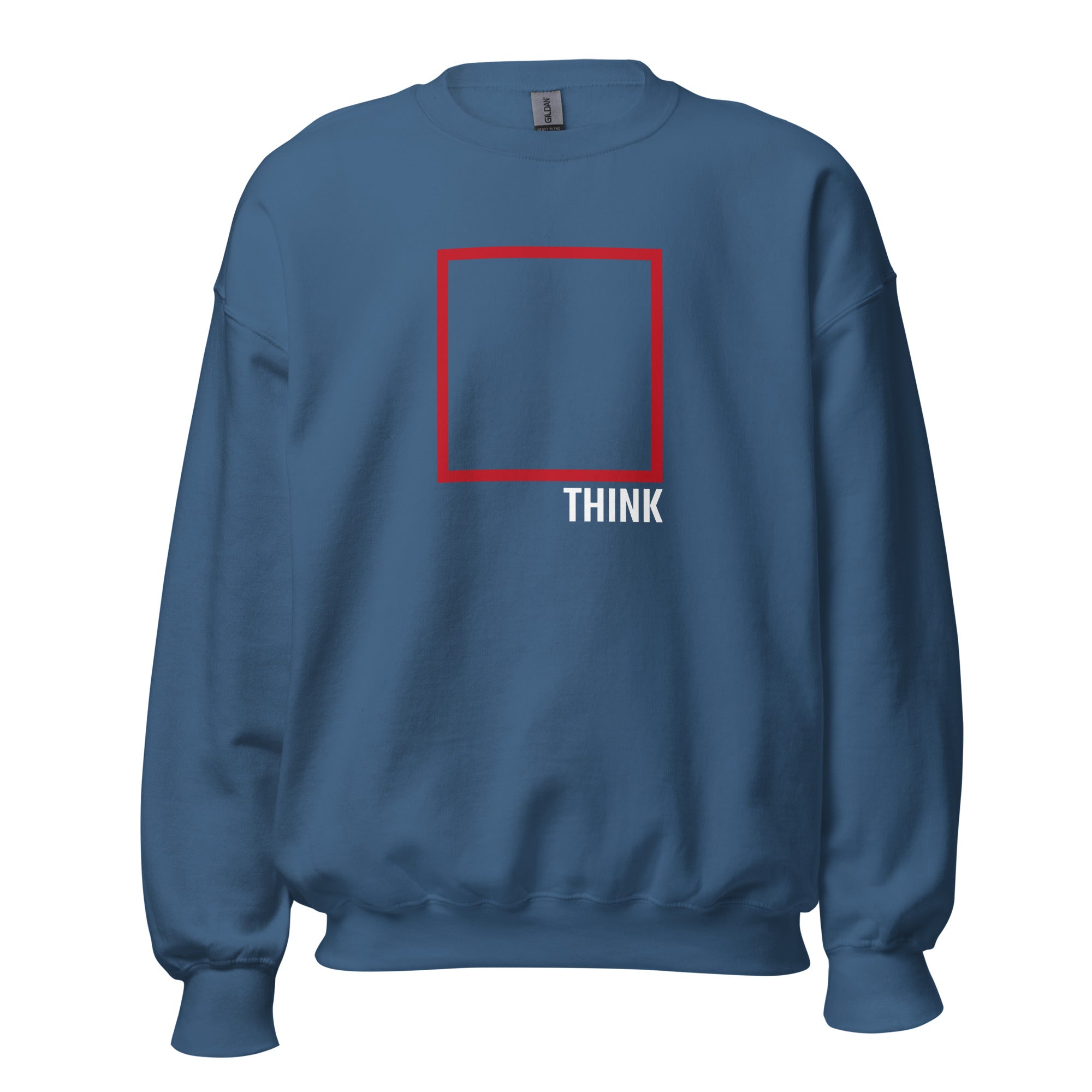
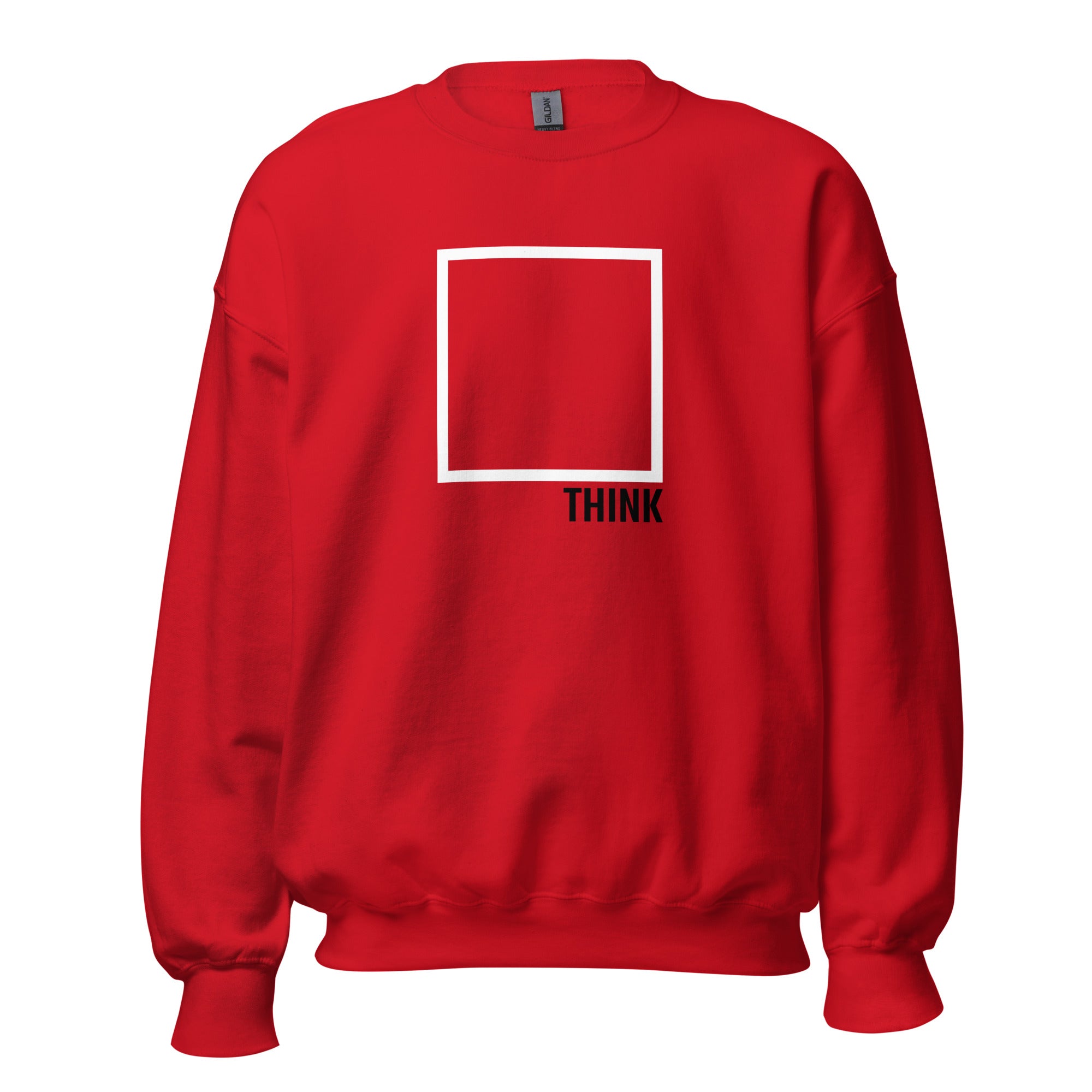
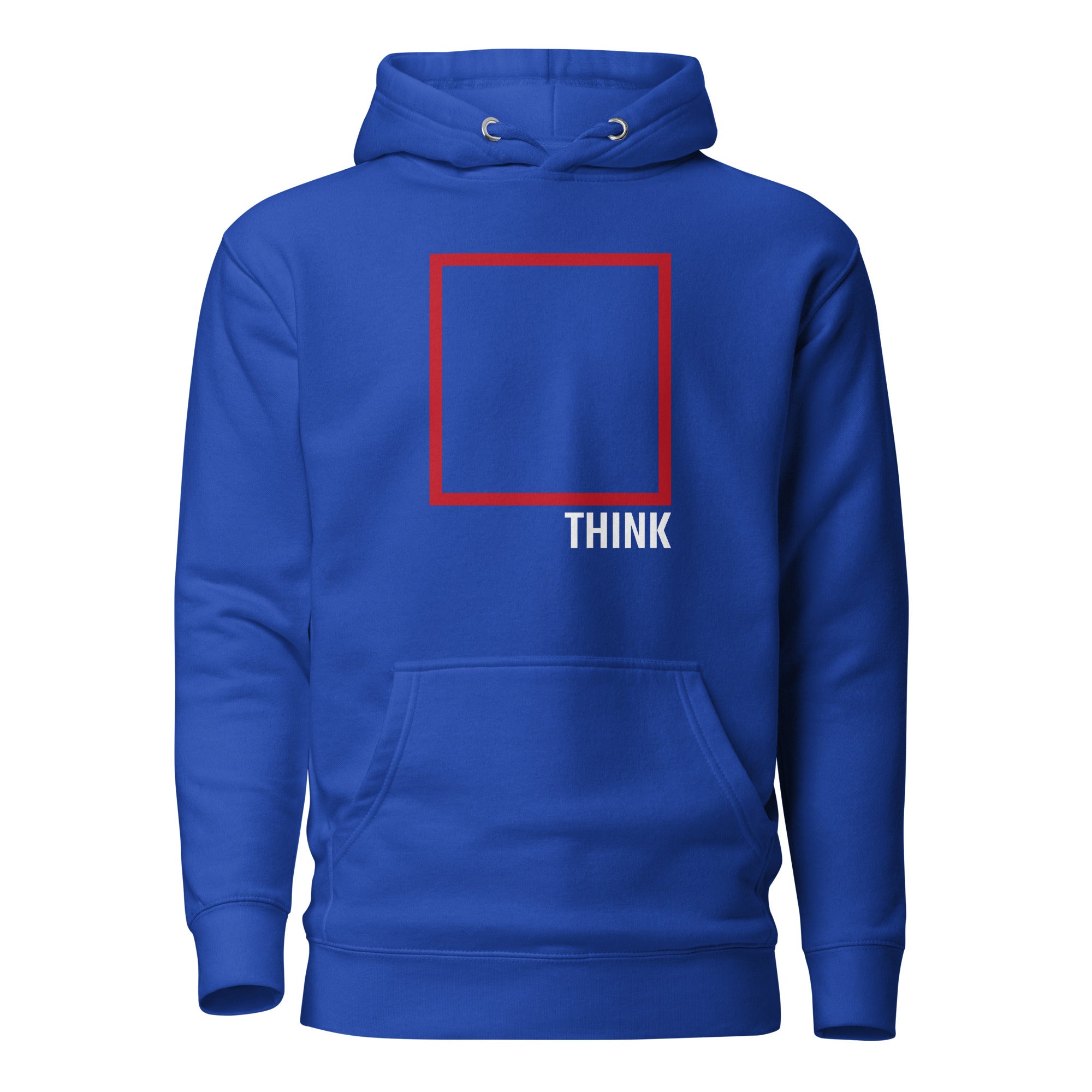
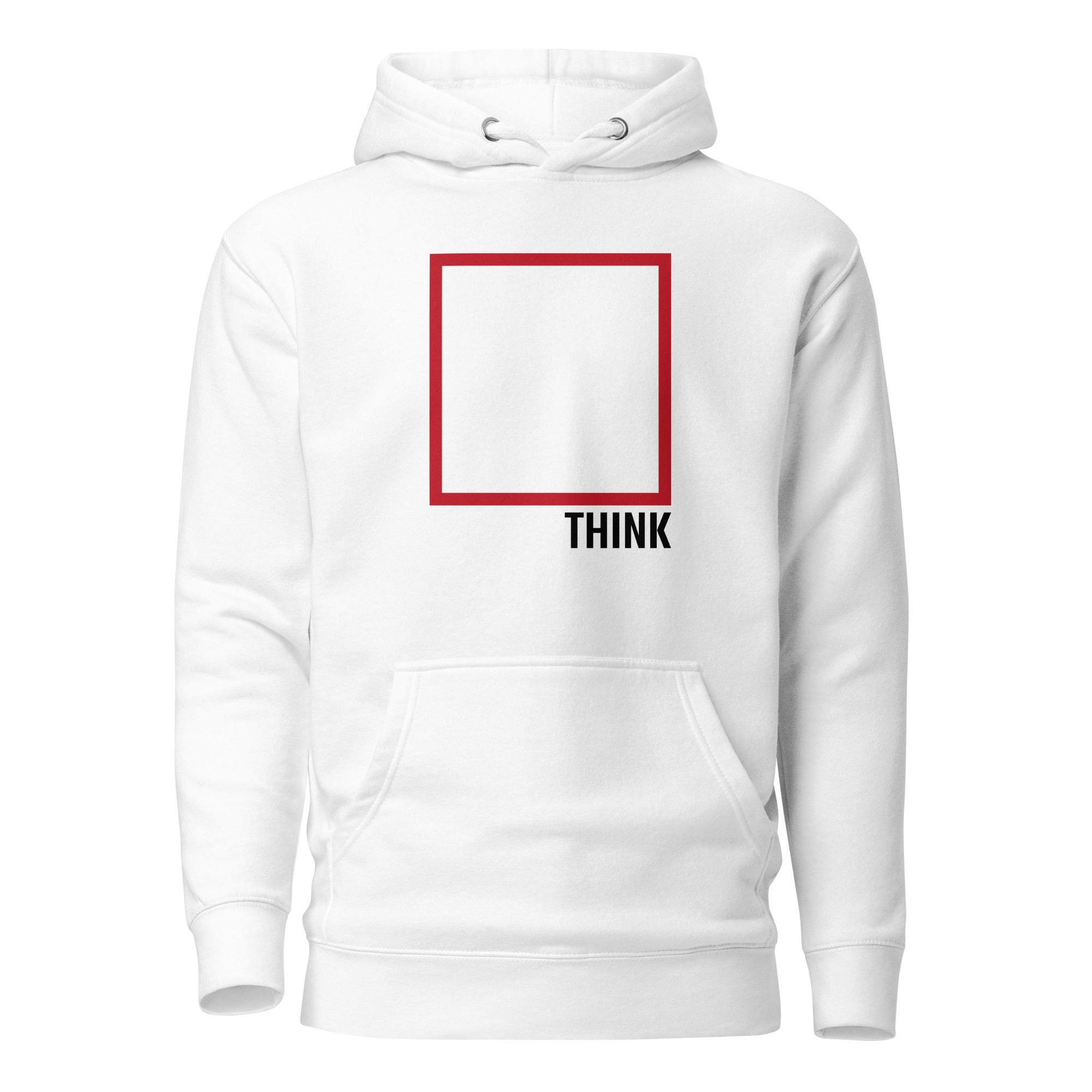
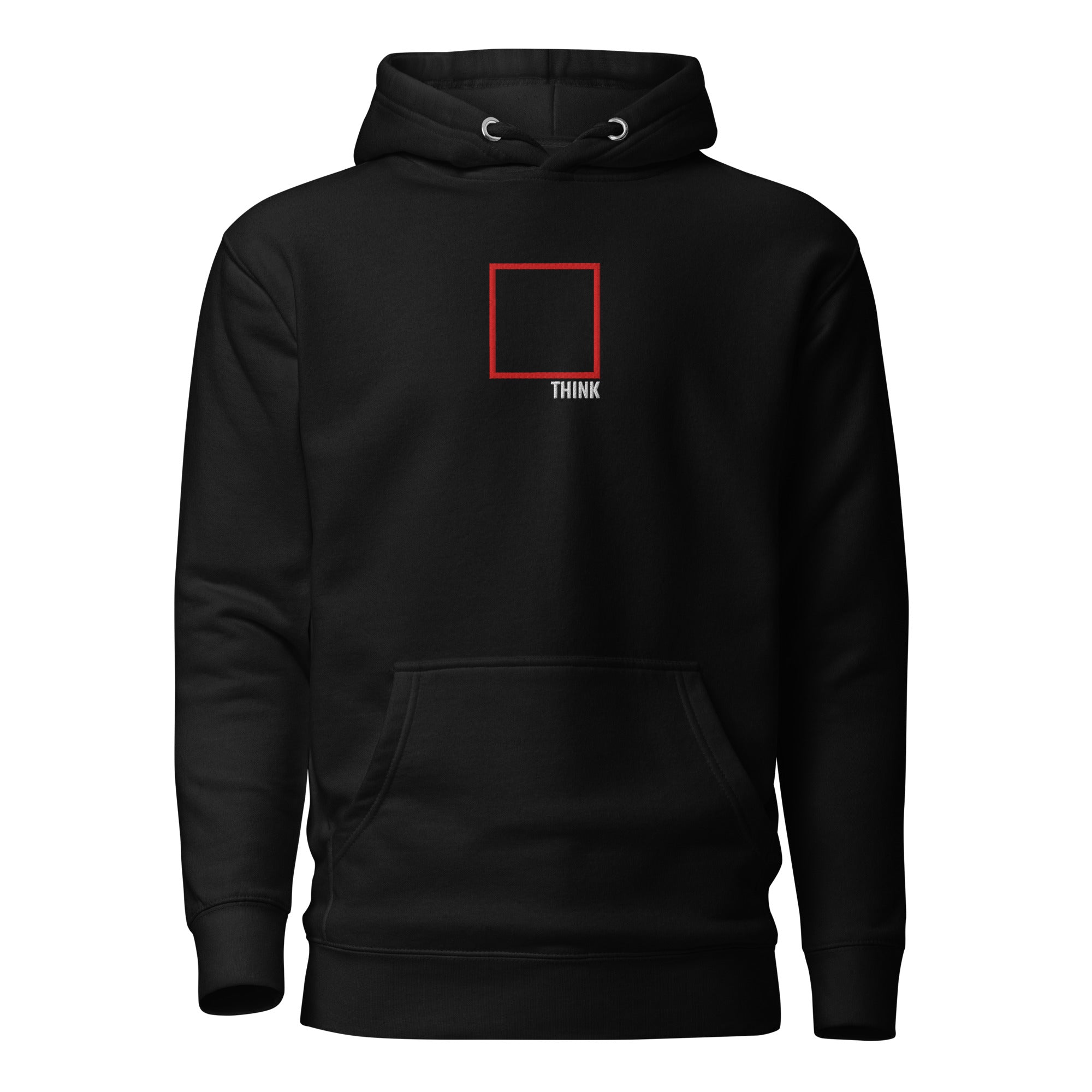
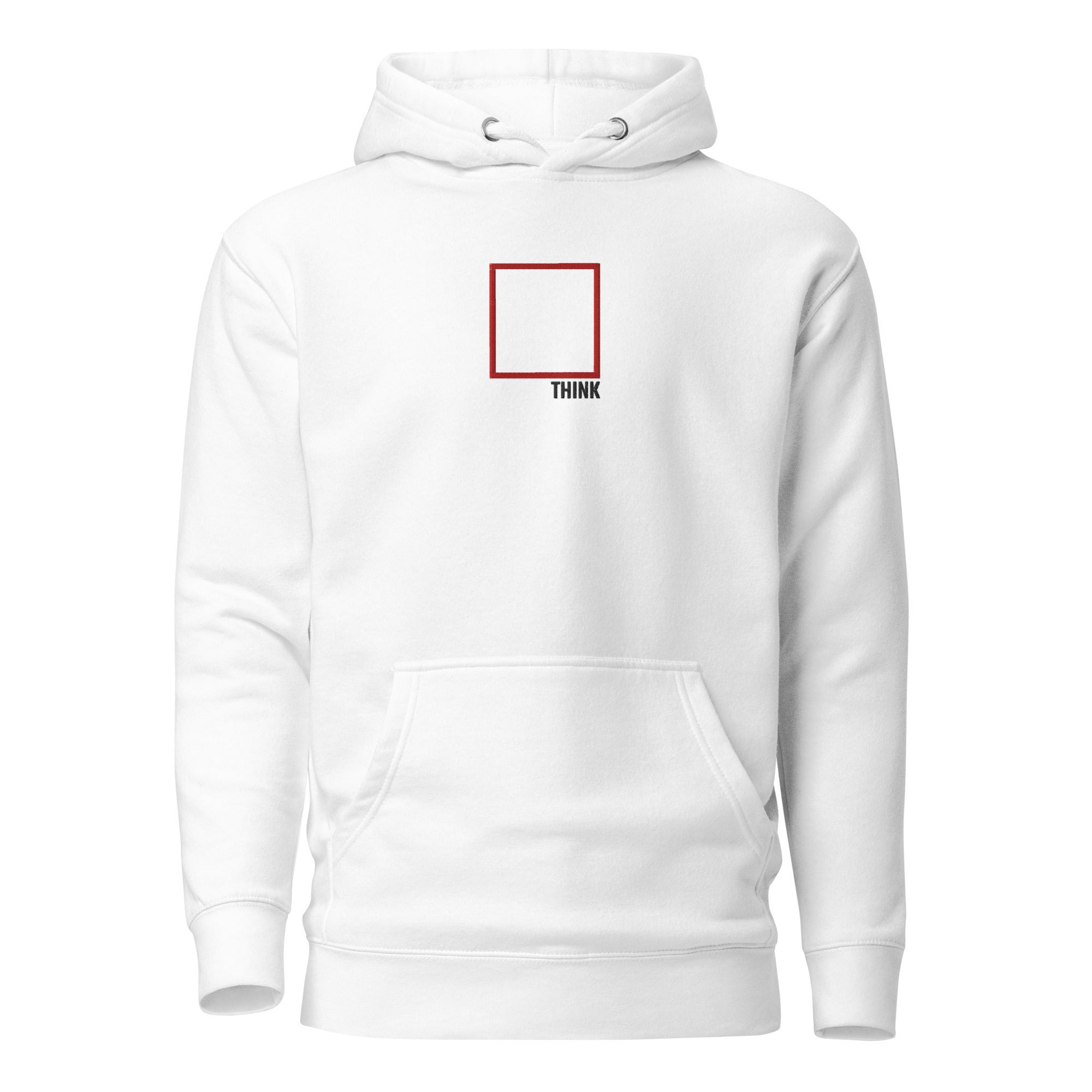
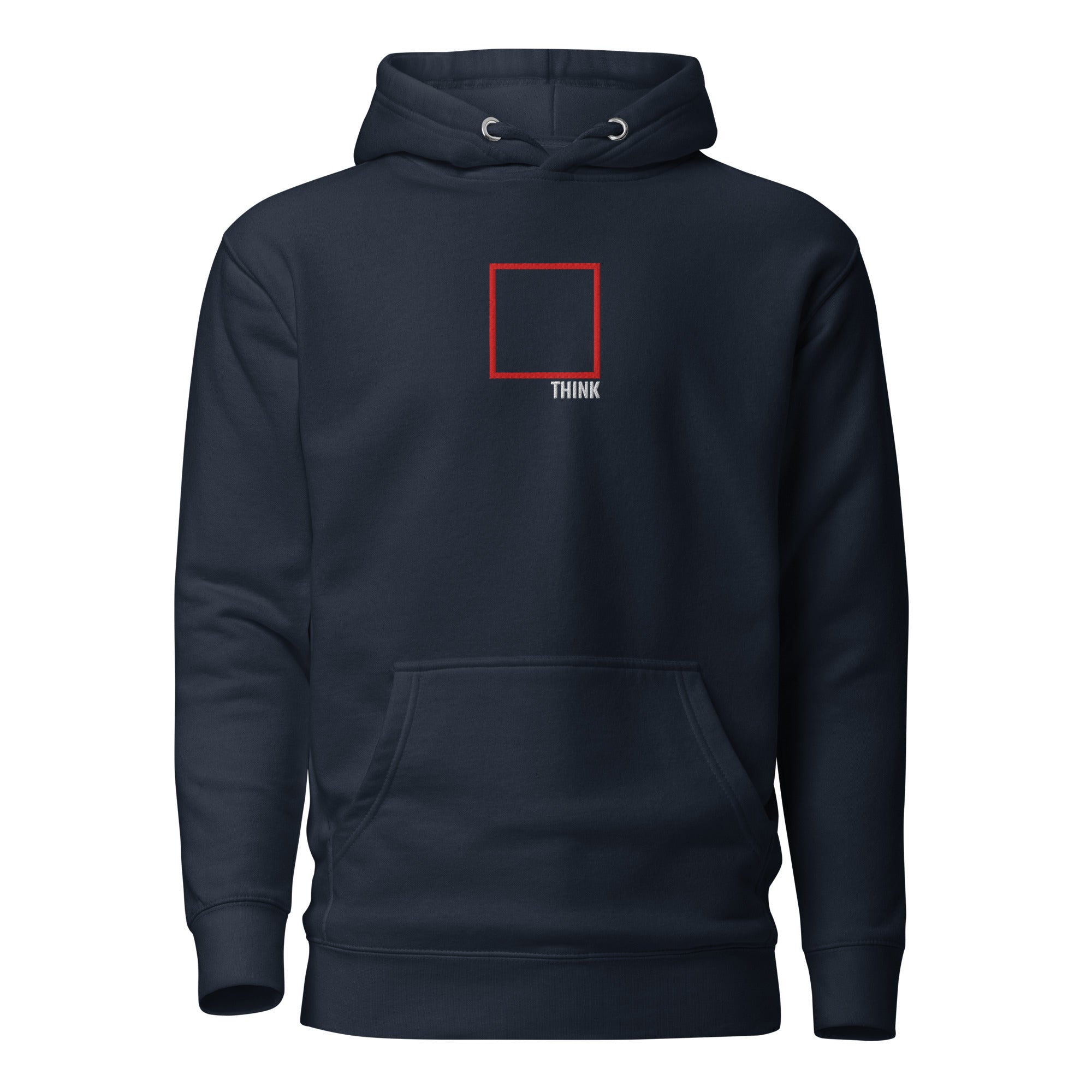
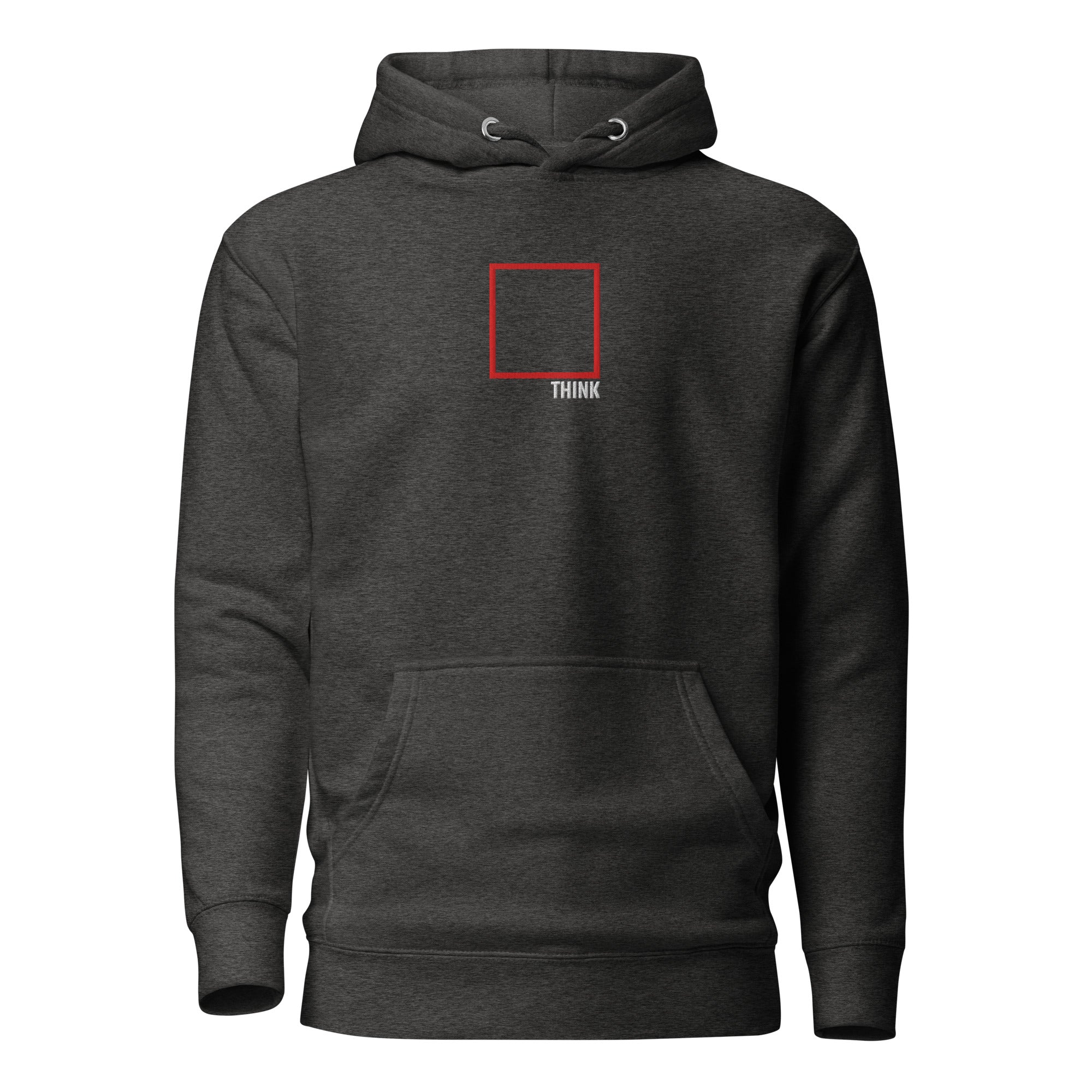
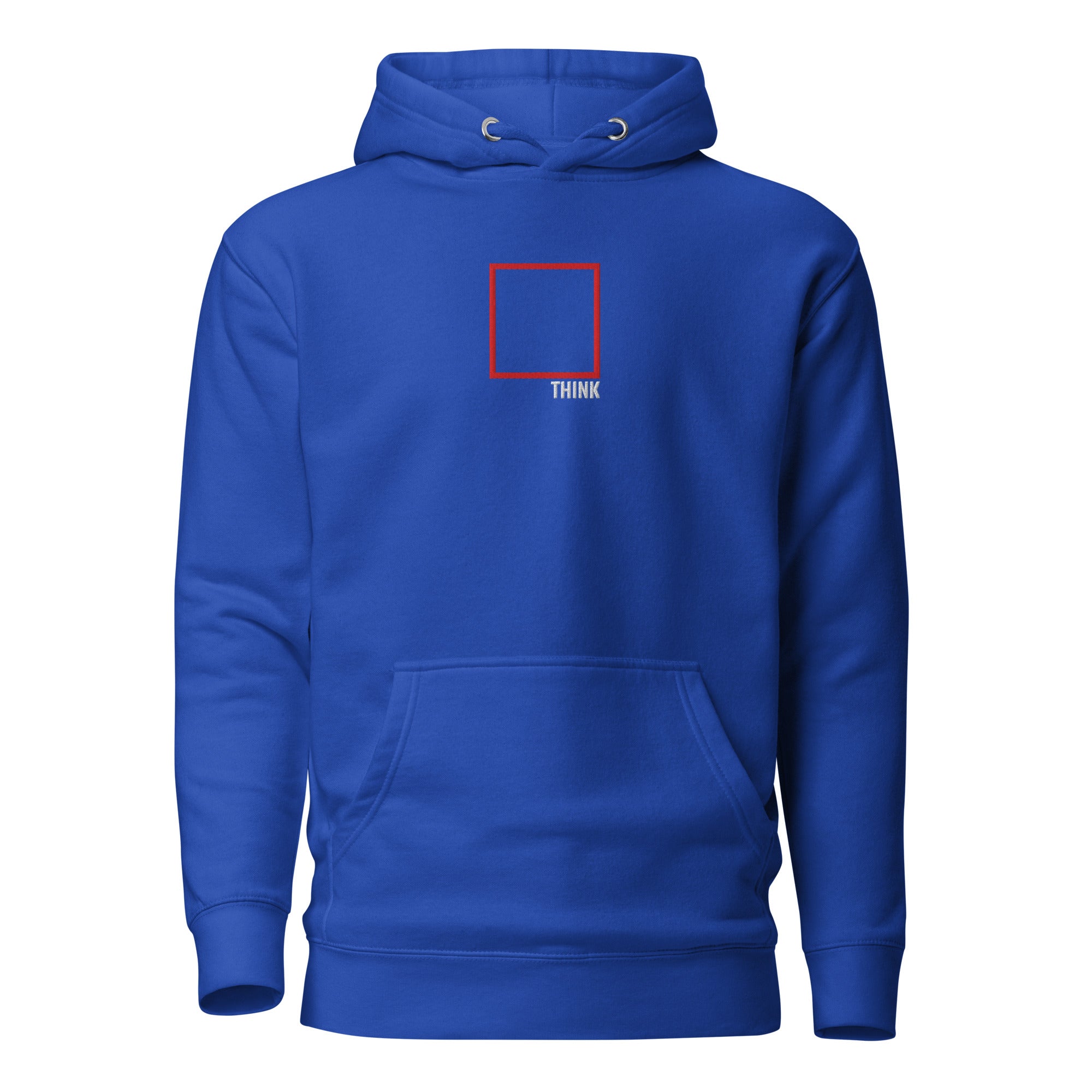
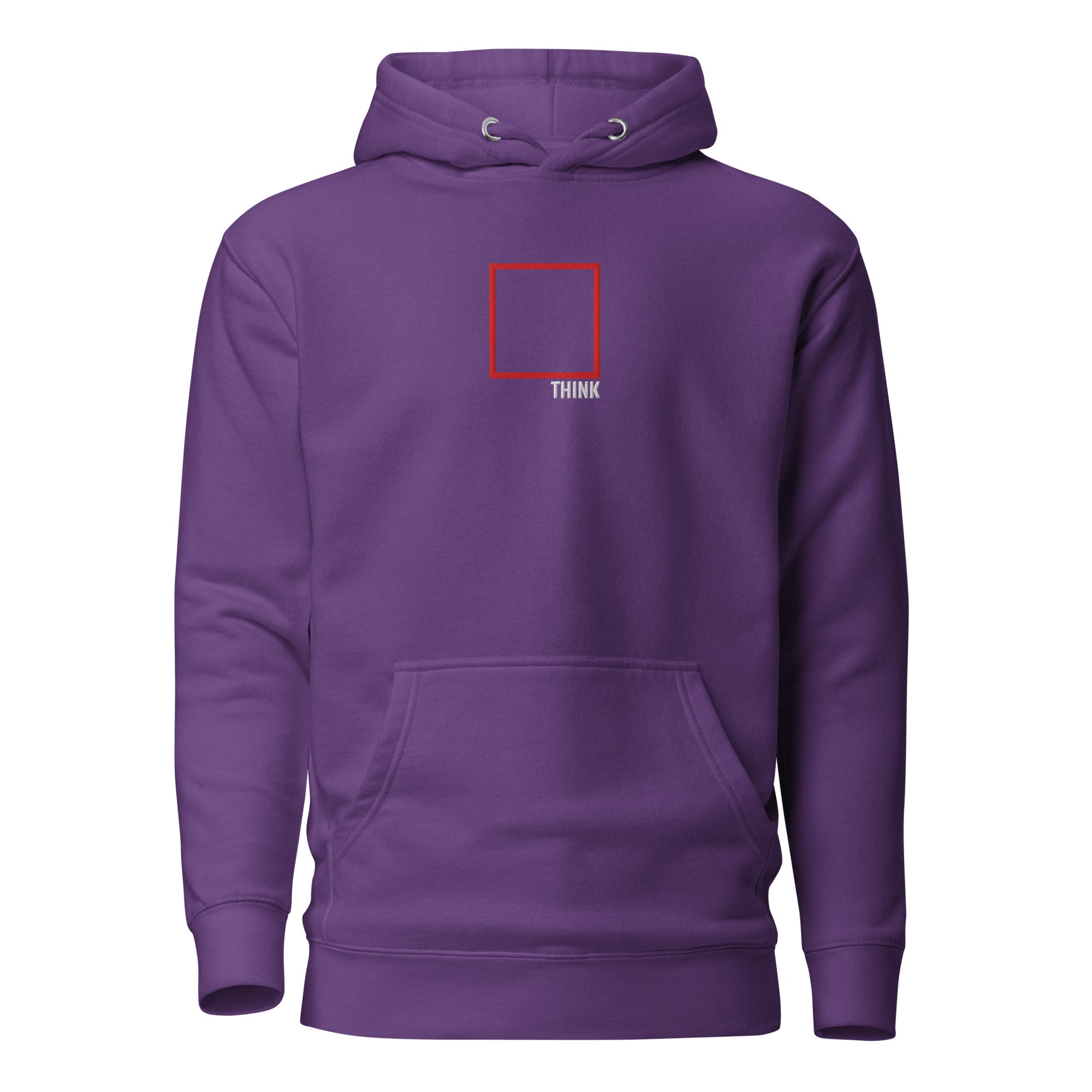
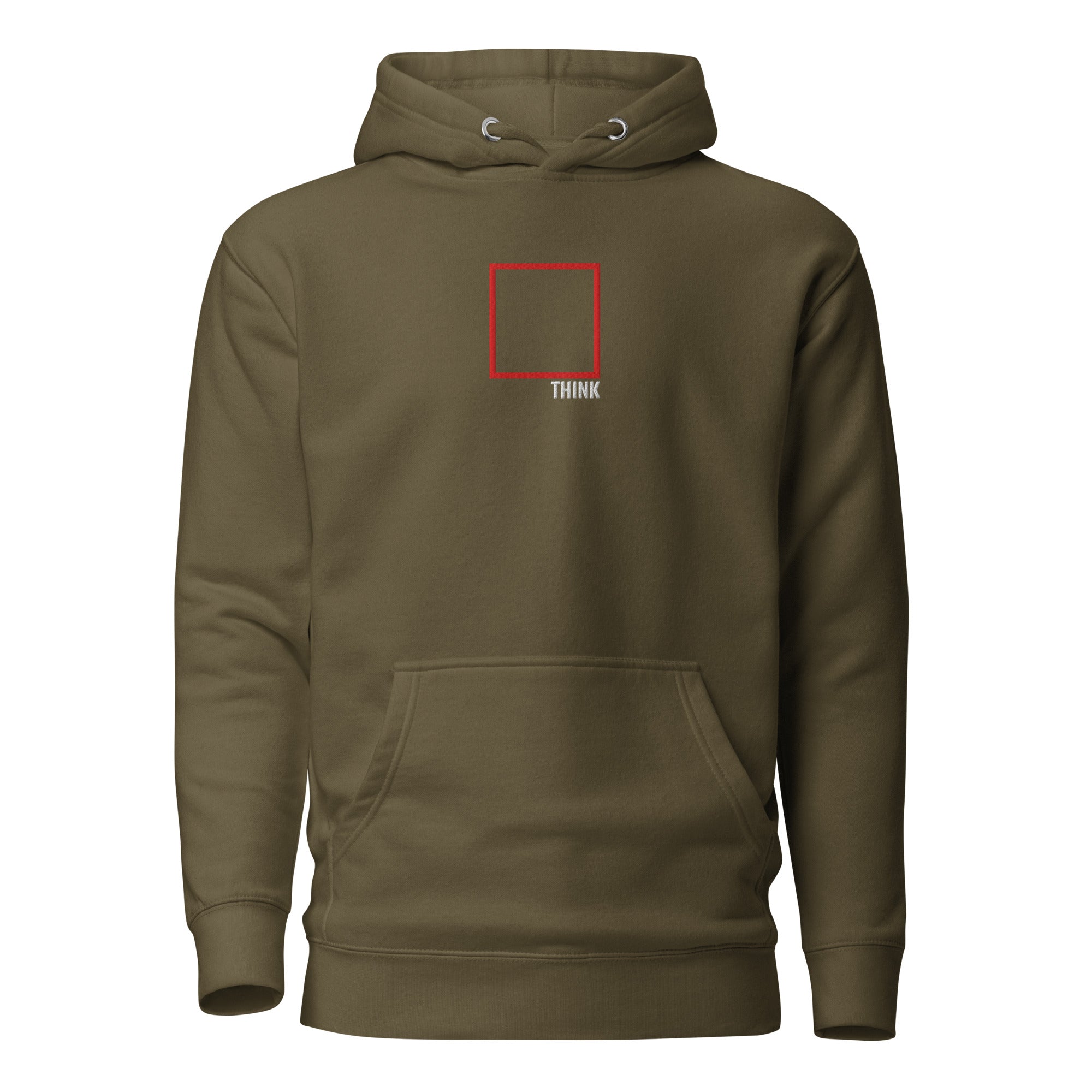
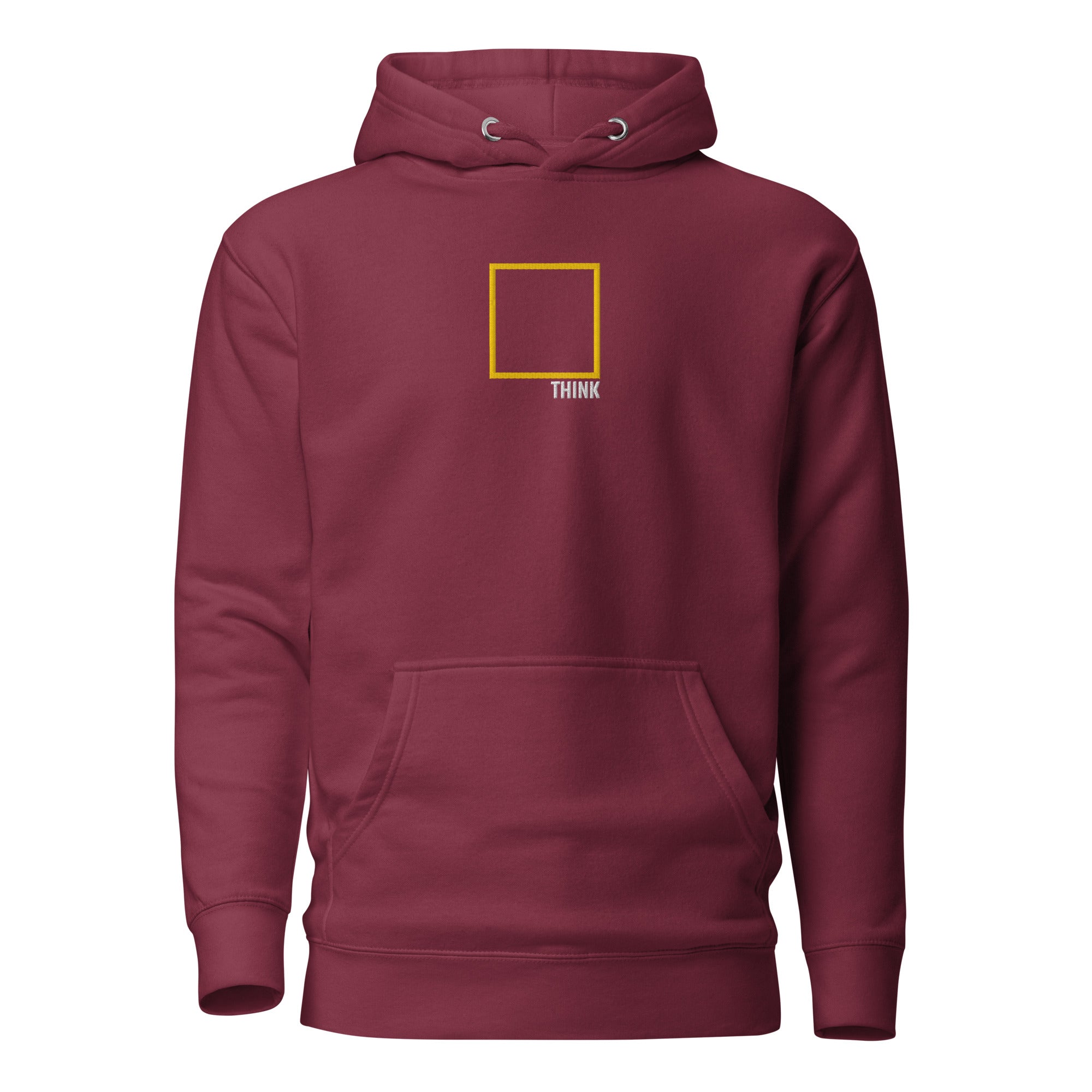
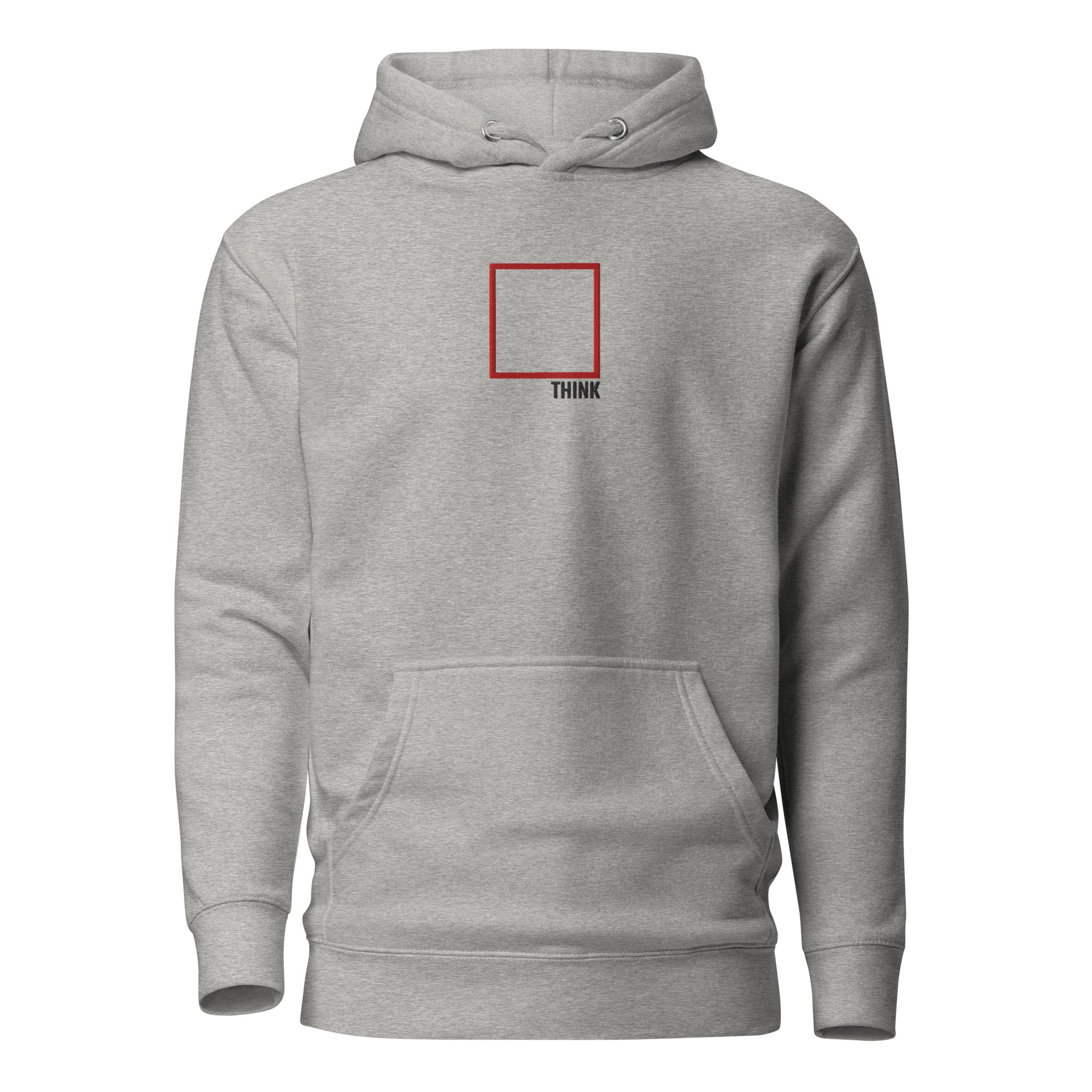
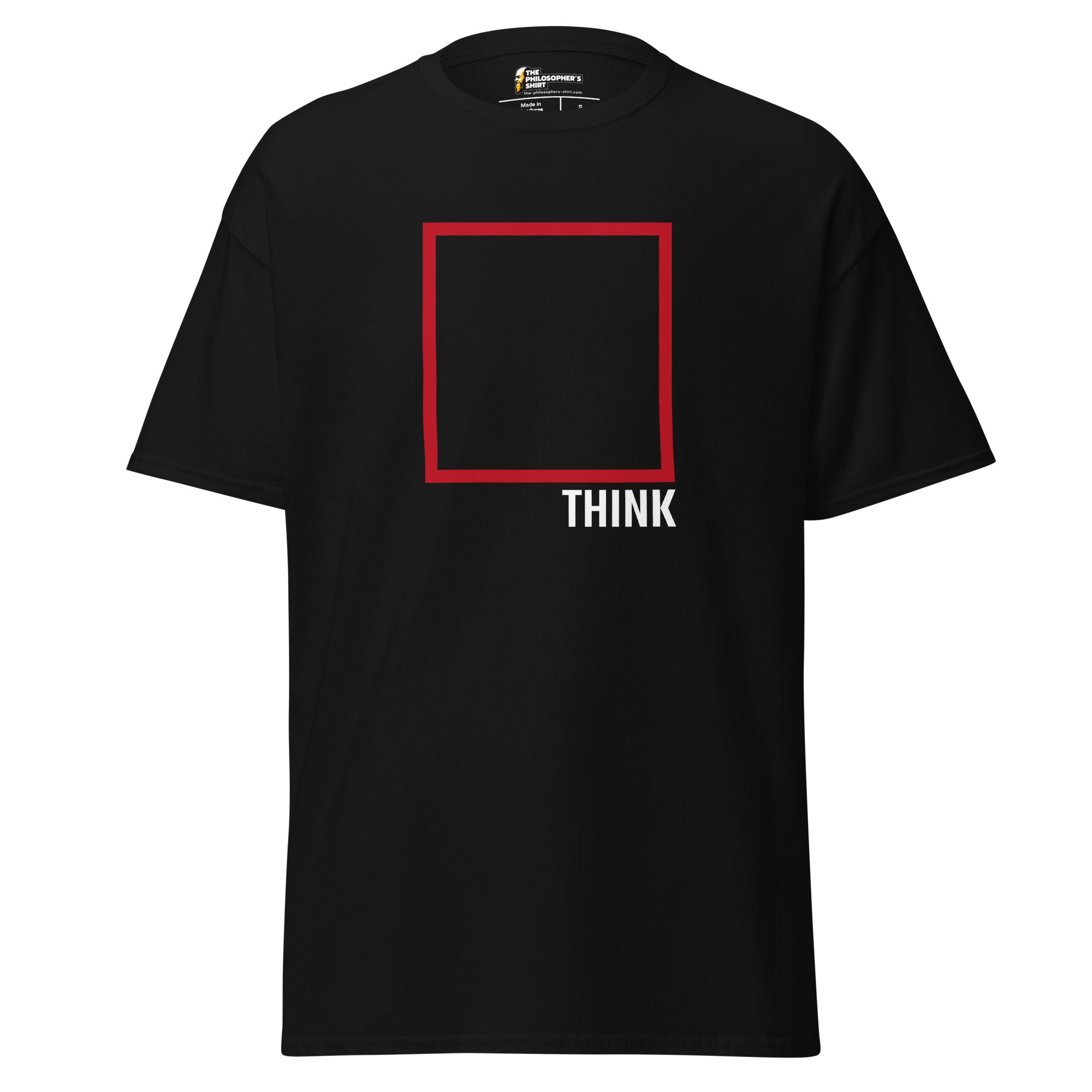
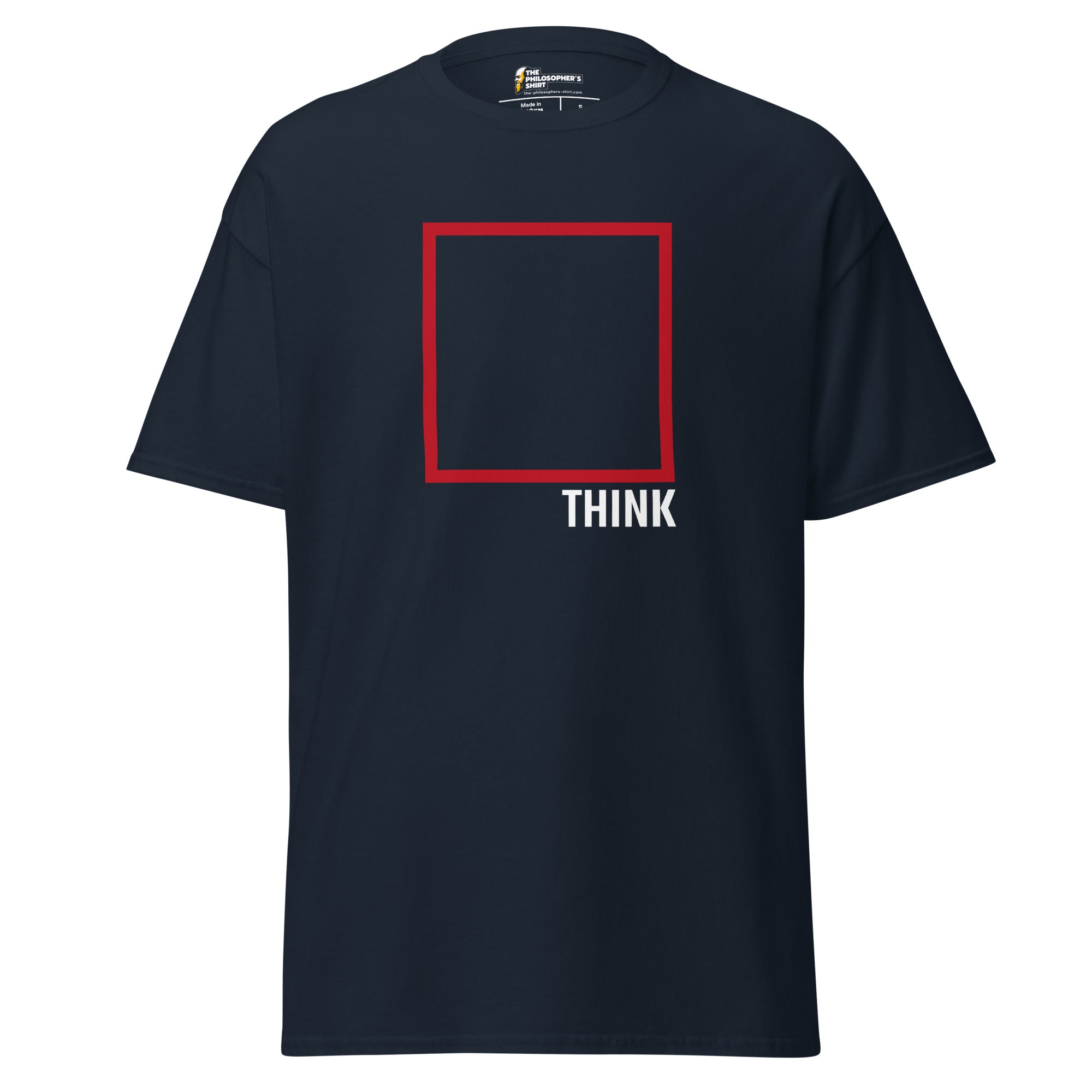
A plain red square outline – the box – with the word THINK set just outside it. The idiom is taken completely literally, which is the joke and also the point – the most original thing you can do with a cliché is to obey it to the letter. Minimal, graphic and readable from across the room, it is available printed or embroidered.
What does think outside the box mean?
To think outside the box means to approach a problem from an unusual angle instead of following the obvious, conventional route. The box stands for the unspoken assumptions and limits we take for granted without noticing them. Often the decisive step is not more effort inside the frame but asking whether the frame itself is necessary.
Where does the phrase think outside the box come from?
It is usually traced to the nine dots puzzle – connect nine dots arranged in a 3 x 3 square with four straight lines without lifting your pen. The puzzle appeared in print in 1907, in a published interview with the puzzle maker Sam Loyd and in a puzzle book by Cyril Pearson. It can only be solved by drawing lines beyond the square, and management consultants of the 1970s and 1980s turned that solution into a slogan.
How do you solve the nine dots puzzle?
Draw the first line along the top row and one step beyond the square. From that point come back diagonally through the right dot of the middle row and the middle dot of the bottom row, again one step beyond the square. Then go straight up the left column to where you started, and finish with the diagonal through the centre to the opposite corner. Three of the four lines leave the imaginary boundary – most people fail at first because they silently assume they must stay inside it.
What is lateral thinking?
Lateral thinking is a term coined by the Maltese physician and writer Edward de Bono in The Use of Lateral Thinking (1967). He contrasted it with vertical thinking, which digs deeper along an established line of logic; lateral thinking deliberately shifts perspective, challenges assumptions and provokes new patterns. It is essentially a method for getting outside the box.
What is a paradigm shift?
The term comes from the philosopher of science Thomas Kuhn, The Structure of Scientific Revolutions (1962). A paradigm is the shared framework of assumptions, methods and examples within which scientists work. When anomalies pile up, a revolution can replace it with a new one – as when Copernicus put the sun rather than the earth at the centre. In Kuhn's terms, the box itself gets replaced.
What did Wittgenstein mean by showing the fly the way out of the fly-bottle?
In the Philosophical Investigations (§309) Wittgenstein asks what his aim in philosophy is and answers – to show the fly the way out of the fly-bottle. A fly trapped in a bottle keeps buzzing against the glass, although the way out is the open neck it came in through. For Wittgenstein many philosophical problems are traps of that kind, created by language; the solution is not more force but seeing the way out.
Is the Think Outside The Box shirt a good gift?
Yes – it suits designers, engineers, founders, teachers and anyone who sits in brainstorming meetings, as well as philosophy fans who like a literal joke. The design comes printed on a classic unisex T-shirt, a women's T-shirt, a sweatshirt and a premium hoodie, and embroidered on a classic T-shirt, a sweatshirt and a premium hoodie for a more refined look.