No tariffs. Ever. We ship locally from the US, Canada, the UK, or the EU + Free shipping over $80 / 70€ / £60 (equivalent in all other currencies).
Search our site

ProcrastiNATION

Population: everyone with a deadline. National motto: tomorrow, definitely. The founding documents remain unfinished and always will.

Bought most often by people who have been meaning to buy it for weeks. Everything in one place: tees, sweatshirts, hoodies and mugs, made to order. A funny philosophy gift for students. Citizenship is automatic. Paperwork can wait.
Questions about this design

What does the ProcrastiNATION design show?
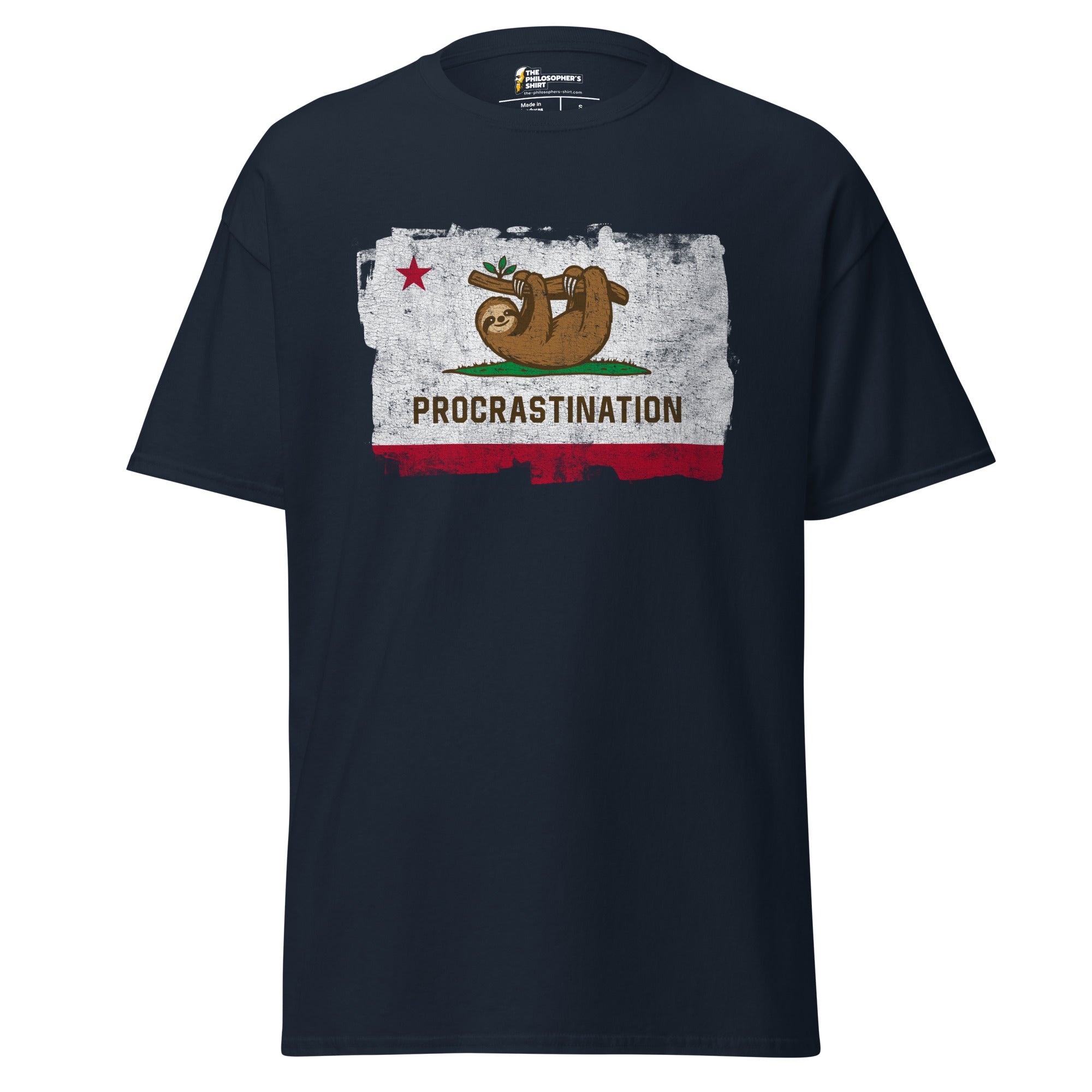
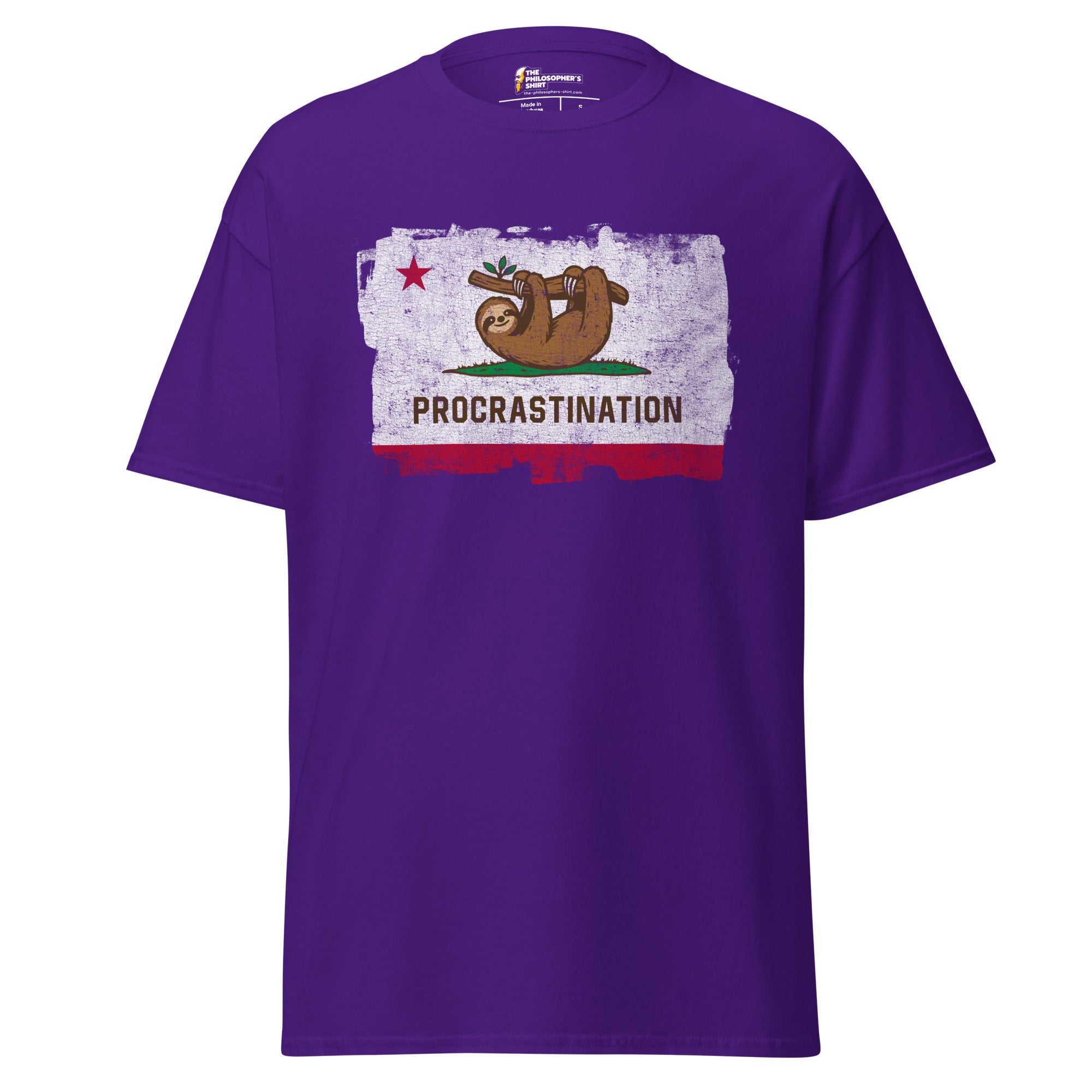
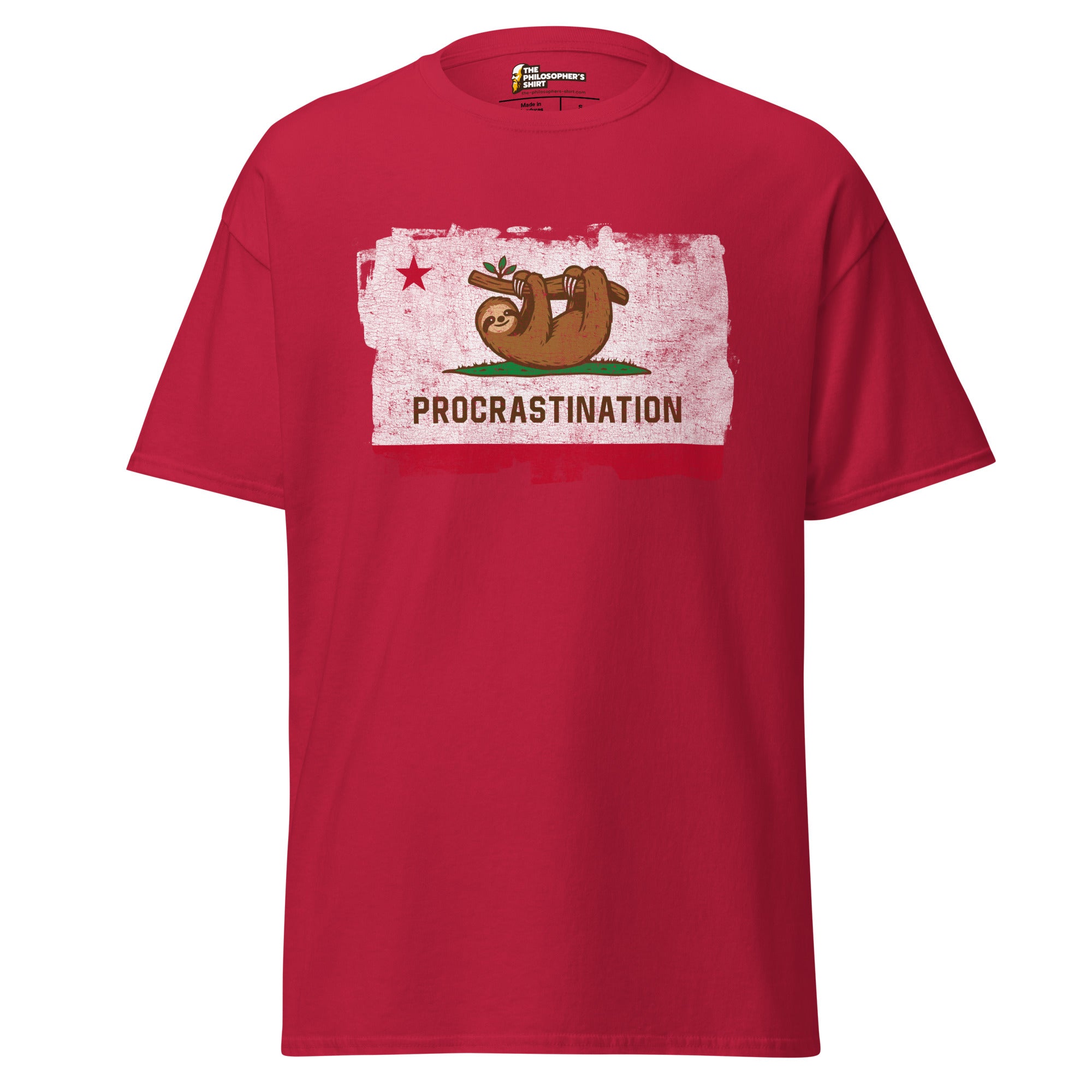
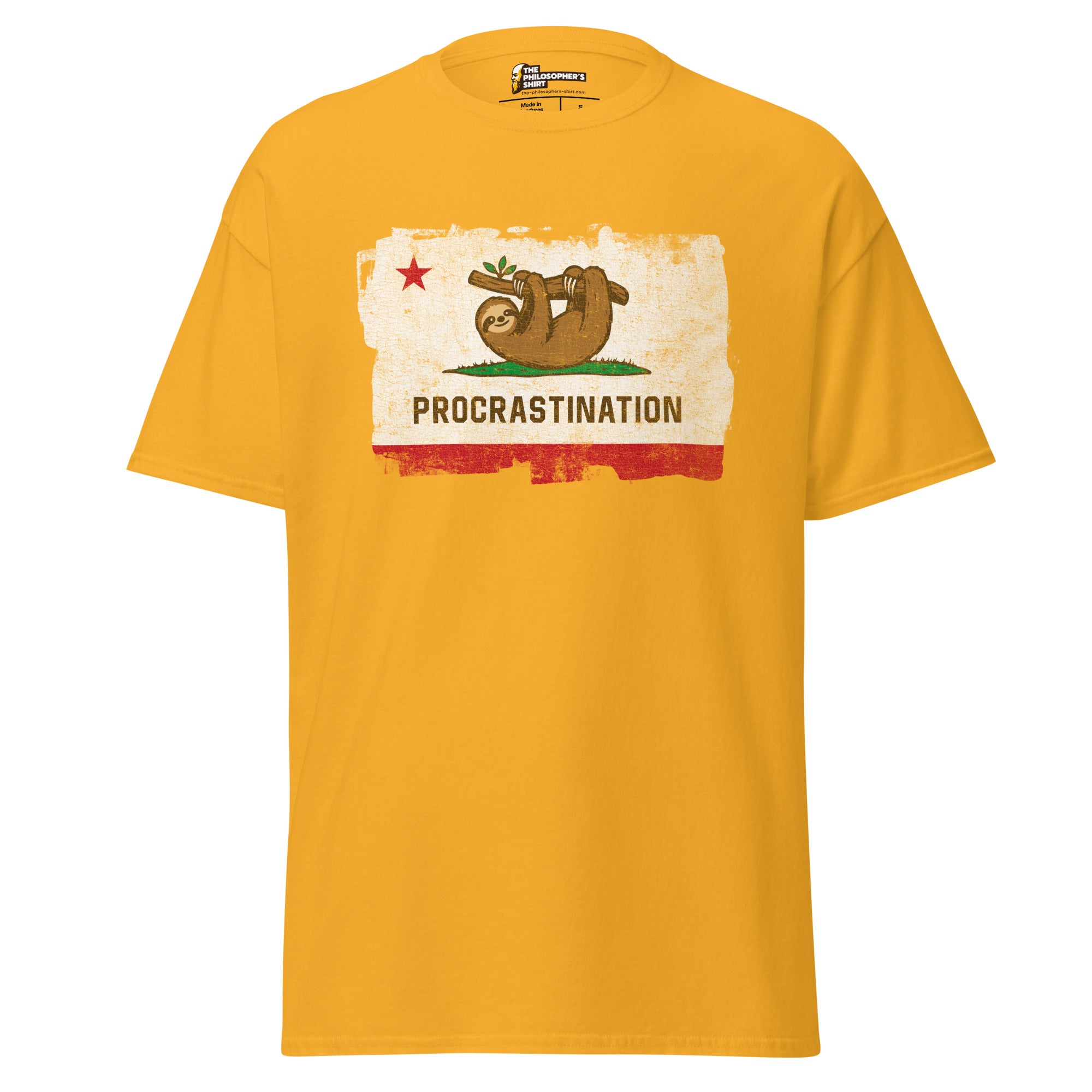
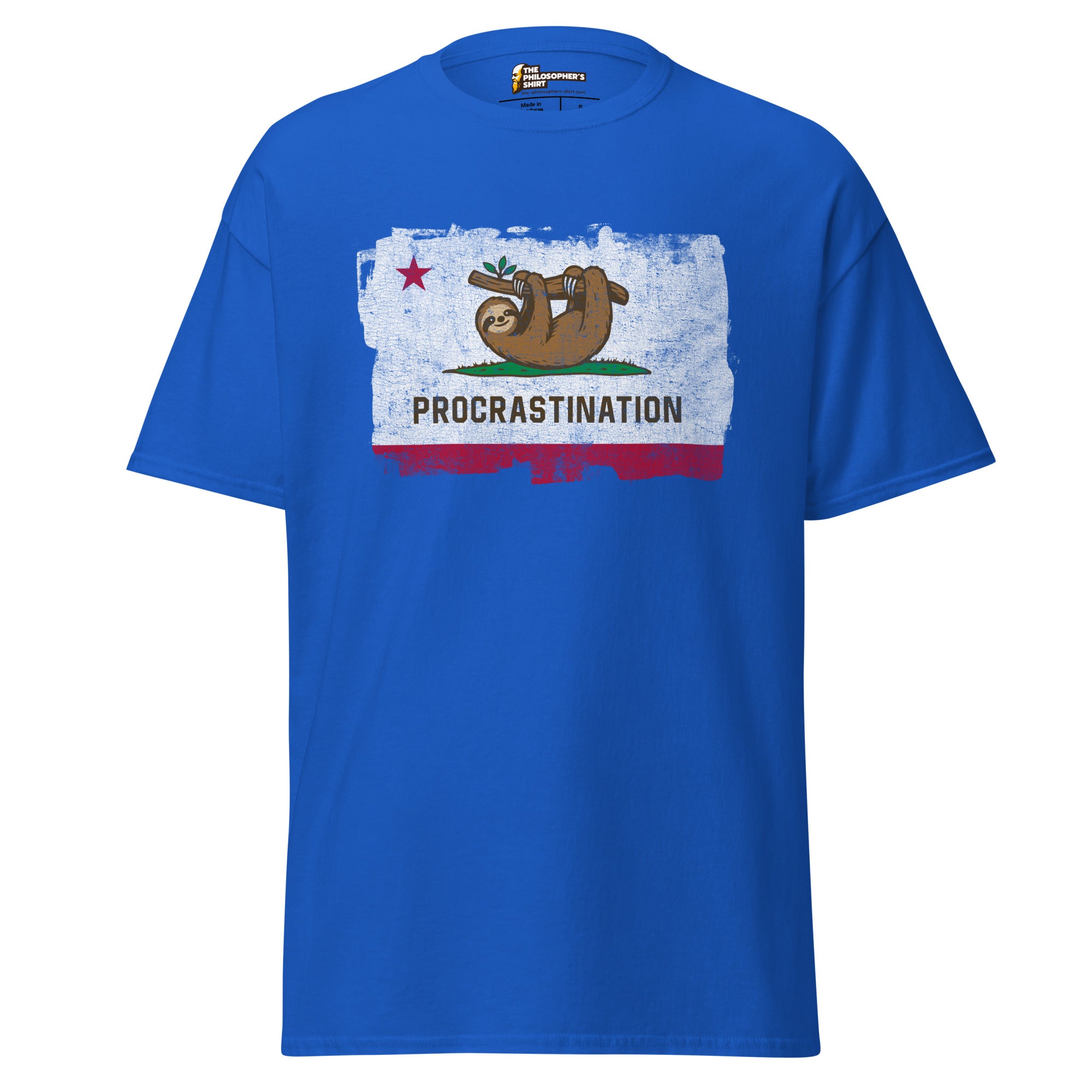
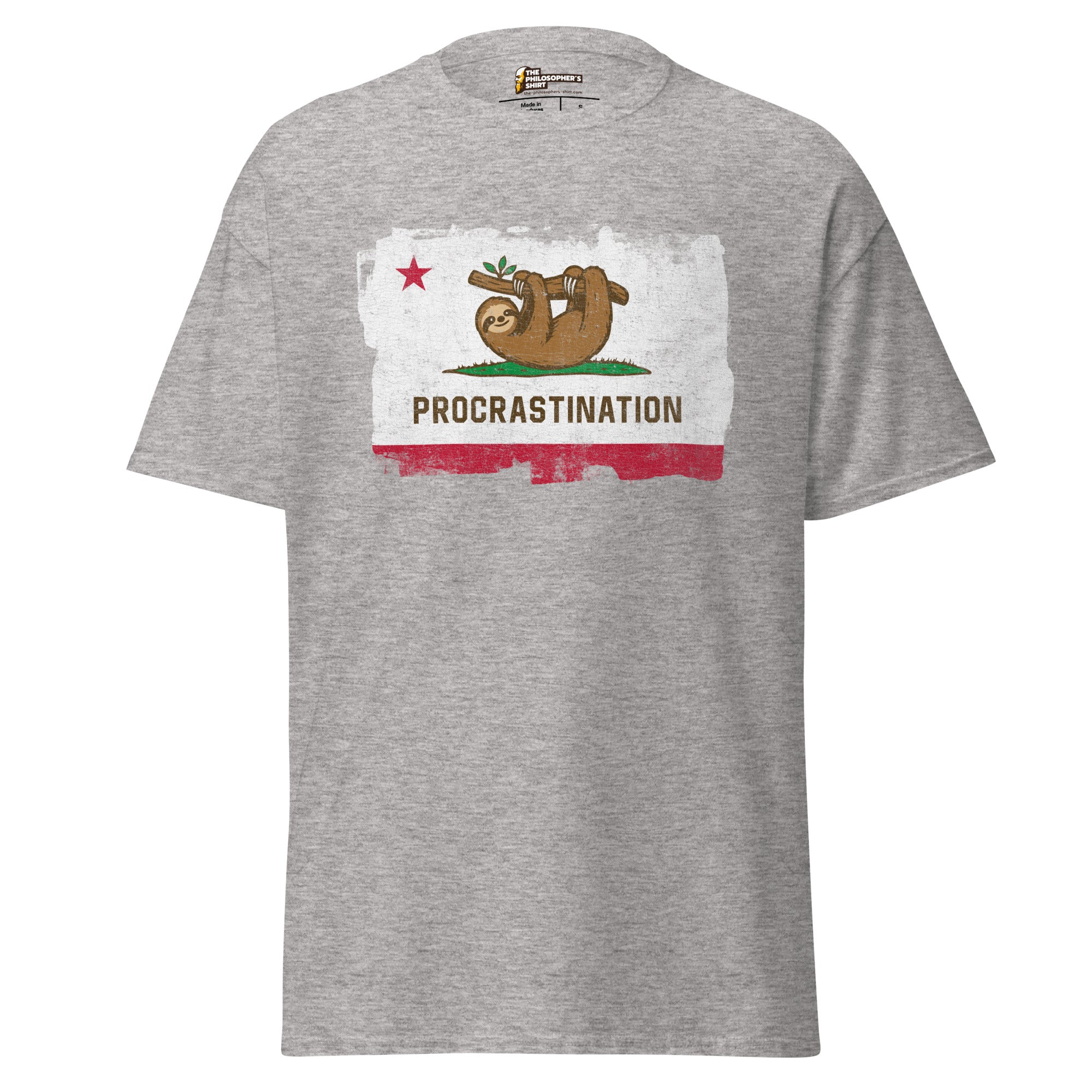
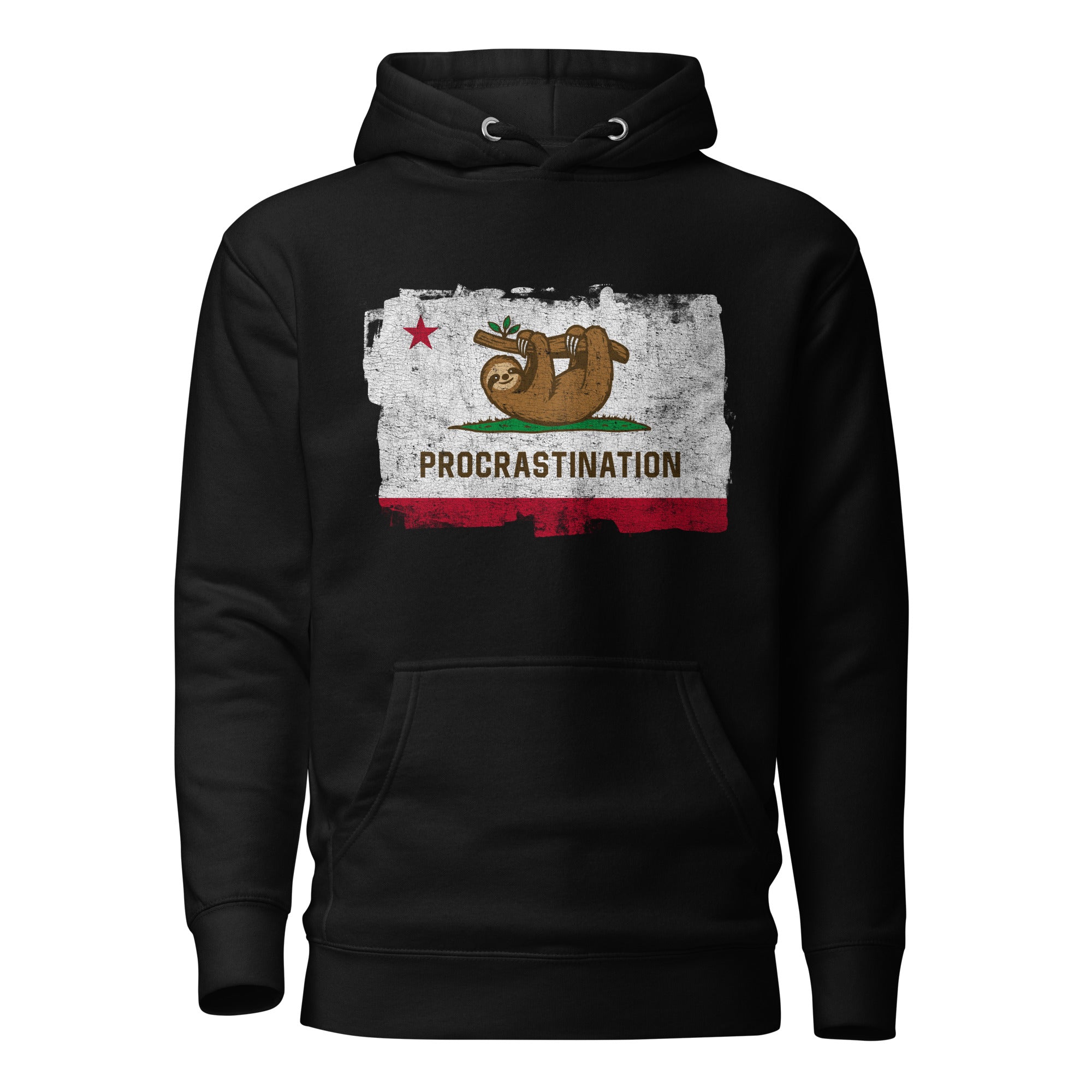
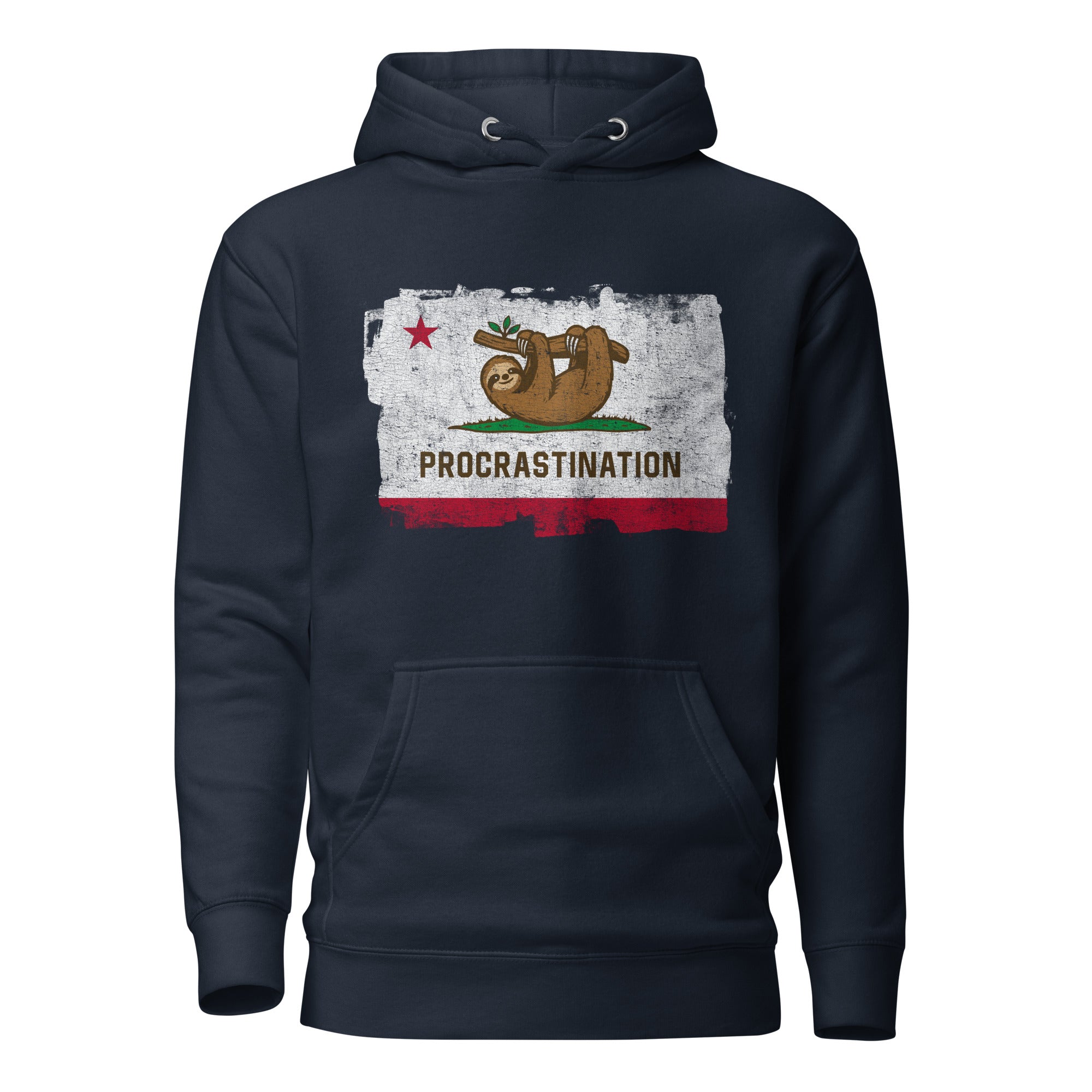
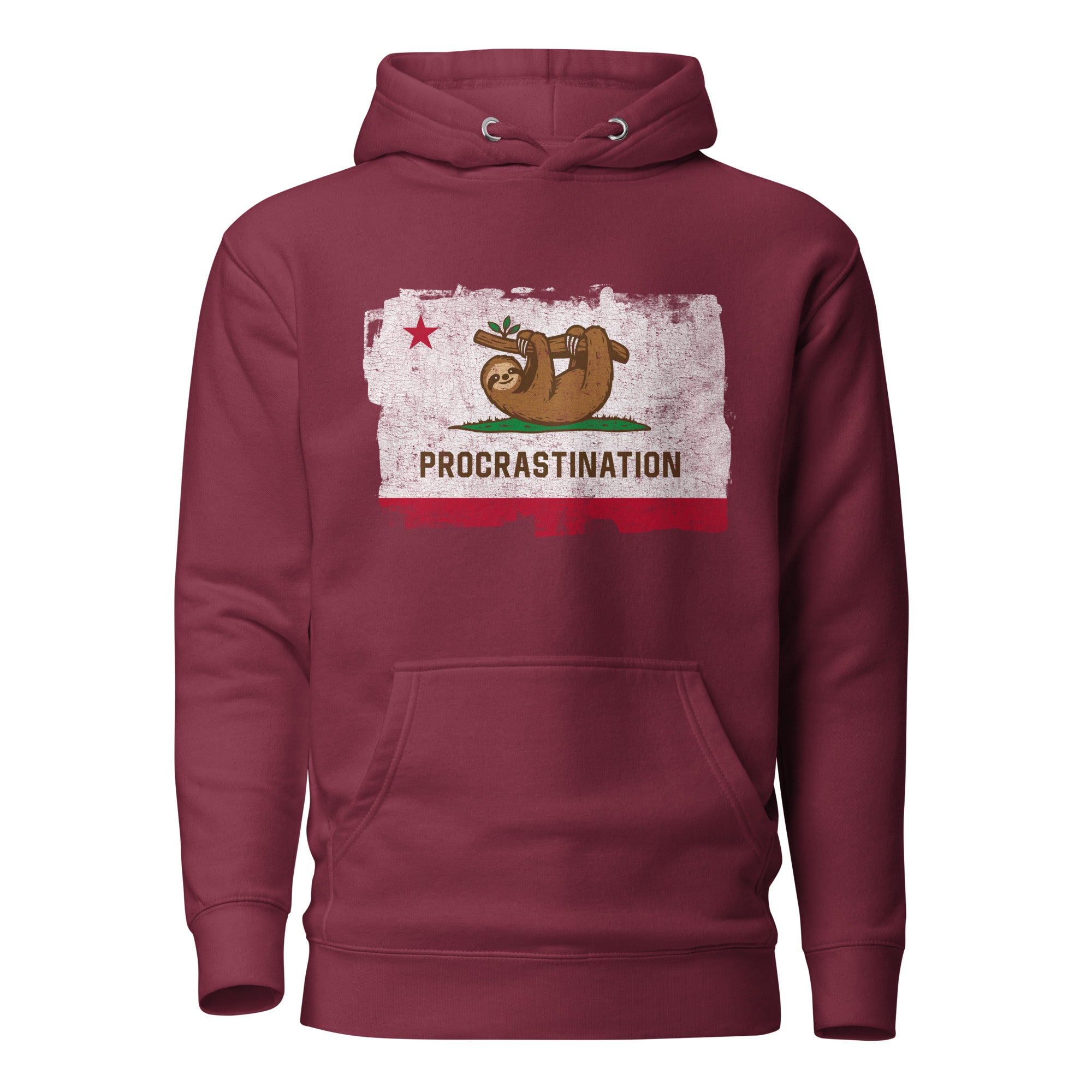
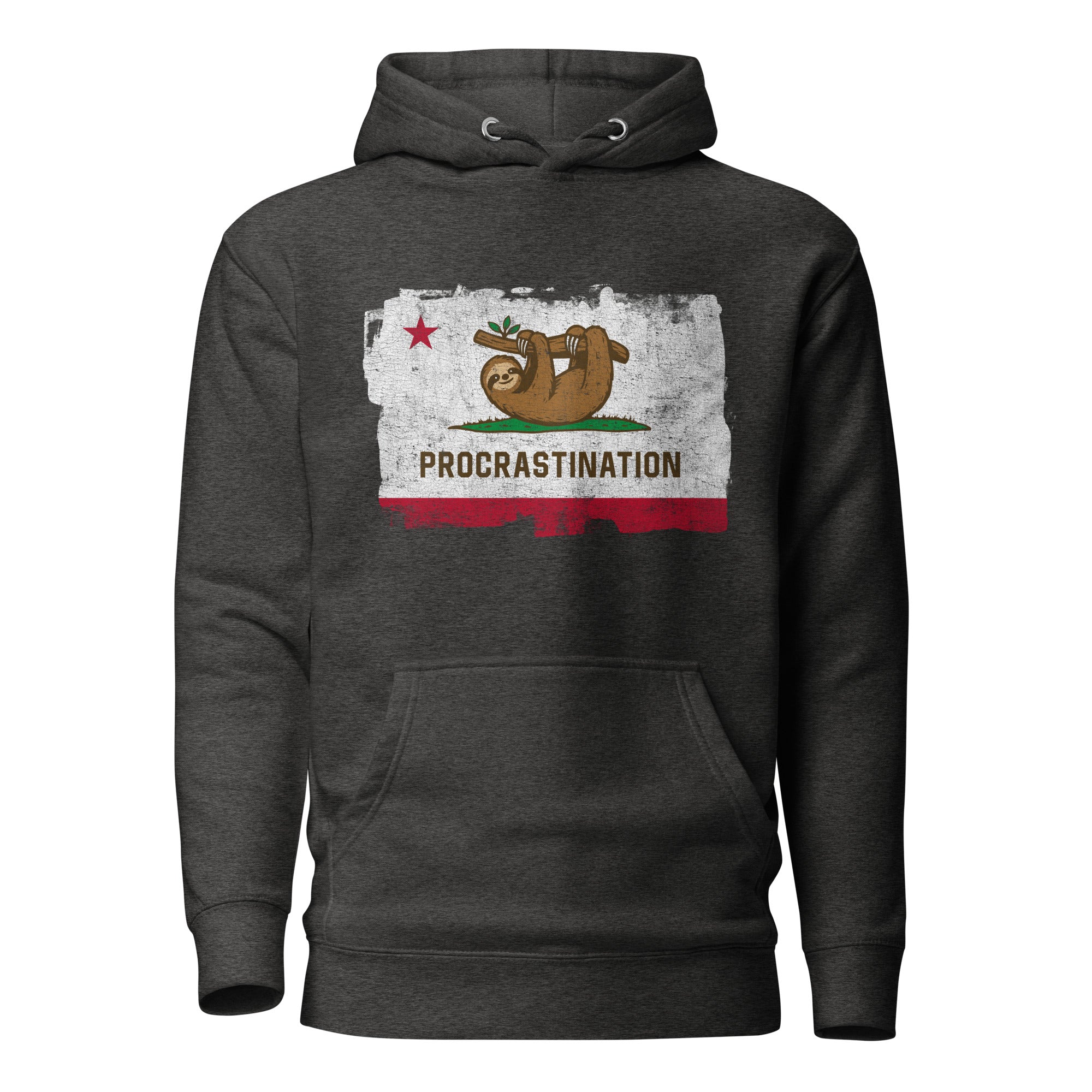
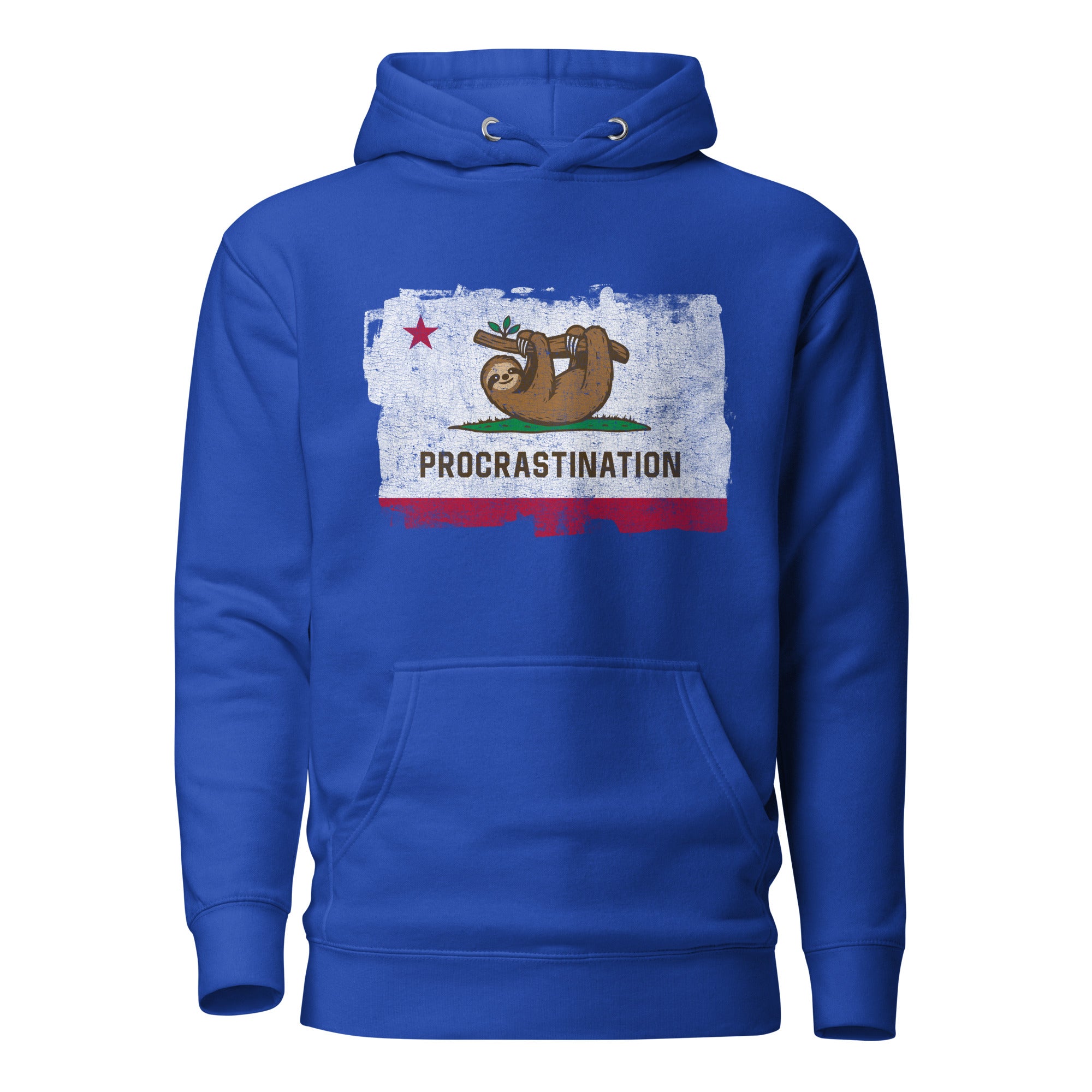
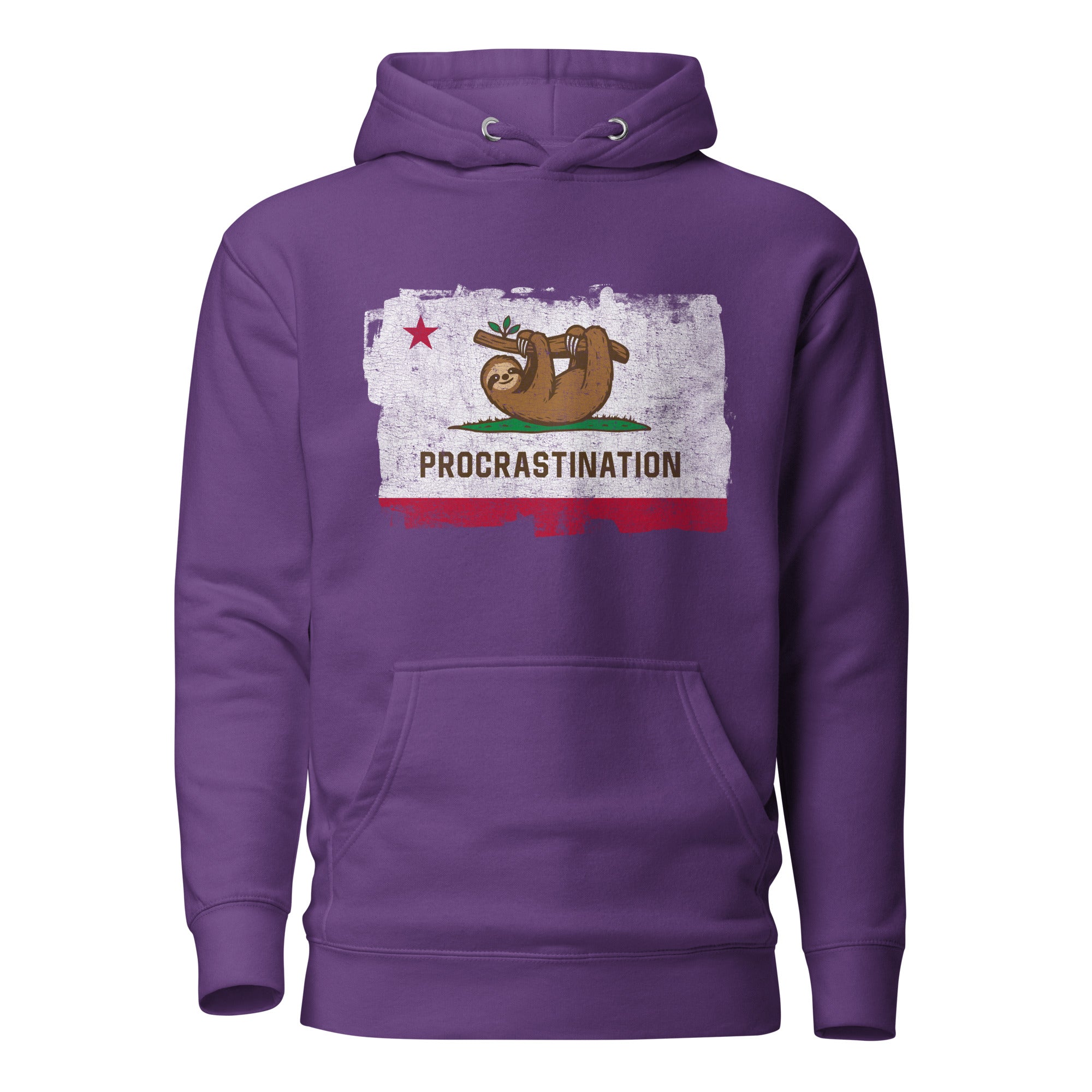
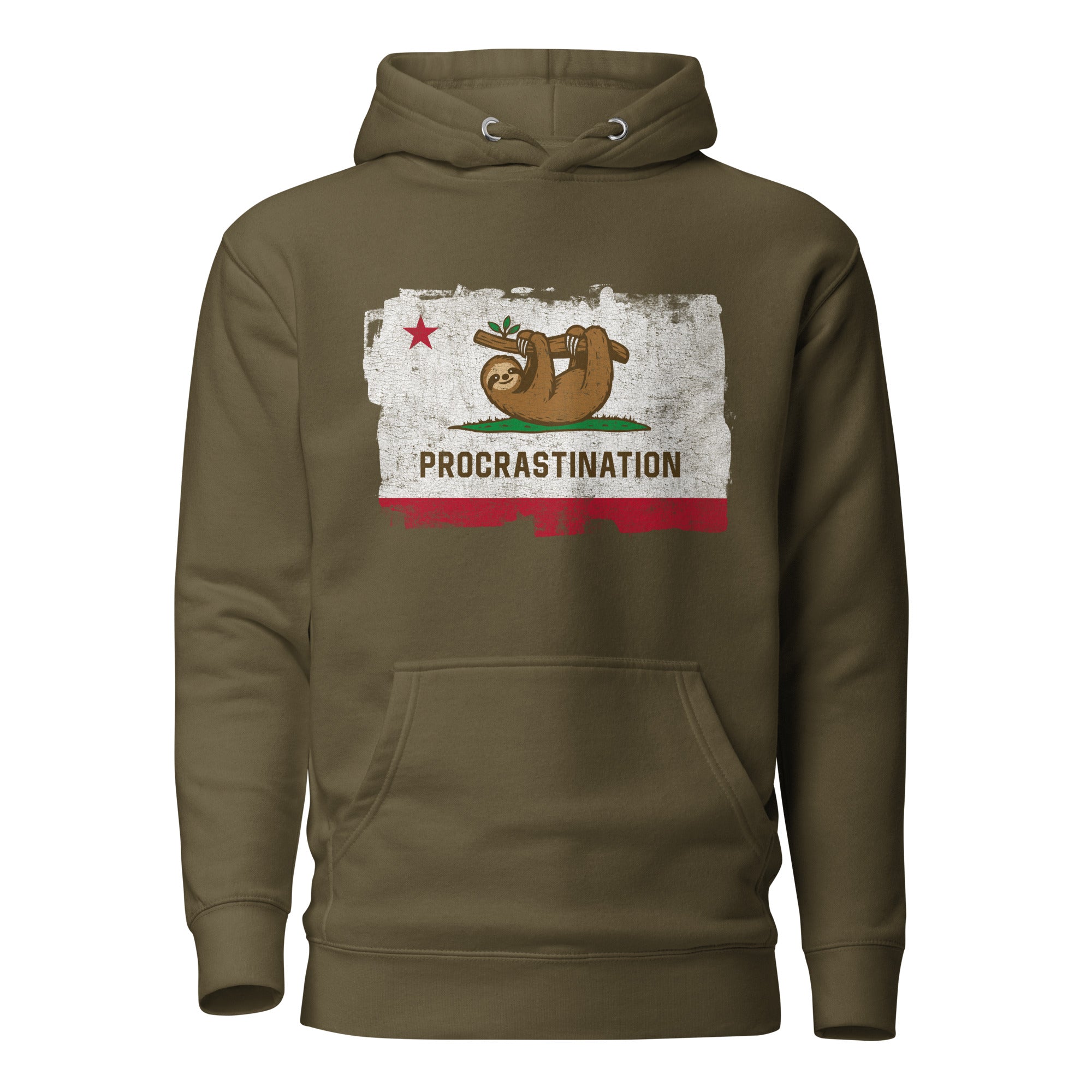
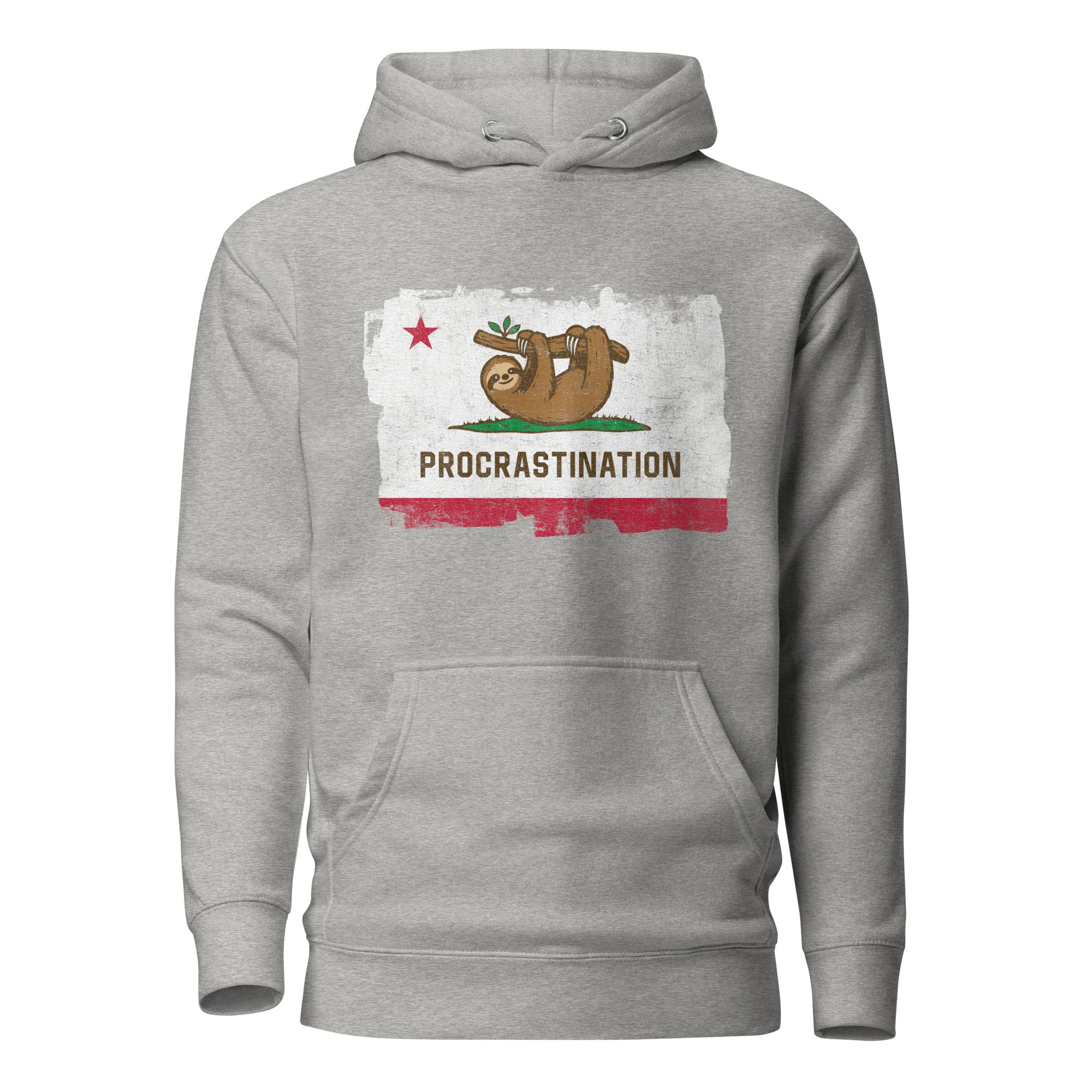
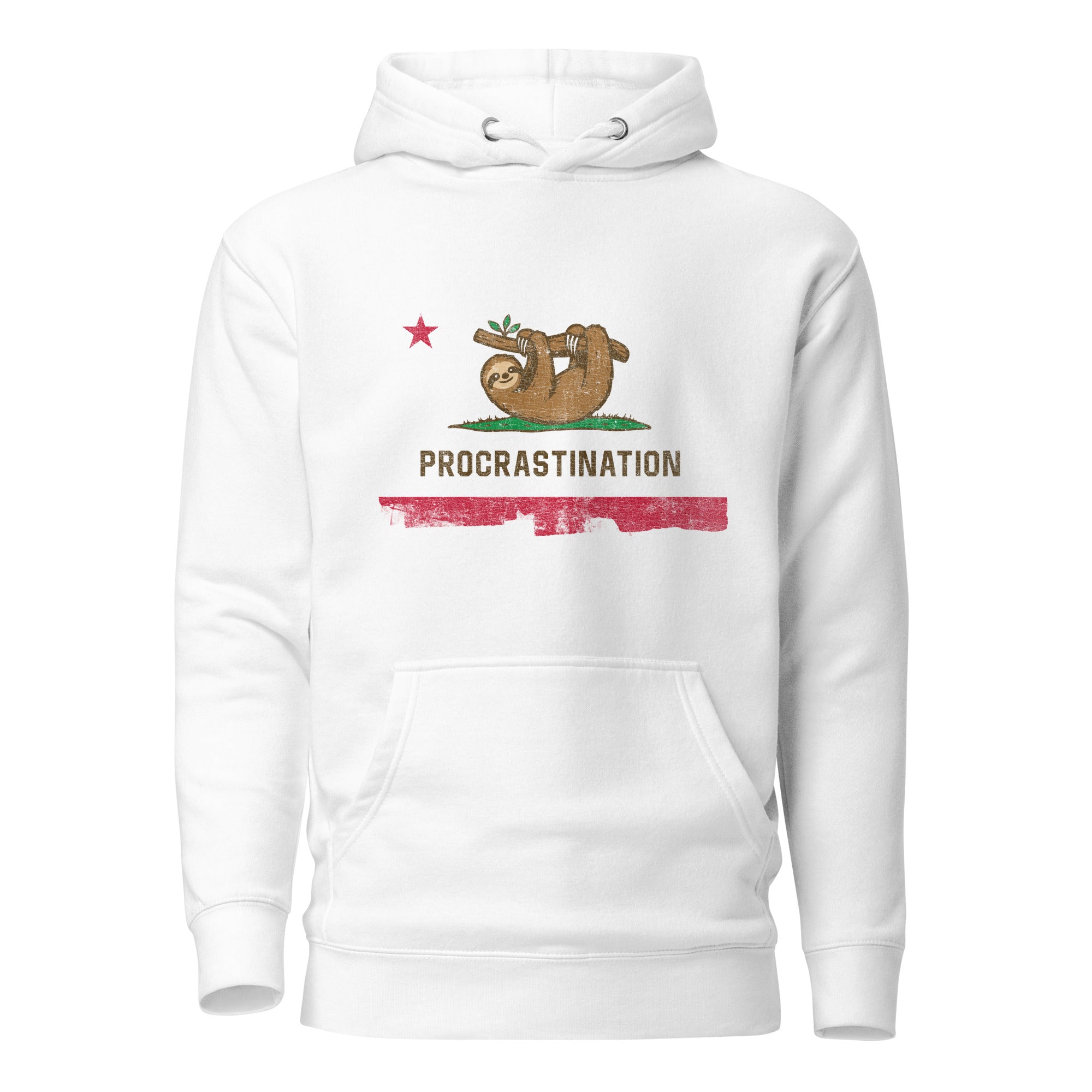
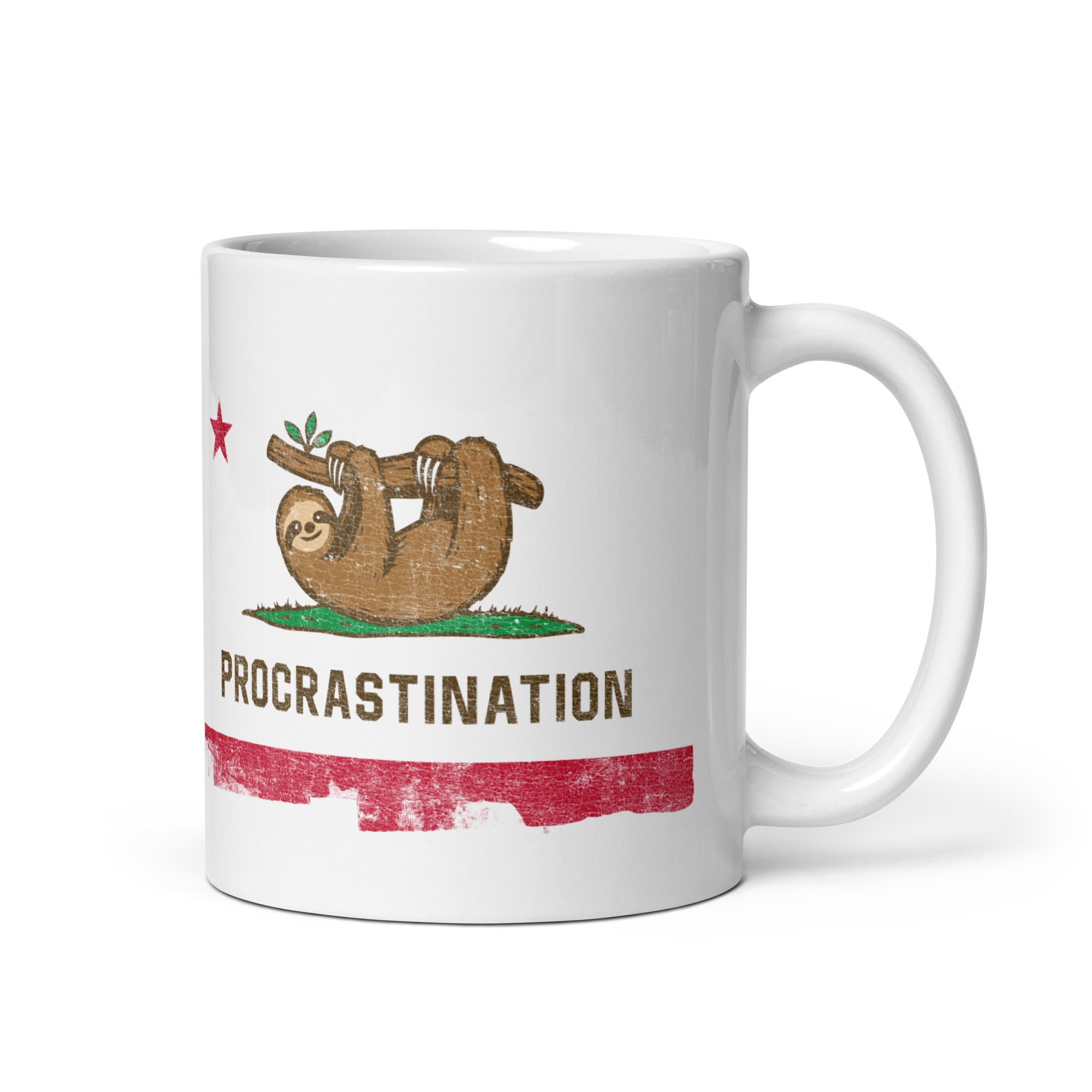
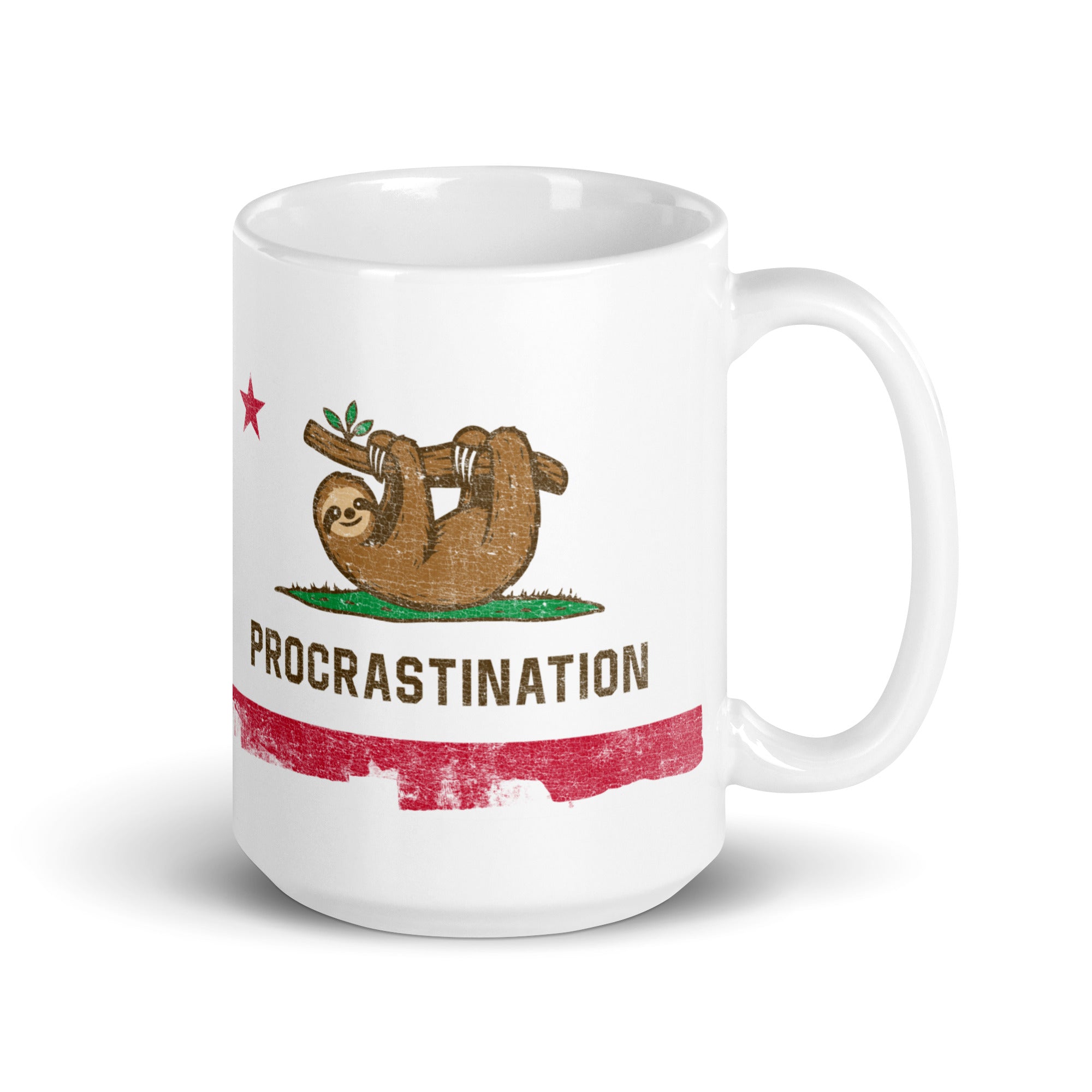
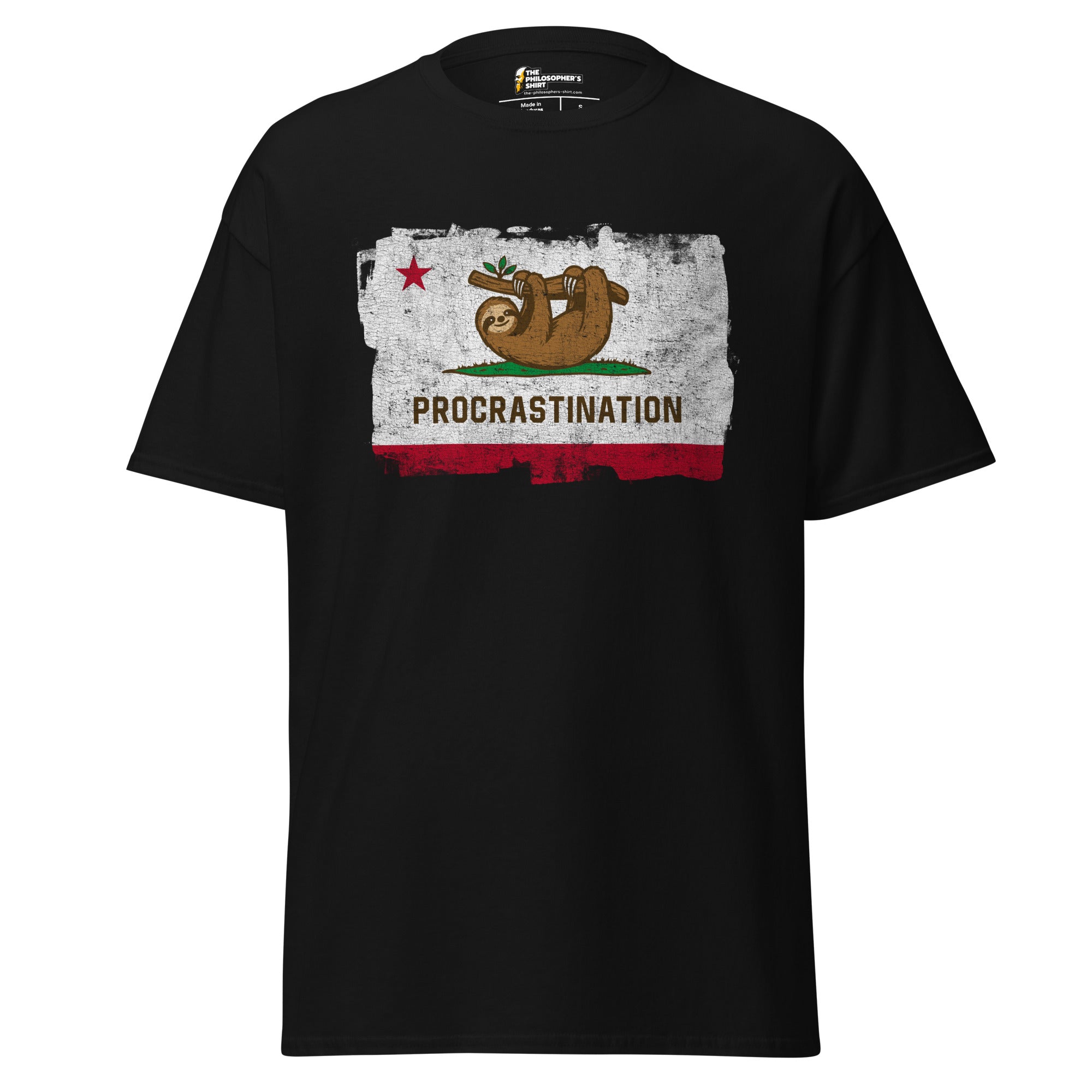
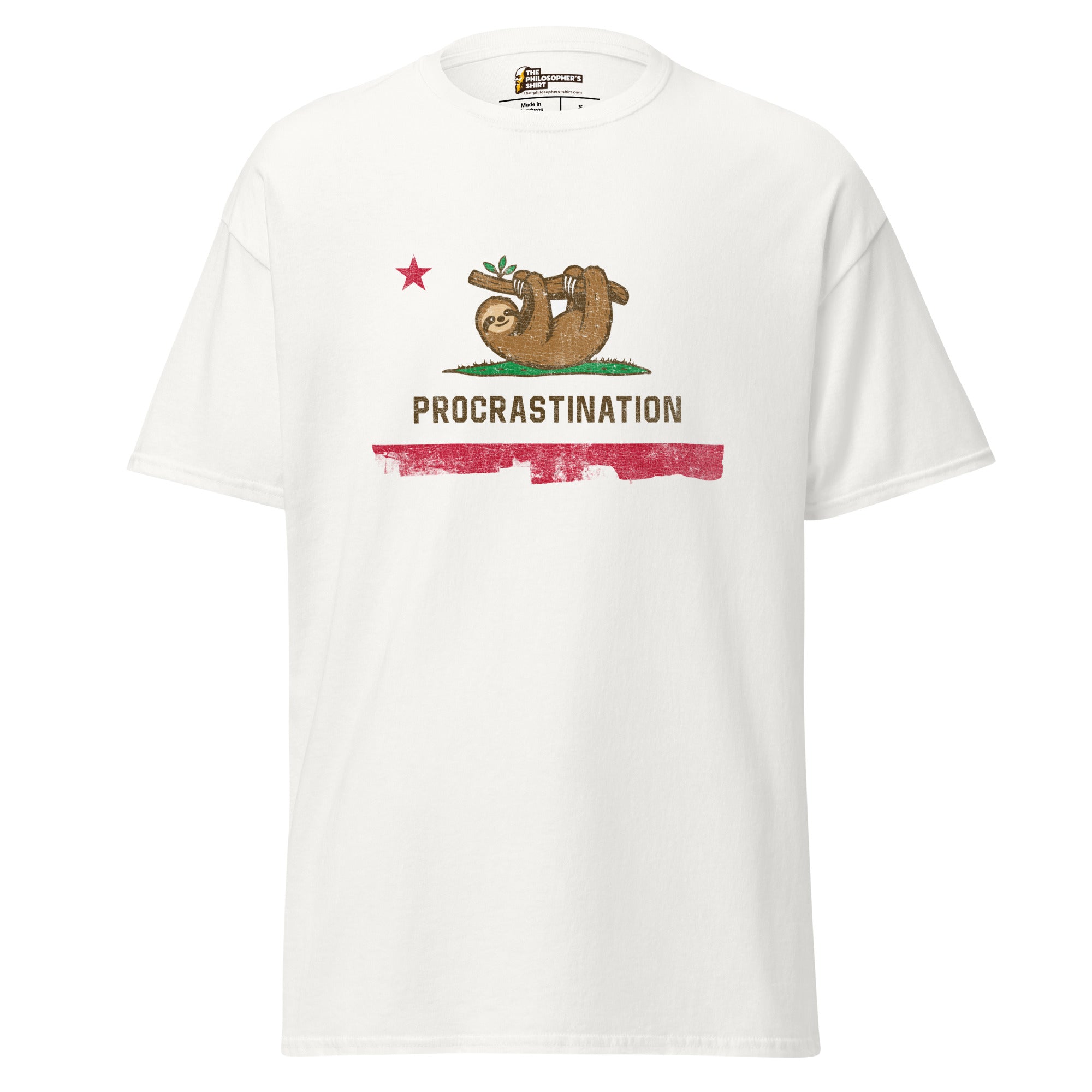
A sloth resting on a sun-faded flag, with the word ProcrastiNATION spelled out beneath it – the national banner of everyone with a deadline. The sloth is the obvious head of state, the motto is tomorrow, definitely, and the founding documents remain unfinished, as they always will.
Why do people procrastinate?
Mostly not from laziness or bad time management. Psychologists such as Fuschia Sirois and Tim Pychyl describe procrastination as a problem of emotion regulation – we put off tasks that make us feel bored, anxious or inadequate to get short-term relief, and pay for it later with more stress. Our tendency to value present comfort over future rewards makes this worse.
What is akrasia?
Akrasia is the ancient Greek term for weakness of will – knowingly acting against your own better judgement, which is exactly what procrastinating feels like. In Plato’s Protagoras, Socrates denies it is even possible, arguing that no one knowingly does what is worse. Aristotle disagrees and analyses it carefully in Book VII of the Nicomachean Ethics.
What did Seneca say about procrastination?
A great deal. In his first Letter to Lucilius he warns that while we postpone, life speeds by. In On the Shortness of Life he writes that the greatest obstacle to living is expectancy, which hangs on tomorrow and loses today. His point is not productivity but that time is the one possession we cannot get back.
Where does the word procrastination come from?
From the Latin procrastinare, to put off until tomorrow – pro meaning forward and crastinus meaning belonging to tomorrow, from cras, tomorrow. The word entered English in the 16th century. The design simply notices that it already contains the word nation.
Is sloth one of the seven deadly sins?
Yes, but originally it meant something deeper than laziness. Its root is acedia, the listless indifference the desert monk Evagrius Ponticus called the noonday demon in the 4th century. As the list of eight evil thoughts became the seven deadly sins, acedia was folded in and later came to be called sloth, gradually shrinking in popular use to plain idleness.
Are sloths actually lazy?
No – they are economical. Sloths live on a diet of leaves that provides very little energy and have one of the slowest metabolisms of any mammal, so moving slowly is how they survive. Their slowness also makes them hard to spot for predators that hunt by movement. The procrastinator, sadly, has no such excuse.
Is ProcrastiNATION a good gift for students or chronic procrastinators?
Yes – it suits students writing a thesis, academics, freelancers and anyone who has been meaning to buy it for weeks. The design comes as a Unisex Classic T-Shirt, Sweatshirt, Premium Hoodie, Mug and Sticker.