No tariffs. Ever. We ship locally from the US, Canada, the UK, or the EU + Free shipping over $80 / 70€ / £60 (equivalent in all other currencies).
Search our site

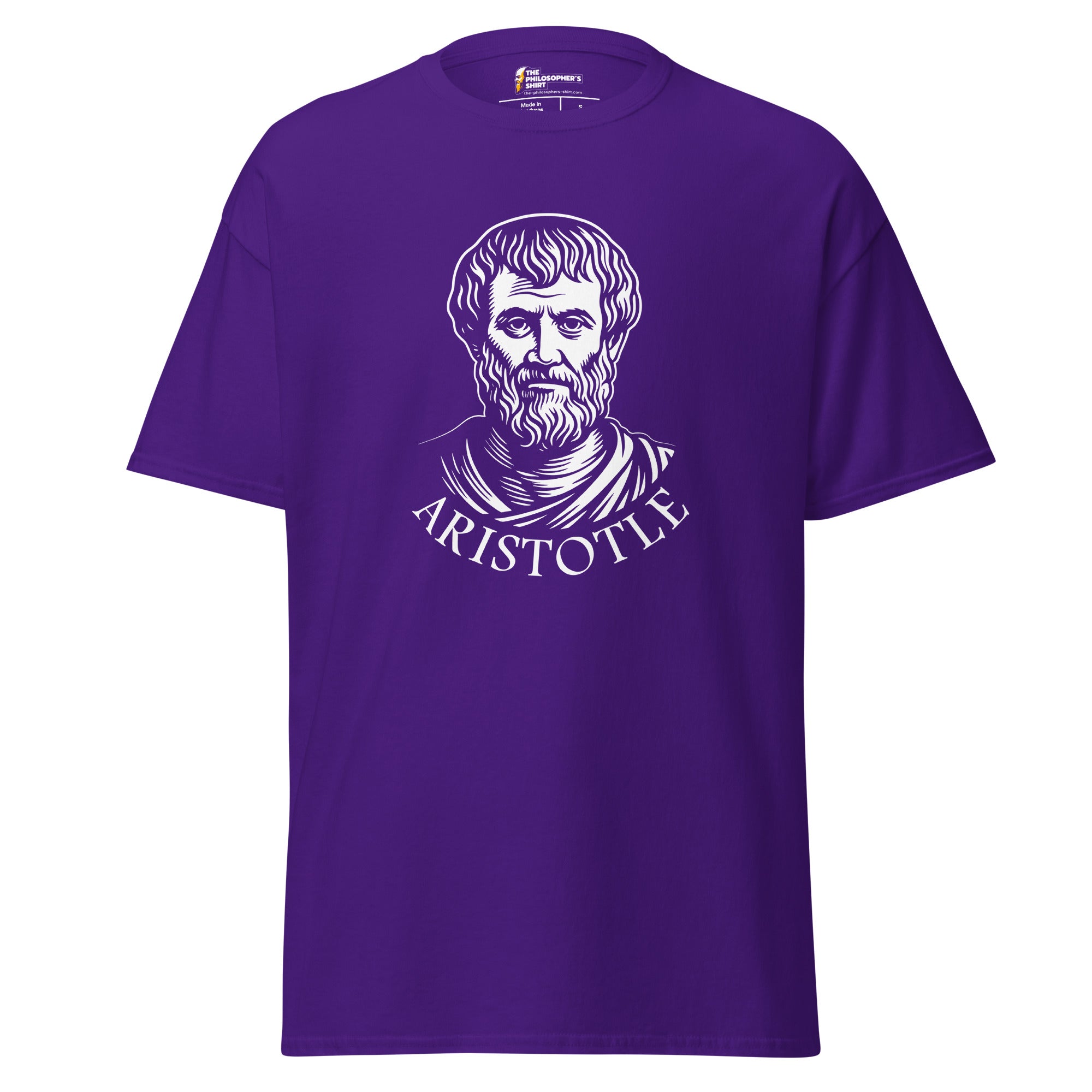
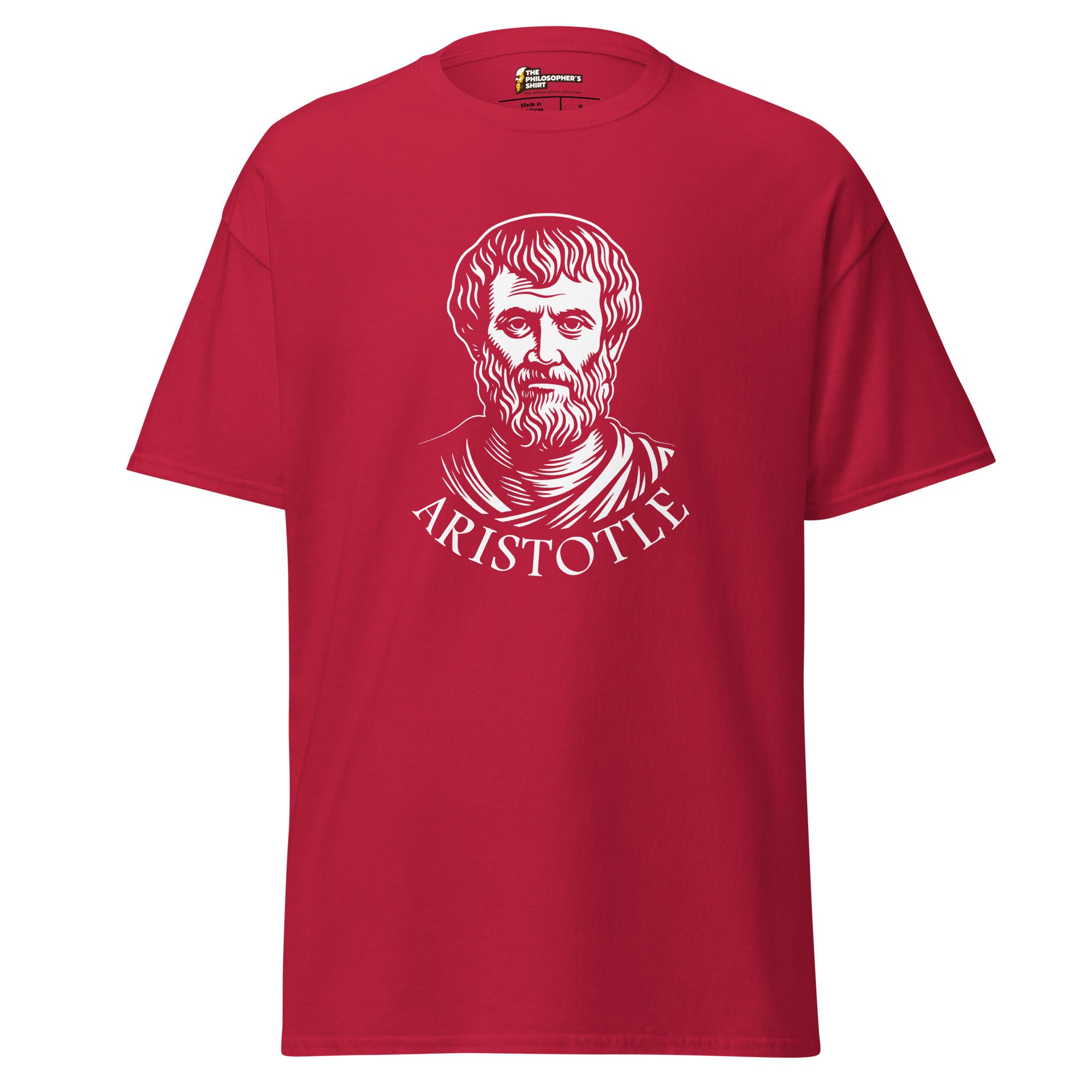
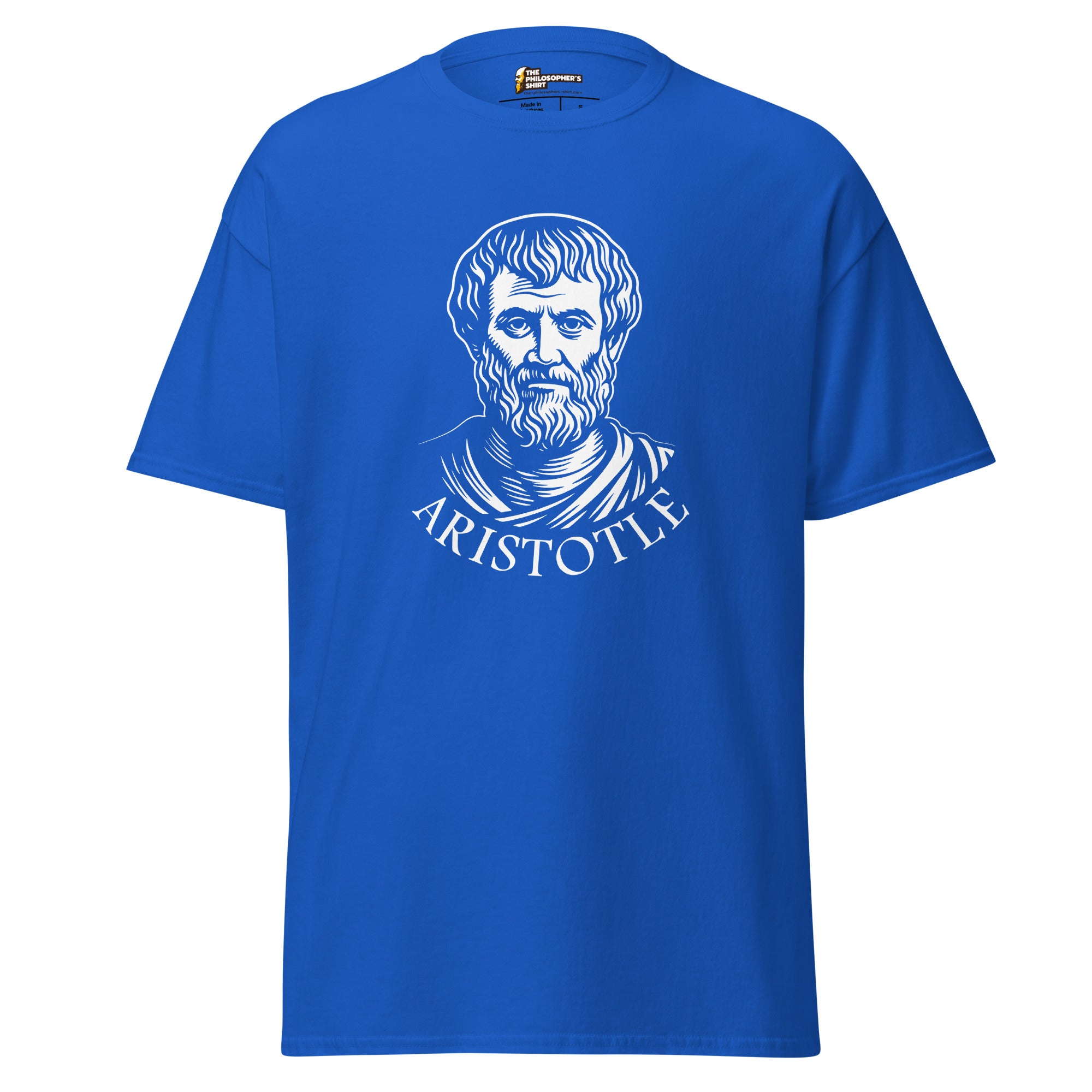
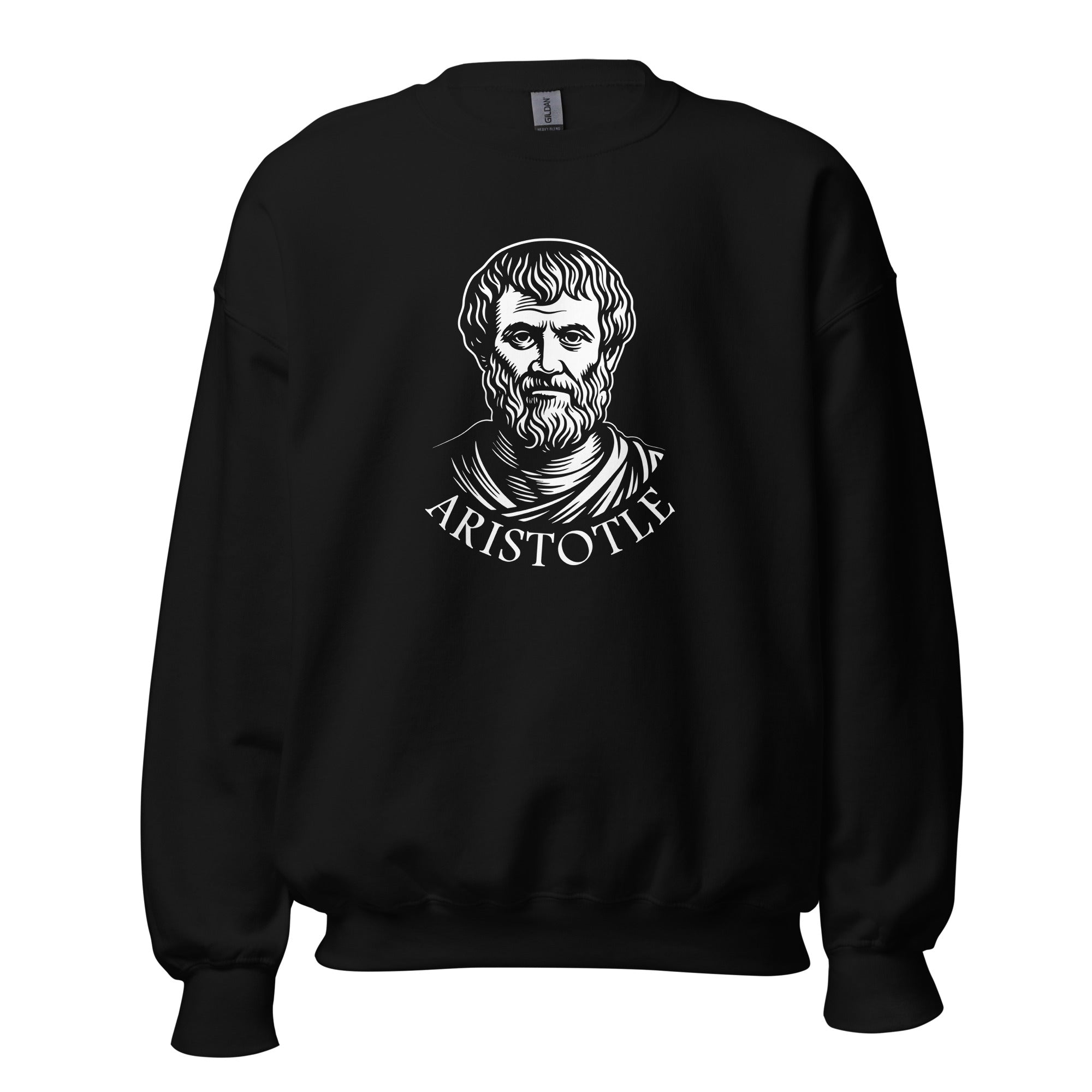
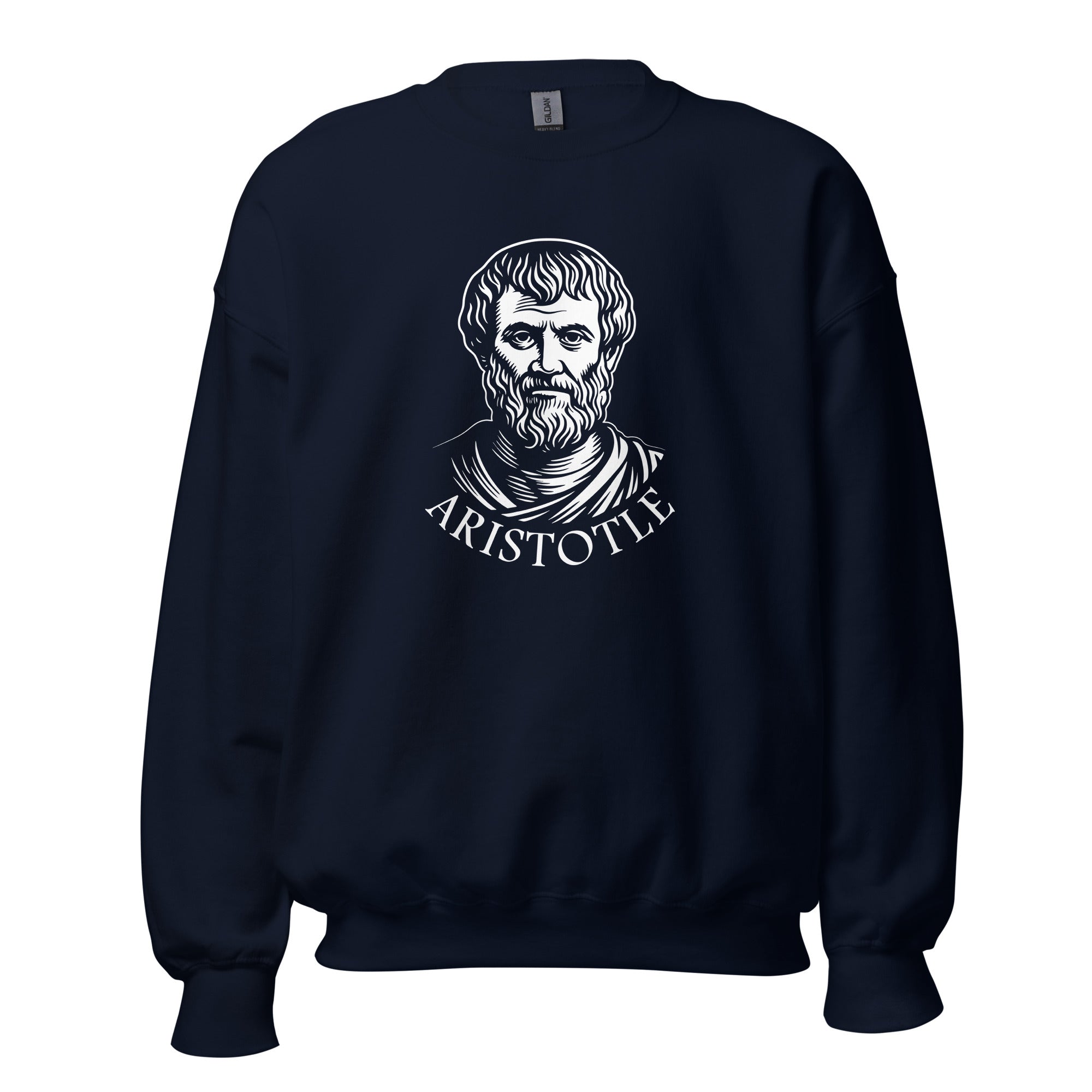
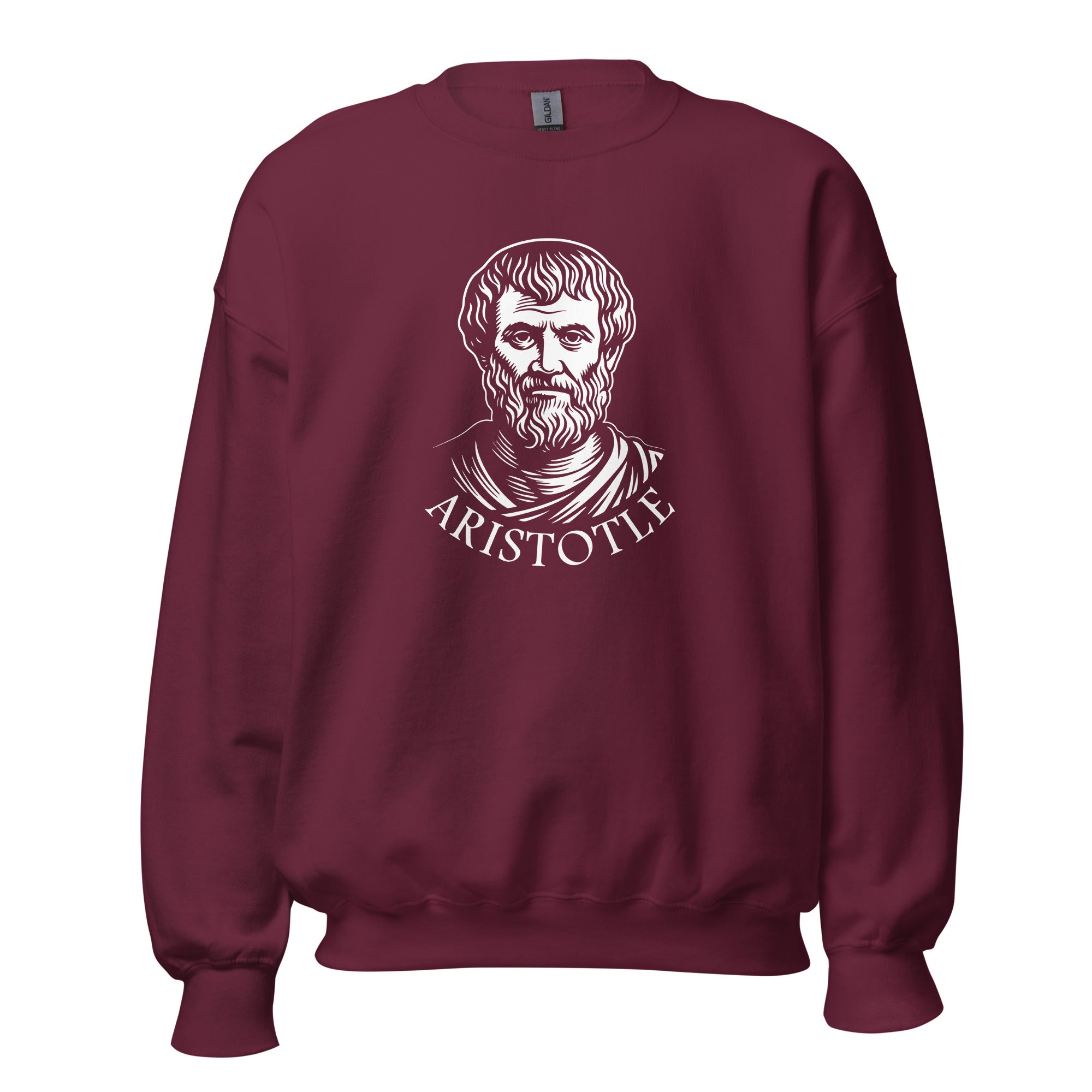
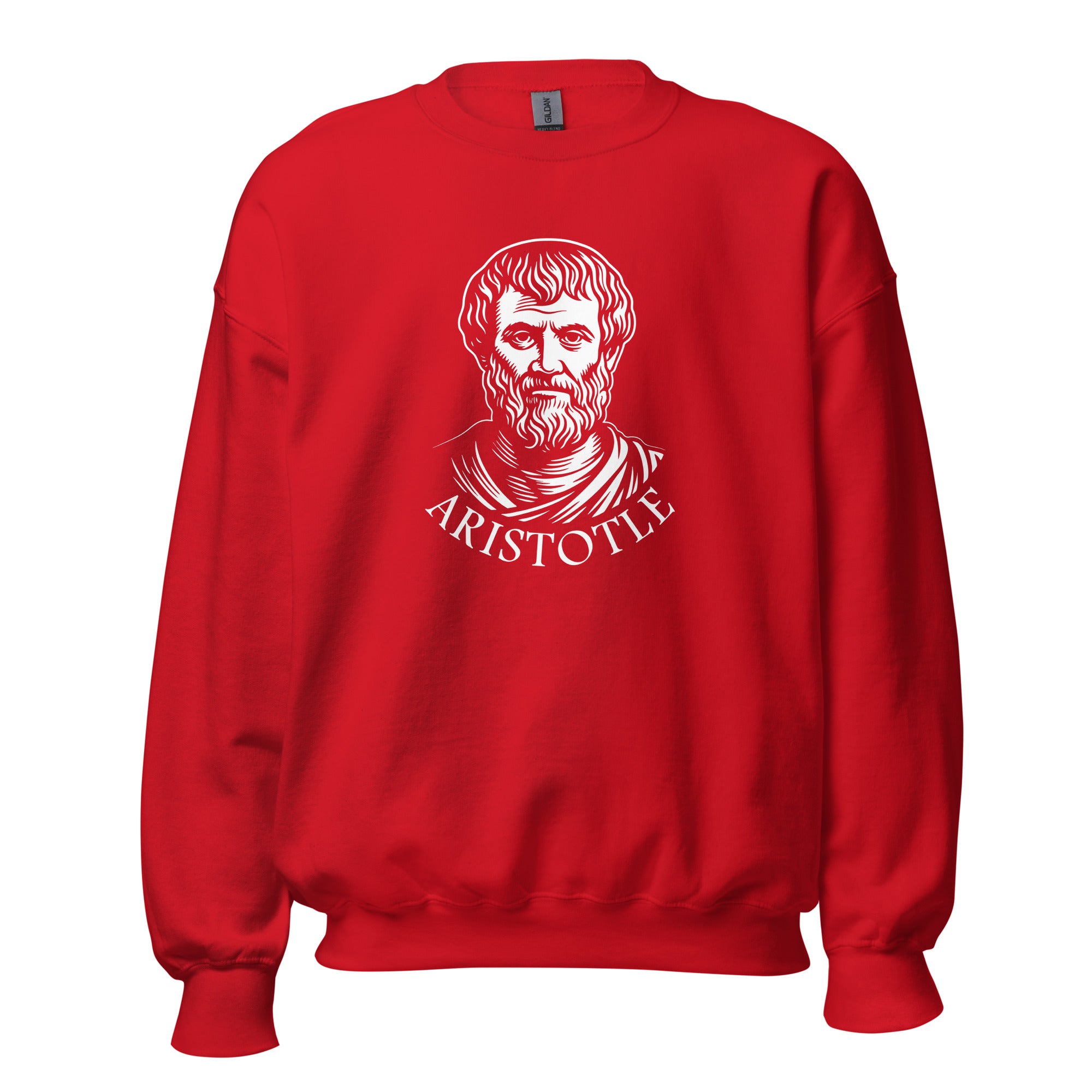
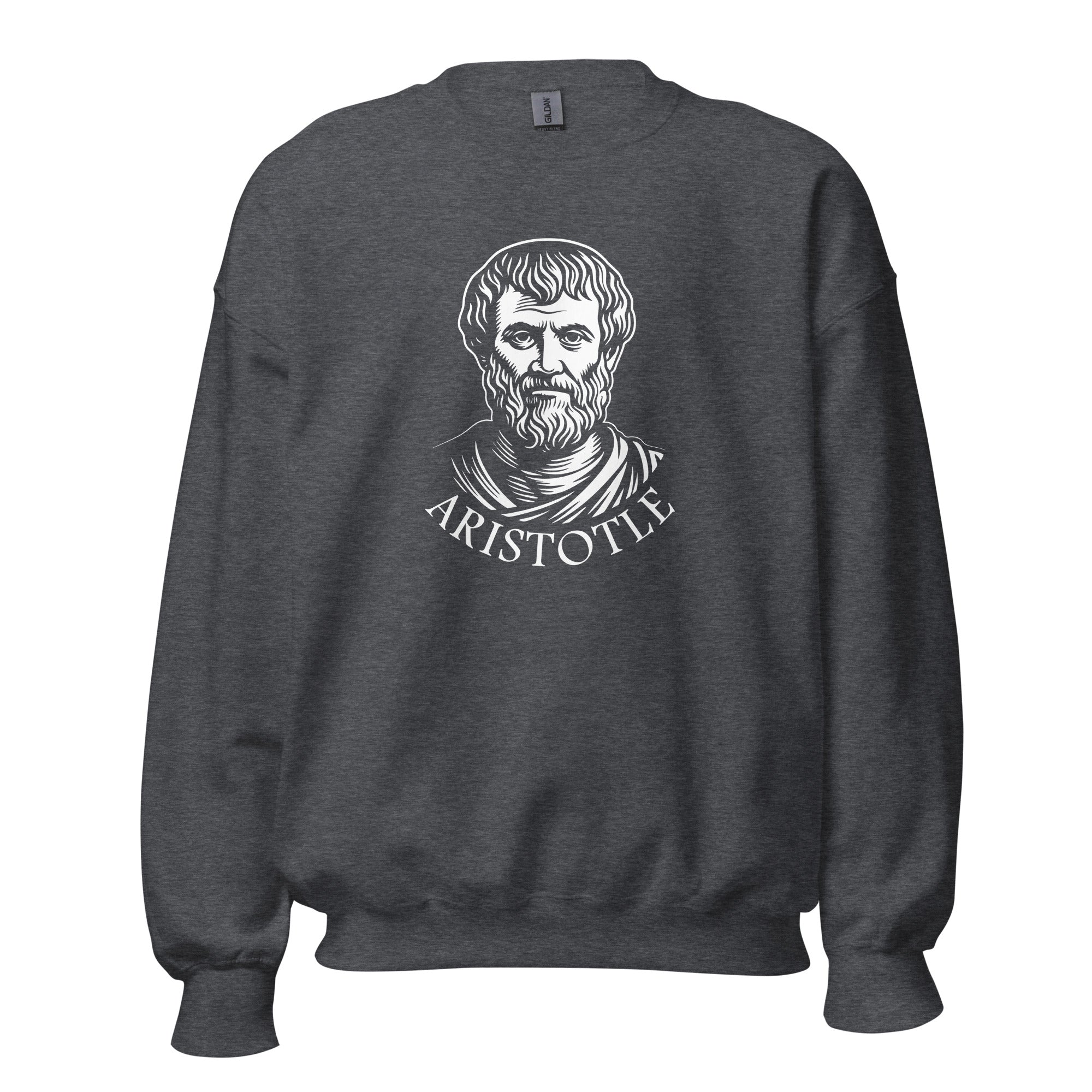
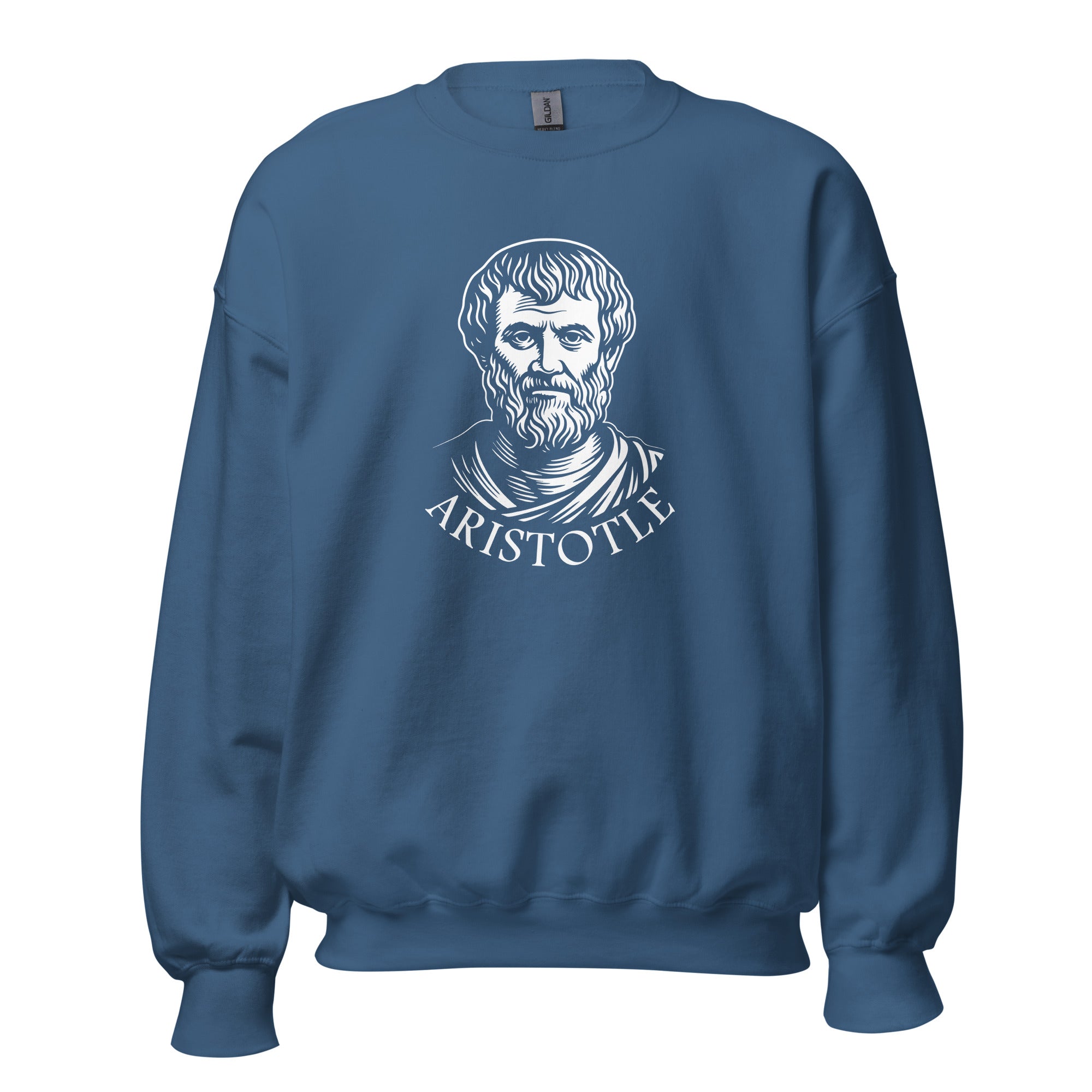
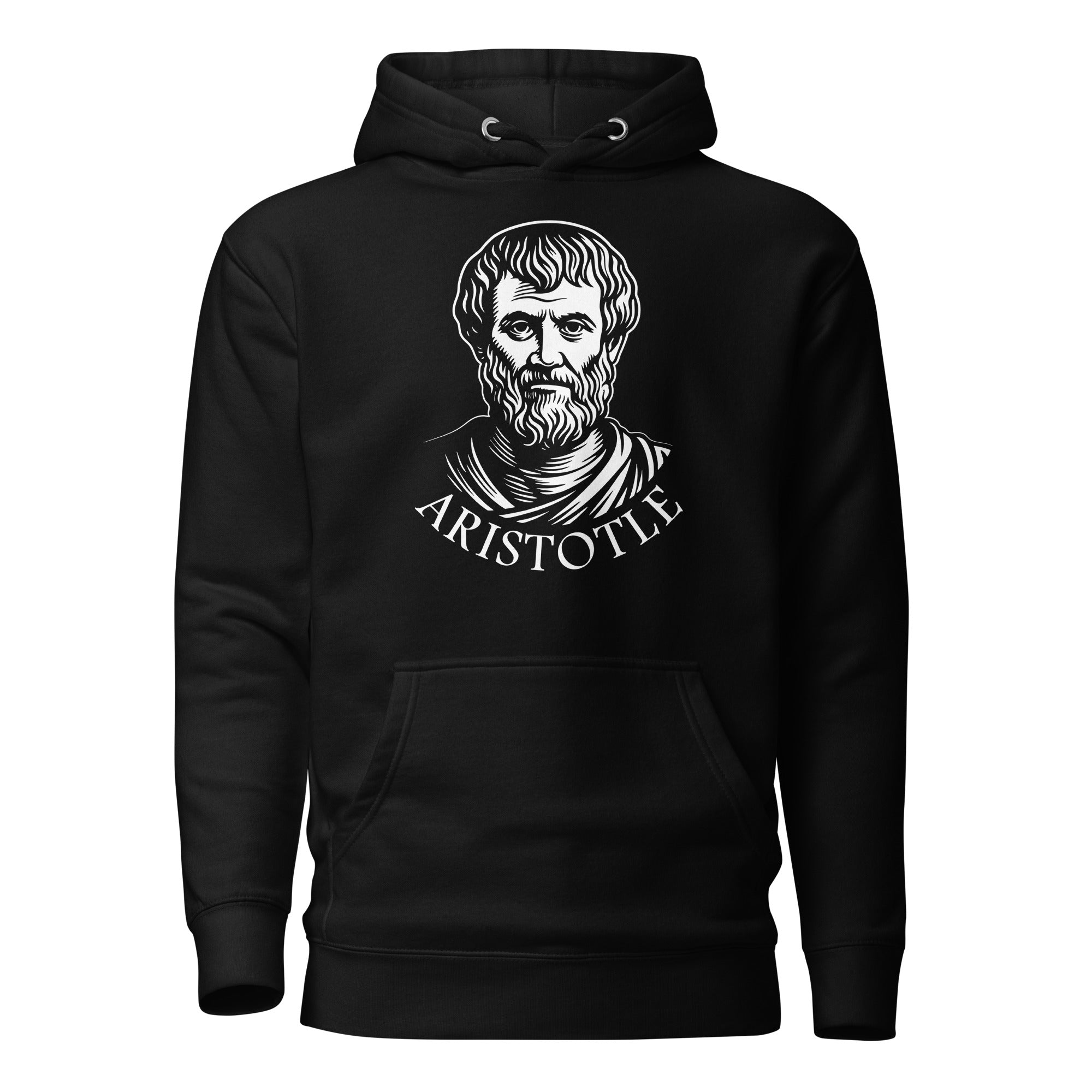
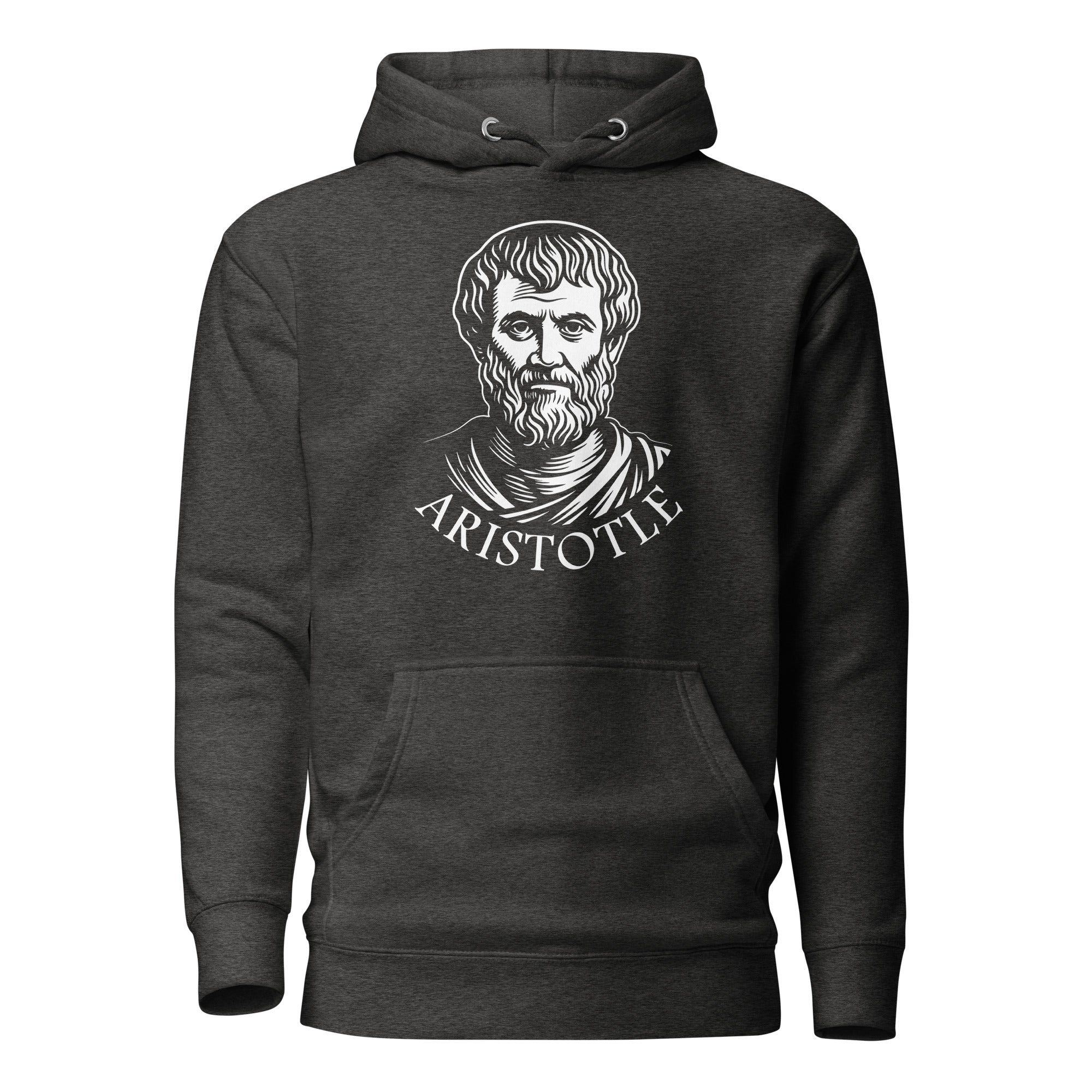
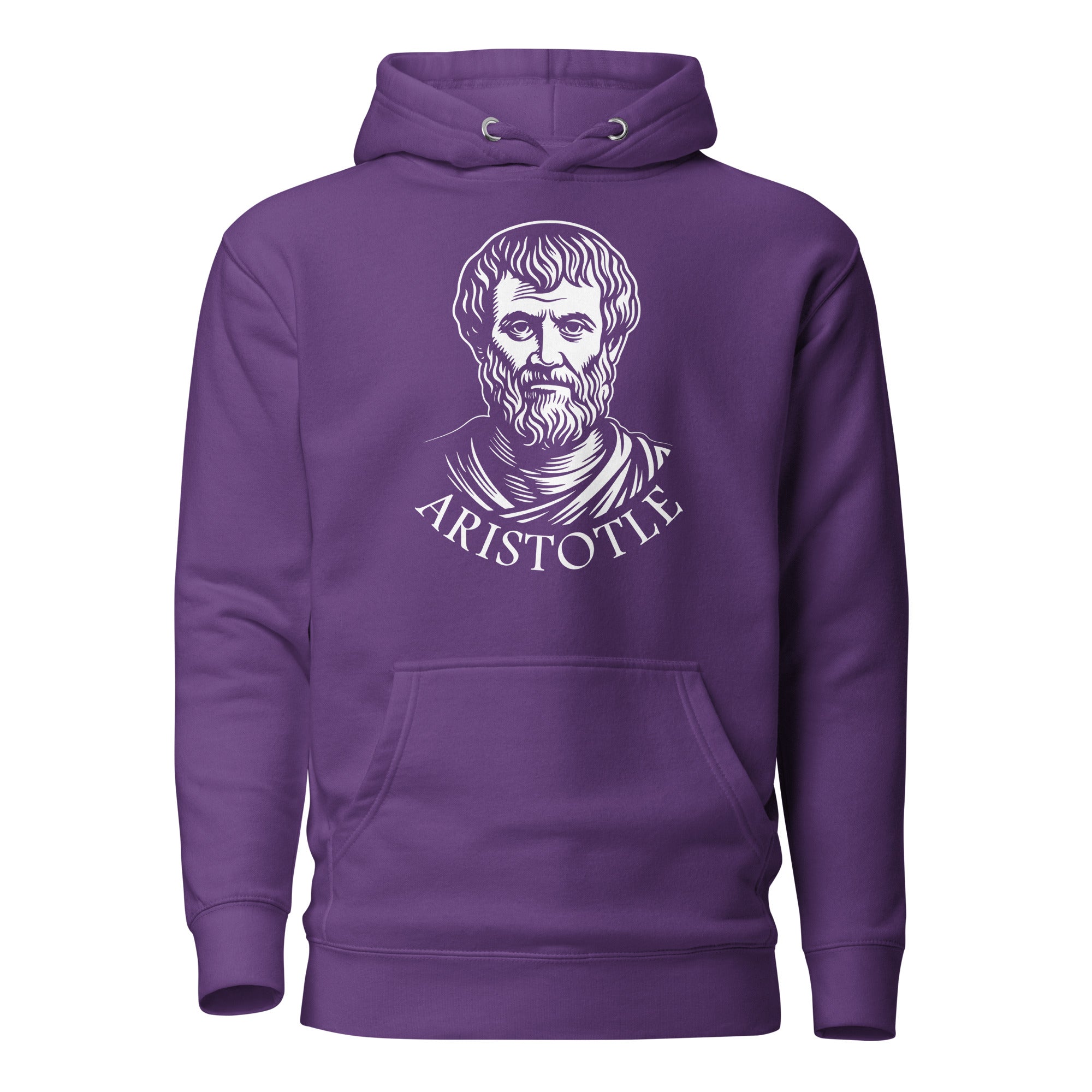
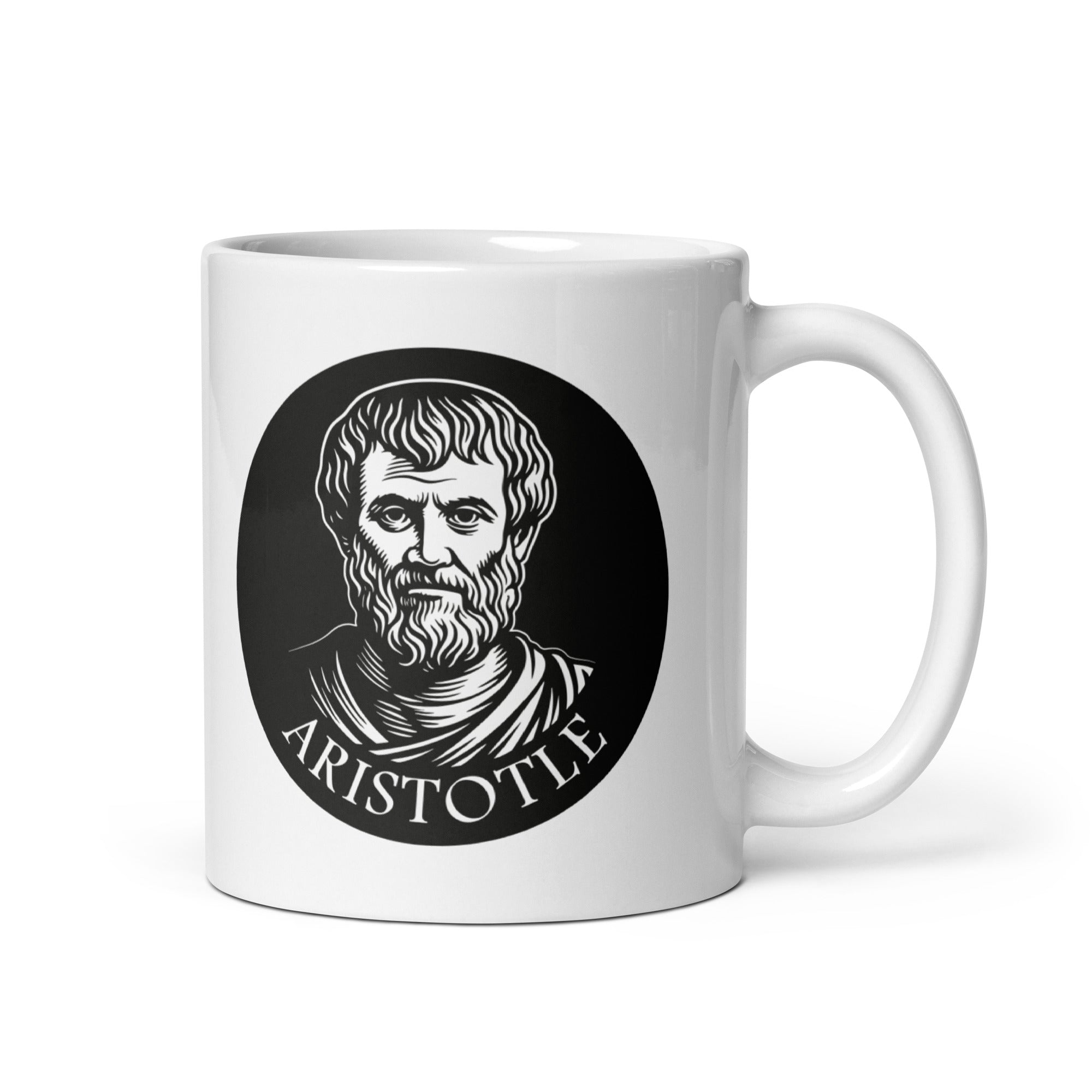
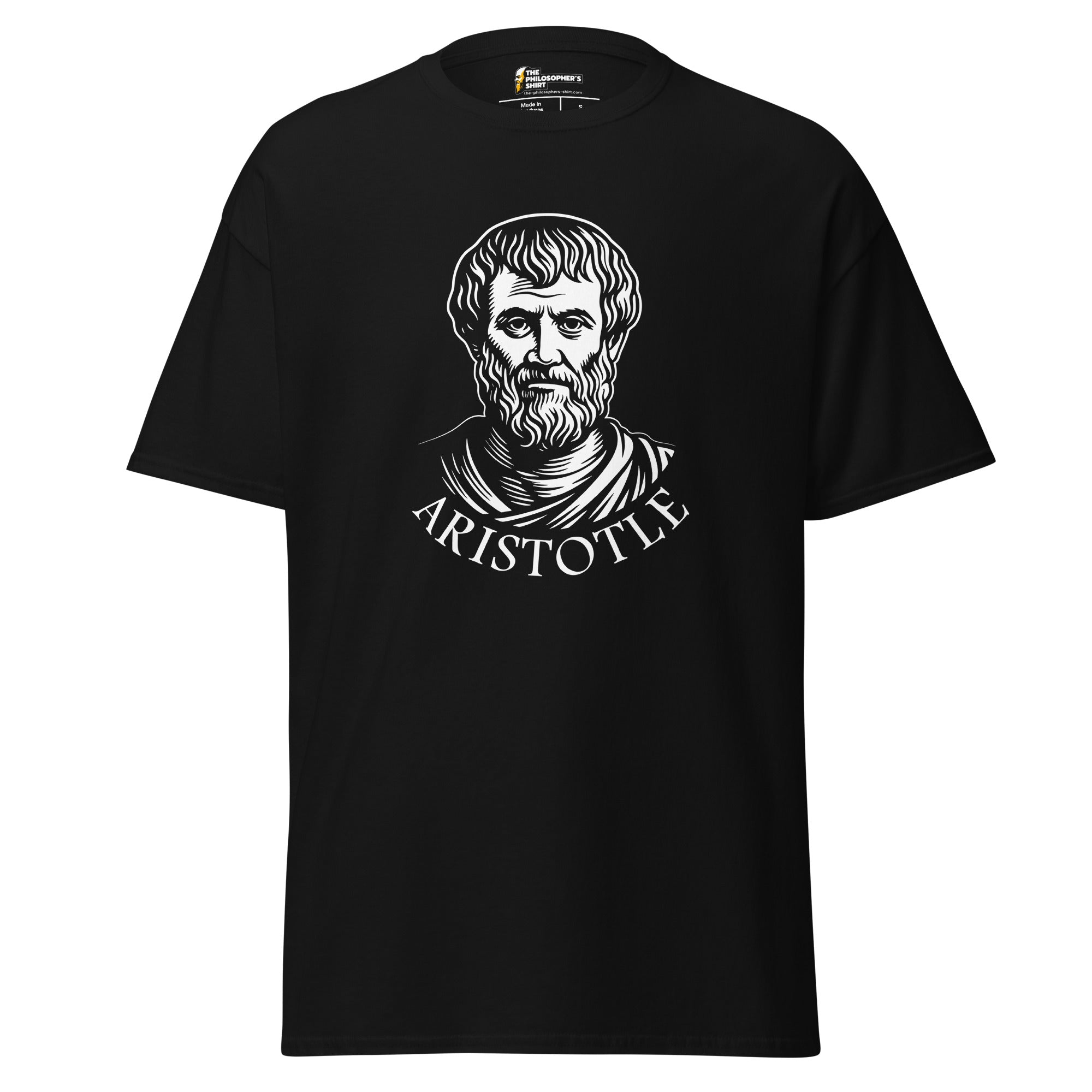
Aristotle Portrait

Logic, biology, ethics, physics, poetics, rhetoric — Aristotle wrote the founding text of roughly a dozen disciplines and got beaten to the punch in none of them.

Portrait treatment for the thinker who organized the whole field. The whole range: tees, sweatshirts, hoodies and mugs, printed to order as you buy them. We are what we repeatedly do. Excellence, then, is a habit.
Questions about this design

What does the Aristotle design show?
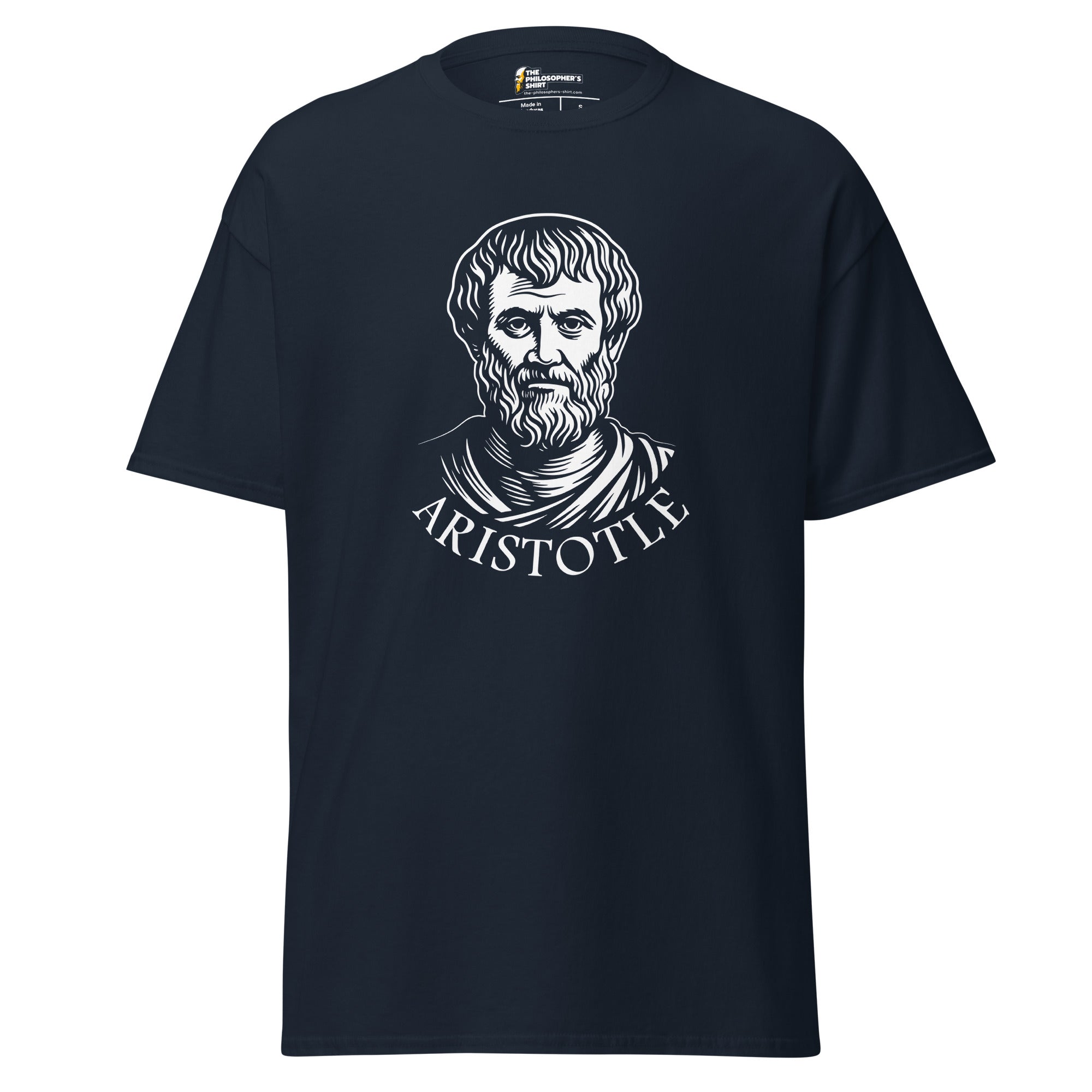
A finely engraved portrait of Aristotle, bearded and in a draped robe, after the style of classical busts, with his name set in Roman capitals beneath. No joke this time – just the man who wrote founding texts for logic, biology, ethics, politics, rhetoric and poetics.
Who was Aristotle and what is he known for?
A Greek philosopher (384–322 BCE) from Stagira. He studied for about twenty years in Plato's Academy, later tutored the young Alexander the Great and in 335 BCE founded his own school in Athens, the Lyceum. He systematised formal logic, pioneered biology and shaped ethics, politics, physics and literary theory for nearly two thousand years.
Did Aristotle say “We are what we repeatedly do. Excellence, then, is not an act, but a habit”?
Not in those words. The line comes from Will Durant's The Story of Philosophy (1926), summarising Aristotle. The idea itself is genuinely Aristotelian – in the Nicomachean Ethics, Book II, he argues that we become just by doing just acts and brave by doing brave acts, so virtue is a settled disposition formed by practice.
What is Aristotle's golden mean?
Aristotle's doctrine that each virtue lies between two vices, one of excess and one of deficiency. Courage sits between rashness and cowardice, generosity between wastefulness and stinginess. The mean is not a mathematical midpoint but what is right for the person and situation, found by practical wisdom (phronesis).
What does eudaimonia mean in Aristotle?
Usually translated as happiness or, better, flourishing. For Aristotle it is the highest human good, the one thing we want for its own sake – not a feeling but an activity of the soul in accordance with virtue, carried out over a complete life (Nicomachean Ethics, Book I).
What are ethos, pathos and logos?
Aristotle's three modes of persuasion from his Rhetoric. Ethos persuades through the speaker's credibility and character, pathos through the emotions of the audience, logos through the argument itself. They remain the backbone of rhetoric and writing classes today.
What are Aristotle's four causes?
Four ways of answering why something is as it is, set out in Physics II and the Metaphysics. The material cause is what it is made of, the formal cause its form or structure, the efficient cause what brought it about, and the final cause its purpose. For a statue – bronze, the shape, the sculptor, honouring a god.
What is the main difference between Plato and Aristotle?
Plato placed true reality in eternal Forms beyond the senses; Aristotle, his student, held that forms exist only in concrete things and that knowledge starts from observation. Hence Raphael's School of Athens shows Plato pointing upward and Aristotle gesturing towards the earth.
Which book by Aristotle should I read first?
Most teachers recommend the Nicomachean Ethics – readable, practical and the source of the golden mean, virtue as habit and eudaimonia. After that the Politics or the Poetics; the Metaphysics and the logical works are best left for later.
Is the Aristotle design a good gift for philosophy students or teachers?
Yes – a classic portrait is an easy choice for philosophy, classics and rhetoric students, ethics teachers or anyone who quotes the golden mean. The design is available as a T-shirt, sweatshirt, premium hoodie, mug and sticker.