Sin aranceles: enviamos desde tu región. Envío gratis a partir de 70 € / $80 / £60
Buscar en nuestro sitio

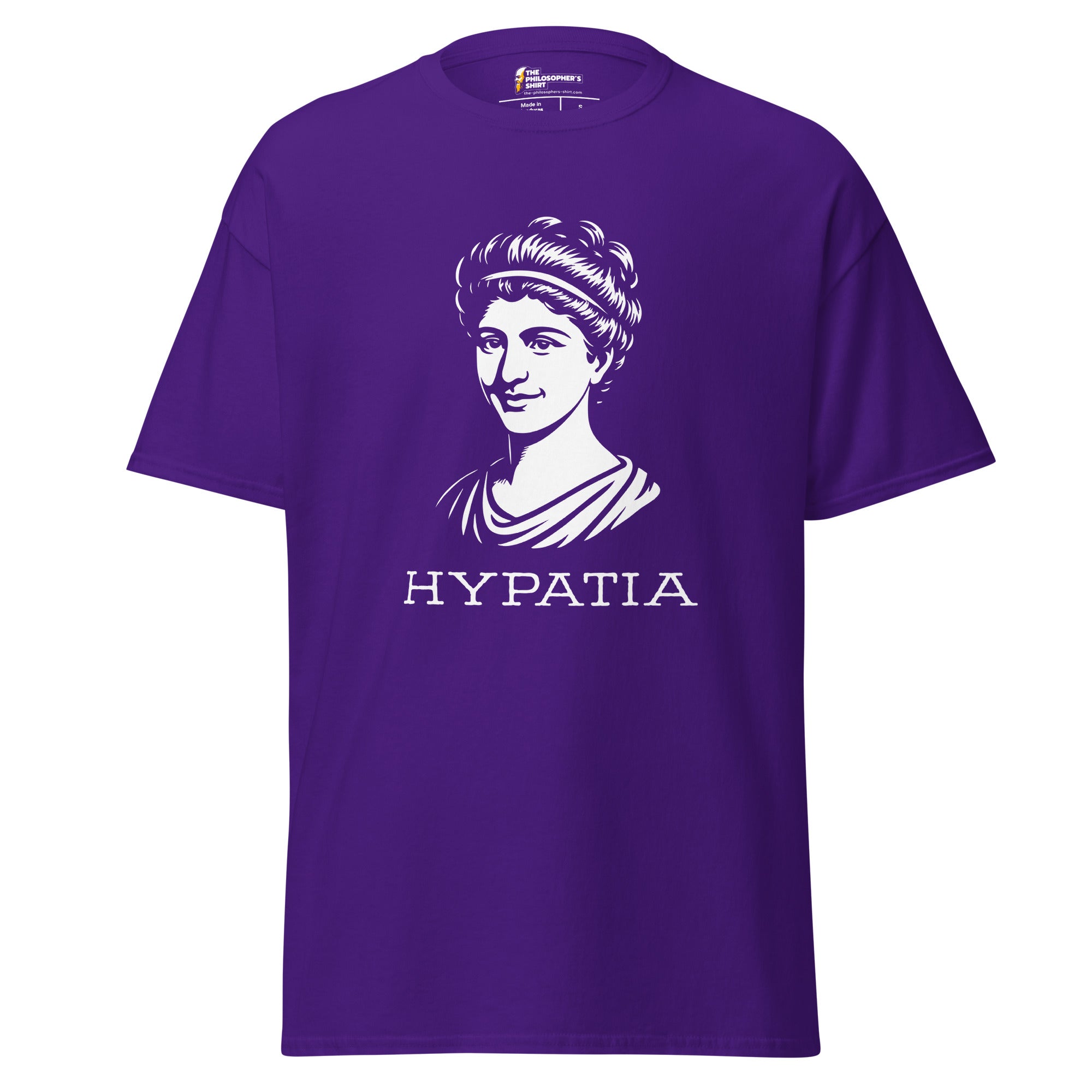
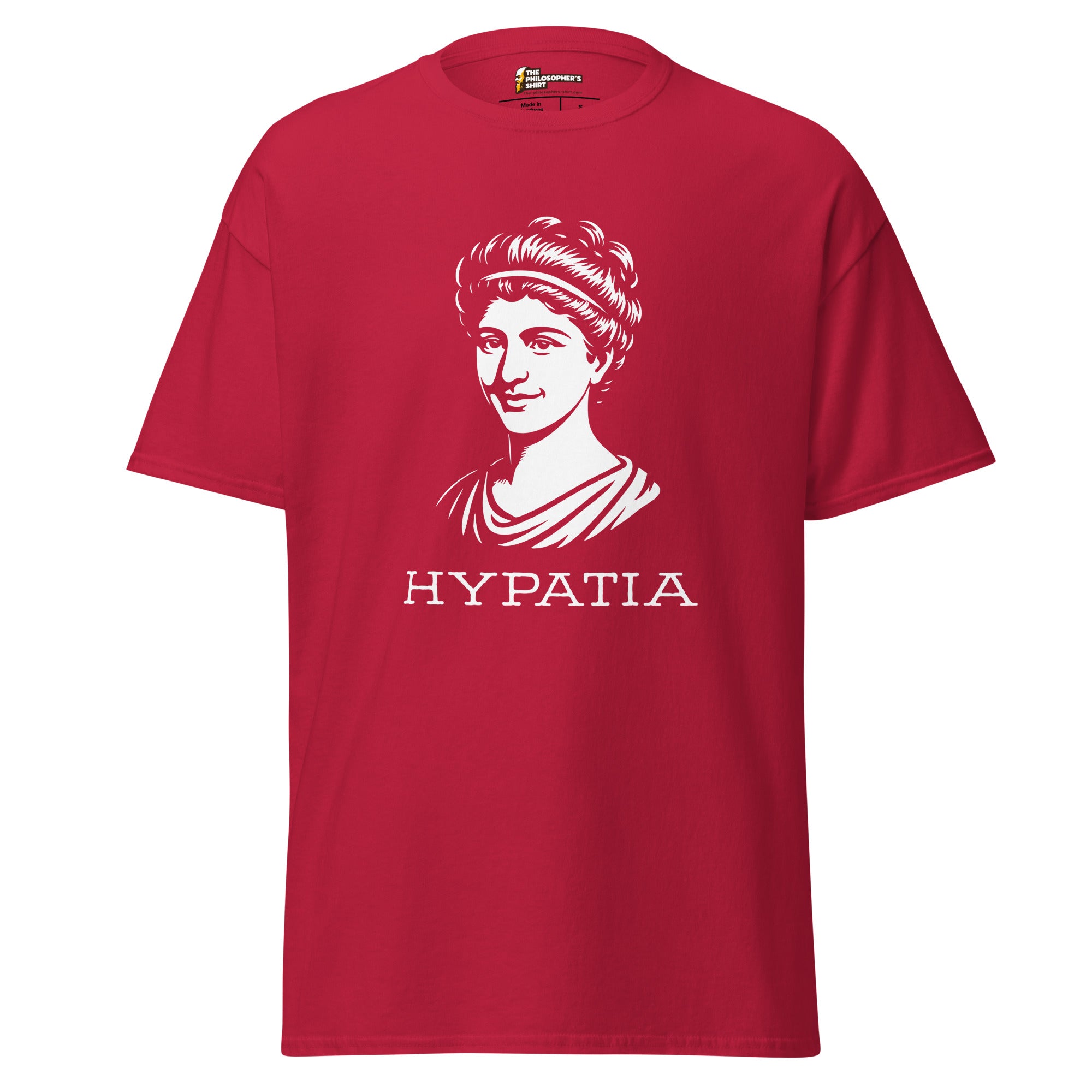
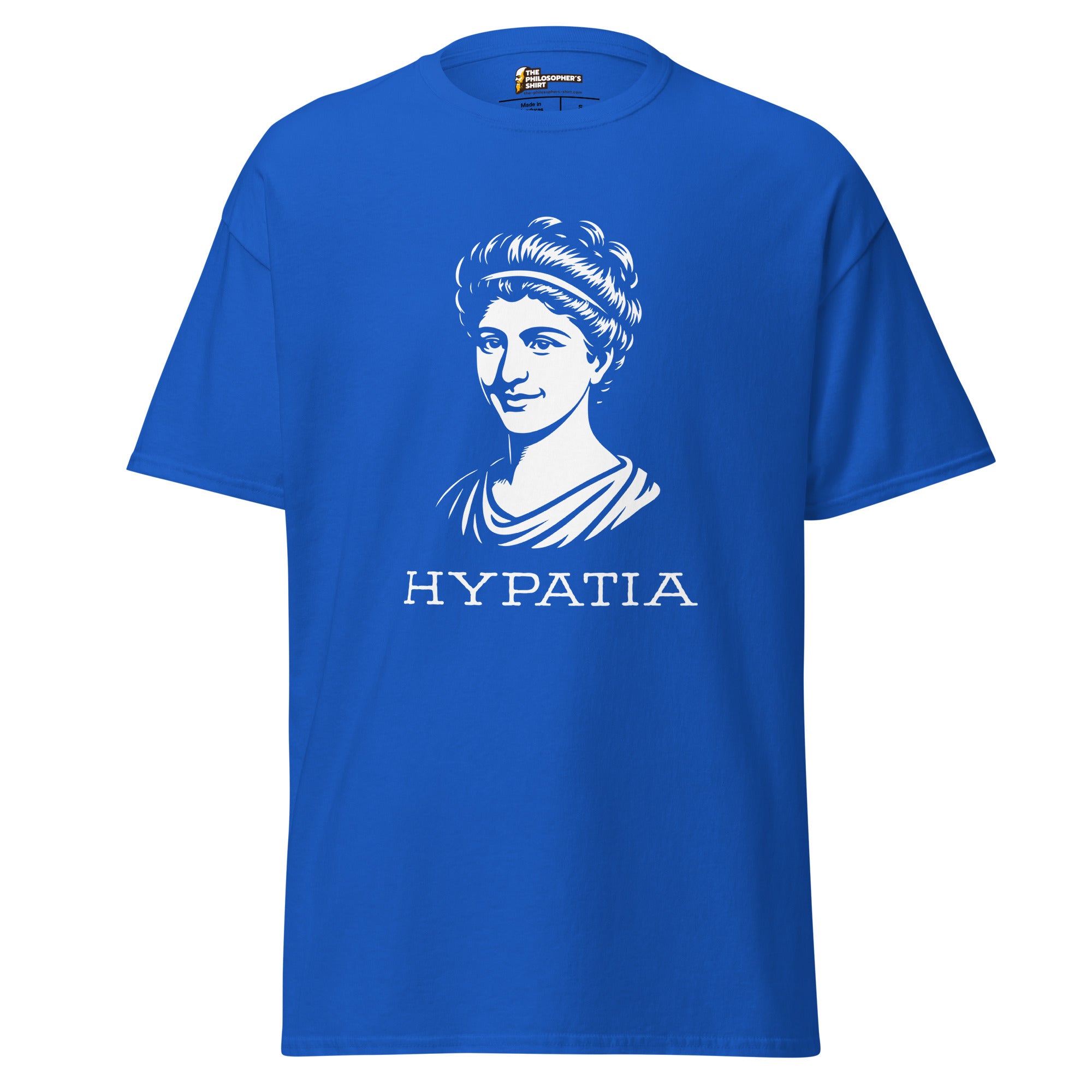
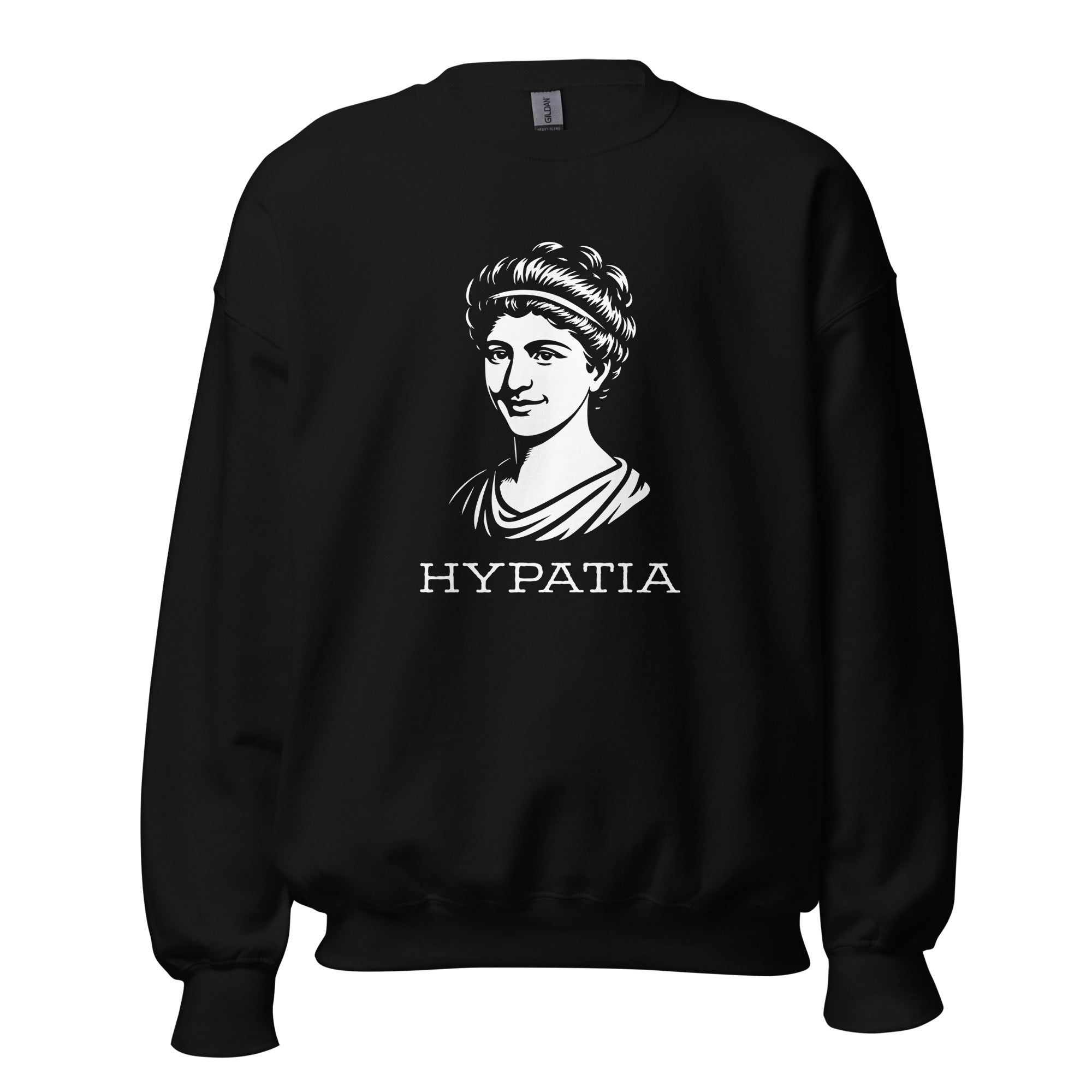
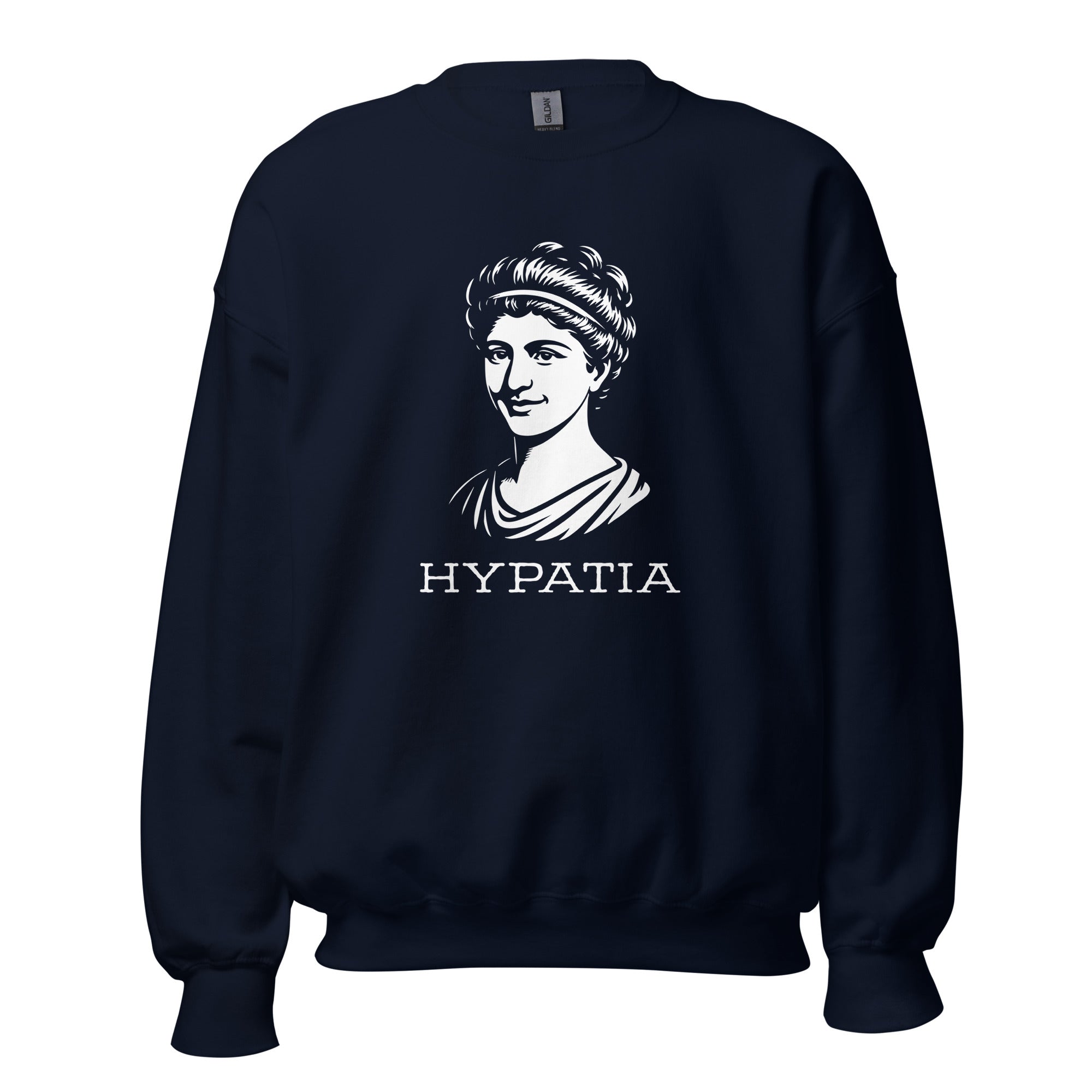
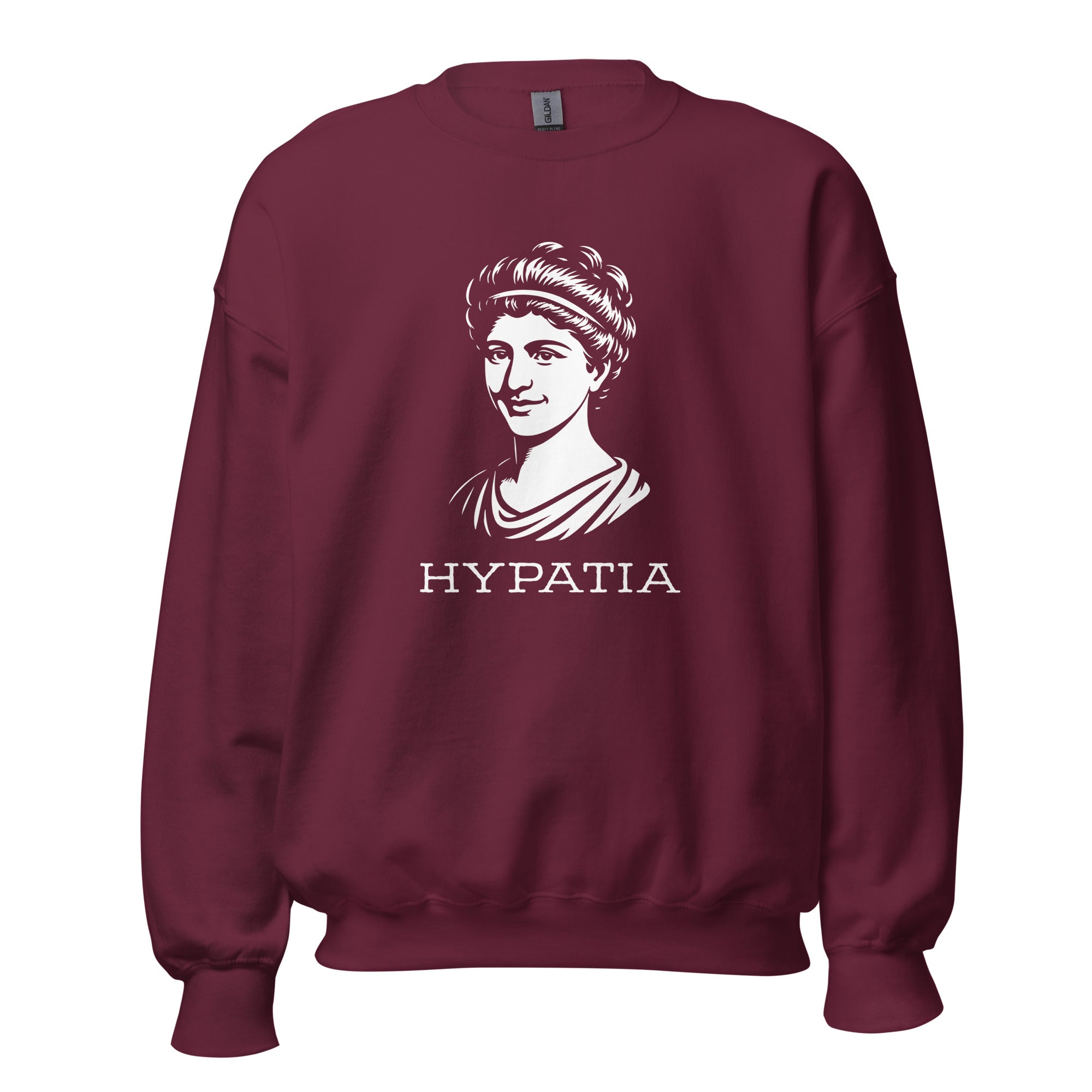
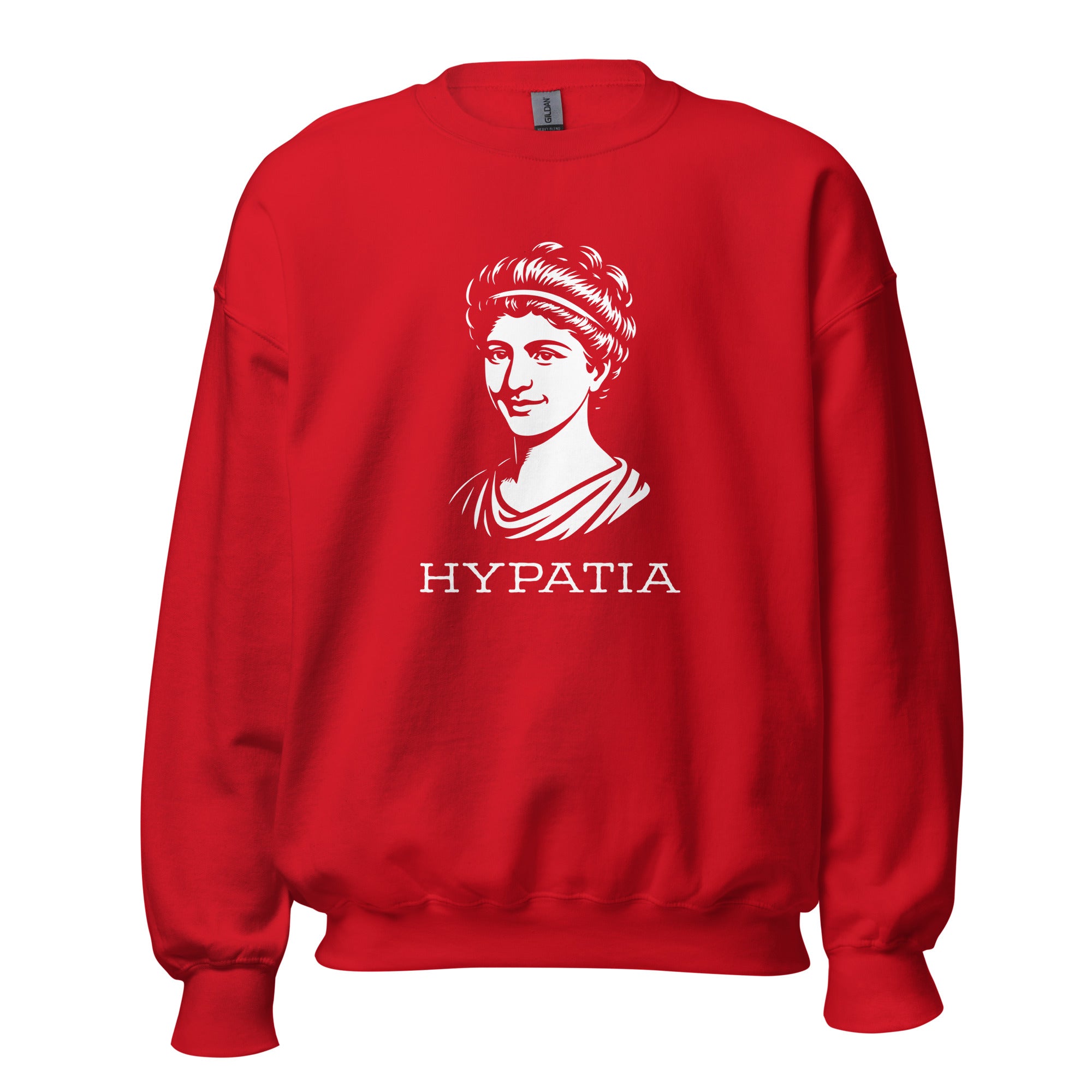
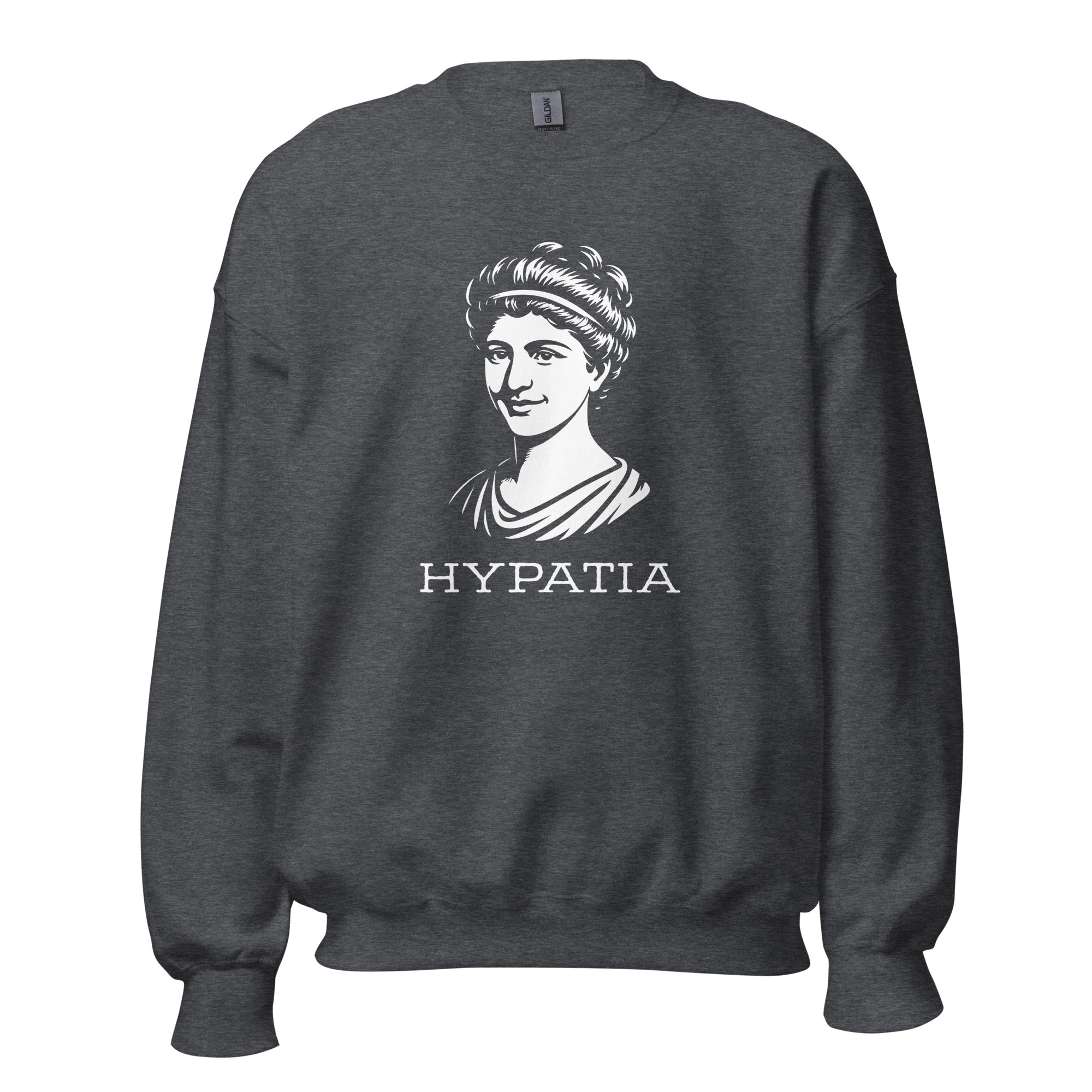
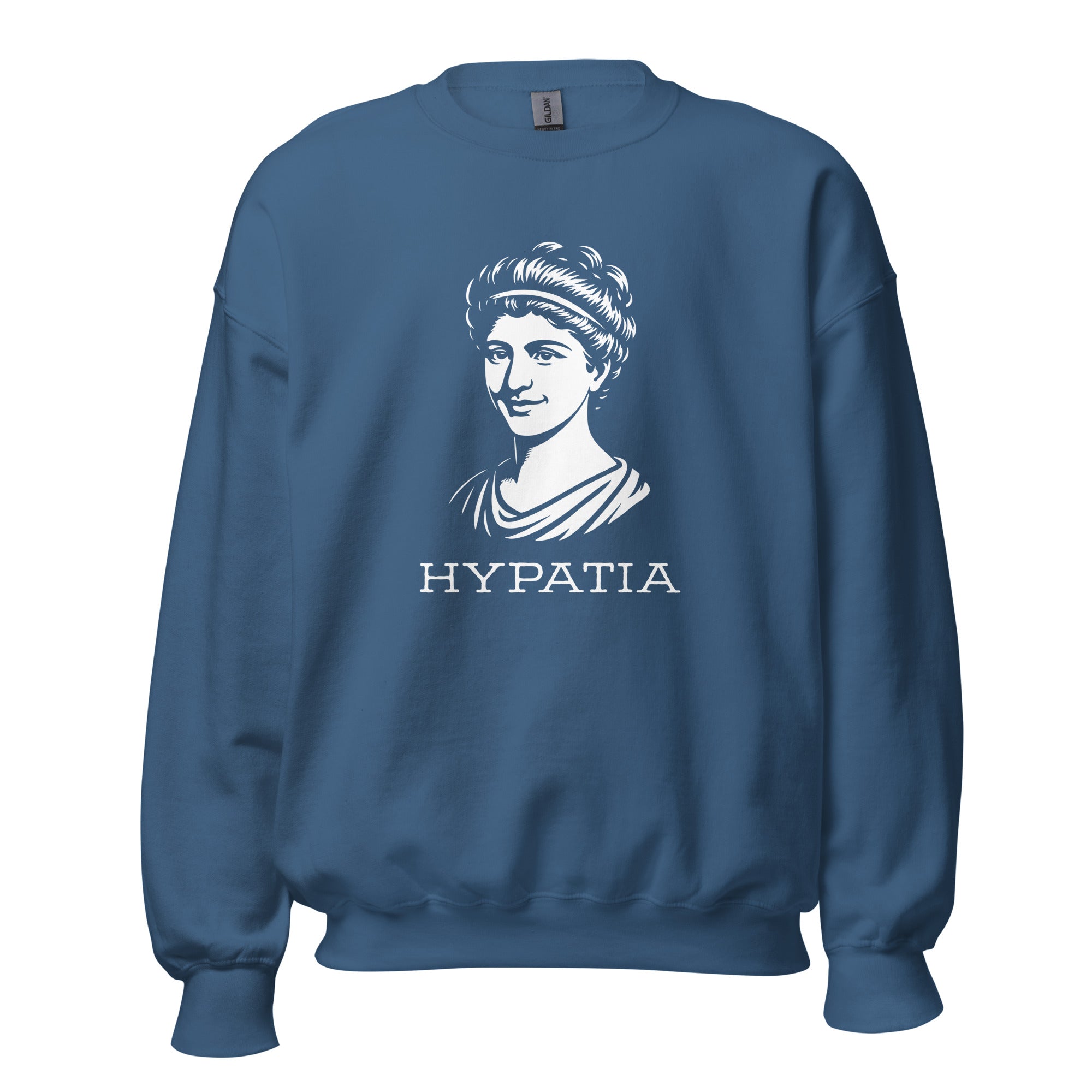
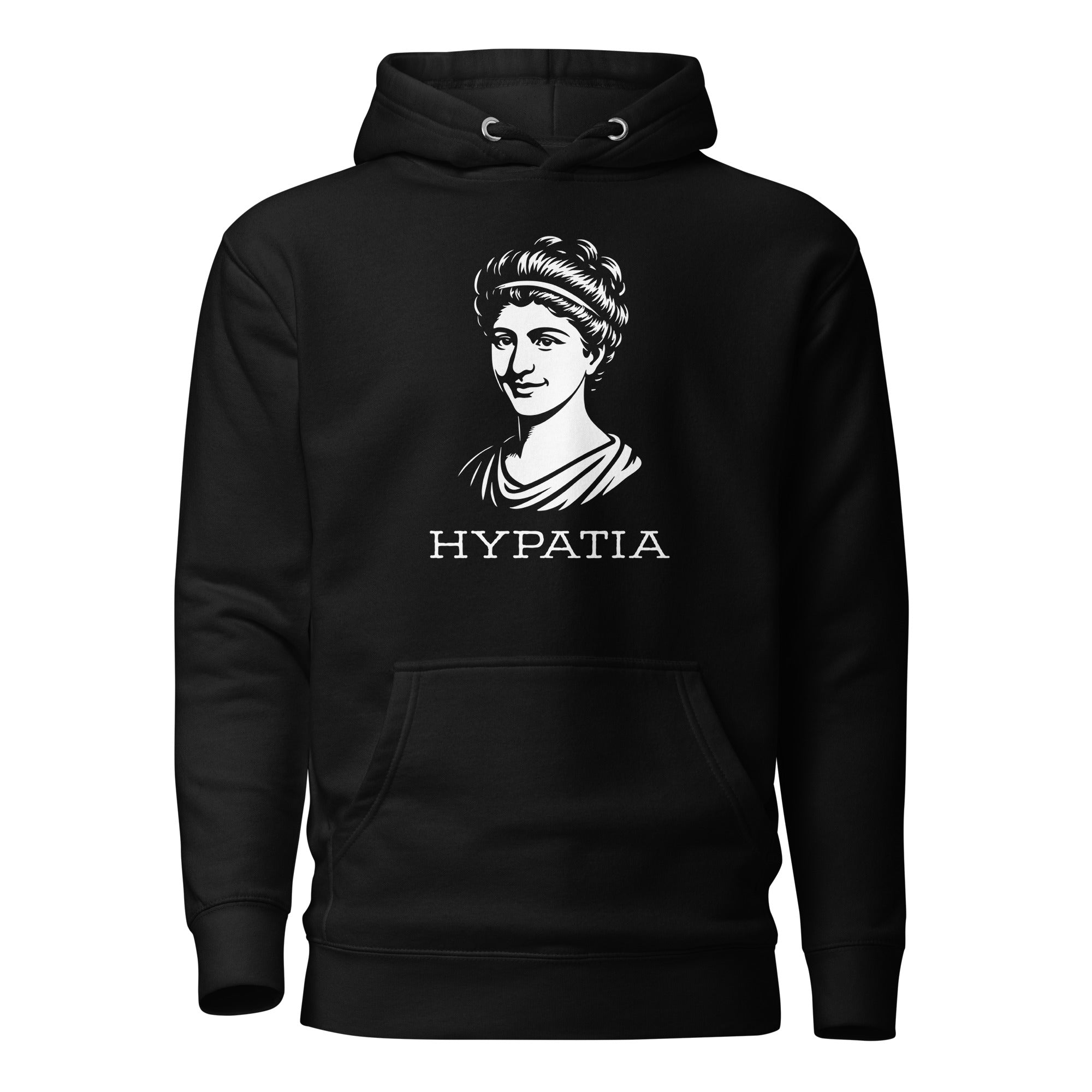
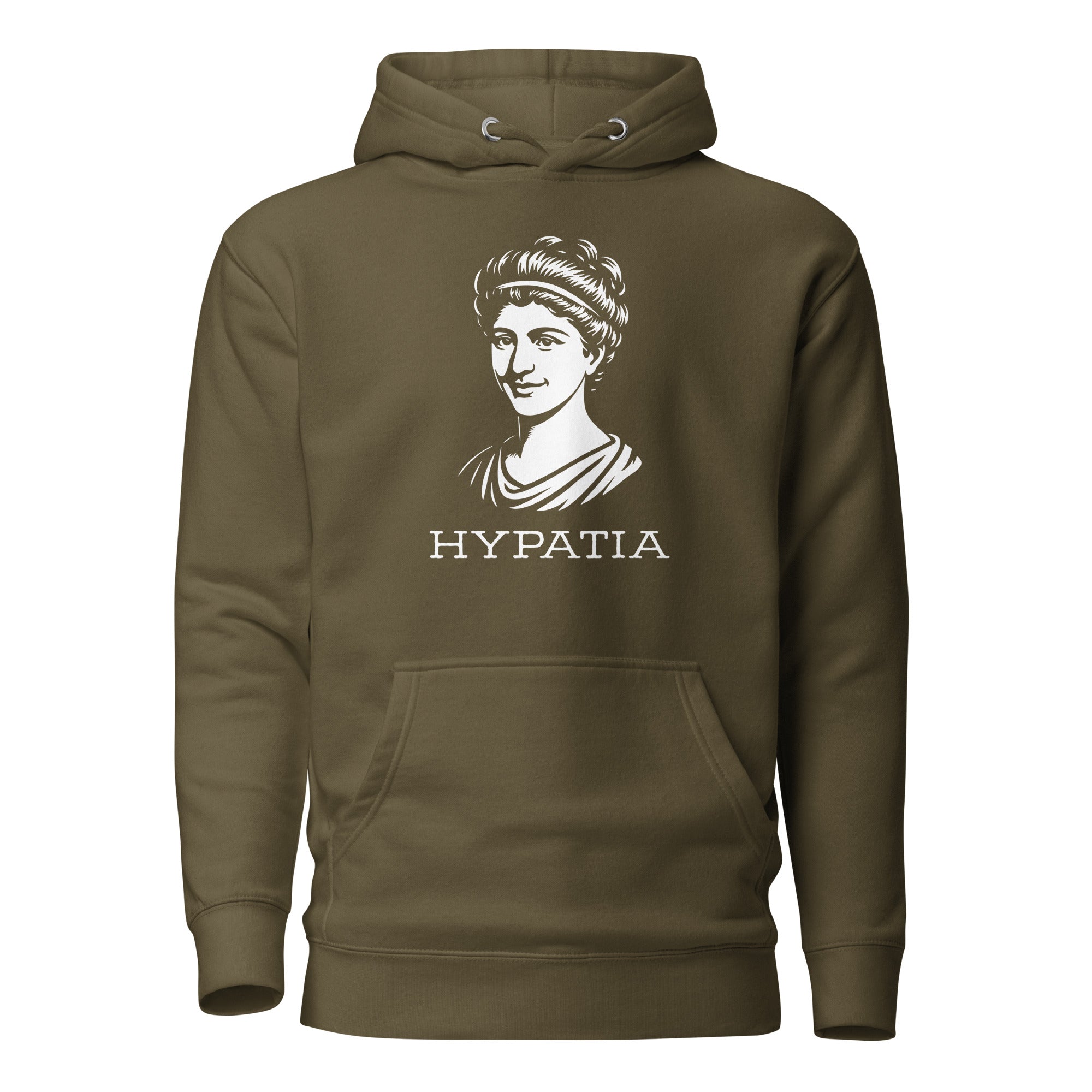
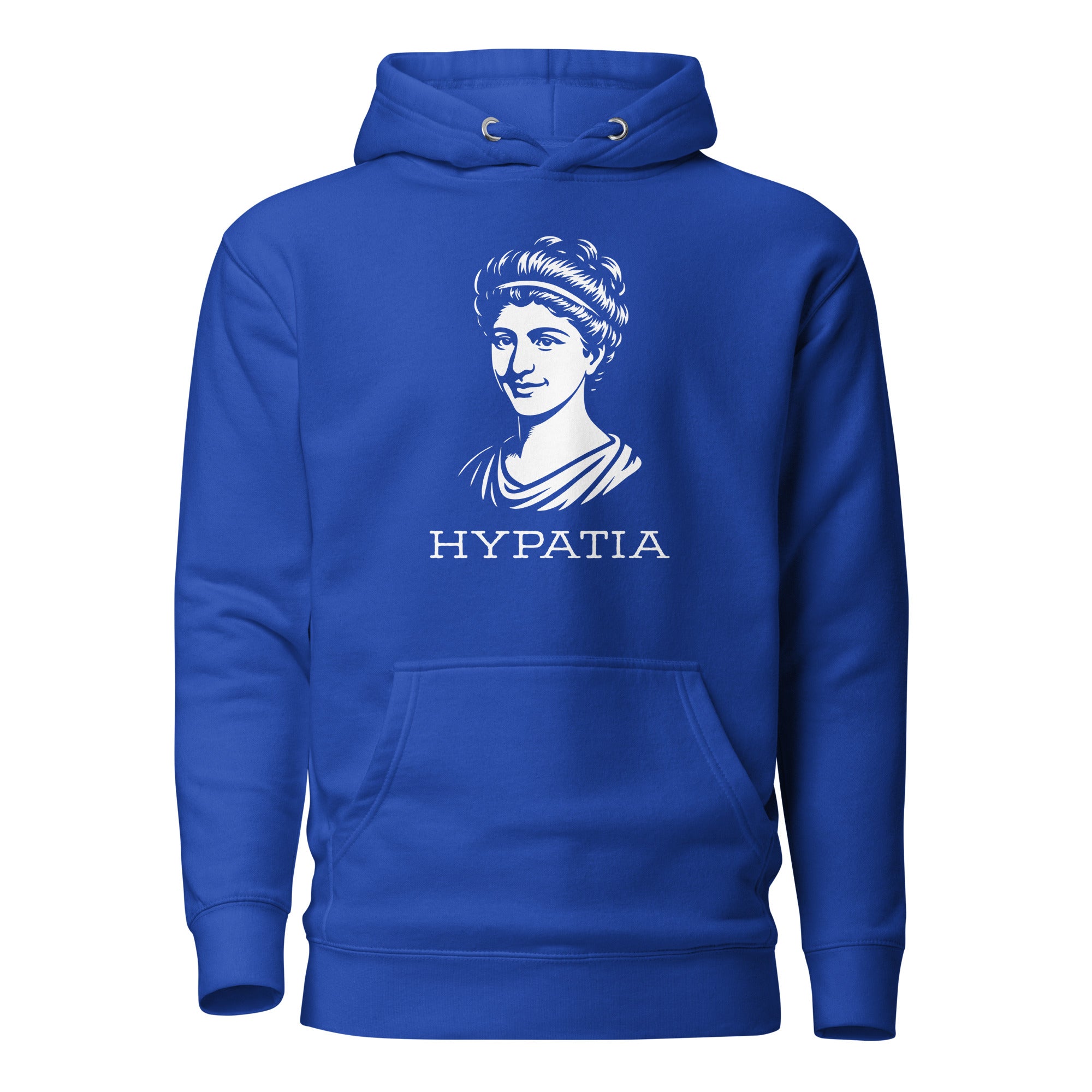
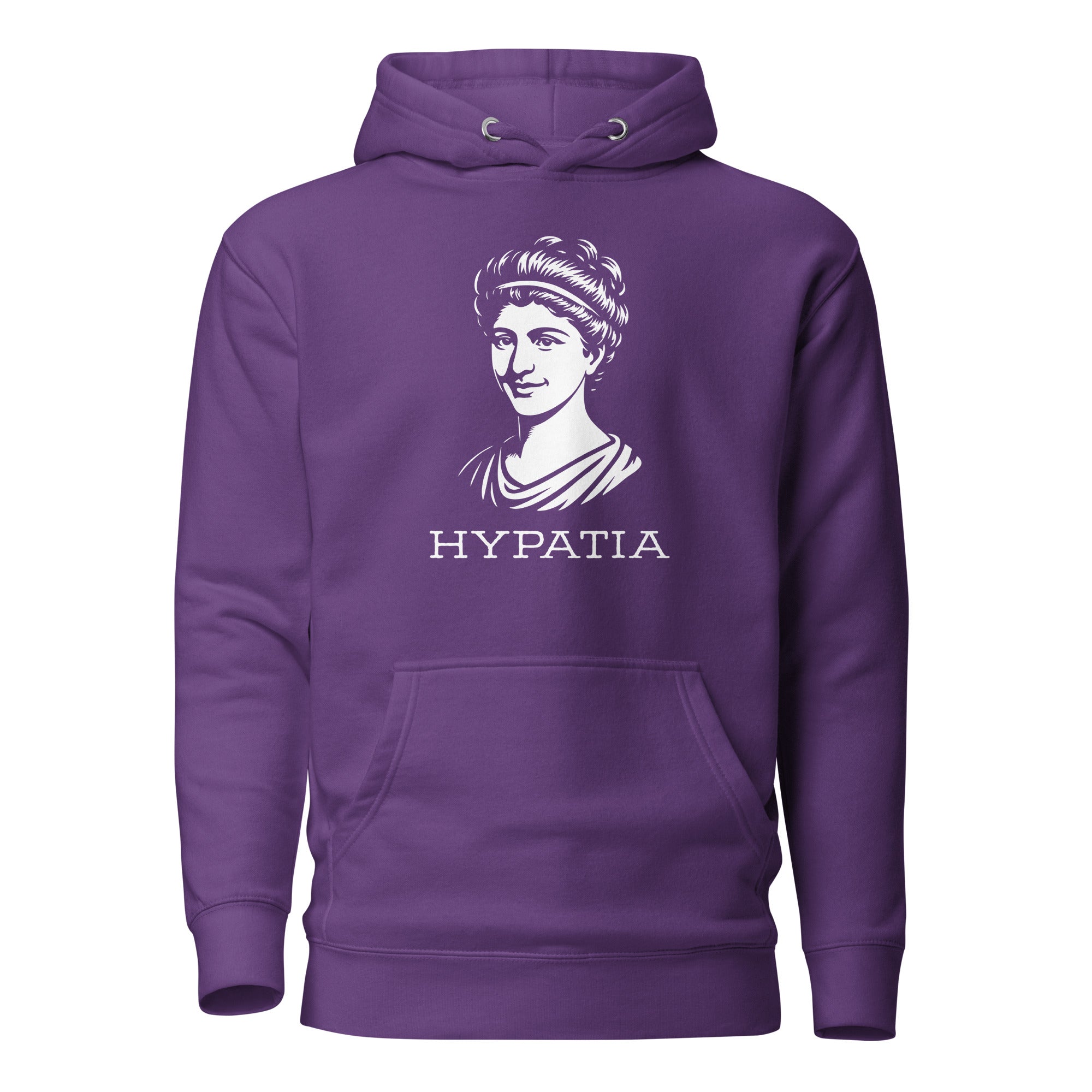
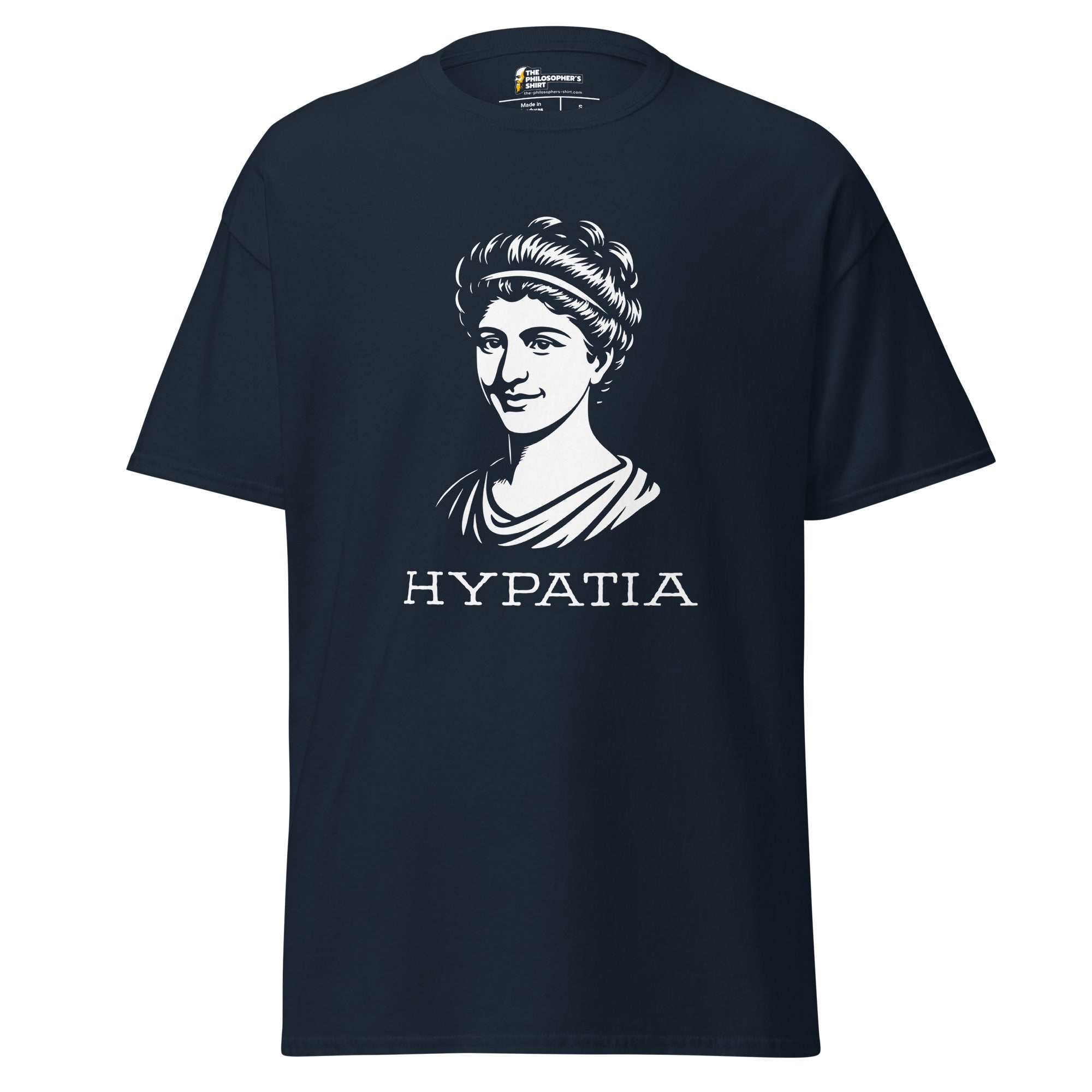
Hypatia Portrait

Hypatia taught mathematics, astronomy and Neoplatonism in Alexandria until a Christian mob killed her. The library's decline is usually dated from around then.

One of the few women the ancient record could not erase, and nearly did. The whole range: tees, women's tees, sweatshirts and hoodies, printed to order as you buy them. She taught the heavens. They killed her for it.
Questions about this design

What does the Hypatia design show?
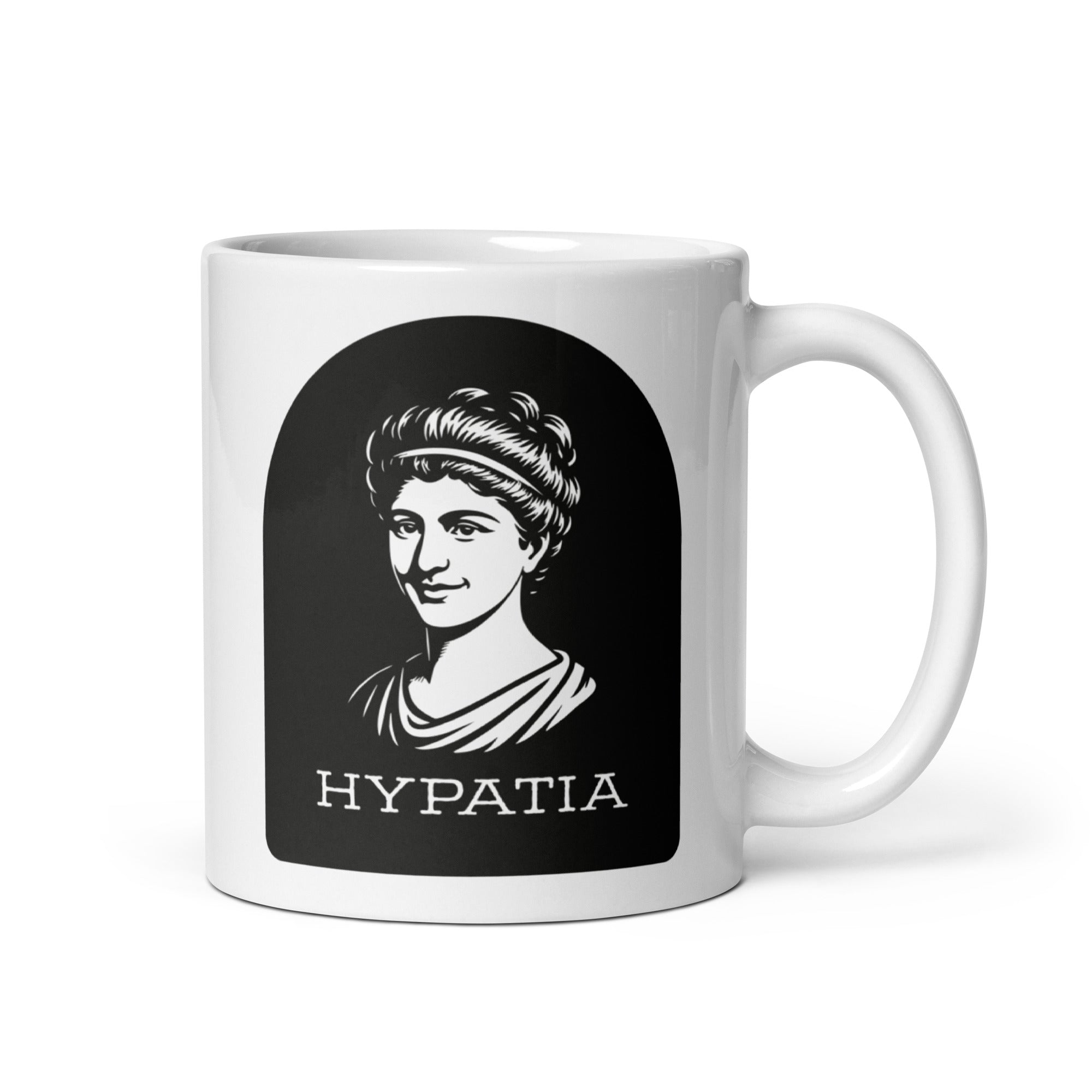
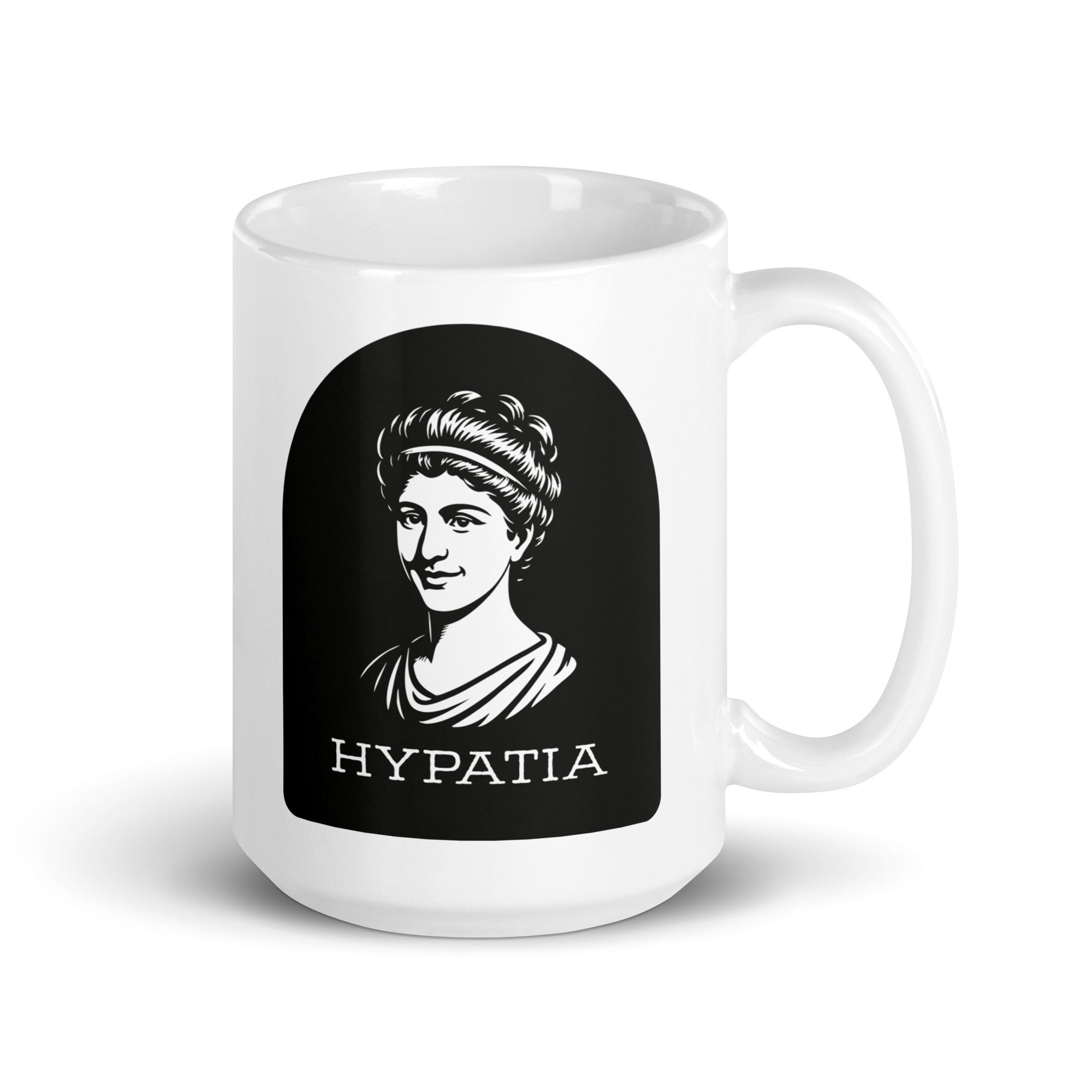
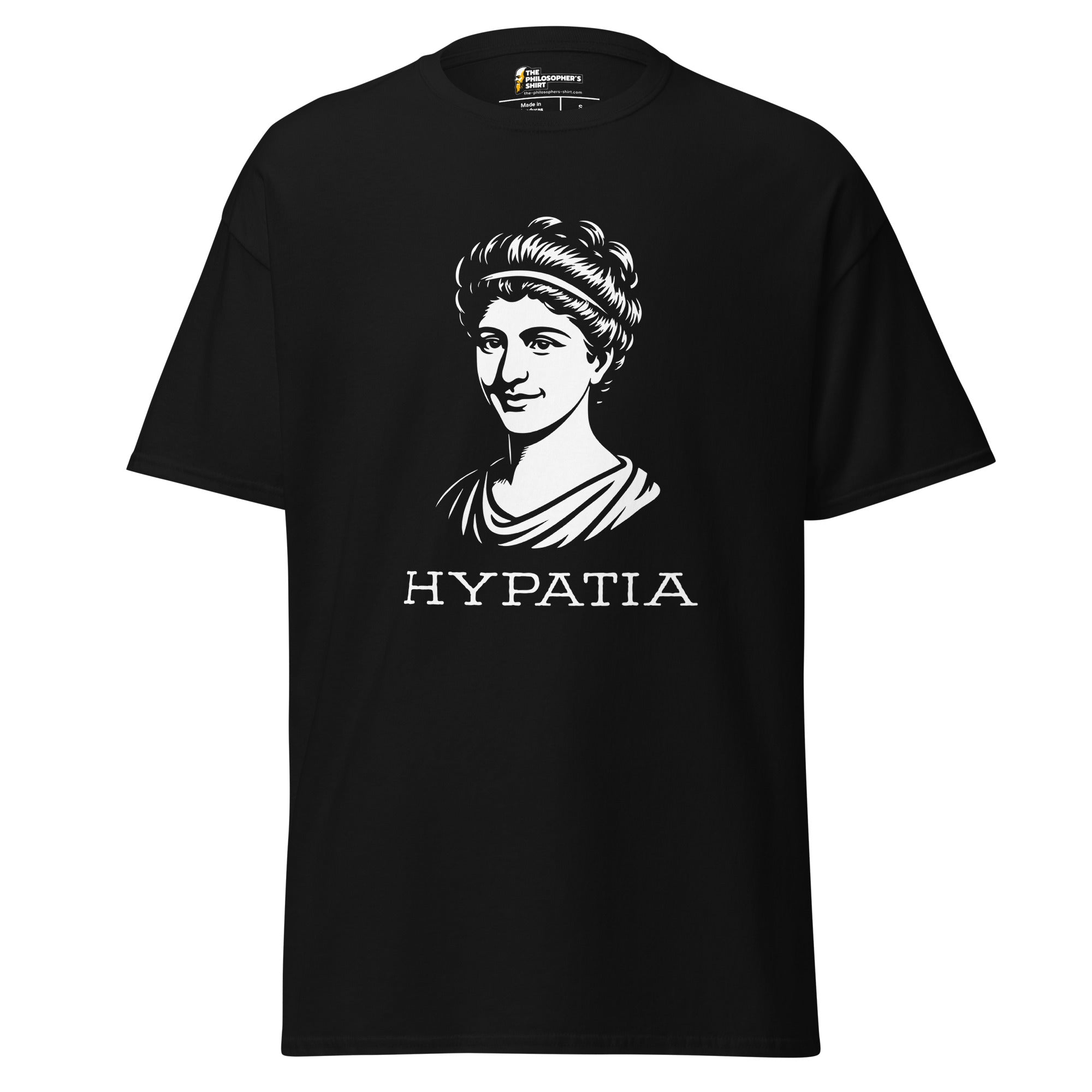
A portrait bust of Hypatia of Alexandria in the style of a classical engraving – hair tied with a band, a draped garment and a calm, slightly amused expression – above her name in serif capitals. No ancient portrait of her survives, so it is an artistic tribute rather than a likeness, honouring one of the few ancient women philosophers whose life we can still trace.
Who was Hypatia of Alexandria?
A Greek philosopher, mathematician and astronomer who lived in Alexandria, Egypt, from around 355 (some scholars say 370) to 415 CE. The daughter of the mathematician Theon, she headed a respected school, taught both pagan and Christian students and advised the city’s leaders. She is the best-documented woman mathematician of antiquity.
What did Hypatia contribute to mathematics and astronomy?
According to the Byzantine encyclopedia known as the Suda, she wrote commentaries on Diophantus’ Arithmetica and Apollonius’ Conics and an astronomical table work. Her father’s commentary on Ptolemy’s Almagest says Book III was revised by his daughter Hypatia. None of her own writings survive under her name, so she is known above all as an editor, teacher and commentator.
Did Hypatia invent the astrolabe?
No. The astrolabe is older, building on Hipparchus and Ptolemy. Her student Synesius of Cyrene describes having a silver astrolabe made with her guidance, and in a letter he asks her to have a hydroscope, a kind of hydrometer, built for him. These letters show her technical expertise, but they do not make her the inventor of either instrument.
How and why was Hypatia killed?
In March 415 a Christian mob led by a man named Peter seized her in the street, dragged her into a church, killed her with potsherds and burned her remains, according to the church historian Socrates Scholasticus. The motive was mainly political – she was seen as an ally of the prefect Orestes in his bitter feud with Bishop Cyril and was blamed for blocking their reconciliation.
Did Hypatia’s death mark the end of the Library of Alexandria?
Not directly. The Great Library declined over centuries, and the Serapeum, which held a daughter collection, was destroyed in 391 – more than twenty years before her death. No ancient source links Hypatia to the library. Her murder is better understood as a turning point for Alexandria’s intellectual life than as the night the books burned.
What philosophy did Hypatia teach?
Neoplatonism, the late-ancient school founded by Plotinus that saw all reality emanating from a single principle, the One. She taught it alongside mathematics and astronomy, as paths that lead the mind from the visible world to intelligible order. Her student Synesius, later a Christian bishop, wrote to her with lasting reverence.
Was Hypatia the first female mathematician?
She is the first woman mathematician whose life and work are reasonably well documented. Earlier women are linked to mathematics, such as members of the Pythagorean circle, but their stories rest largely on later tradition. Hypatia appears in contemporary letters and church histories, which is why she became a lasting symbol for women in science.
What should I read about Hypatia?
Maria Dzielska’s Hypatia of Alexandria (1995) separates the historical woman from later legend. Edward J. Watts’ Hypatia – The Life and Legend of an Ancient Philosopher (2017) sets her in the politics of late-Roman Alexandria. For a primary source, read Book 7, chapter 15 of Socrates Scholasticus’ Ecclesiastical History, along with the letters of Synesius.
Who is the Hypatia design a good gift for?
For mathematicians, astronomers, teachers, students of classics or philosophy and anyone who wants to honour women in STEM and the history of free inquiry. The design is available as a unisex T-shirt, women’s T-shirt, sweatshirt, premium hoodie, mug and sticker.