Niente dazi: spediamo dalla tua regione. Spedizione gratuita da 70 € / $80 / £60
Cerca nel nostro sito

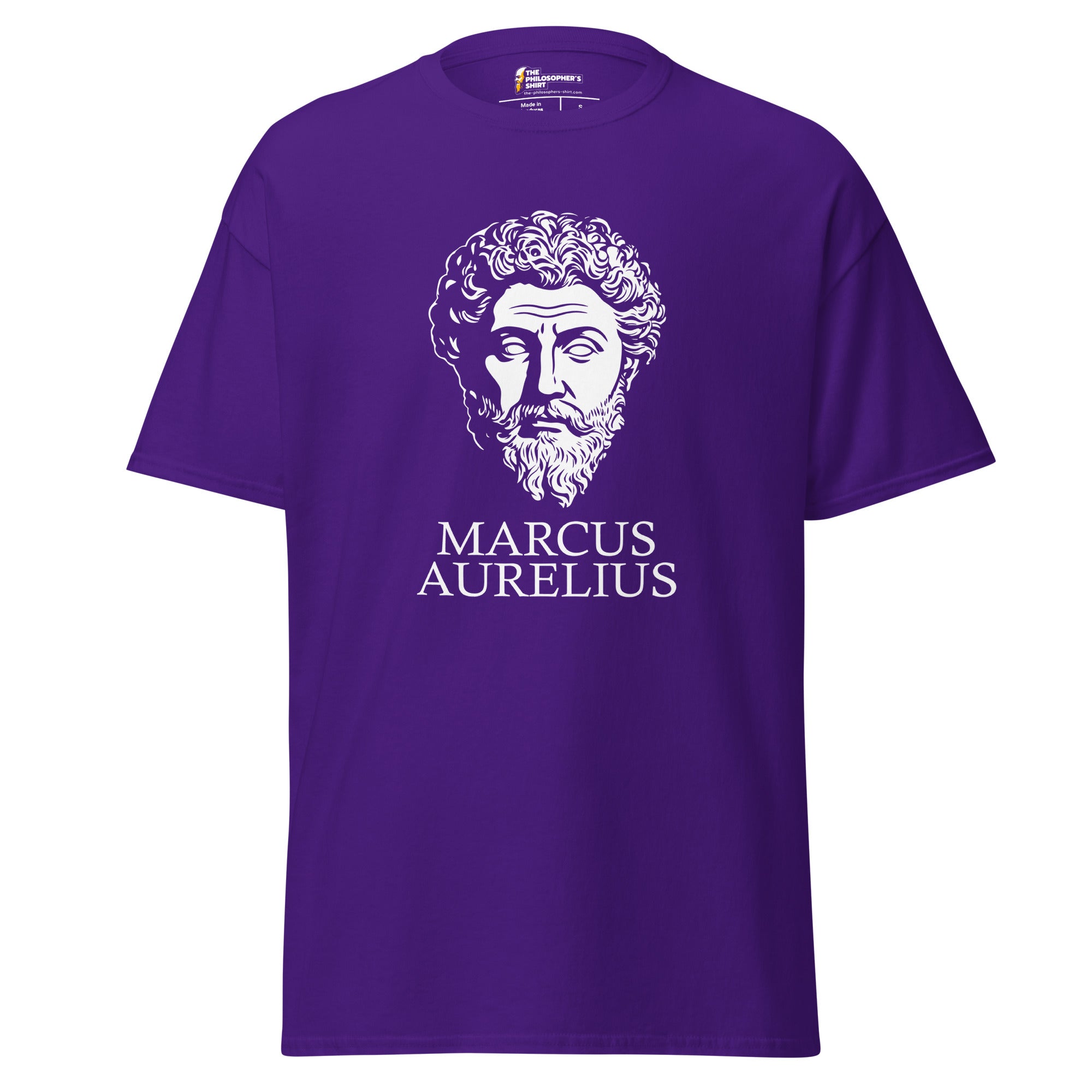
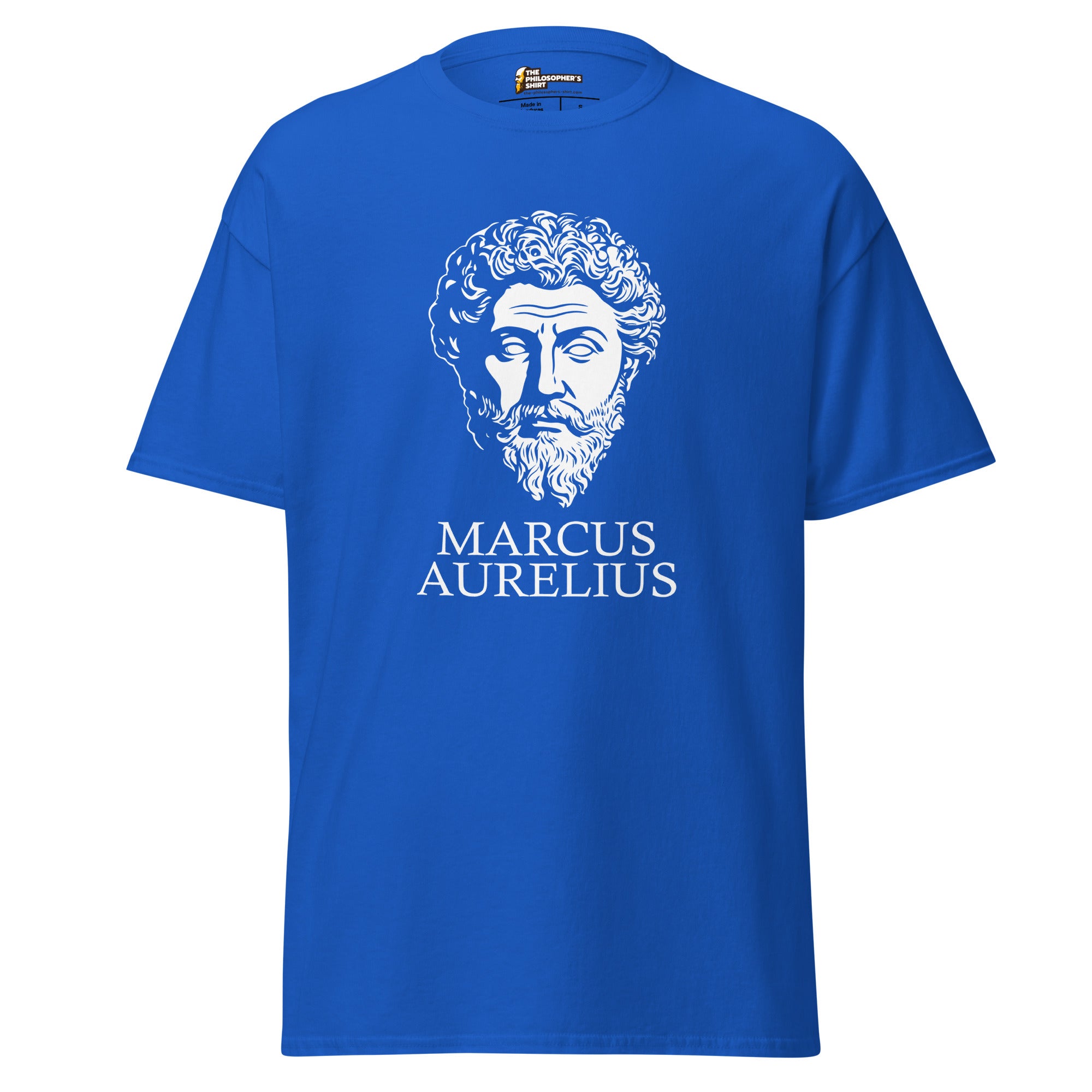
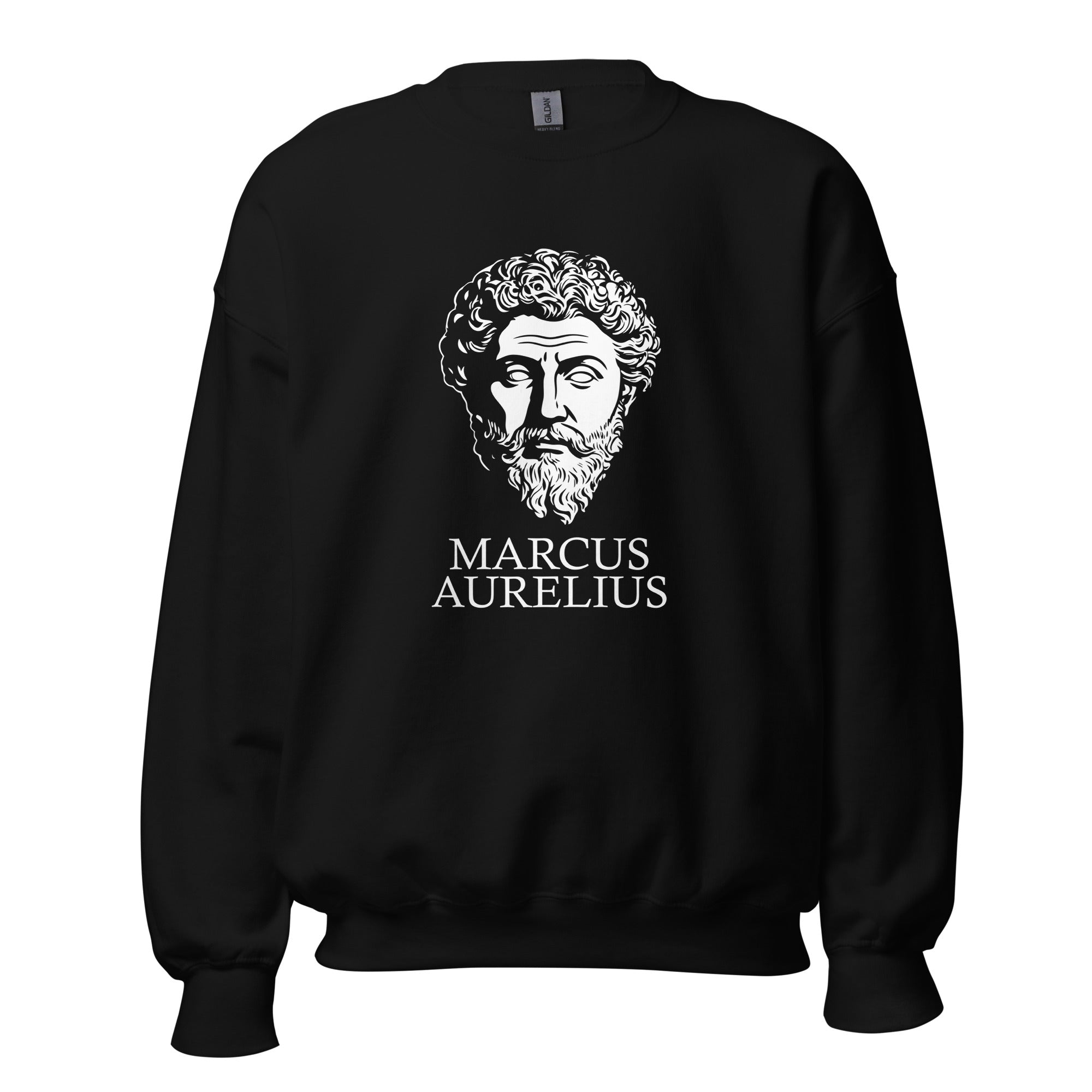
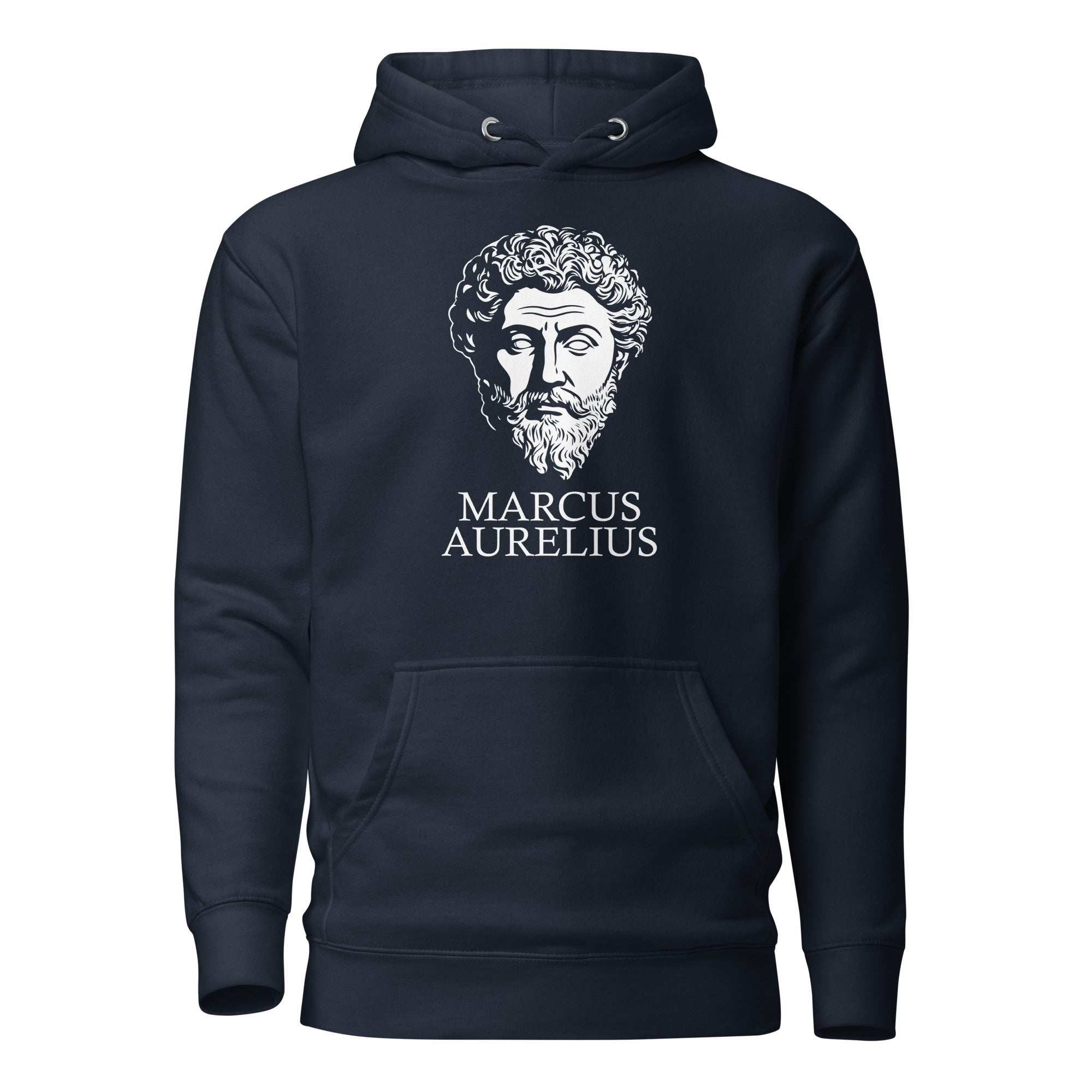
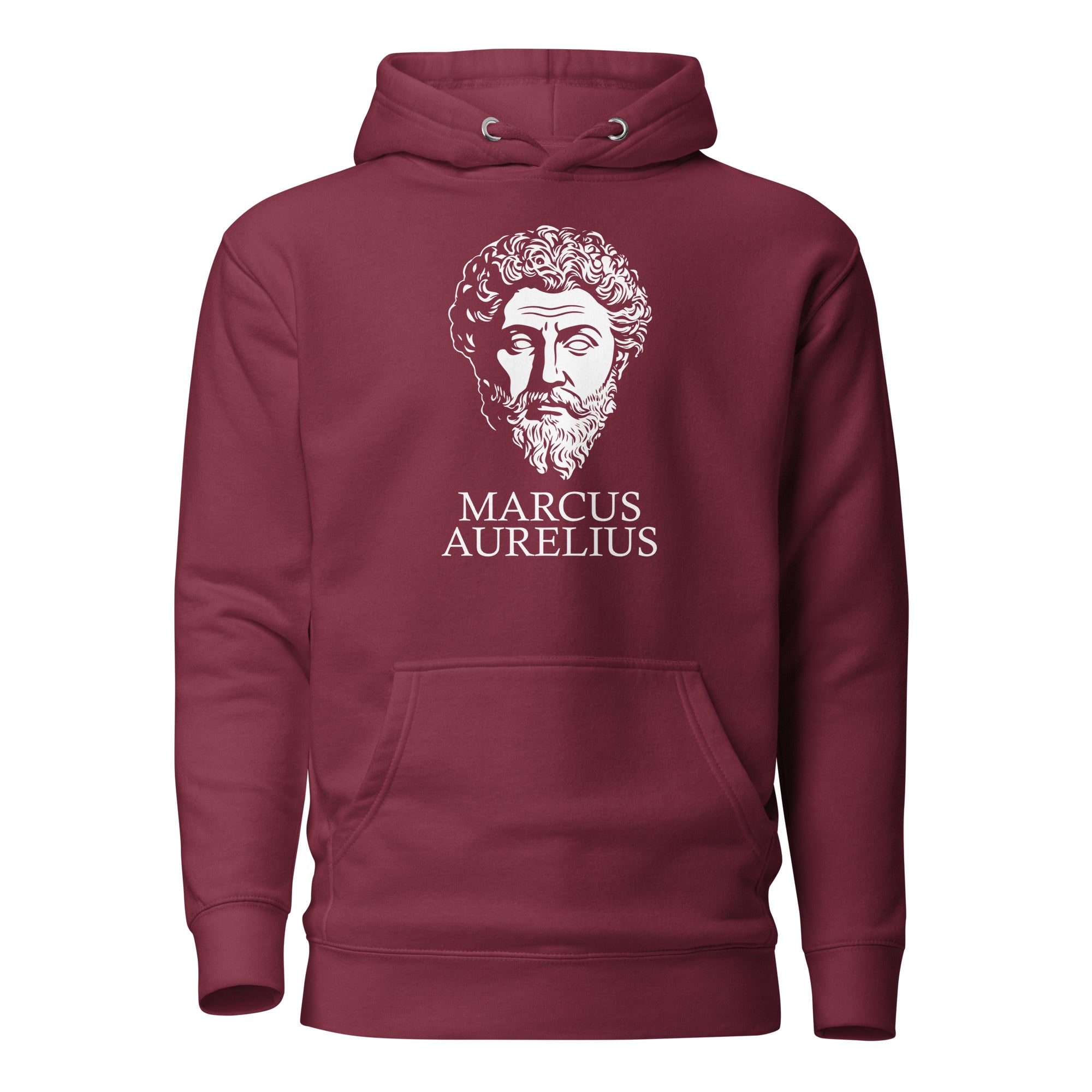
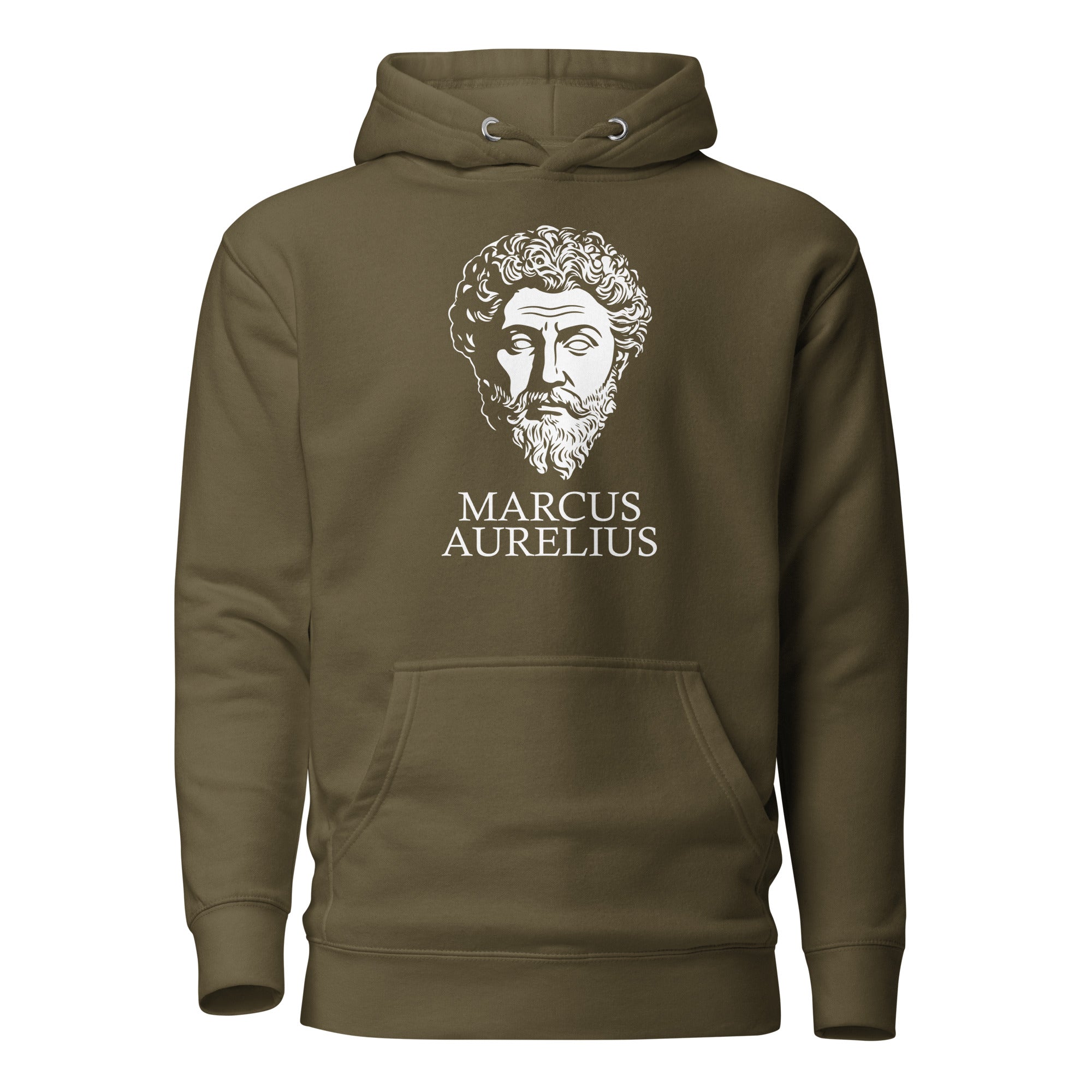
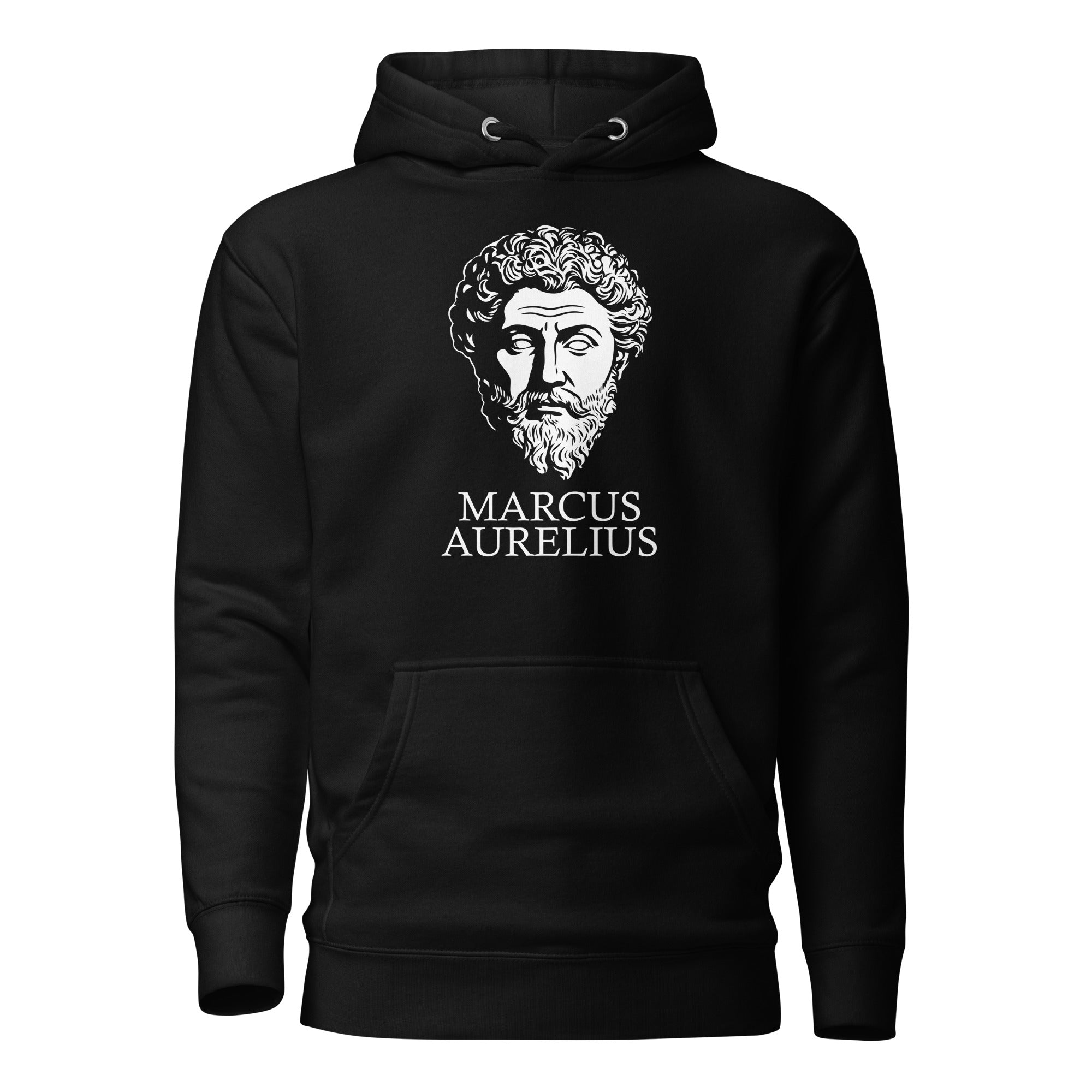
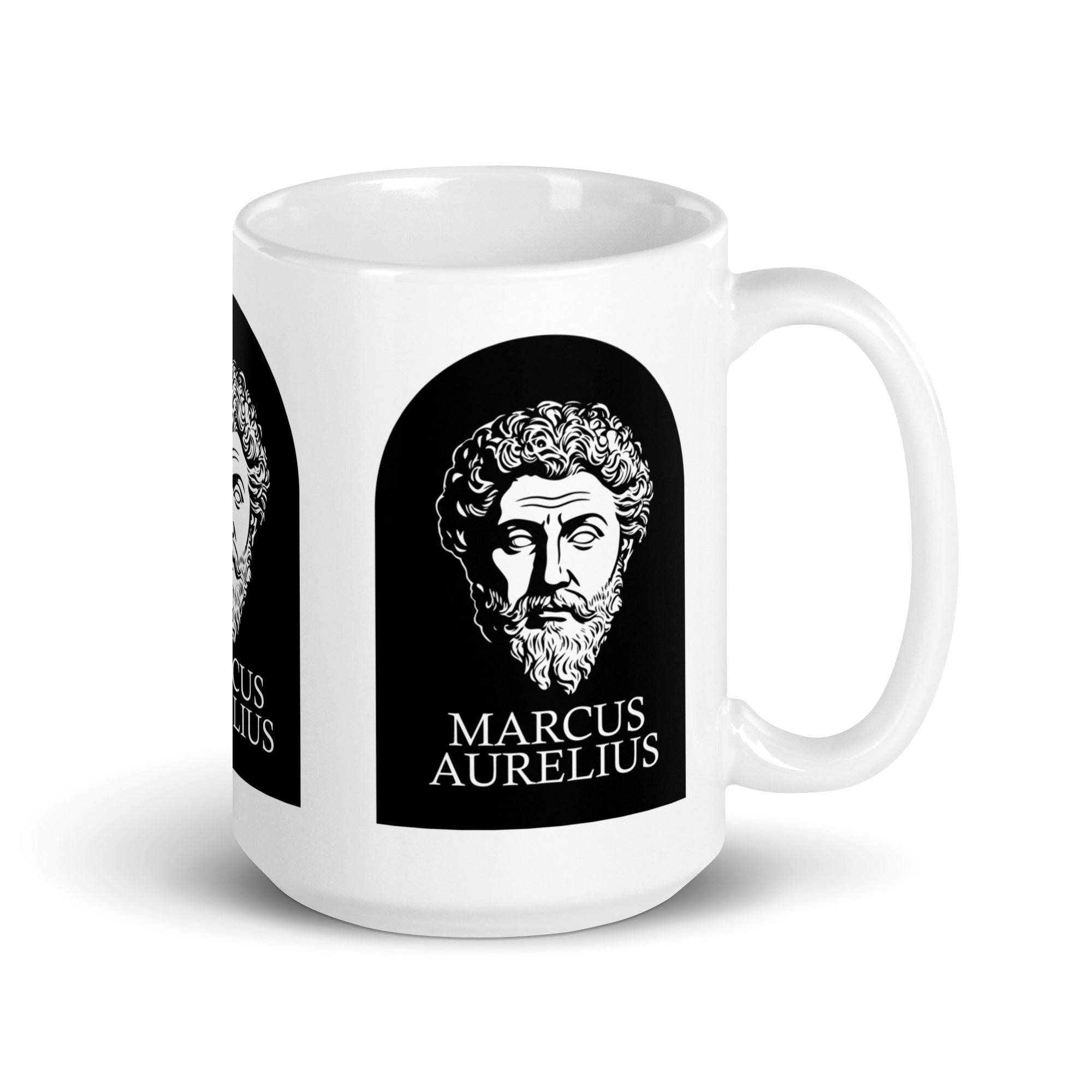
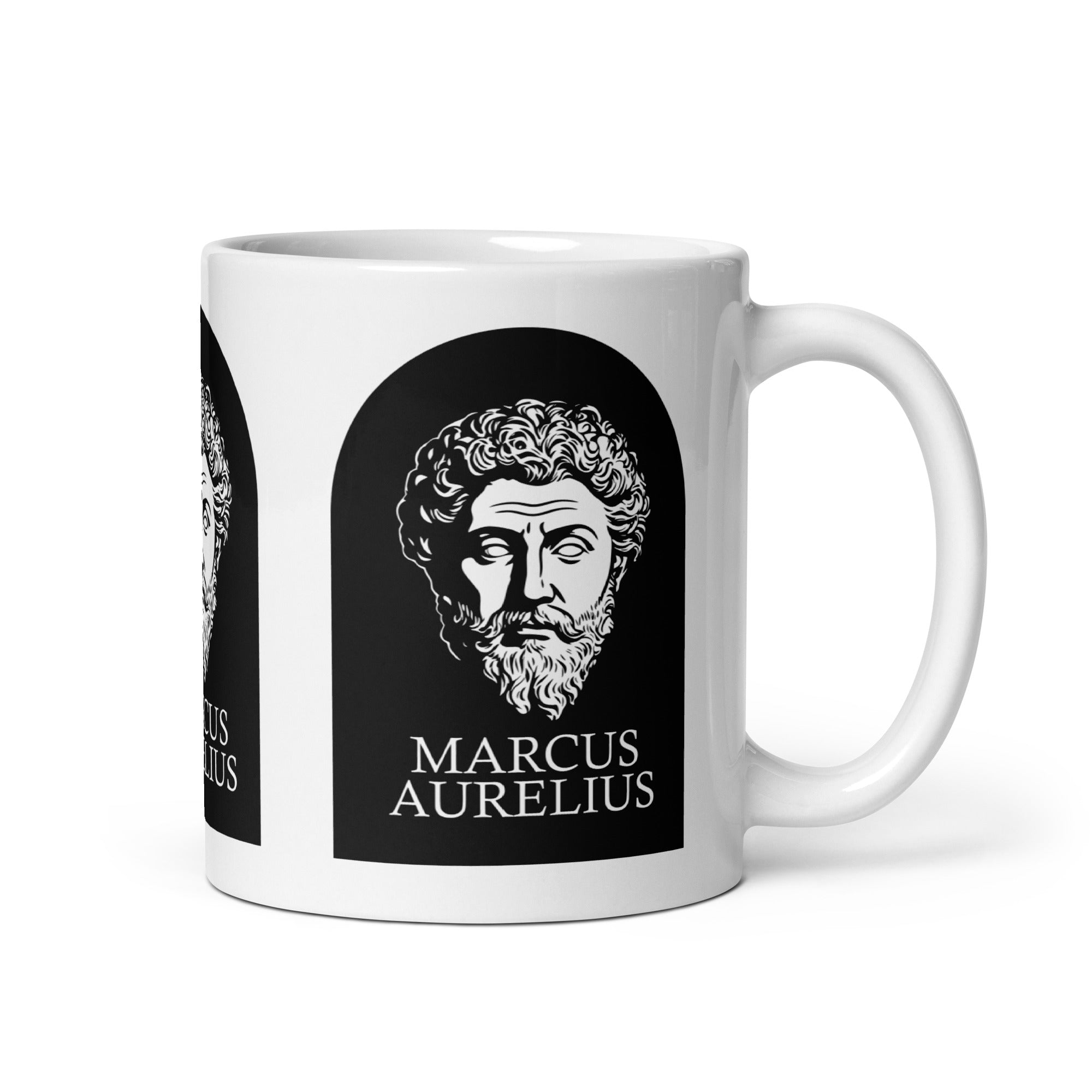
Marcus Aurelius Portrait

The most powerful man alive spent his evenings writing reminders to himself not to be angry, arrogant or afraid. He never intended anyone to read them.

The single most requested figure in modern stoicism, treated with due seriousness. The whole range: tees, sweatshirts, hoodies and mugs, printed to order as you buy them. You have power over your mind. Not outside events.

Questions about this design

What does the Marcus Aurelius design show?
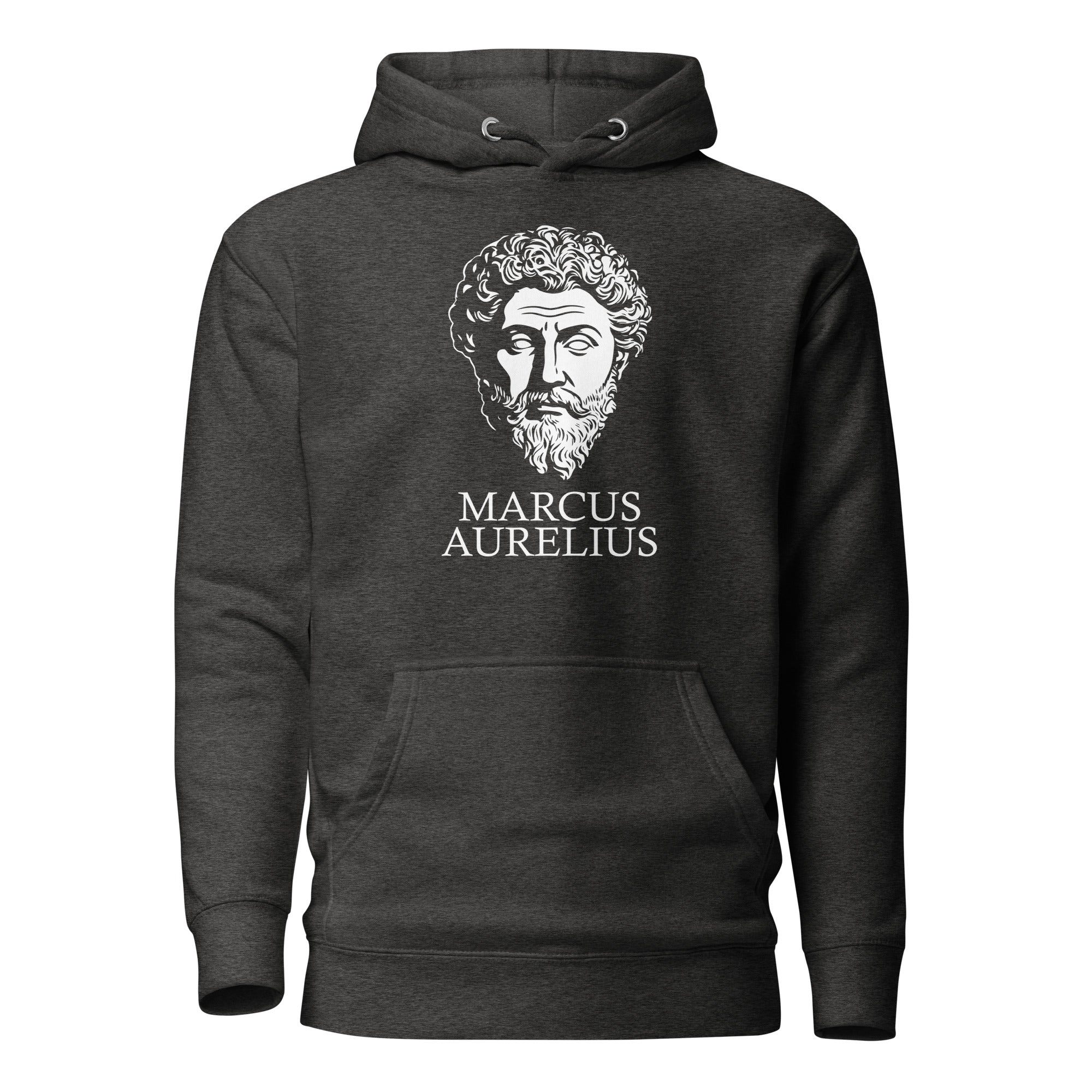
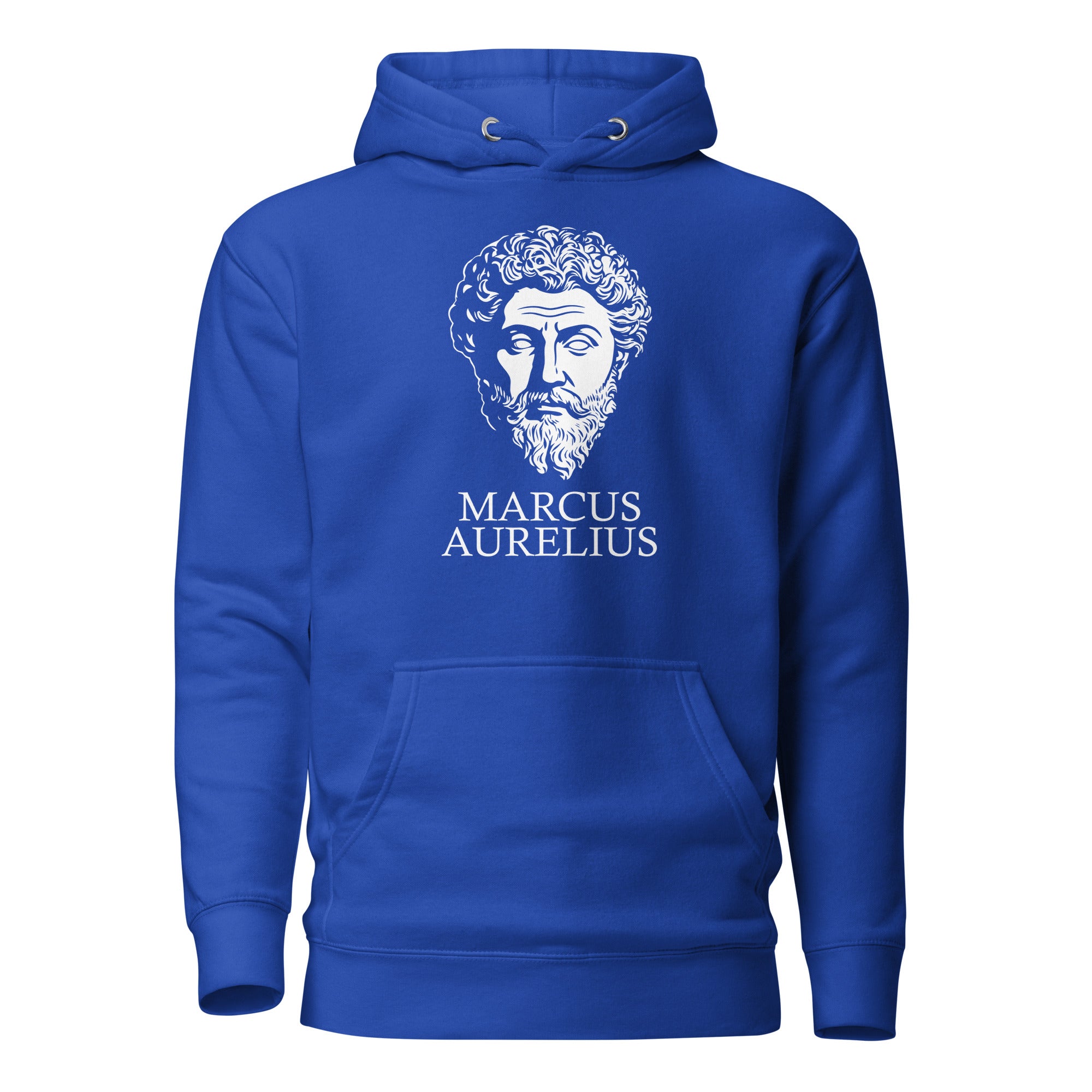
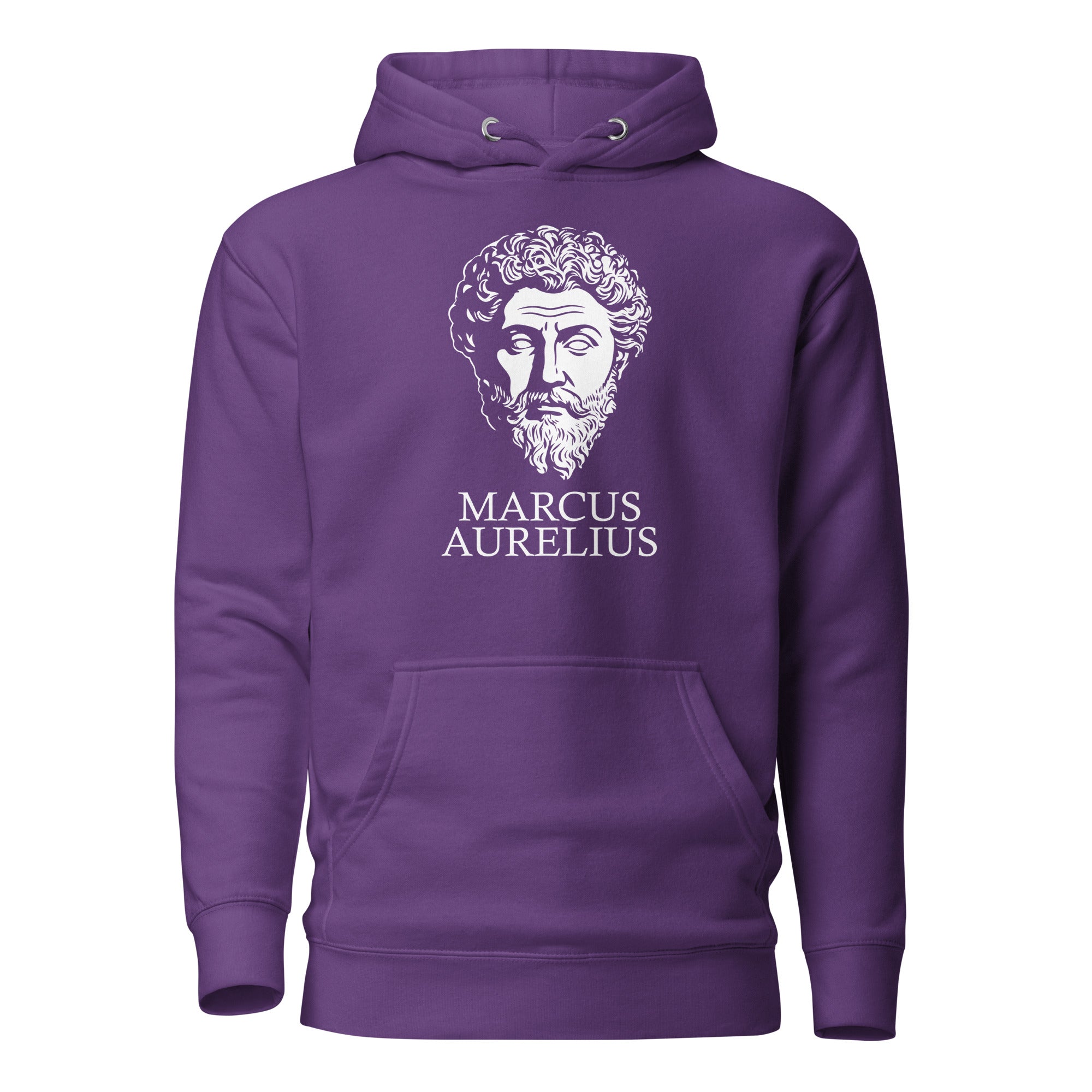
A black-and-white engraving-style bust of Marcus Aurelius, after the ancient marble portraits with their curly hair and full beard, above his name in classical capitals. No slogan, no joke – just the emperor who spent his evenings writing reminders to himself not to be angry, arrogant or afraid, treated with the seriousness he would have wanted.
Who was Marcus Aurelius?
Marcus Aurelius (121–180 CE) was Roman emperor from 161 until his death and the last of the so-called Five Good Emperors. His reign was marked by war on the Danube frontier and the Antonine Plague. He was also a committed Stoic philosopher, and he died on campaign in 180. Today he is best known for his private notebook, the Meditations.
What is Meditations by Marcus Aurelius about?
The Meditations are twelve books of private notes the emperor wrote to himself in Greek, probably in the 170s while on campaign – one book is headed among the Quadi, another at Carnuntum. They were never meant for publication. In short entries he reminds himself to accept what he cannot change, to act justly, to remember death and to judge events calmly.
Did Marcus Aurelius say you have power over your mind, not outside events?
Not in those words. The popular quote, you have power over your mind, not outside events – realise this and you will find strength, is a free modern rendering. The idea is genuine; in Meditations 8.47 he writes that if something external troubles you, the pain comes not from the thing itself but from your judgement of it, which you can revoke at any moment.
What is Stoicism?
Stoicism is a school of philosophy founded by Zeno of Citium in Athens around 300 BCE, named after the Stoa Poikile, the painted porch where he taught. Its core claims are that virtue is the only true good, that we should live in agreement with nature and reason, and that we should distinguish what is up to us – our judgements and actions – from what is not. Its best-known Roman voices are Seneca, Epictetus and Marcus Aurelius.
What are the four Stoic virtues?
The Stoics took over the four cardinal virtues – wisdom, justice, courage and temperance, or self-control. For them these are aspects of a single virtue, a correct and consistent understanding of how to live, and nothing else – wealth, health, reputation – is truly good. In Meditations 3.6 Marcus writes that if you find anything better in life than justice, truth, self-control and courage, you should turn to it with all your heart.
What is the best translation of the Meditations?
There is no single best one, but readers most often recommend Gregory Hays’ clear, modern translation (2002) for a first reading, and Robin Hard’s translation for a version closer to the Greek with good notes. George Long’s Victorian translation (1862) is public domain and free online, but its language feels dated. Reading a few pages of two versions side by side is the best test.
Was Marcus Aurelius a philosopher king?
He is the closest history offers to Plato’s ideal in the Republic, where states will only flourish when philosophers rule or rulers become philosophers. The Historia Augusta says Marcus often quoted this very saying. Historians remain divided on his record – his reign saw harsh wars and he made his son Commodus heir – yet his writing shows a ruler examining himself daily.
Is the Marcus Aurelius design a good gift for someone into Stoicism?
Yes – it suits anyone reading the Meditations, practising Stoic habits or simply admiring a calm head under pressure, and it is understated enough to wear every day. It works for philosophy and classics students, history fans and teachers. The design comes as a classic T-shirt, sweatshirt, premium hoodie, mug and sticker.