Niente dazi: spediamo dalla tua regione. Spedizione gratuita da 70 € / $80 / £60
Cerca nel nostro sito

Nietzsche: Santa is Dead

Santa is dead. Santa remains dead. And we have killed him — by turning eight years old and asking one question too many.

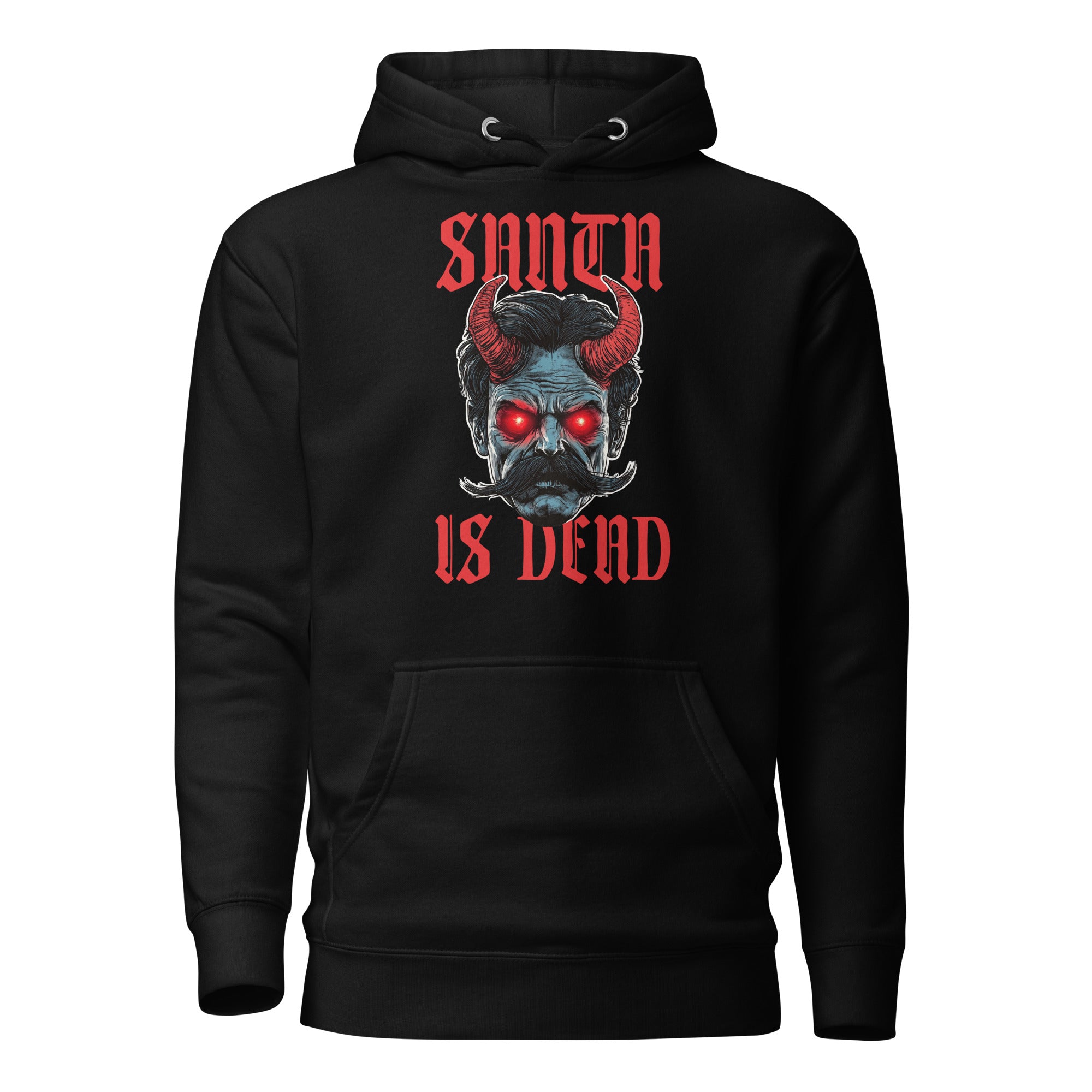
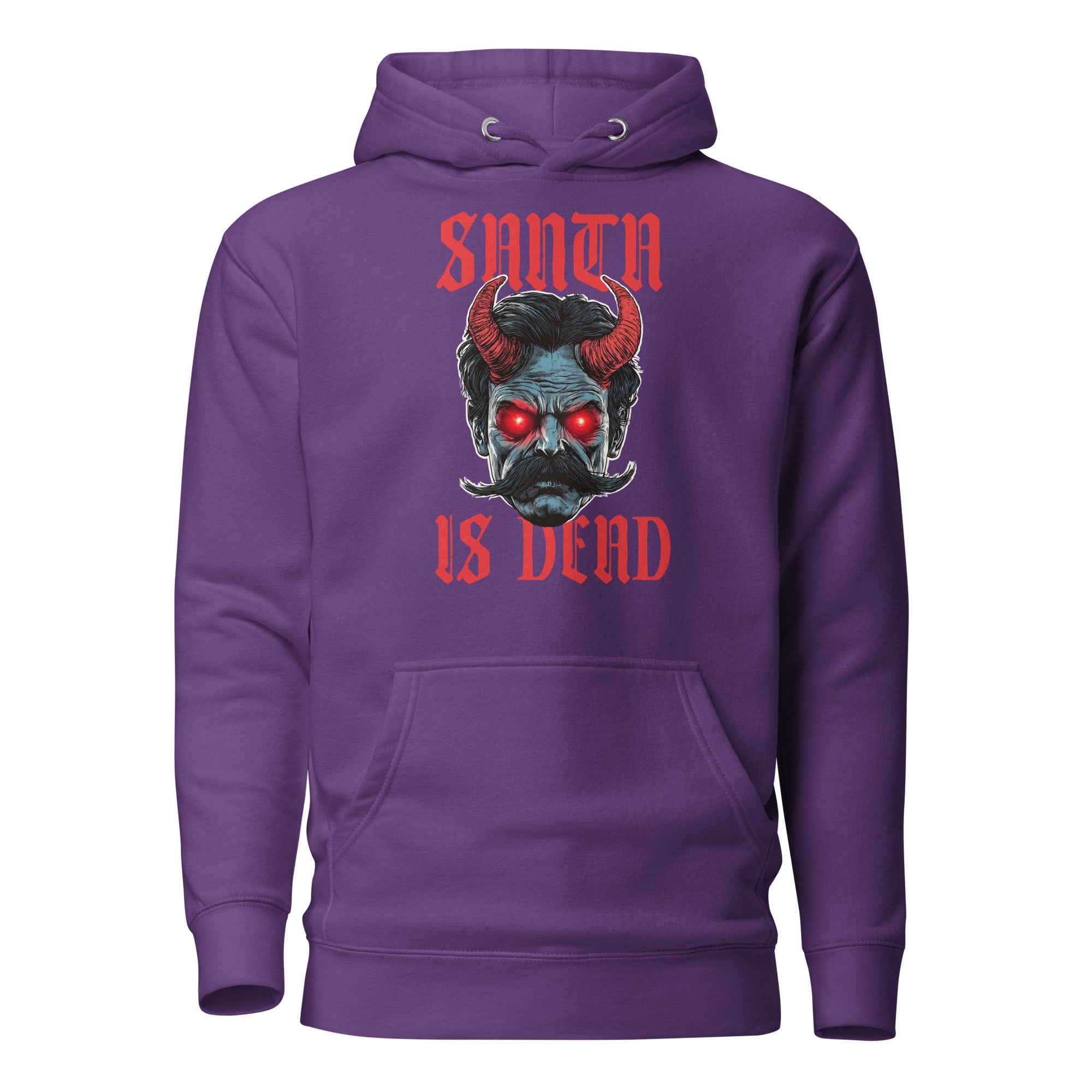
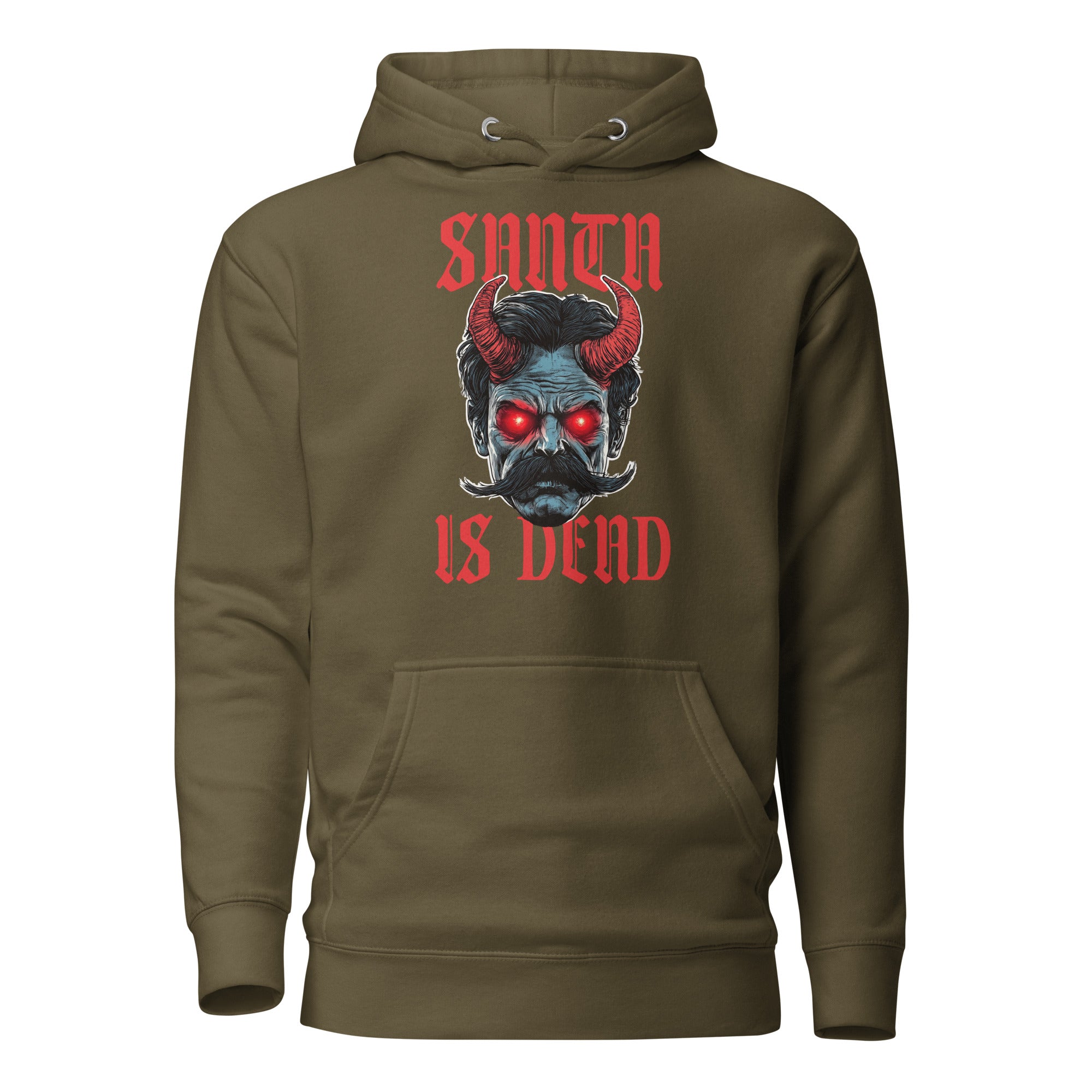
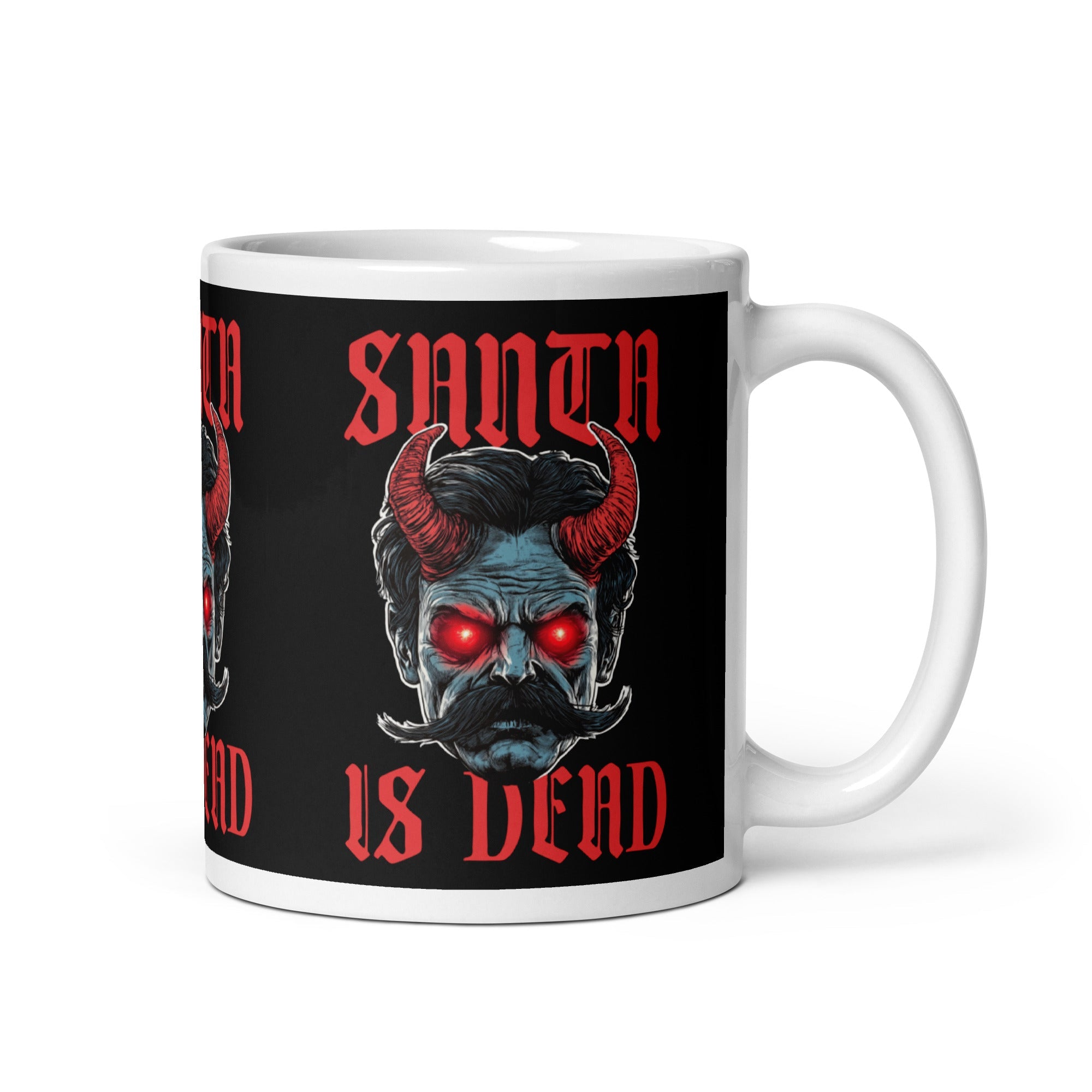
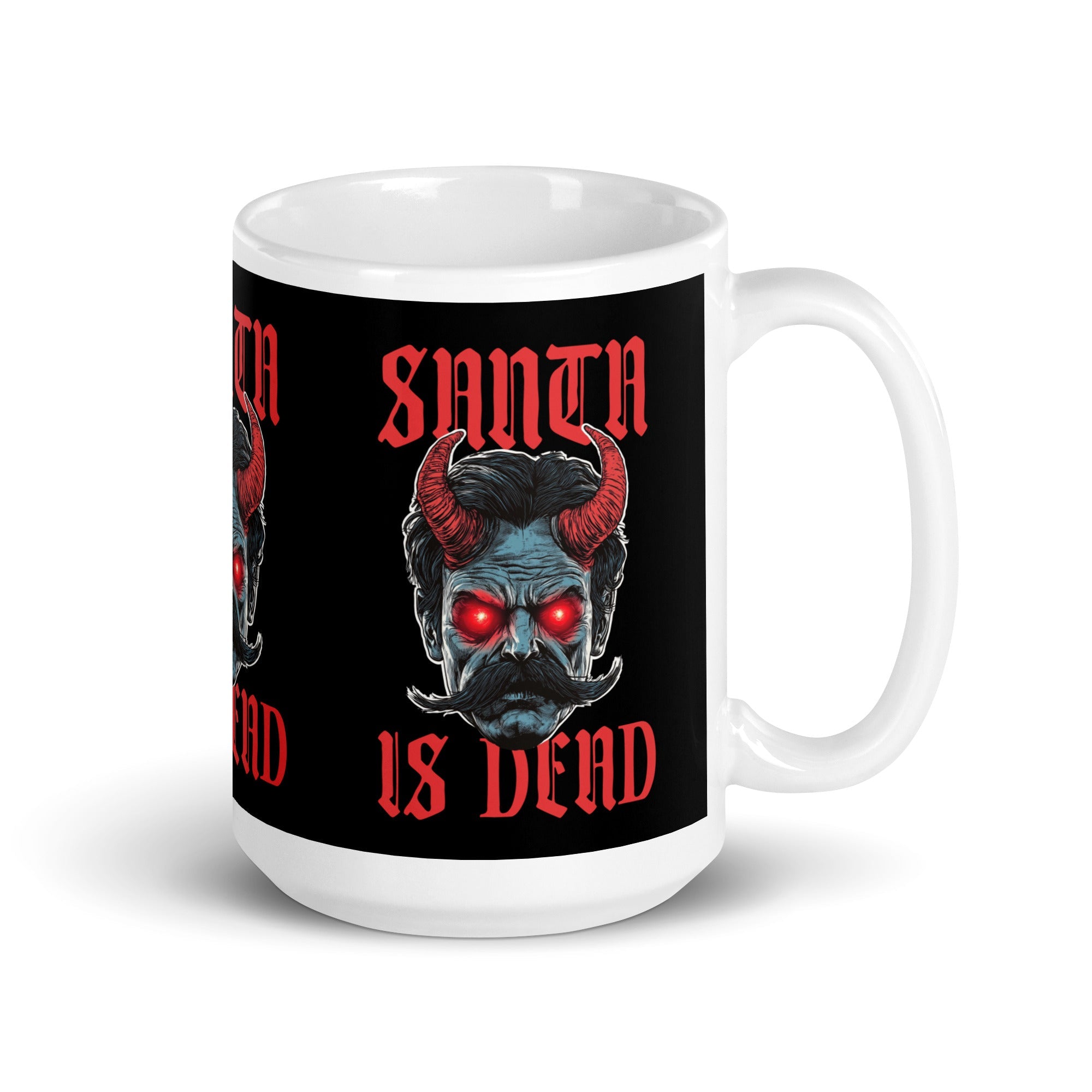
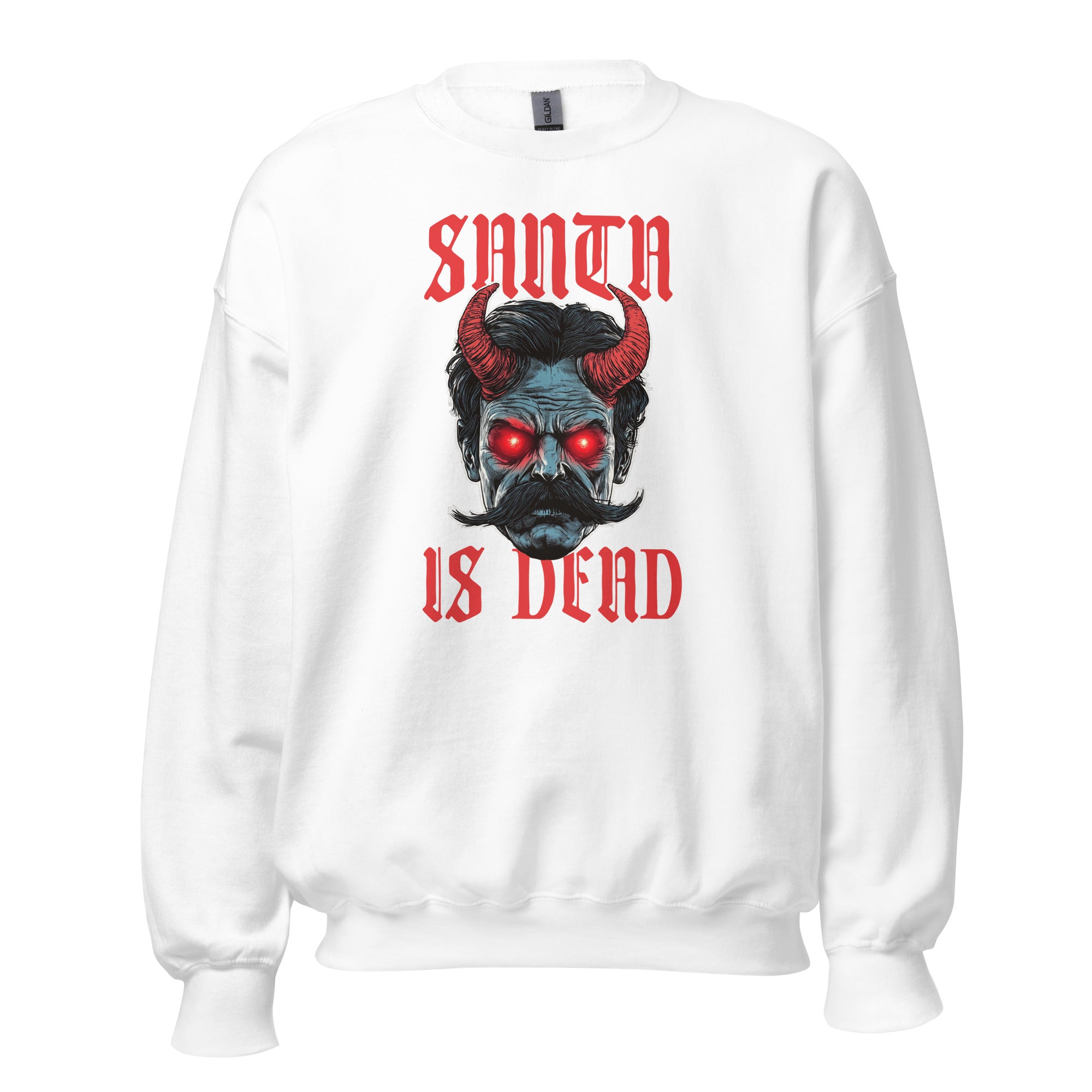
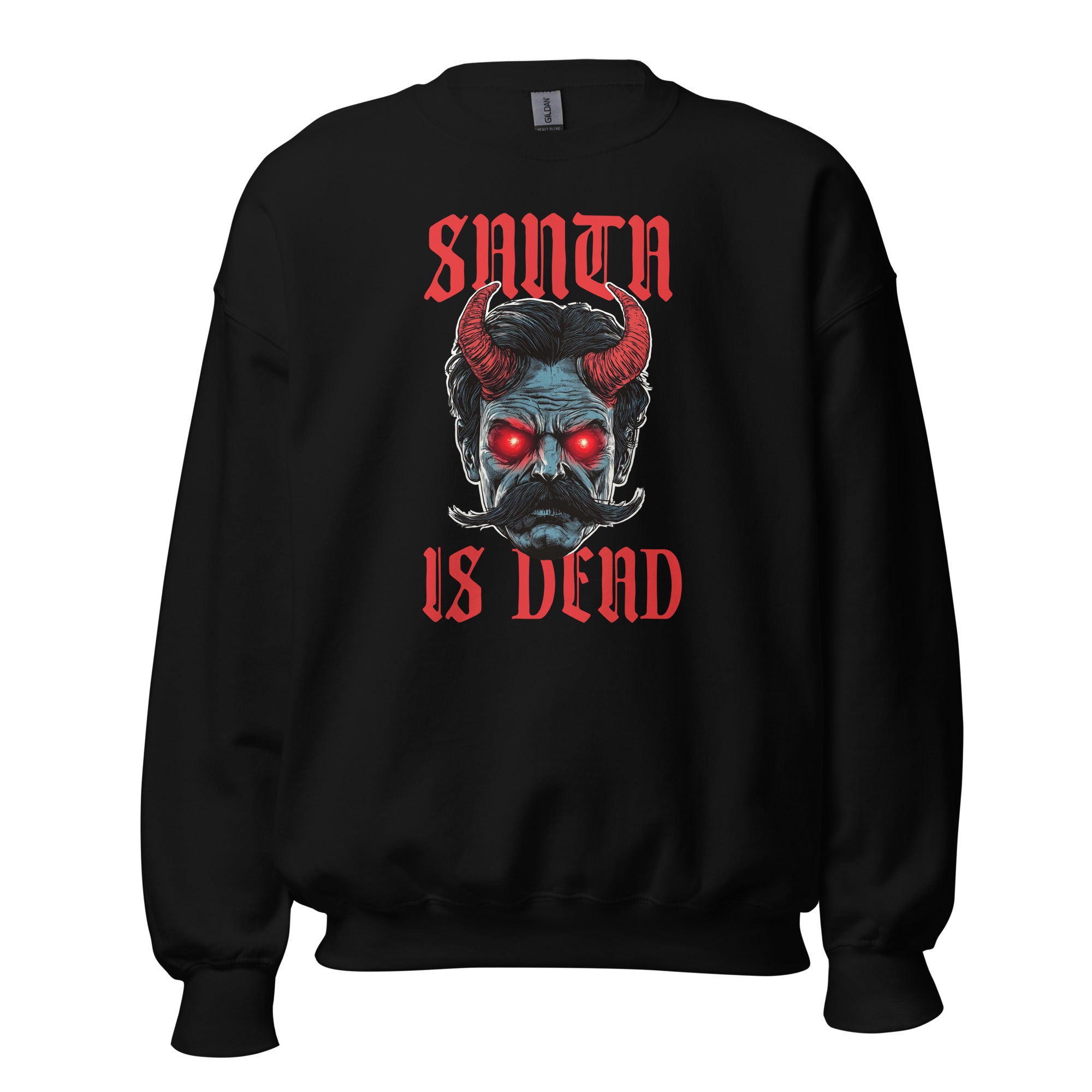
Maps Nietzsche's most famous passage onto the exact moment every child loses it. Available across sweatshirts, hoodies and mugs, printed to order. A Christmas gift for Nietzsche readers. Who will wipe the wrapping paper off us?
Questions about this design

What does the Nietzsche Santa is Dead design show?
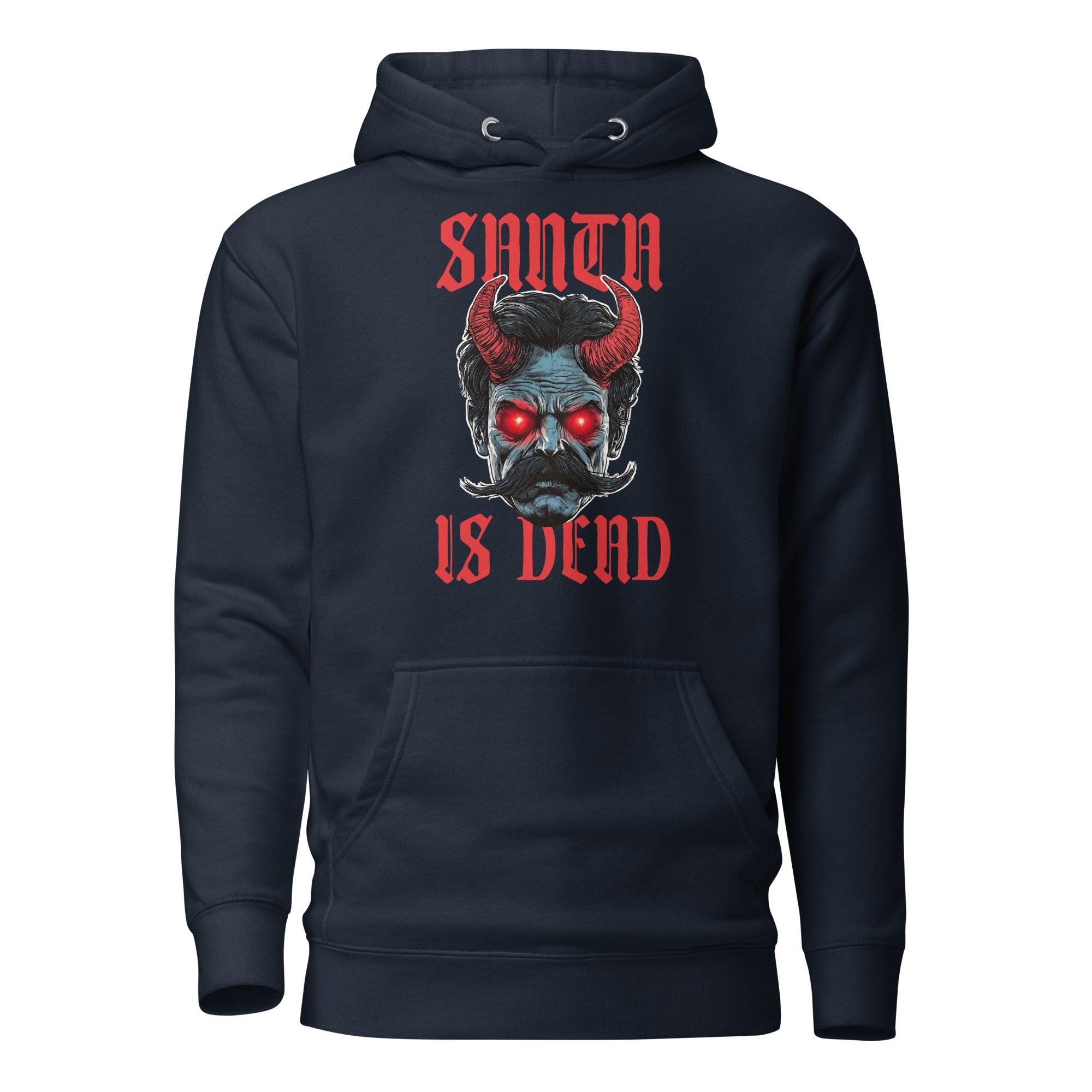
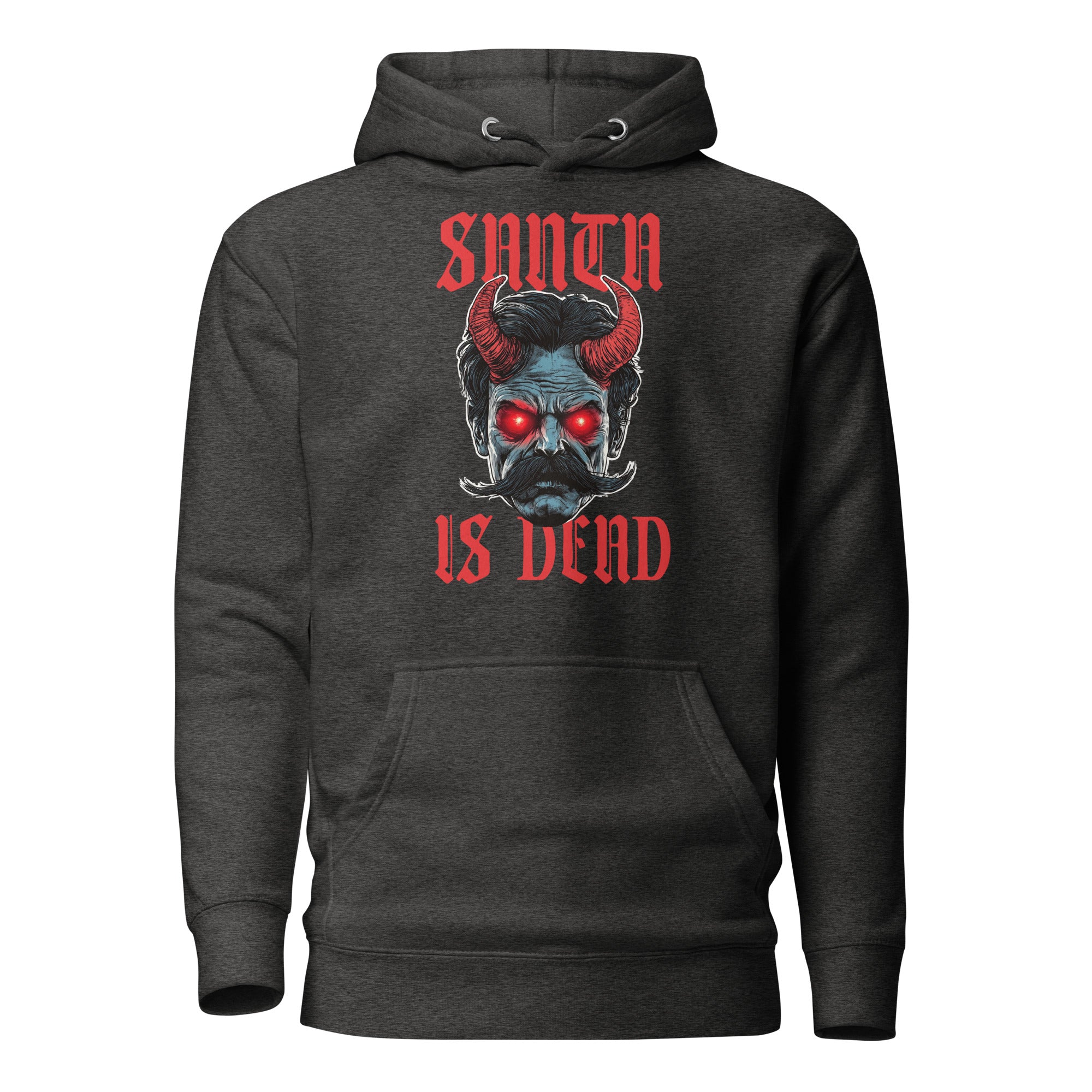
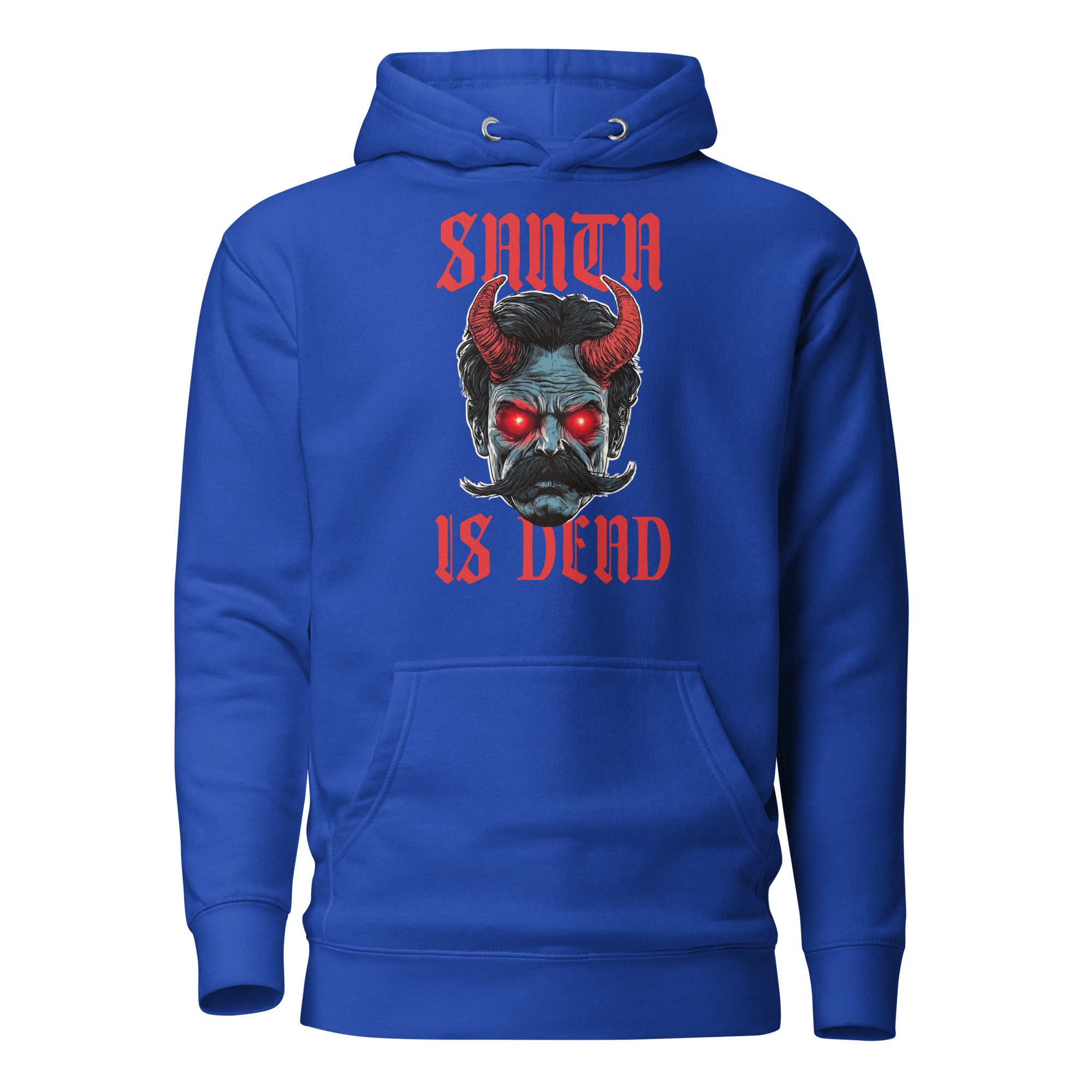
Friedrich Nietzsche, unmistakable moustache and all, with devil horns and glowing red eyes, framed by the words Santa is Dead in gothic lettering. It rewrites his most famous line for the holidays – the moment every child works out the truth about Santa is a small death of a god, and growing up means living with it.
Where does Nietzsche say God is dead?
Most famously in The Gay Science (1882), section 125, where a madman runs into the marketplace with a lantern and cries – God is dead. God remains dead. And we have killed him. The phrase first appears in section 108 of the same book and returns in Thus Spoke Zarathustra (1883–85).
What did Nietzsche mean by God is dead?
Not that a god literally died, but that belief in the Christian God had become unbelievable for modern European culture – undermined by science, history and our own demand for truthfulness. His worry was the consequence – the values built on that belief would collapse too, and few had noticed yet.
Was Nietzsche a nihilist?
No – he was its great diagnostician. He saw nihilism, the sense that the highest values devalue themselves and nothing has meaning, as the coming crisis of a post-religious age. His project was to overcome it through a revaluation of all values, life-affirmation and amor fati, the love of one's fate.
What is Nietzsche's Übermensch?
The overman, introduced in Thus Spoke Zarathustra (1883–85) – an ideal of a human being who creates their own values instead of borrowing them from religion or the herd. It is a goal to strive towards, not a race or a master class, and its misuse by later ideologies distorted Nietzsche's meaning.
What did Nietzsche think of Christianity?
He attacked it fiercely. In On the Genealogy of Morality (1887) he argued that Christian morality grew from slave morality, the resentment of the weak that recasts strength as evil and meekness as good. The Antichrist (written 1888, published 1895) is his sharpest polemic, though he spoke with respect of Jesus himself.
Did Nietzsche say religion is the opium of the people?
No, that was Karl Marx, in the introduction to A Contribution to the Critique of Hegel's Philosophy of Right (1844). The two are often confused because both were sharp critics of religion, but Nietzsche's line is God is dead, and his objection was moral and psychological rather than economic.
Which Nietzsche book should I read first?
Many teachers recommend starting with The Gay Science (1882) or Beyond Good and Evil (1886), then On the Genealogy of Morality (1887), his most systematic book. Thus Spoke Zarathustra is the most famous but, being poetic and allusive, is easier once you know his ideas.
Who is the Nietzsche Santa is Dead design a good gift for?
For Nietzsche readers, philosophy students, metal-loving sceptics and anyone who prefers their Christmas a little darker and more honest. It makes a funny anti-Christmas gift for Secret Santa. The design comes as a sweatshirt, premium hoodie and mug.