No tariffs. Ever. We ship locally from the US, Canada, the UK, or the EU + Free shipping over $80 / 70€ / £60 (equivalent in all other currencies).
Search our site

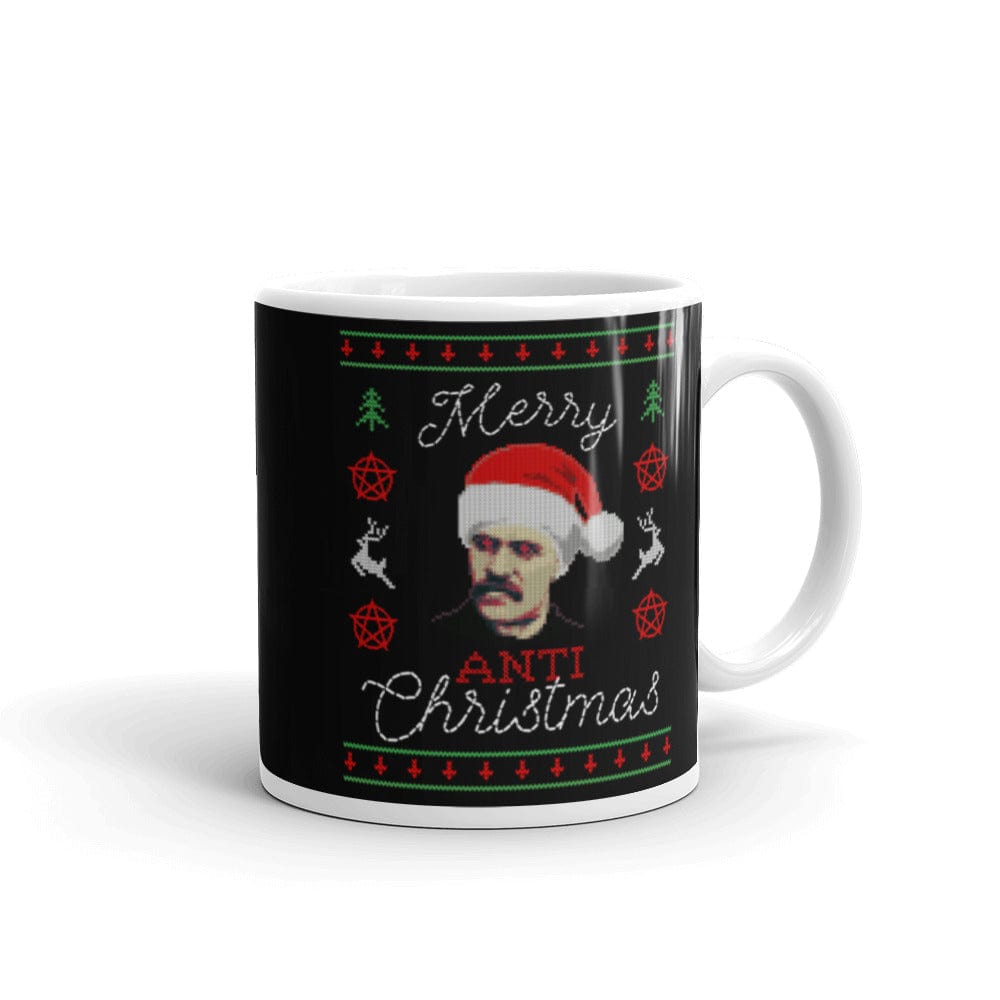
Nietzsche: Merry Anti-Christmas

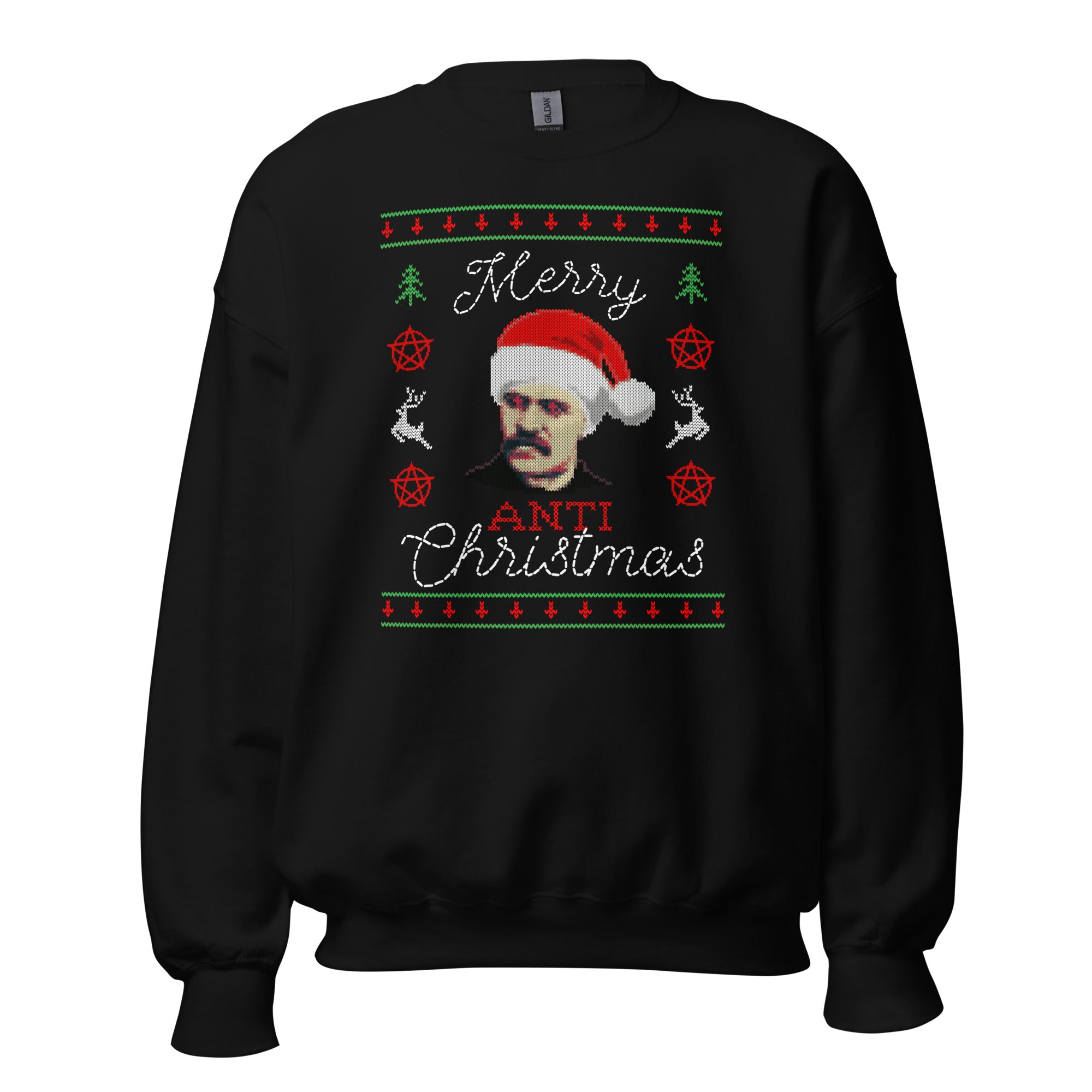
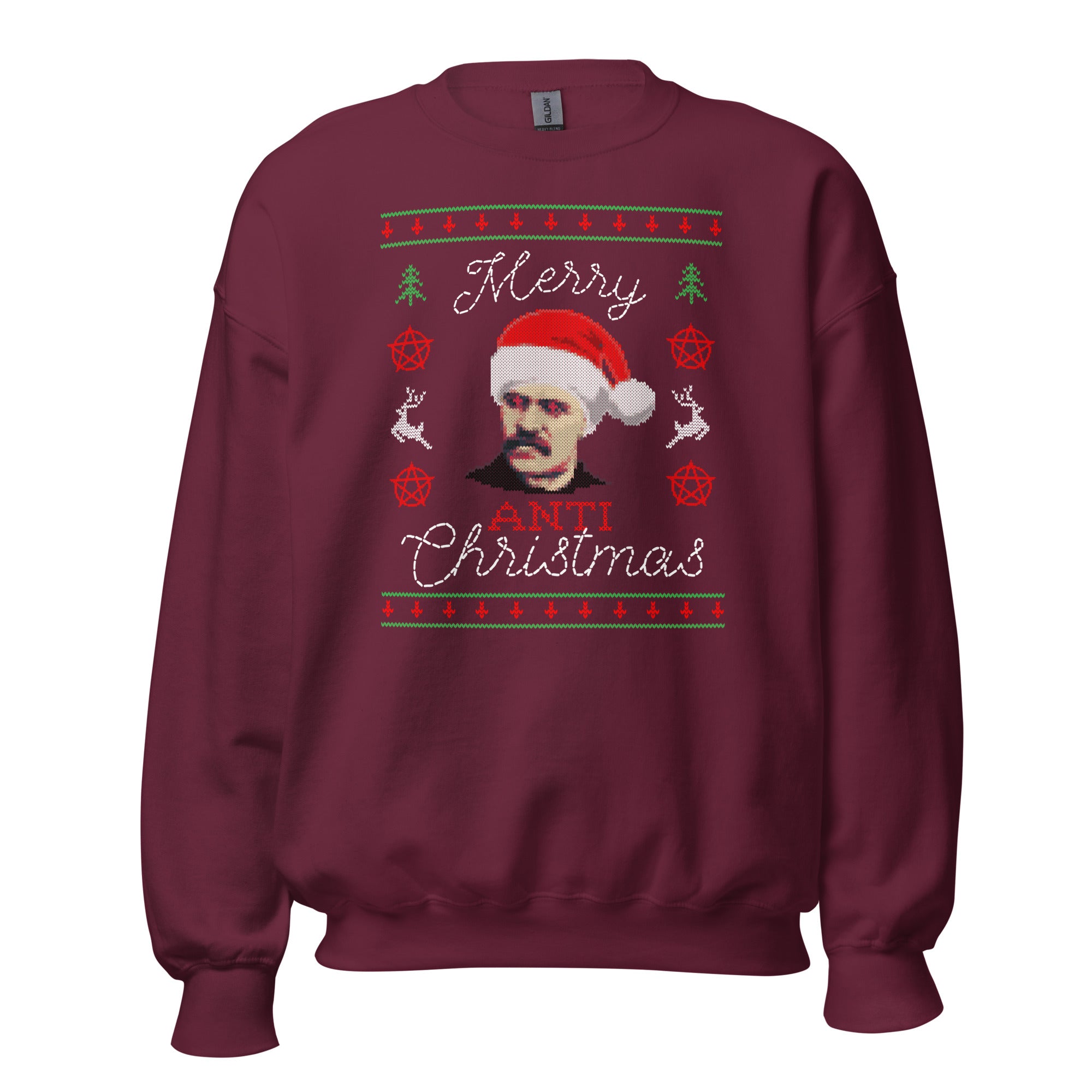
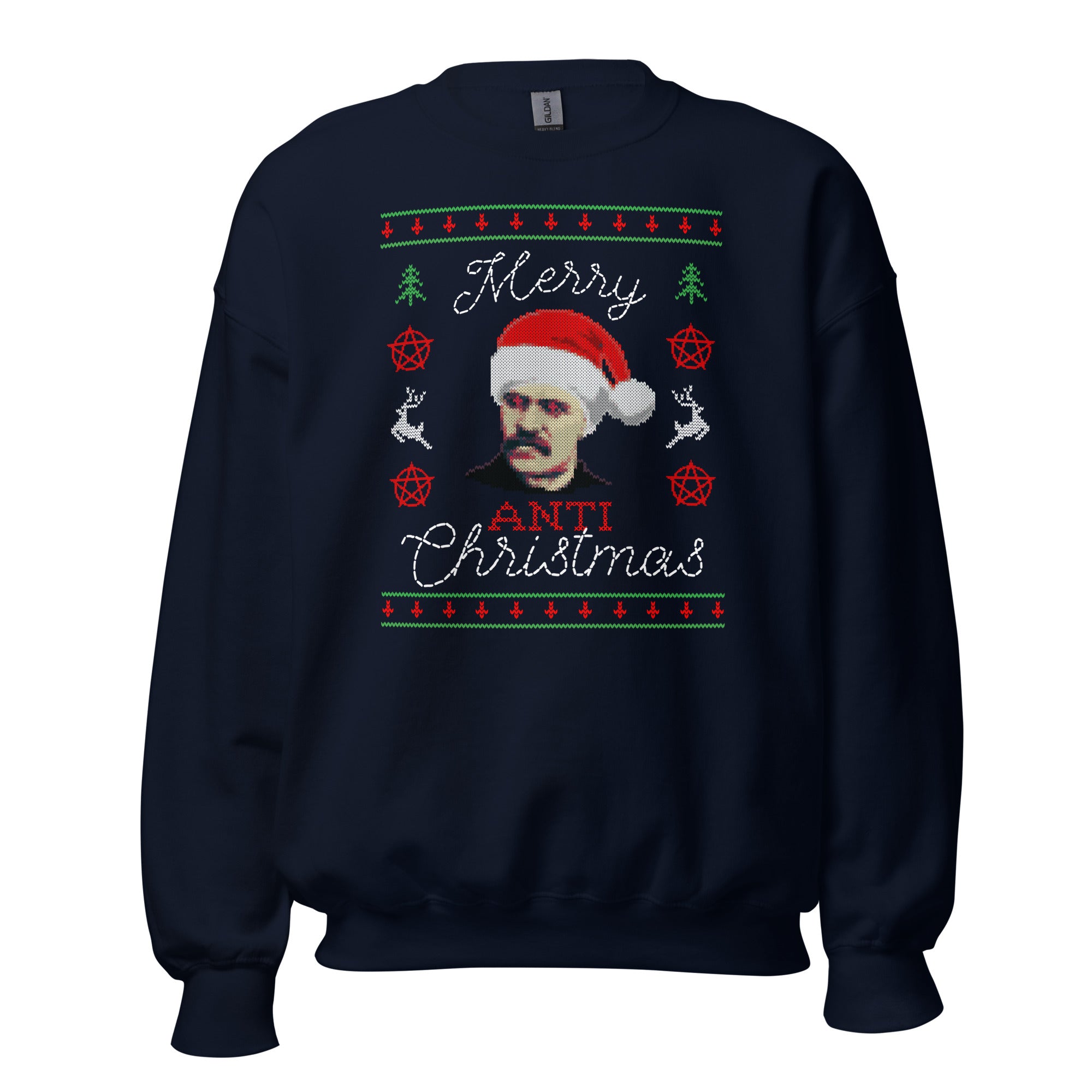
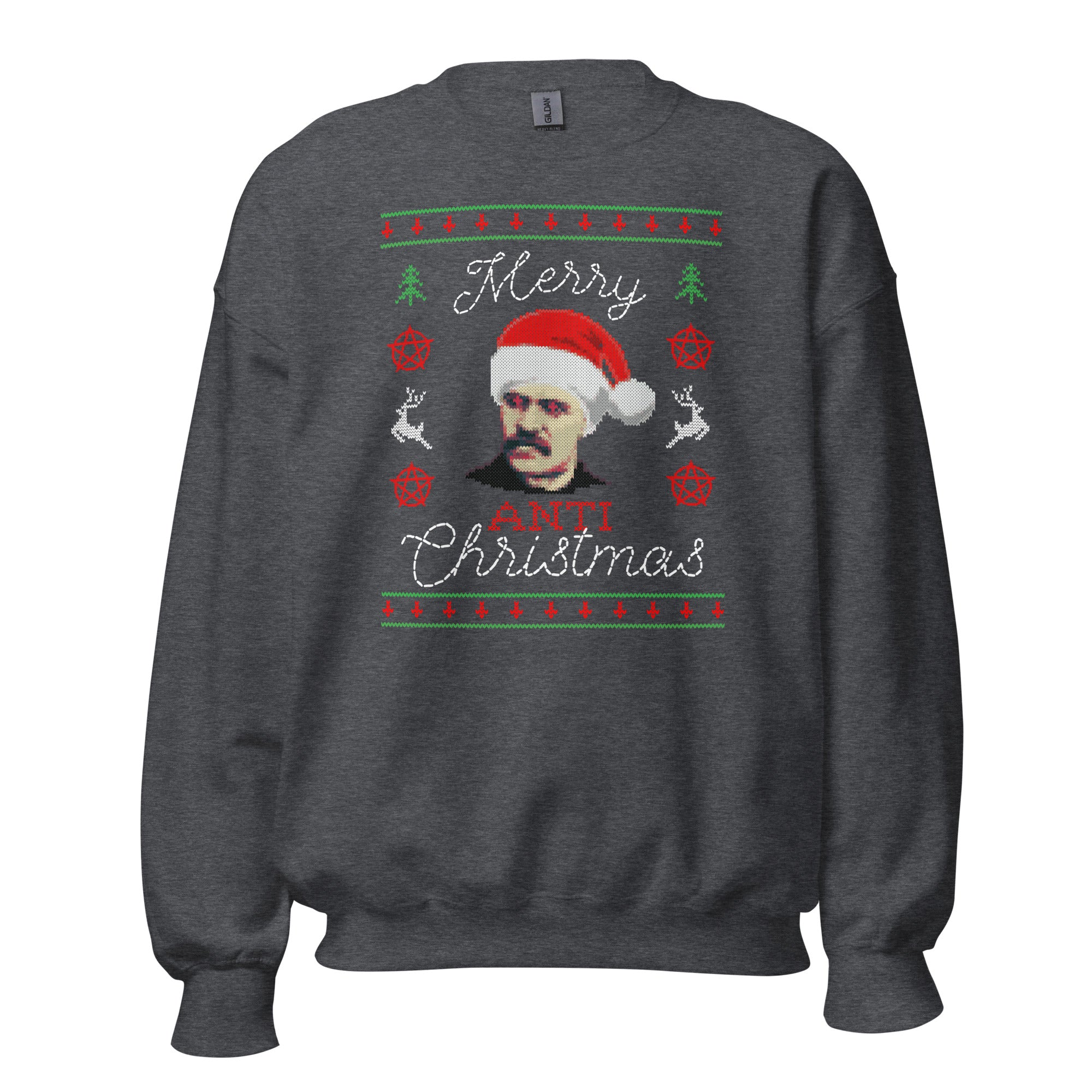
The author of The Antichrist attending Christmas dinner. Somebody is going to have to explain the concept of goodwill to him again.

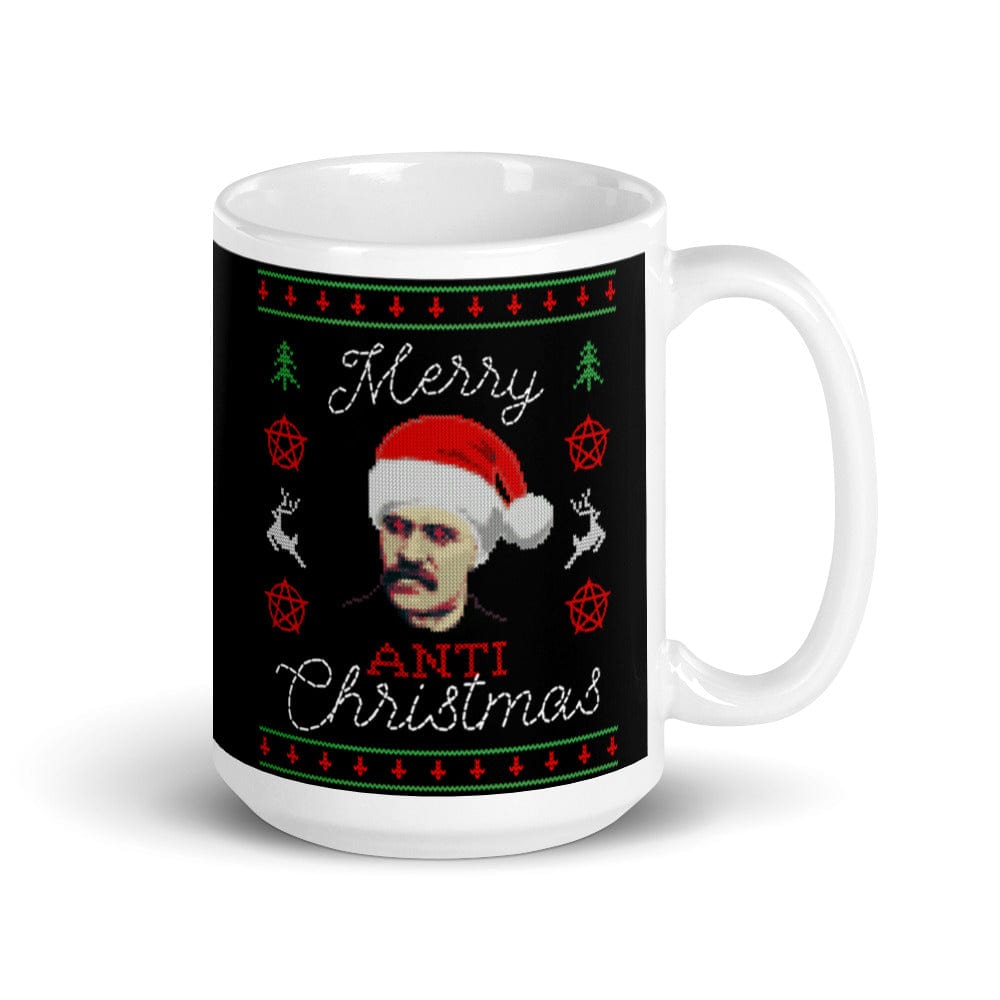
Full seasonal styling wrapped around an argument against the season. Available across tees, sweatshirts, hoodies and mugs, printed to order. A Christmas gift for Nietzsche readers. Deck the halls with revalued values.

Questions about this design

What does the Nietzsche Merry Anti-Christmas design show?
An ugly Christmas sweater pattern in knit-look pixels with a portrait of Friedrich Nietzsche in a Santa hat, framed by fir trees, reindeer and mock-sinister ornaments, wishing a Merry Anti Christmas. The joke is that the author of The Antichrist has turned up to Christmas dinner – and brought his own greeting.
What is Nietzsche’s The Antichrist about?
Written in 1888 and first published in 1895, The Antichrist is Nietzsche’s fiercest attack on Christianity, which he accuses of turning weakness, resentment and pity into virtues. The German title Der Antichrist can also mean The Anti-Christian. Surprisingly, he spares Jesus – there was only one Christian, he writes, and he died on the cross – and blames the church built after him.
Did Nietzsche really say God is dead?
Yes. The line first appears in The Gay Science (1882), most famously in section 125, where a madman runs into the marketplace with a lantern in broad daylight and cries that God is dead and we have killed him. It returns in Thus Spoke Zarathustra (1883–85).
What did Nietzsche mean by God is dead?
Not a triumphant atheist slogan but a diagnosis. Modern Europe no longer really believes in God, yet still lives off the morality that belief supported. Once that foundation is gone, values lose their footing and nihilism threatens. Nietzsche’s question is what we will put in its place – his answer points to a revaluation of all values.
Was Nietzsche an atheist?
Yes, though an unusual one. The son of a Lutheran pastor, he began studying theology at Bonn in 1864 before switching to classical philology and losing his faith. He attacked Christian morality more than the existence of God, and he was just as scornful of secular substitutes such as faith in progress or in pity.
What is slave morality according to Nietzsche?
In On the Genealogy of Morality (1887) Nietzsche contrasts master morality, which calls the strong, proud and healthy good, with slave morality, born of resentment, which calls the powerful evil and praises humility, meekness and pity. He saw Christianity as the great triumph of slave morality – the target of every jab on this sweater.
Did Nietzsche say religion is the opium of the people?
No, that is Karl Marx. The line comes from his introduction to A Contribution to the Critique of Hegel’s Philosophy of Right (1844). Nietzsche had his own, harsher images for religion, but this quote is regularly misattributed to him.
What is the Übermensch?
The Übermensch, usually translated overman or superman, is the ideal Nietzsche introduces in Thus Spoke Zarathustra – a human being who creates new values after the death of God instead of clinging to old ones. It is a goal of self-overcoming, not a biological master race, a misreading later fostered by his sister’s editing.
Is this a good Christmas gift for atheists or philosophy fans?
Yes. It suits atheists, Nietzsche readers, philosophy students and anyone who survives the holidays on irony. As an ugly Christmas sweater it works at office parties and Secret Santa, and it is a gentler provocation than it looks – most people simply laugh at Nietzsche in a Santa hat.
Which products are available with this design?
Nietzsche Merry Anti-Christmas comes as a sweatshirt for the classic ugly sweater look, a premium hoodie, a unisex classic T-shirt, a mug and a sticker.