


Philosophical Dictionary
-

Waking Up: Kant's Dogmatic Slumber and You
By C.M. Black
We discuss what Immanuel Kant called his "dogmatic slumber," how he woke from it to write his essential works in philosophy, sparking a revolution in thought that would shake the Western world. -

From the Academy to the Street: Where Can We Find Philosophy?
By C.M. Black
In this article, we will discuss the definition of philosophy, its professional practice, and whether we can find philosophy outside of our favorite big names and modern academia. -
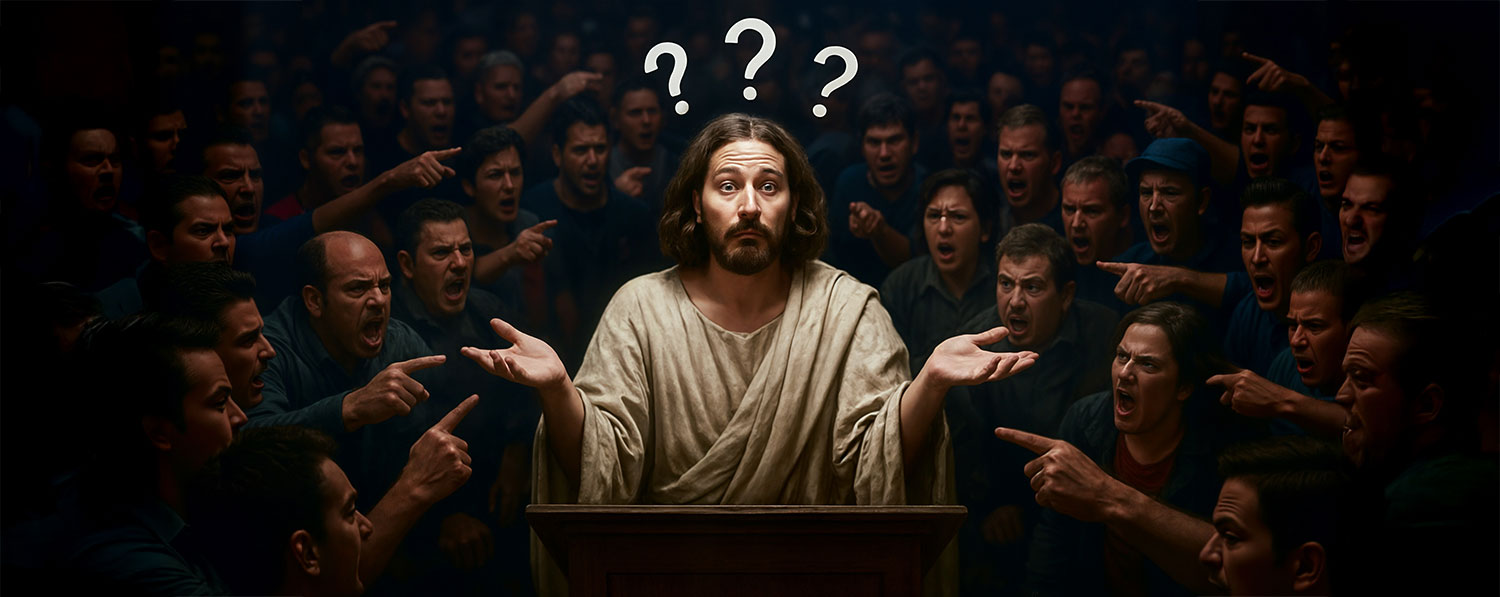
Cancel This!: Cancel Culture and When to Reject a Thinker
By C.M. Black
Let's discuss the idea of cancel culture and its relation to problematic philosophers and public figures in general. We will try to see if and when cancel culture can be useful, and when we should cancel a thinker. -

The Other Pascal and His Wager: How a 17th Century Polymath Gambled on the Existence of God
By C.M. Black
Explore Pascal's Wager, the famous philosophical argument where 17th-century mathematician Blaise Pascal used probability theory to argue for believing in God. Discover how this thought experiment combines mathematics with theology, influencing existentialism and modern ethical thinking. A timeless gamble on faith versus reason. -
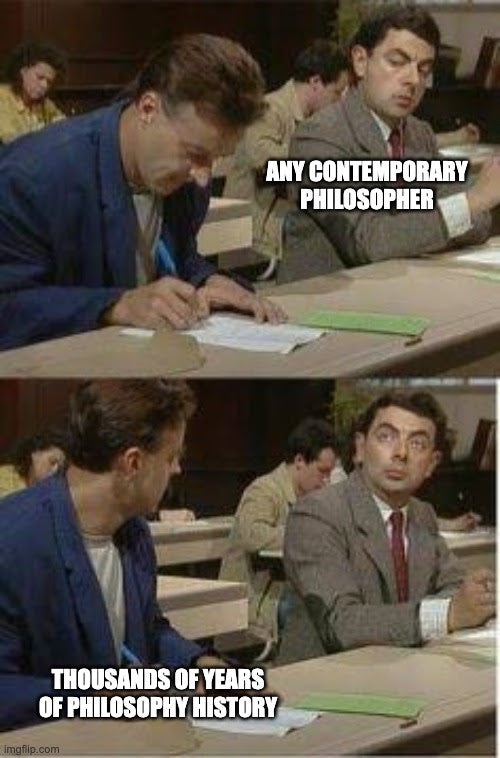
Dreams, Mirrors, and Invisible Coffee: Discover the Truth
By C.M. Black
The final par of the "Philosophy Carol" series. Meeting the Ghost of Philosophy in an eternal cafe brings you to an epiphany. -

How Language Shapes Thought: Exploring Wittgenstein's Philosophy and the Sapir-Whorf Hypothesis
By Markus Uehleke
Discover how your language might be shaping—or limiting—your thoughts. Explore Wittgenstein's revolutionary "language games" concept and the truth behind the Sapir-Whorf hypothesis. Learn why linguists believe the words we use influence but don't determine our perception of reality.
