No tariffs. Ever. We ship locally from the US, Canada, the UK, or the EU + Free shipping over $80 / 70€ / £60 (equivalent in all other currencies).
Search our site

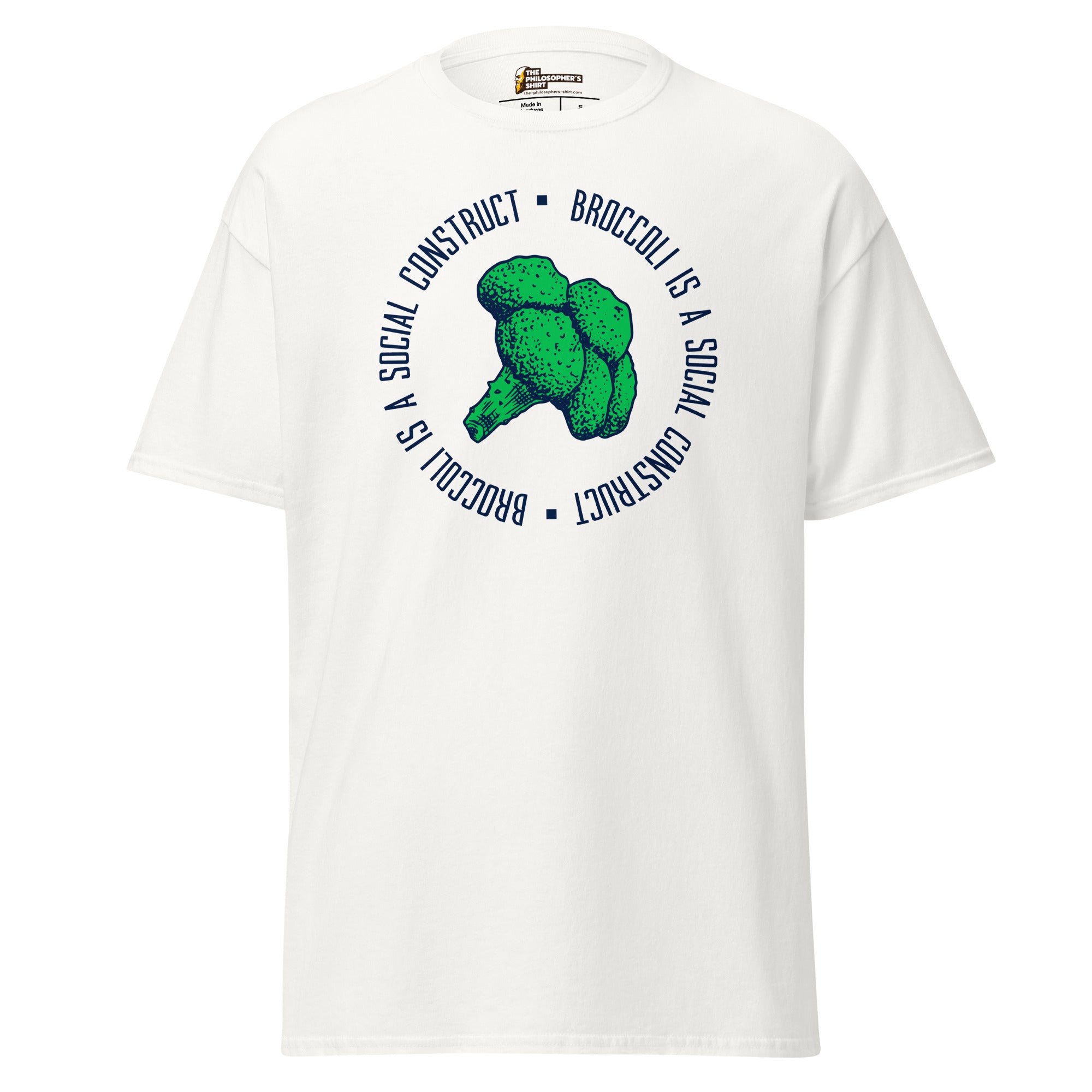
Broccoli is a social construct

Broccoli was bred out of wild cabbage by humans, for humans, according to human preferences. Technically this is one of the strongest constructivist cases available.

The joke survives scrutiny, which is why people keep bringing it up at dinner. Everything in one place, across every format we print it on, made to order. Everything is constructed. Some of it is also a vegetable.

Questions about this design

What does the Broccoli is a social construct design mean?
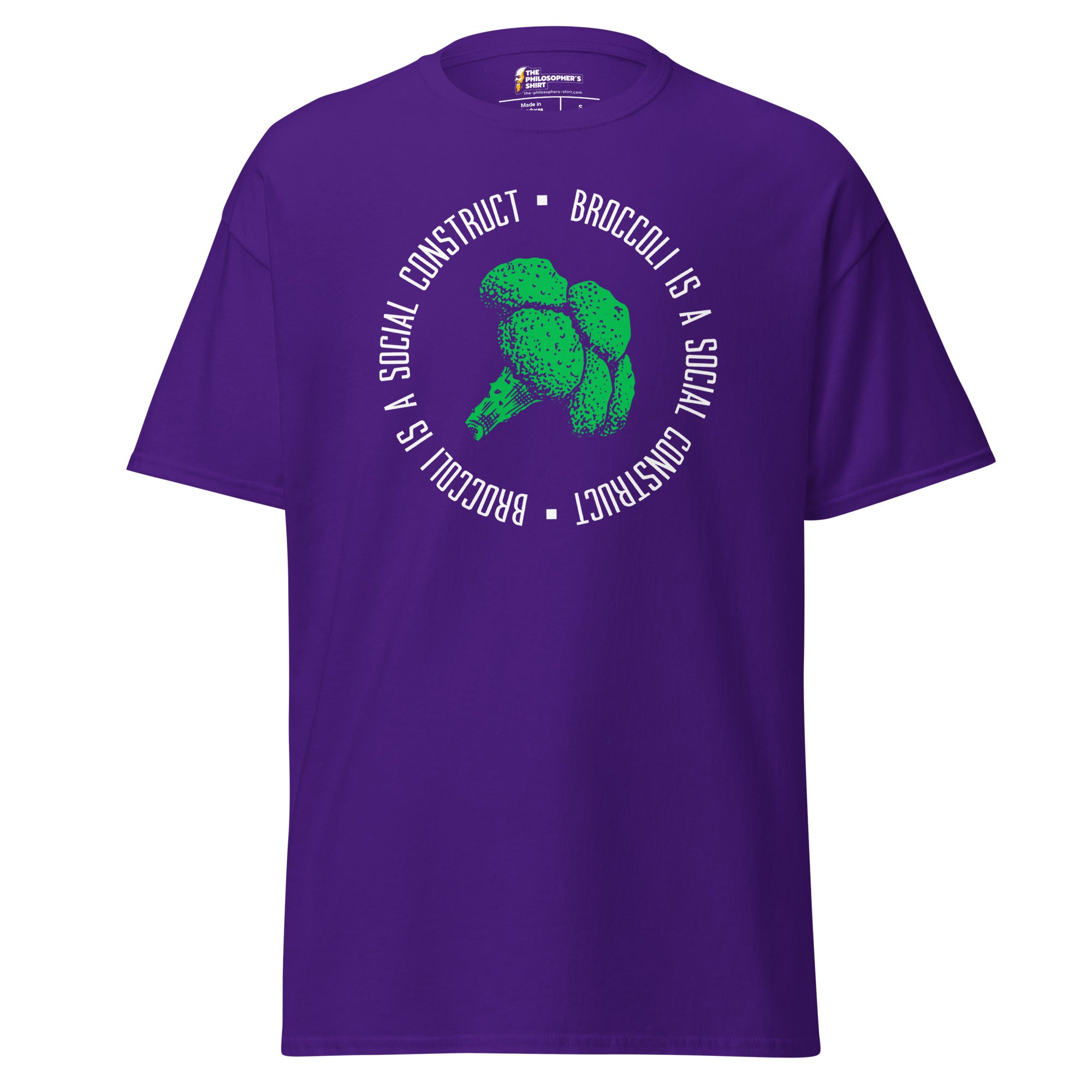
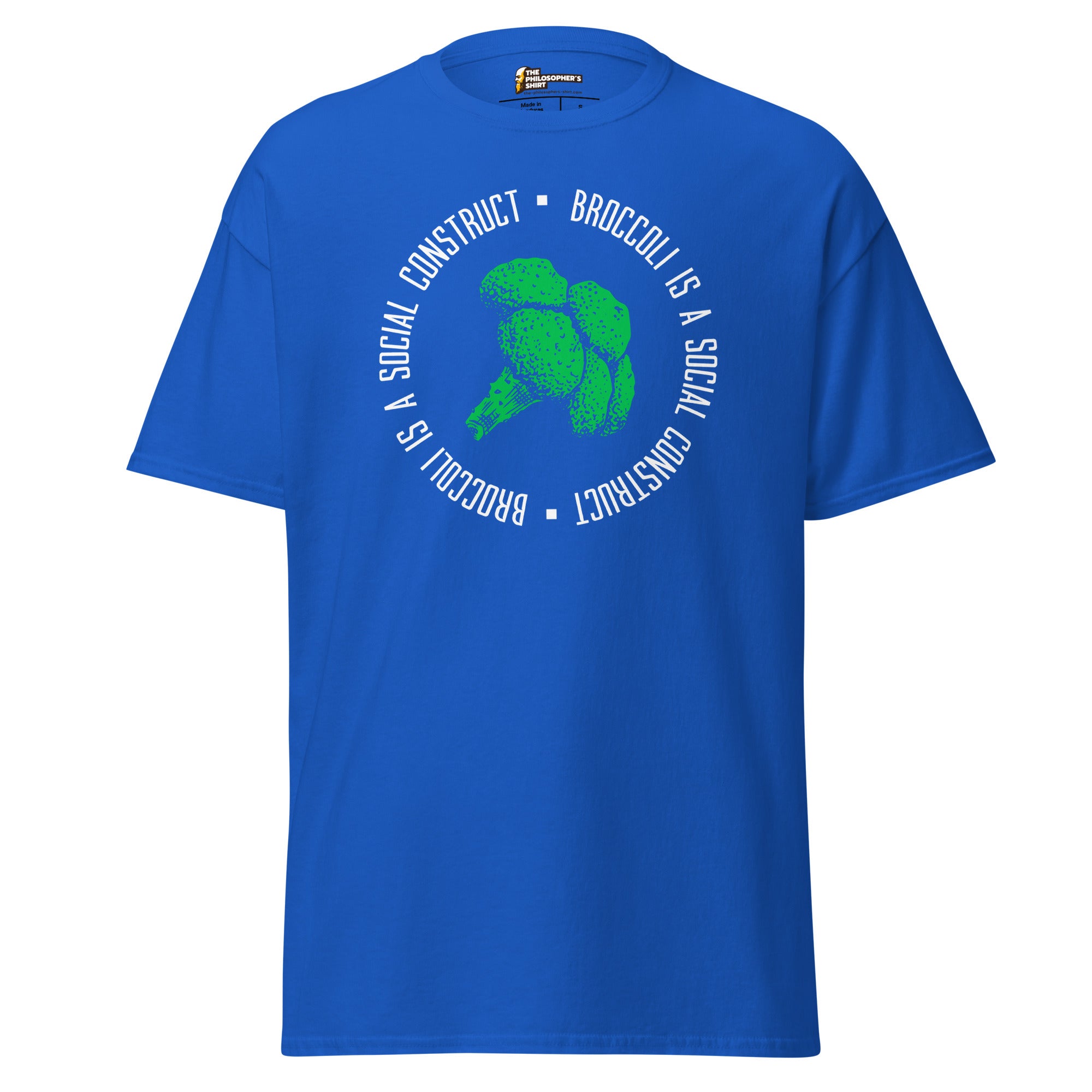
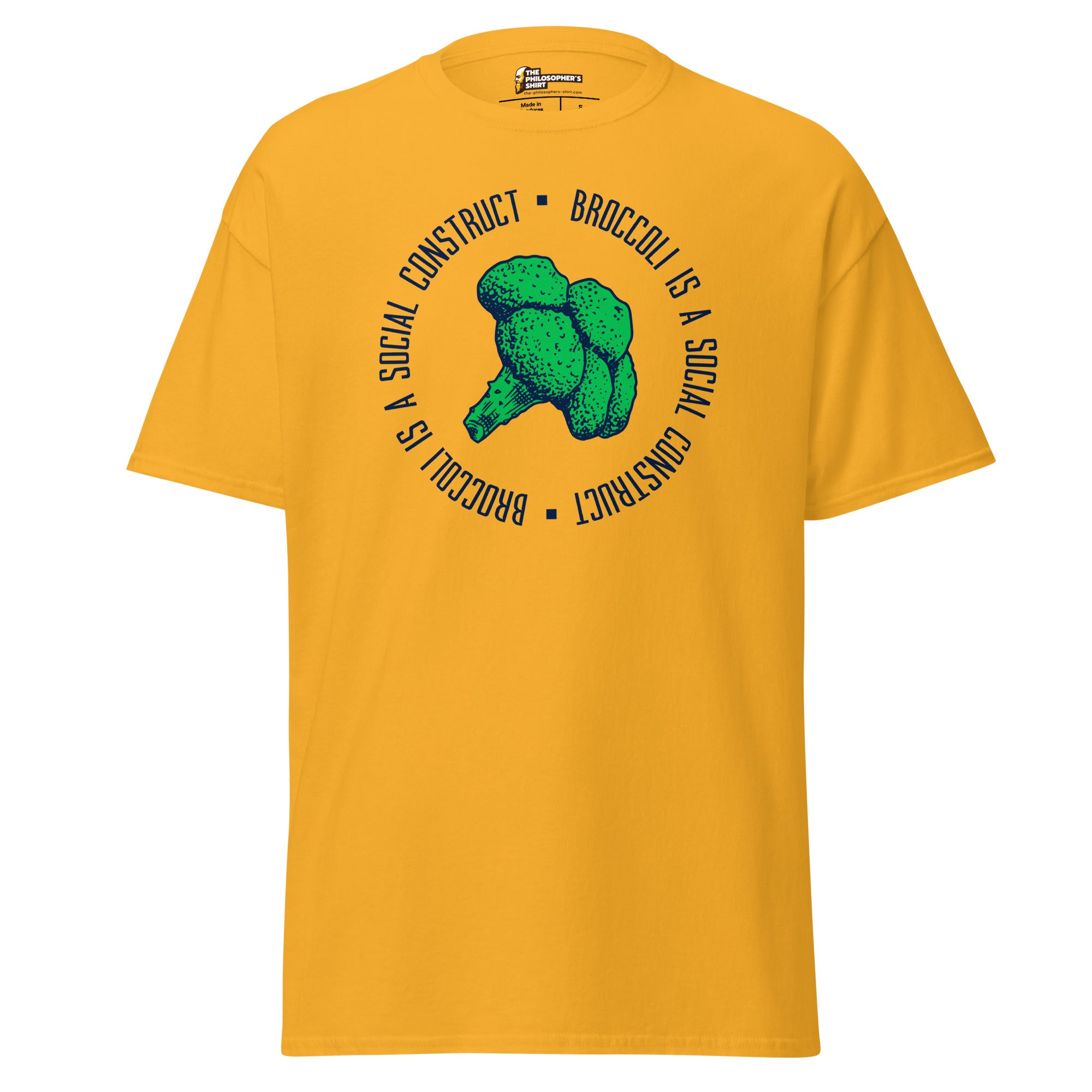
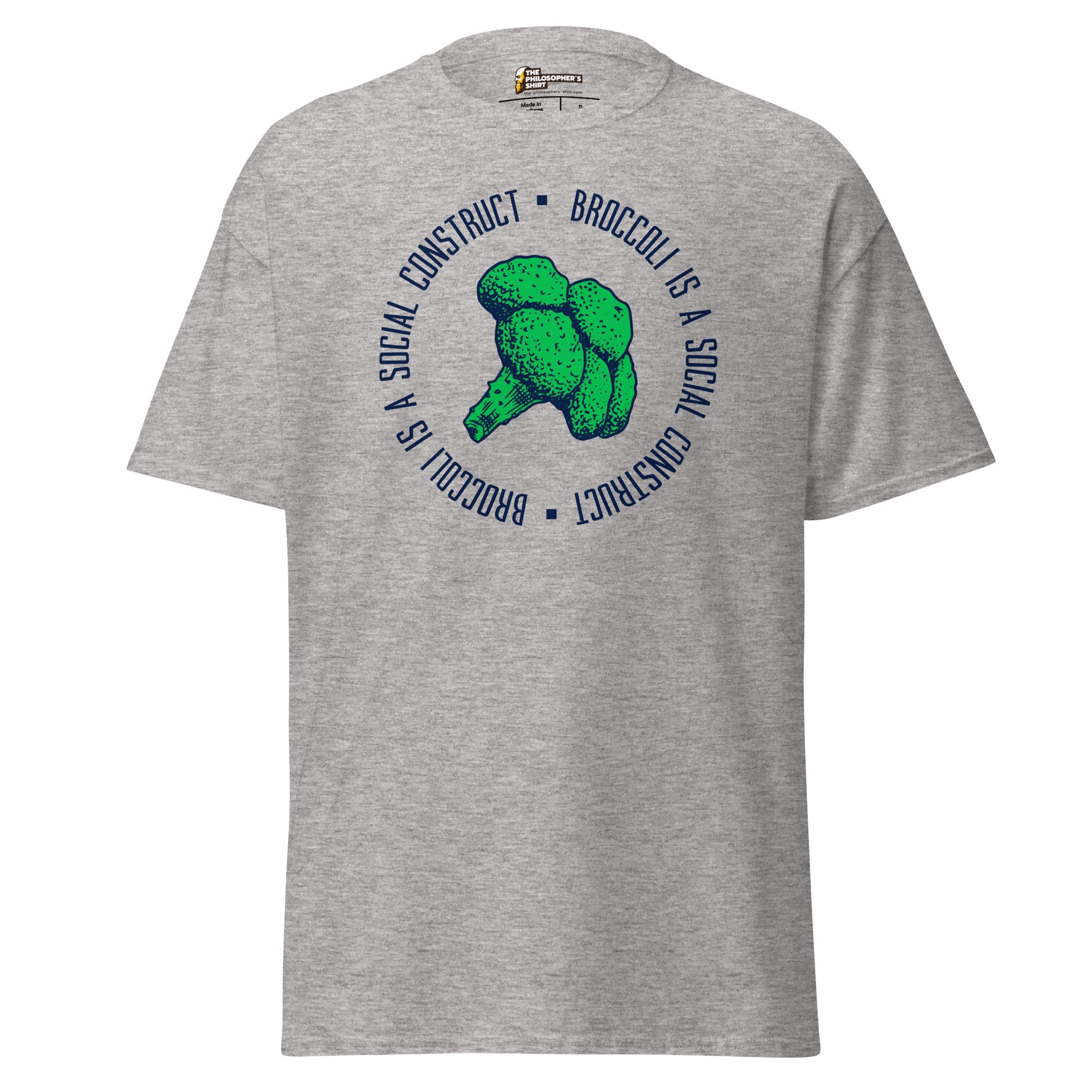
It shows a green head of broccoli inside a circular slogan that repeats Broccoli is a social construct. The joke takes the favourite move of social theory, calling things social constructs, and applies it to the vegetable children love to refuse – with the twist that, in a narrow sense, broccoli really was made by people.
What is a social construct?
Something that exists because people collectively treat it as existing – money, borders, marriage, a university degree. The paper in your wallet is only money because everyone accepts it as money. Saying something is socially constructed does not mean it is fake; it means its existence and meaning depend on human practices and agreements rather than on nature alone.
Is broccoli man-made?
In a sense, yes. Broccoli does not grow wild; farmers bred it by selection from wild cabbage, Brassica oleracea, choosing plants with large, tasty flower heads. It descends from cultivars grown in Roman times and was most likely refined in southern Italy; the name comes from the Italian broccolo, the flowering crest of a cabbage. So it is a human construct – though an agricultural rather than a social one.
Are broccoli, cauliflower and kale the same plant?
Yes, botanically they are one species, Brassica oleracea. Cabbage, broccoli, cauliflower, kale, kohlrabi, collards and Brussels sprouts are all cultivar groups that farmers selected from the same wild cabbage by favouring different parts – leaves, buds, stems or flower heads. Broccoli rabe is the odd one out; it belongs to a different species, the turnip.
Who came up with the idea of social construction?
The term was made famous by the sociologists Peter L. Berger and Thomas Luckmann in The Social Construction of Reality (1966). They argued that the everyday world we take for granted is built up through habits, roles and institutions that people create and then experience as objective facts. Earlier thinkers such as Marx and Durkheim had prepared the ground.
What are examples of social constructs?
Classic examples are money, property, nations and borders, laws, games such as chess, titles and job roles. John Searle analysed them in The Construction of Social Reality (1995) with the formula X counts as Y in context C – a piece of paper counts as money in a given economy. Whether categories such as gender or race are social constructs, and in what sense, is debated much more intensely.
If something is a social construct, does that mean it is not real?
No. Money is a social construct, yet it really pays your rent. Ian Hacking showed in The Social Construction of What? (1999) that the claim is often unclear – is it the thing, or our idea and classification of it, that is constructed? Many constructs are fully real; the point is that they could have been otherwise and can be changed.
Is this a good gift for sociology or philosophy students?
Yes. It is popular with sociology, philosophy and gender-studies students, with gardeners and with anyone who has been told at dinner that something is just a social construct. It works as a vegetable joke for everyone and as a theory joke for those who have read Berger and Luckmann.
Which products are available with this design?
Broccoli is a social construct comes as a unisex classic T-shirt, a women’s T-shirt, a sweatshirt, a premium hoodie, a mug and a sticker – the mug being ideal for the kitchen, where broccoli is constructed daily.