No tariffs. Ever. We ship locally from the US, Canada, the UK, or the EU + Free shipping over $80 / 70€ / £60 (equivalent in all other currencies).
Search our site

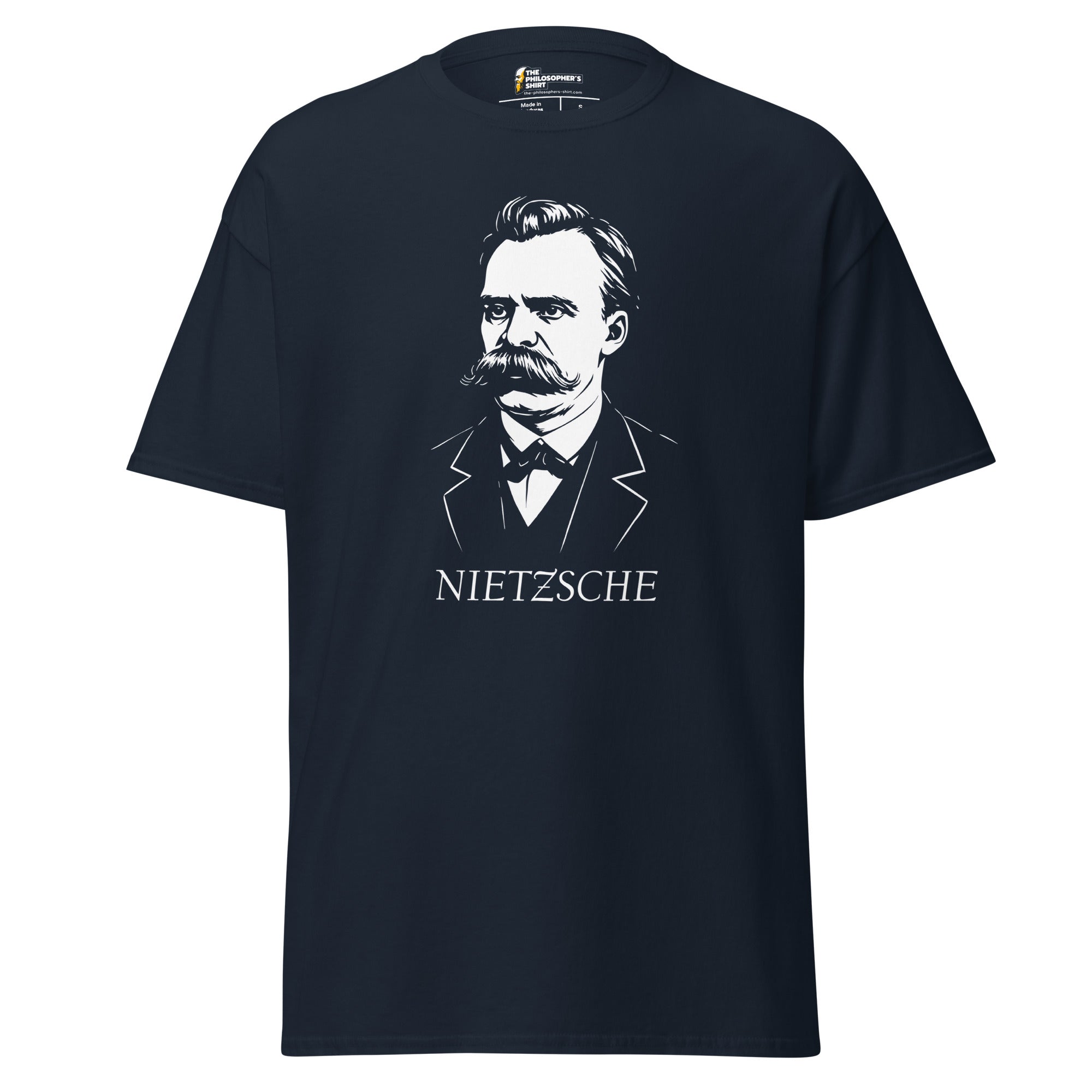
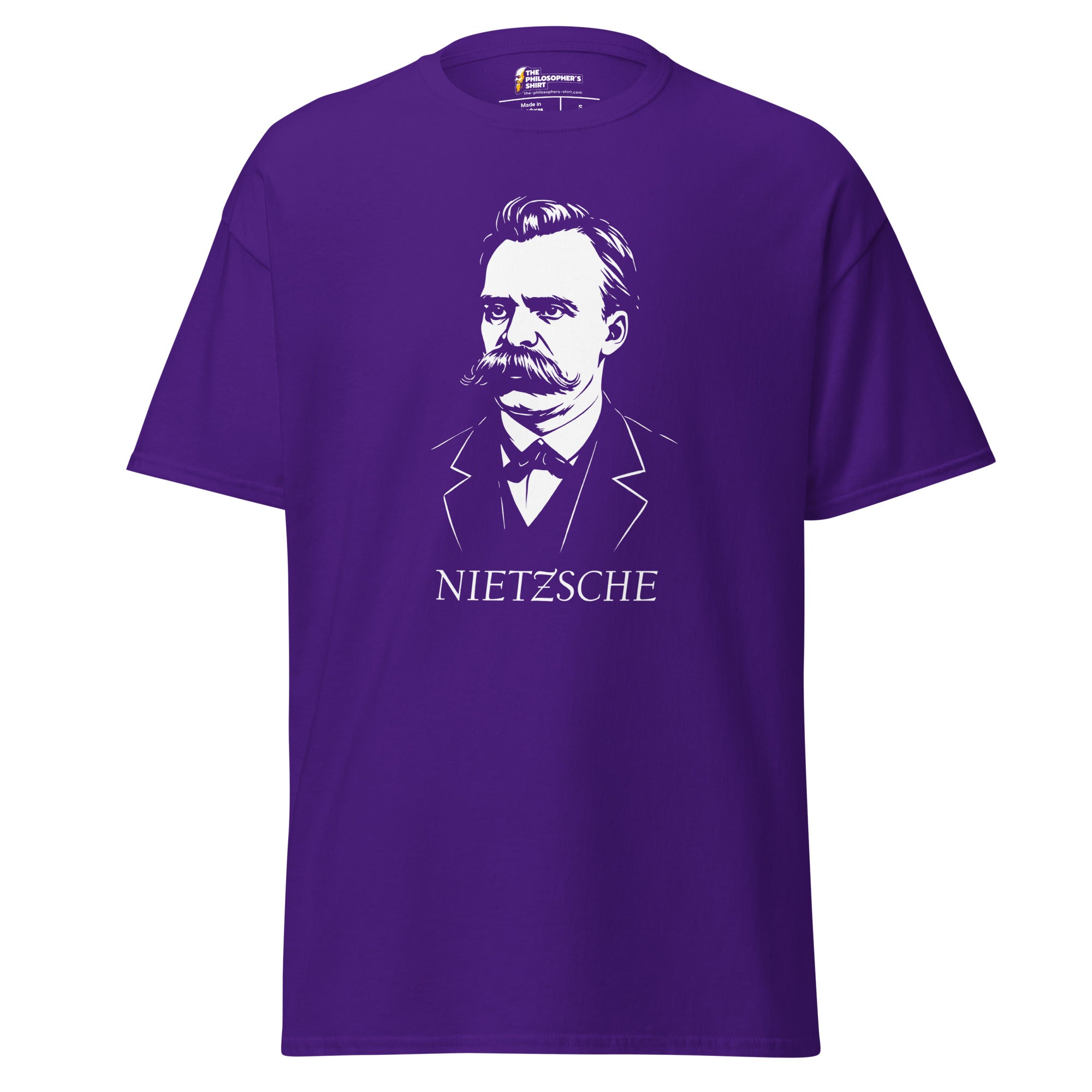
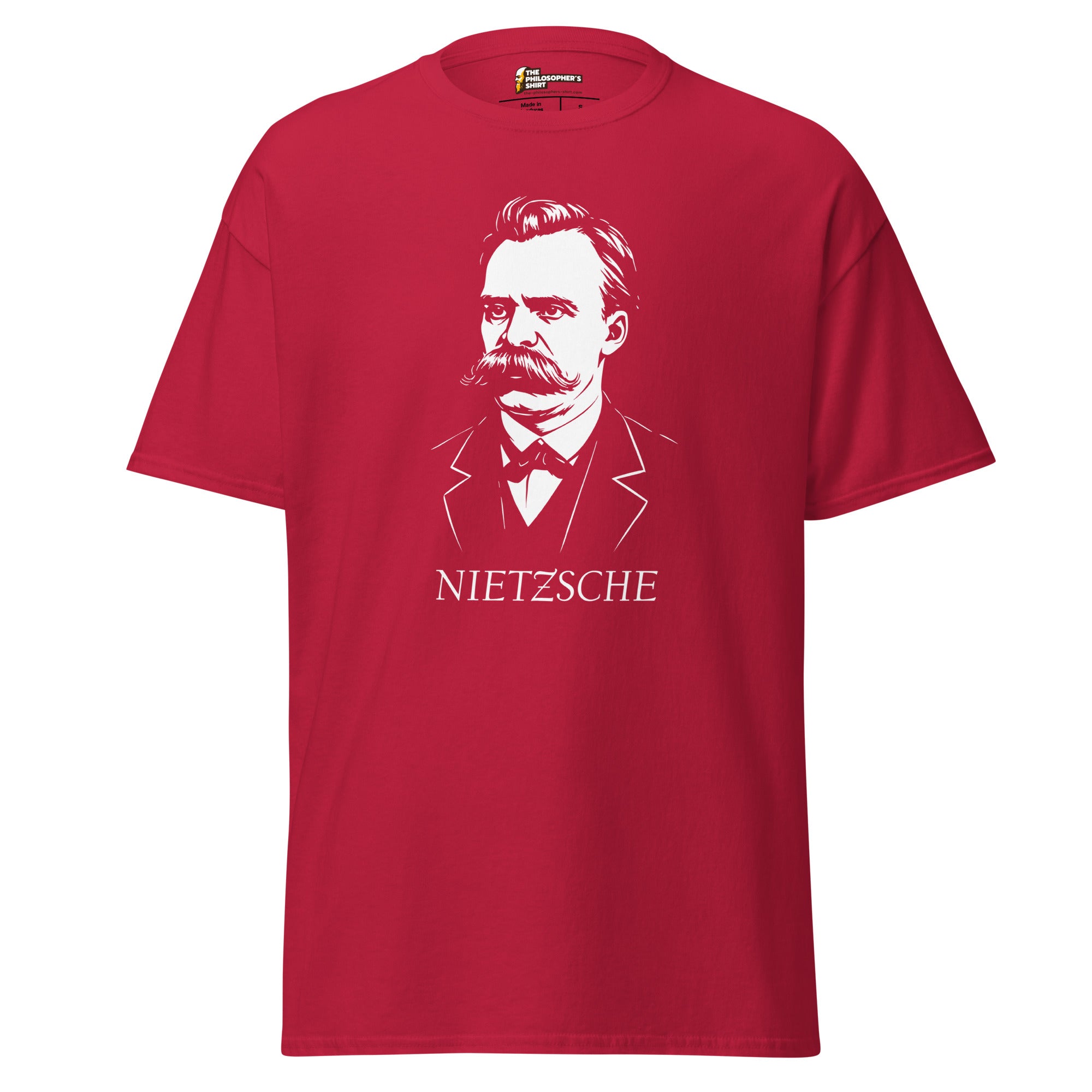
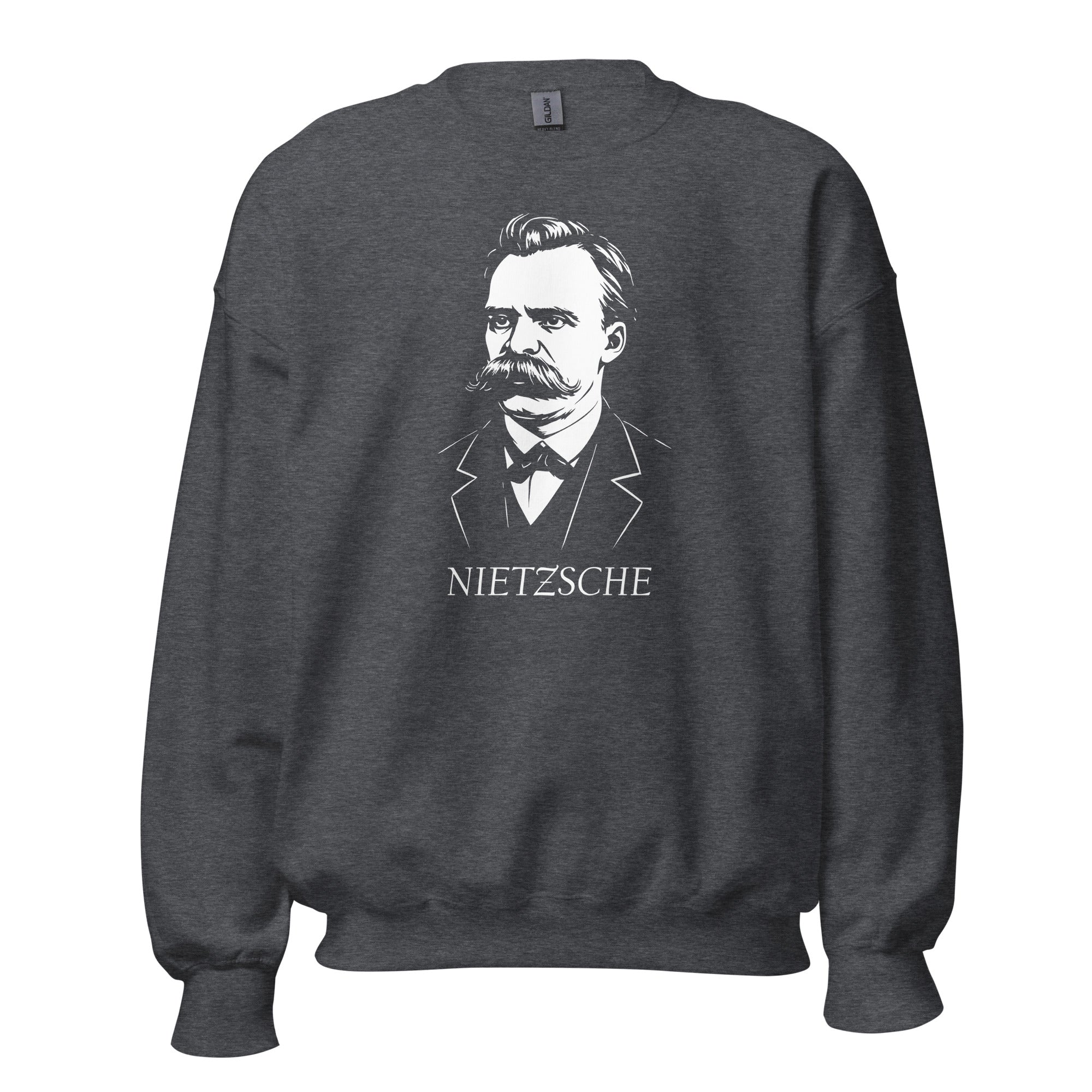
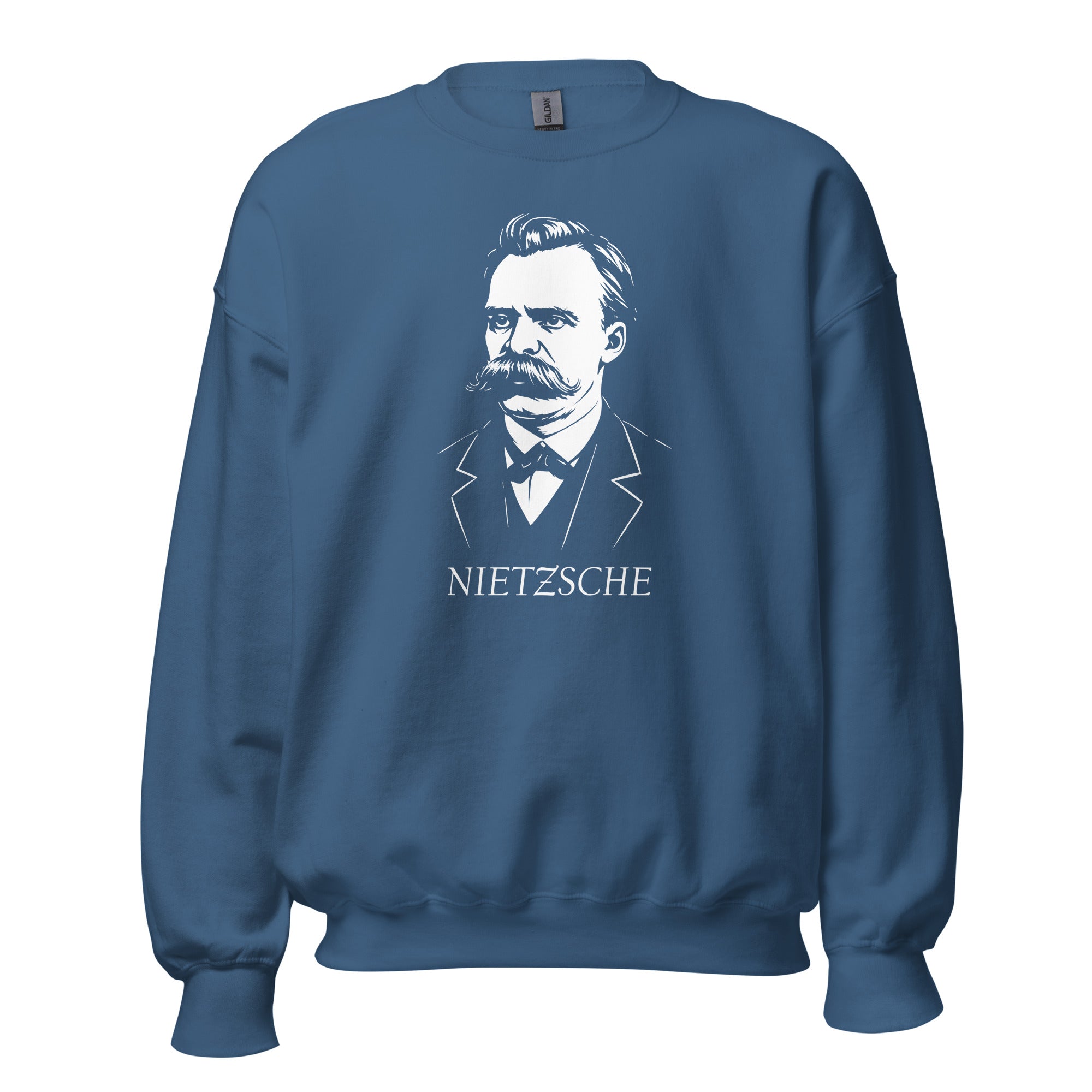
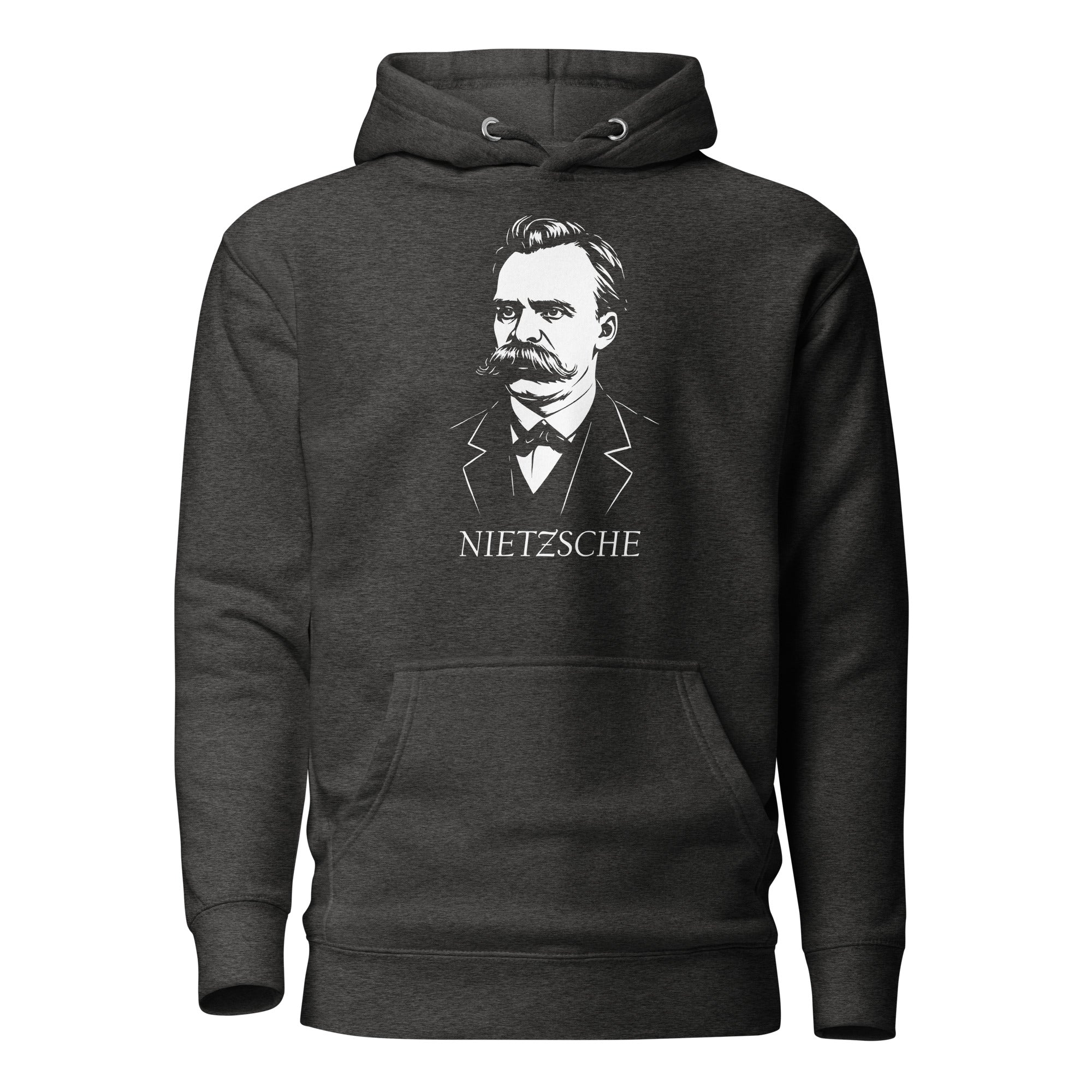
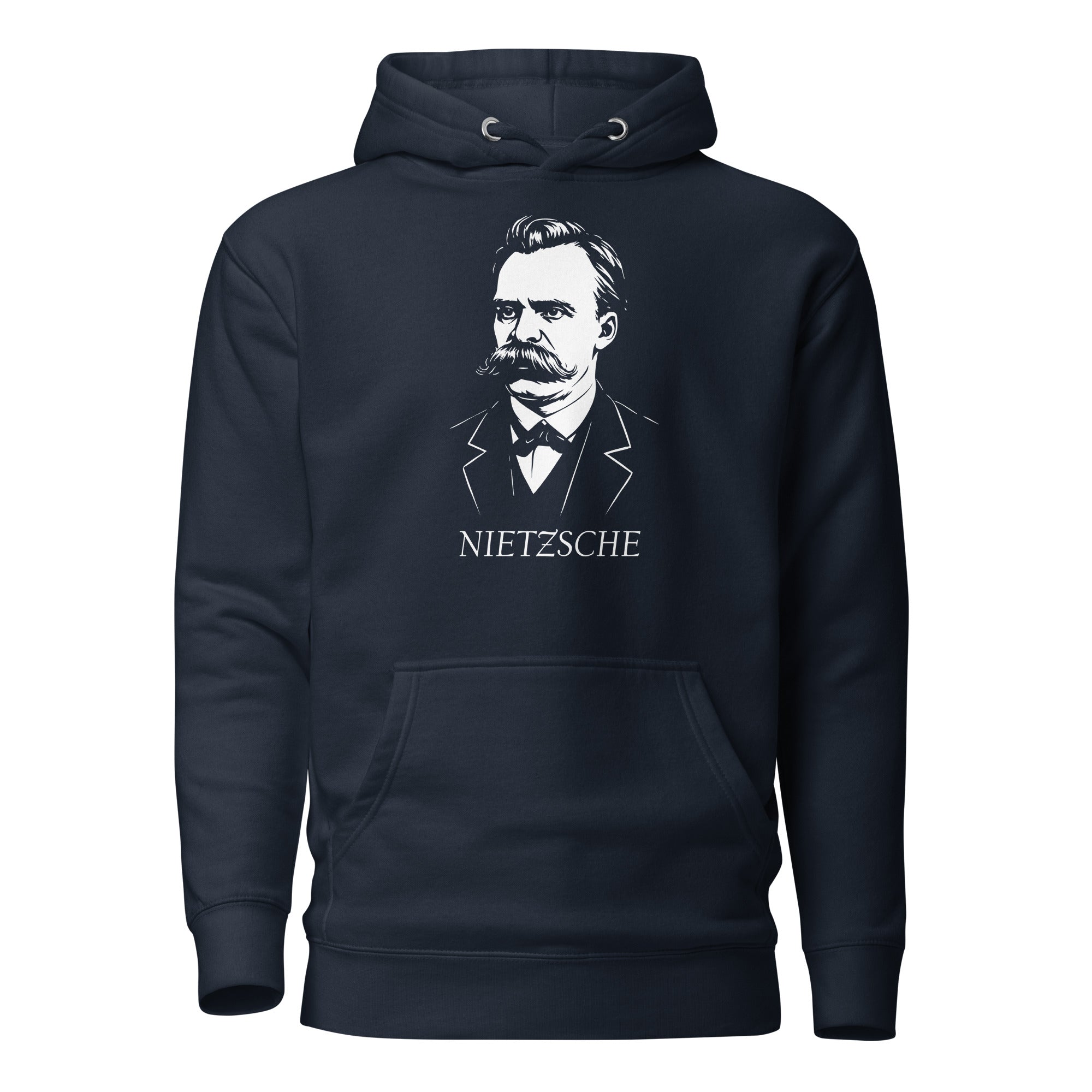
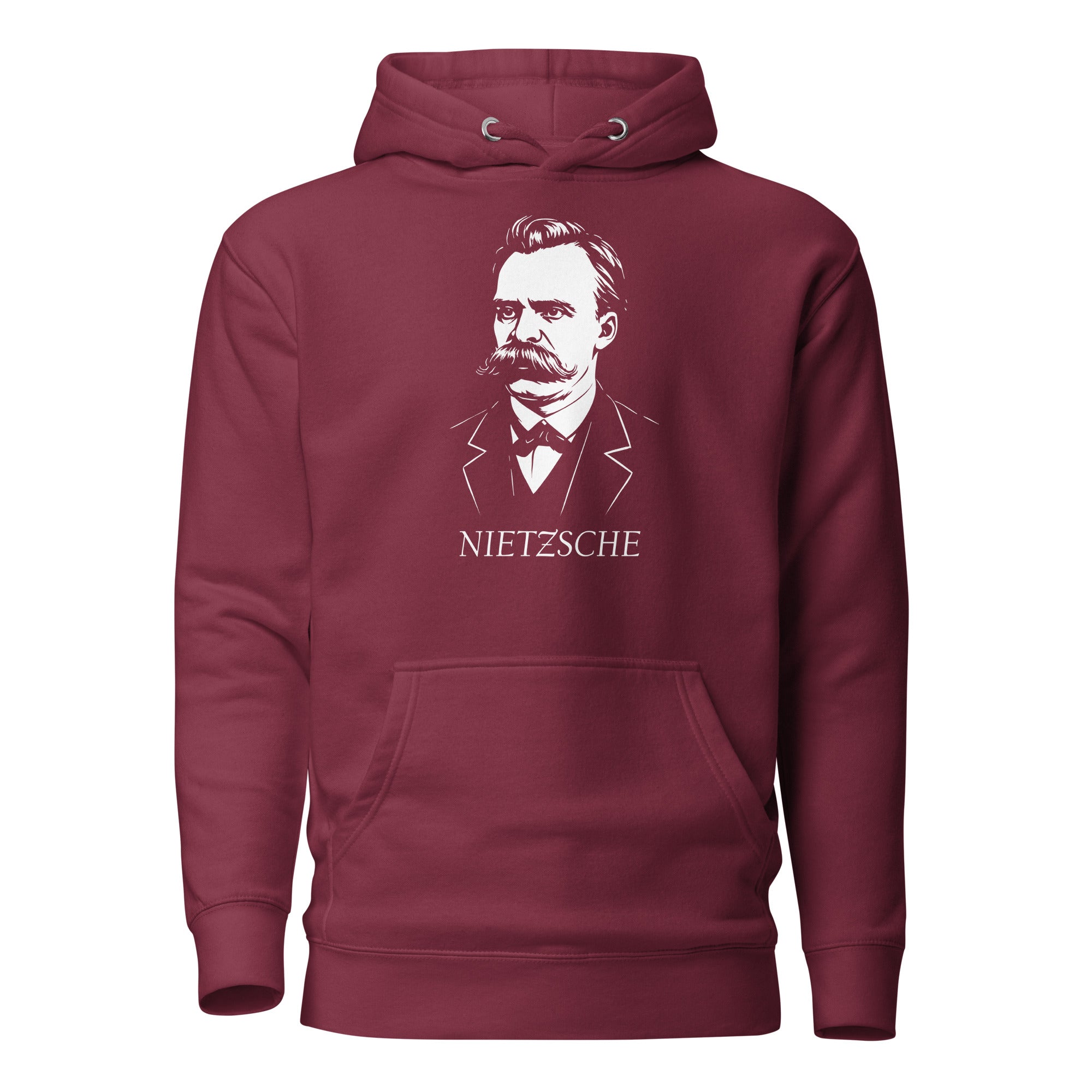
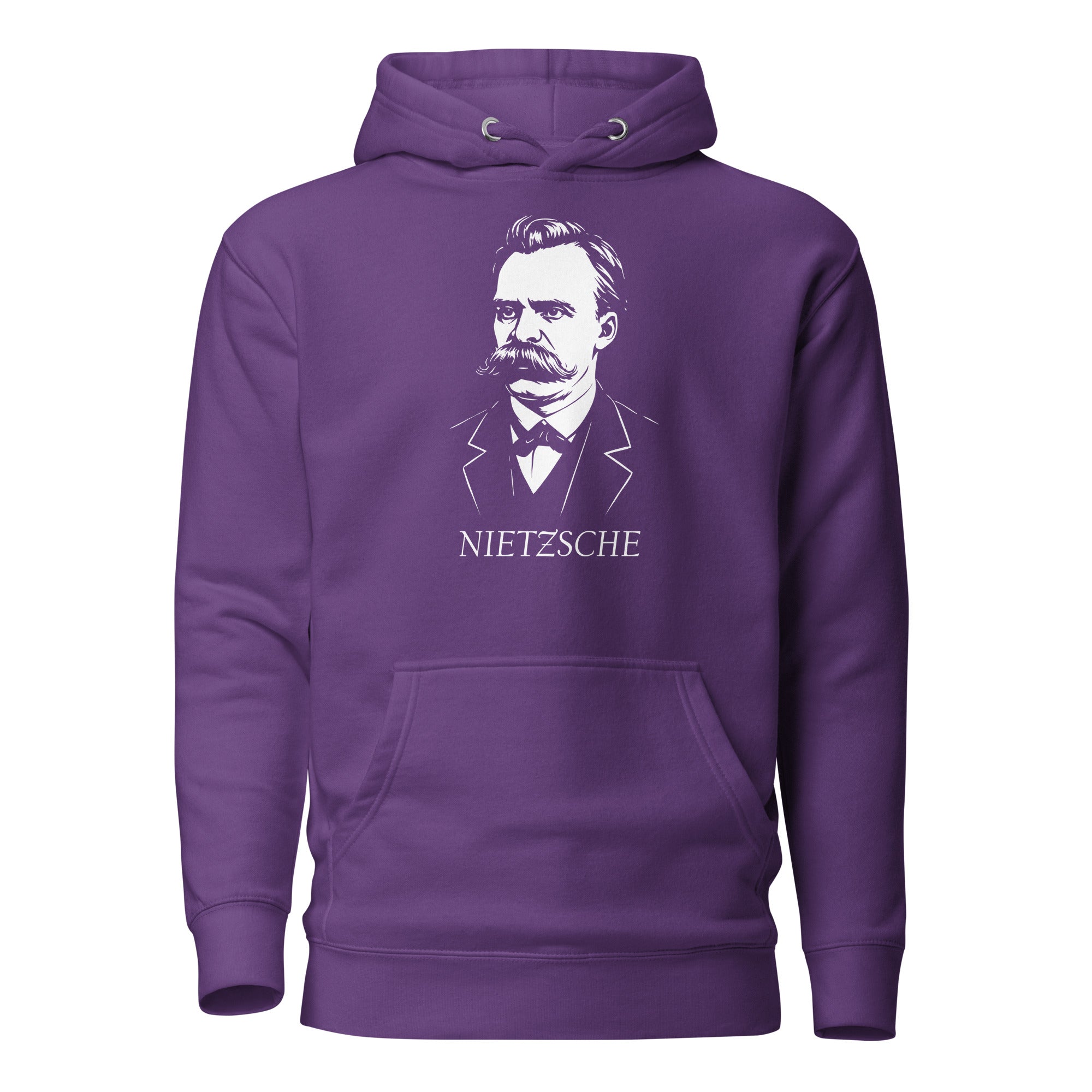
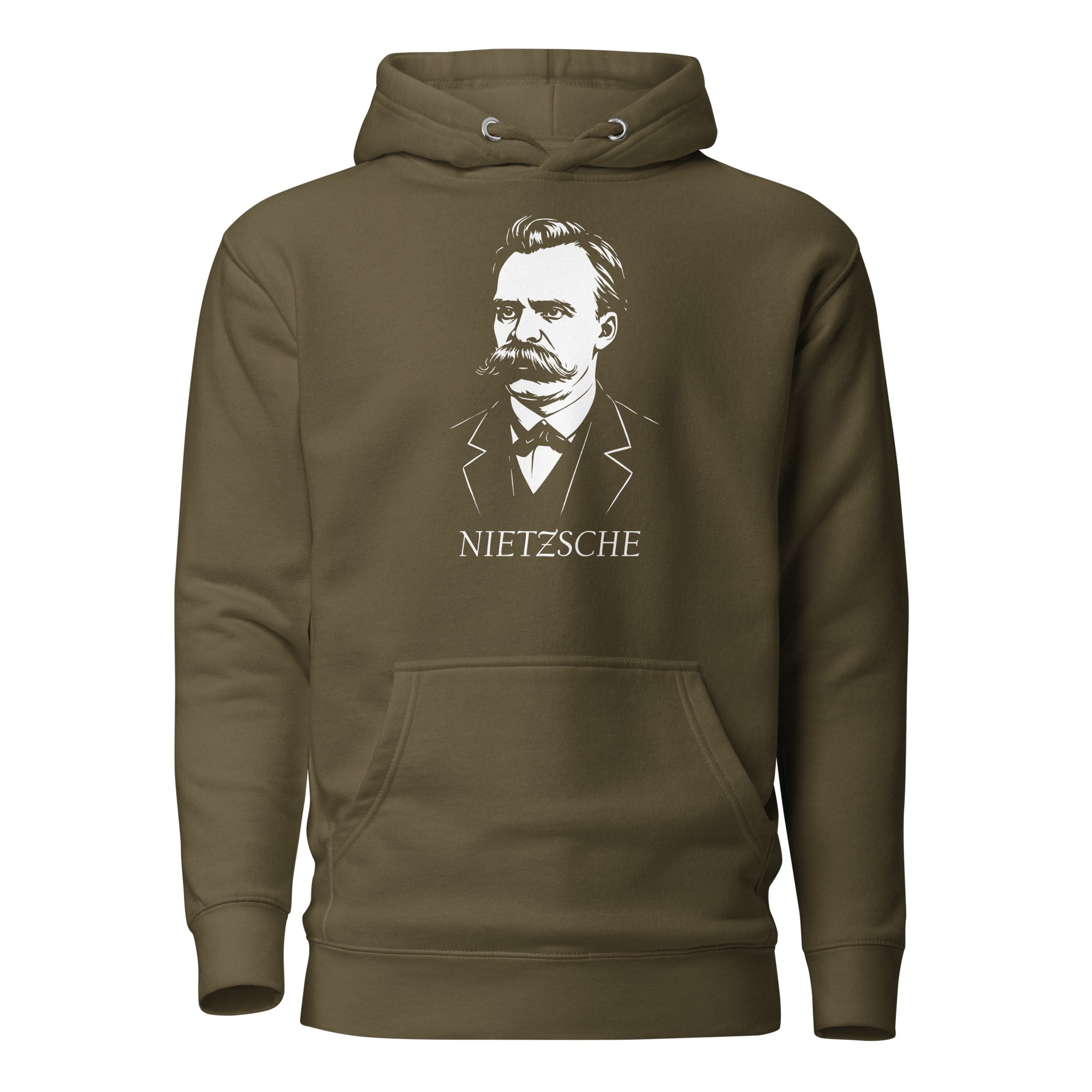
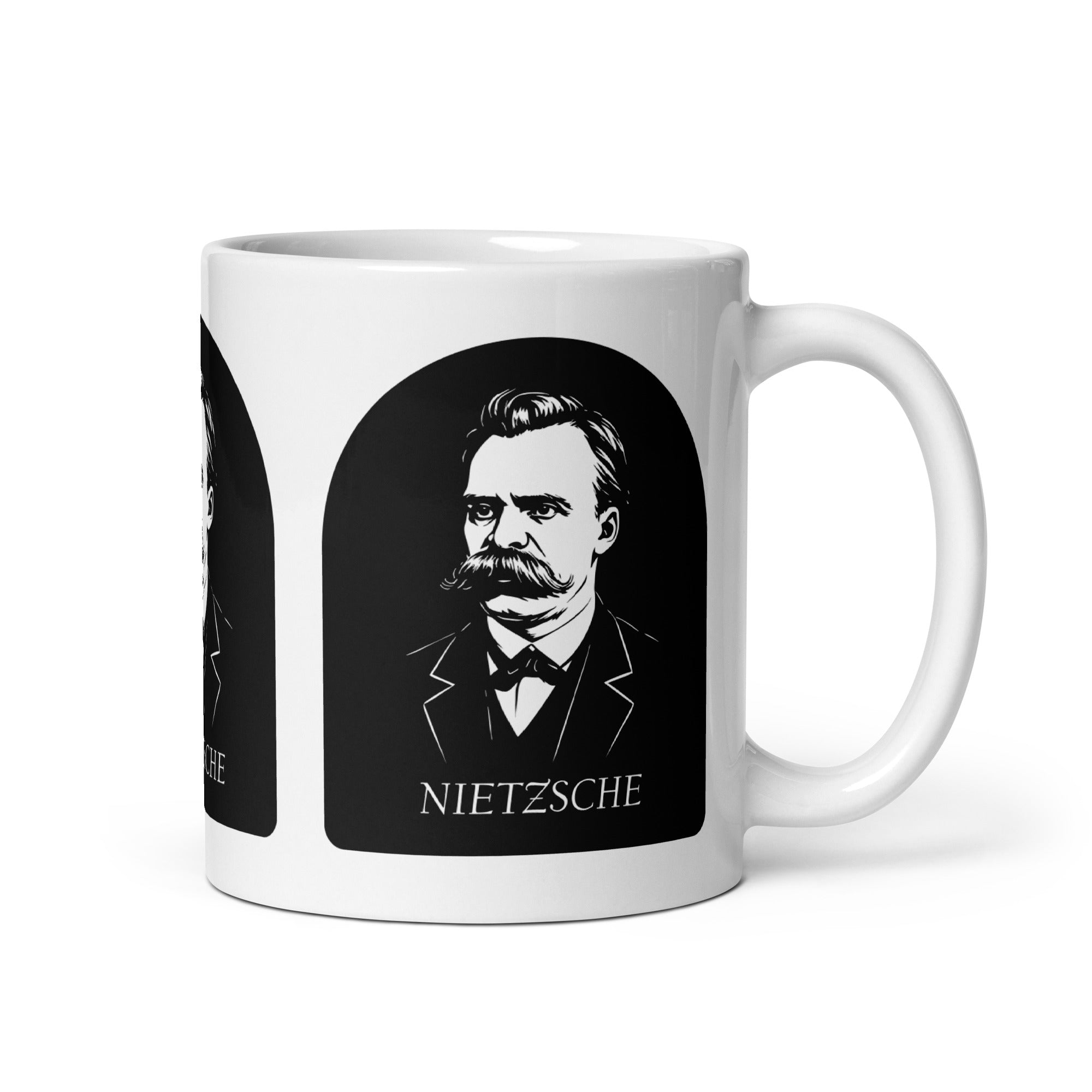
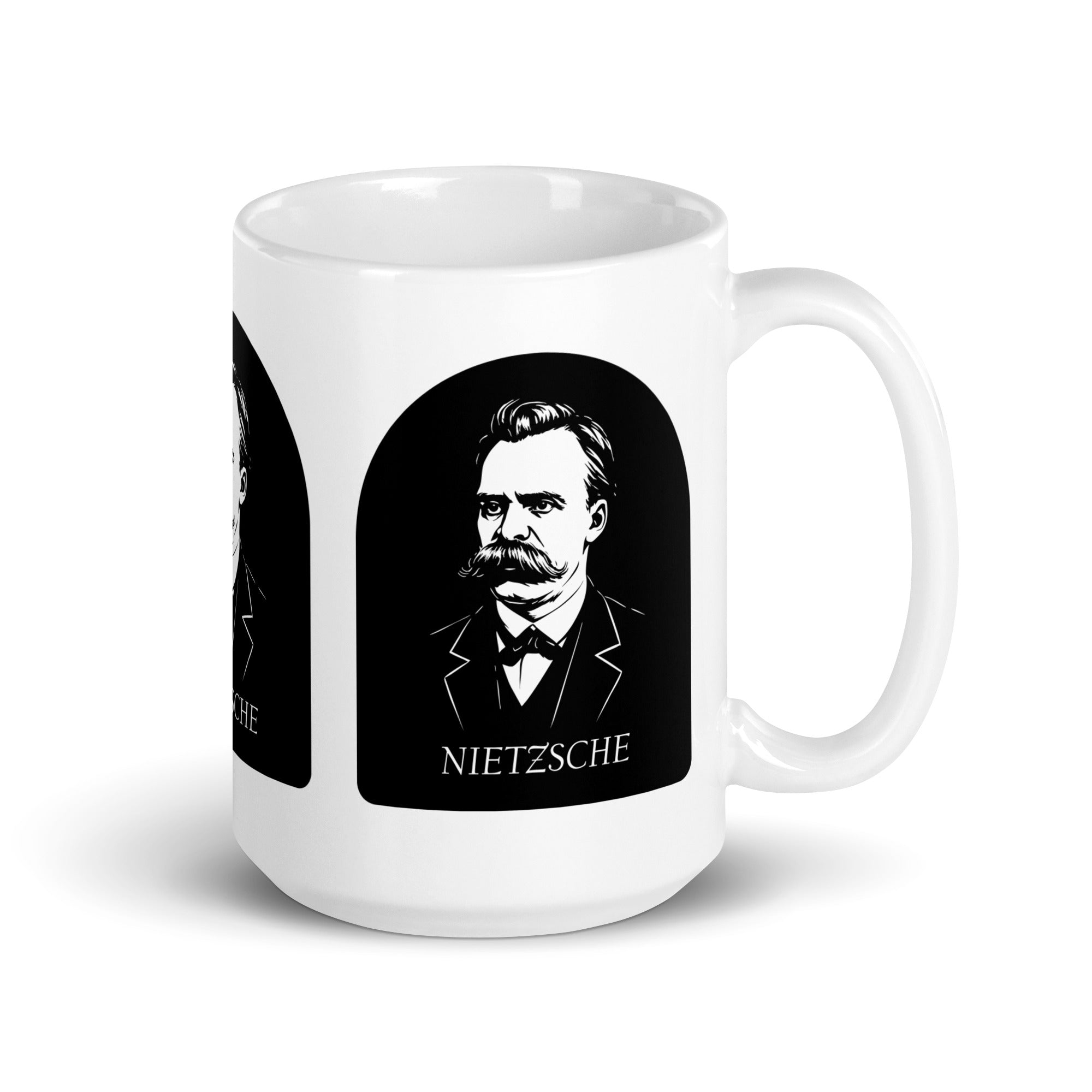
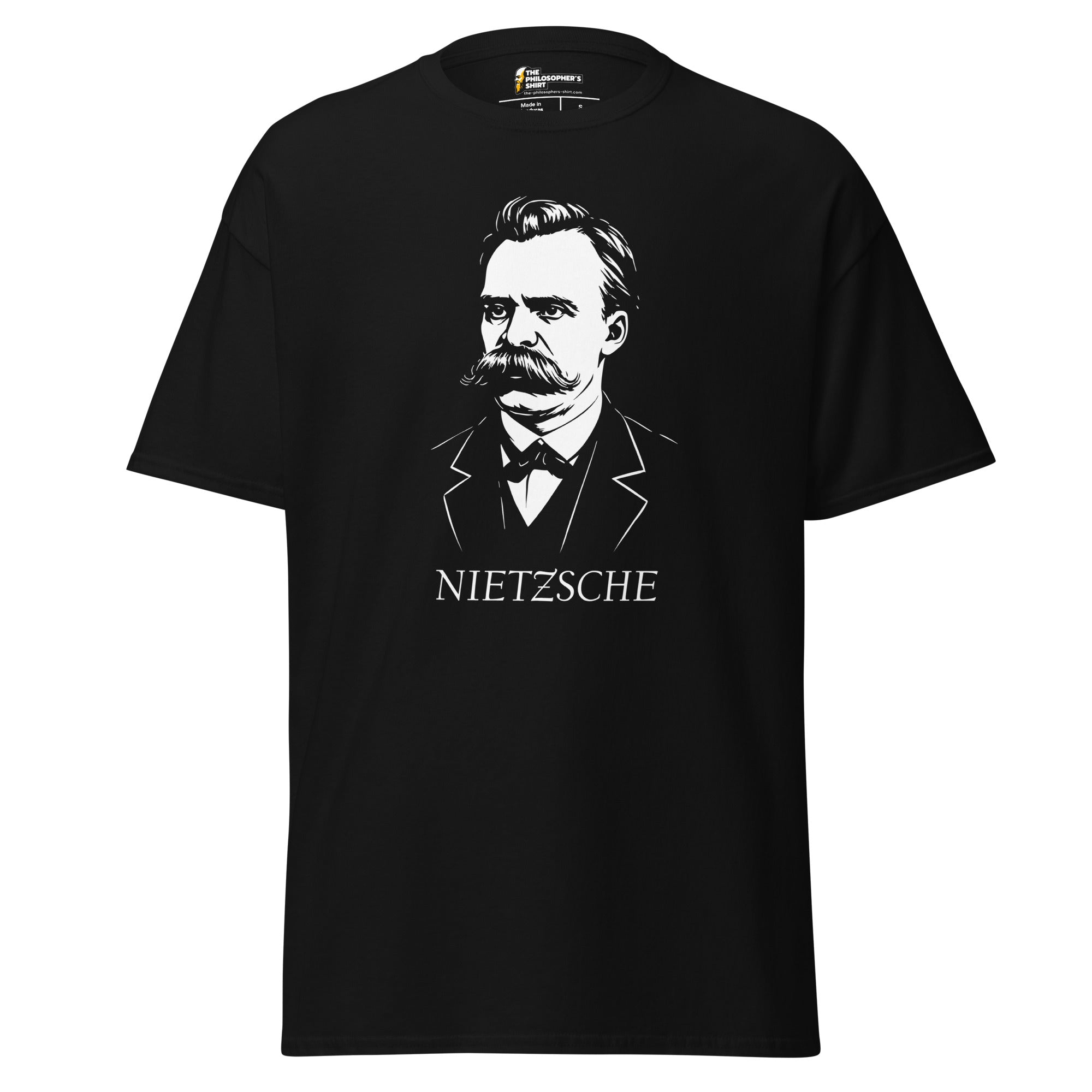
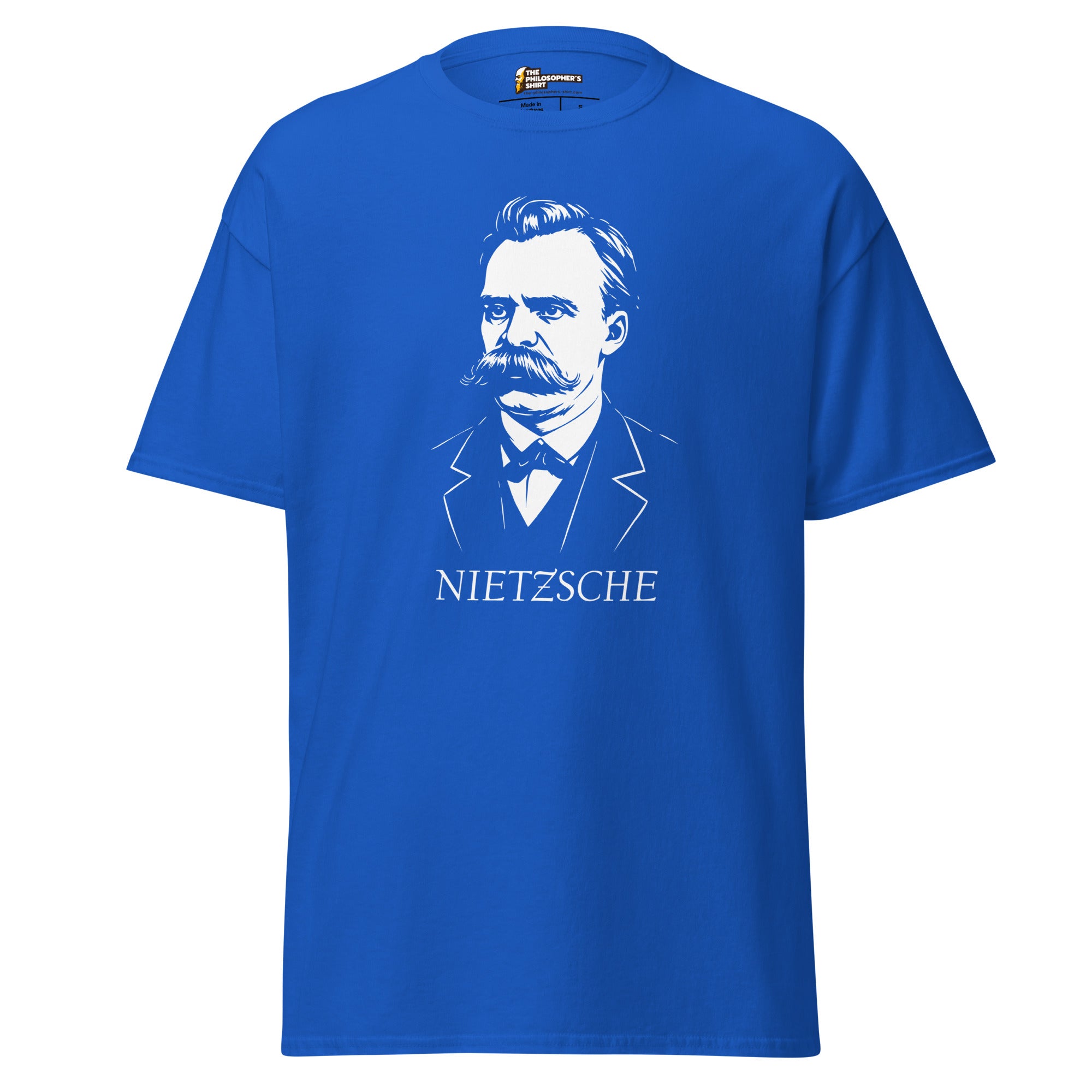
Nietzsche Portrait

Declared God dead, diagnosed the whole of morality as a historical accident, and did the most consequential work of his life while chronically ill and largely ignored.

No slogan, no joke — the man himself, rendered properly. The whole range: tees, sweatshirts, hoodies and mugs, printed to order as you buy them. He who has a why to bear can bear almost any how.
Questions about this design

What does the Nietzsche design show?
A clean black-and-white portrait of Friedrich Nietzsche in the style of an old engraving – the famous moustache, the stern gaze, a high collar – with his name set in classic serif capitals beneath. No joke, no slogan; just the philosopher who declared God dead and asked what we would do next.
Who was Friedrich Nietzsche?
Friedrich Nietzsche (1844–1900) was a German philosopher and classical philologist. Appointed professor at Basel at just 24, he left in 1879 because of poor health and wrote his major works as a wandering independent author. His critique of morality, religion and truth – and ideas like the will to power and eternal recurrence – shaped existentialism, psychology and twentieth-century thought.
Who said what doesn’t kill me makes me stronger?
Nietzsche. The line comes from Twilight of the Idols (1889), in the opening section Maxims and Arrows, number 8 – From life’s school of war, what does not kill me makes me stronger. It is less a self-help slogan than a claim about how suffering, rightly faced, can become a source of strength.
What does amor fati mean?
Amor fati is Latin for love of fate. Nietzsche uses it in The Gay Science (1882, section 276) and in Ecce Homo, where he calls it his formula for greatness – to want nothing to be different, not forward, not backward, not in all eternity. It means not merely accepting what happens but affirming it, including hardship.
What is Nietzsche’s eternal recurrence?
Eternal recurrence is the thought experiment in The Gay Science (section 341) in which a demon tells you that you must live your life again, innumerable times, exactly as it was. Would you curse him or call it divine news? For Nietzsche, being able to welcome this idea is the ultimate test of affirming your own life.
Where does he who has a why to live can bear almost any how come from?
It paraphrases Nietzsche’s Twilight of the Idols (1889), Maxims and Arrows, number 12 – if we have our own why of life, we can put up with almost any how. The sentence became widely known through the psychiatrist Viktor Frankl, who used it to explain how a sense of meaning helped prisoners survive the concentration camps.
What is master and slave morality?
In Beyond Good and Evil (1886) and On the Genealogy of Morality (1887) Nietzsche contrasts two types of valuation. Master morality starts from the noble’s self-affirmation – good means strong, proud, healthy. Slave morality starts from resentment of the powerful, recasting them as evil and praising humility and pity as good. Nietzsche argues that Christian morality grew out of the latter.
Was Nietzsche a nihilist?
Not in the sense of believing in nothing. Nietzsche diagnosed nihilism – the devaluation of the highest values once belief in God collapses – as the coming crisis of European culture. His philosophy is an attempt to overcome it by creating new values, affirming life and saying yes even to its suffering.
Is a Nietzsche shirt a good gift for a philosophy lover?
For anyone who quotes him, argues about him or simply admires the moustache, yes. This understated portrait works in a lecture hall, a library or a bar, and it comes as a classic t-shirt, sweatshirt, premium hoodie, mug and sticker – an easy present for philosophy students, teachers and readers of Zarathustra.