No tariffs. Ever. We ship locally from the US, Canada, the UK, or the EU + Free shipping over $80 / 70€ / £60 (equivalent in all other currencies).
Search our site

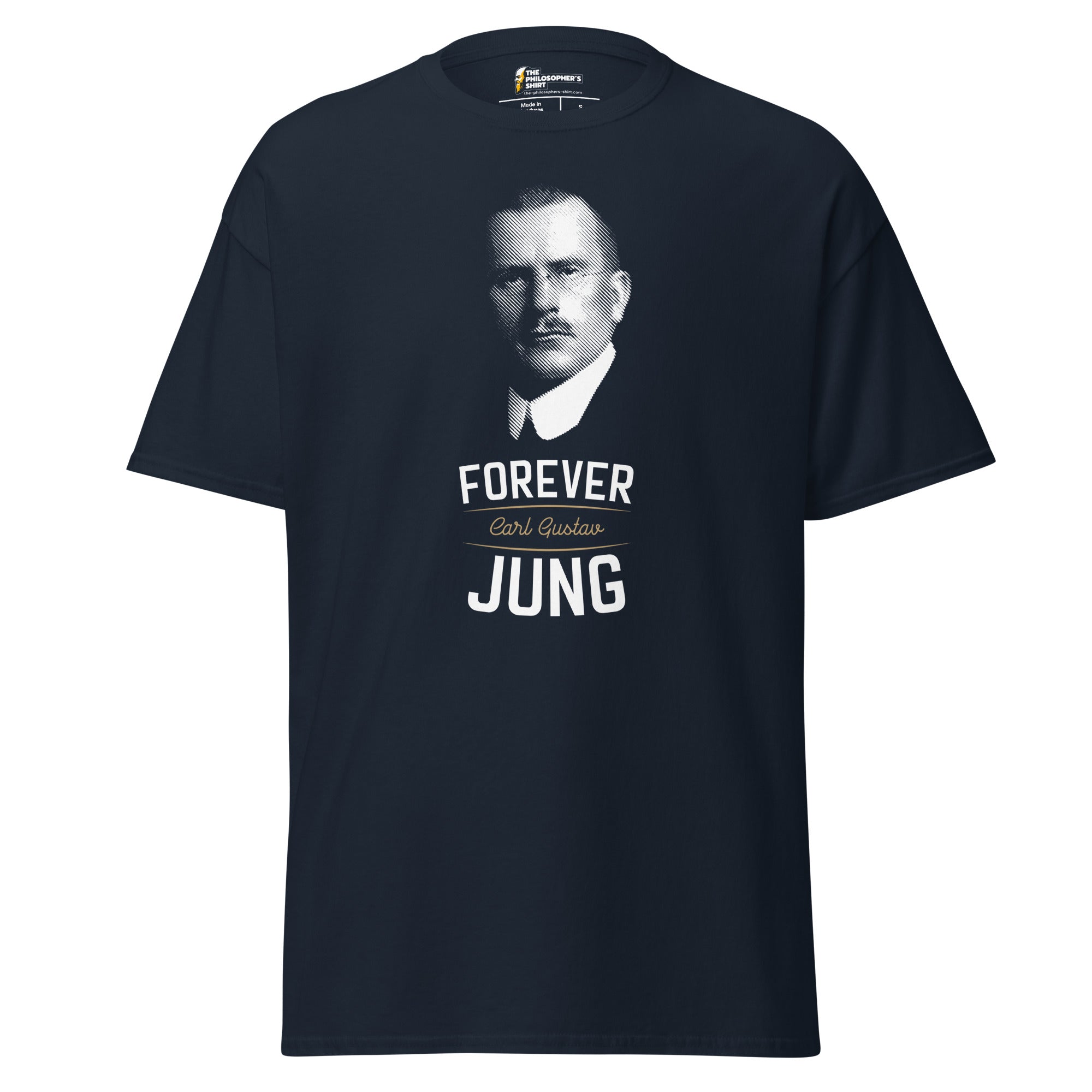
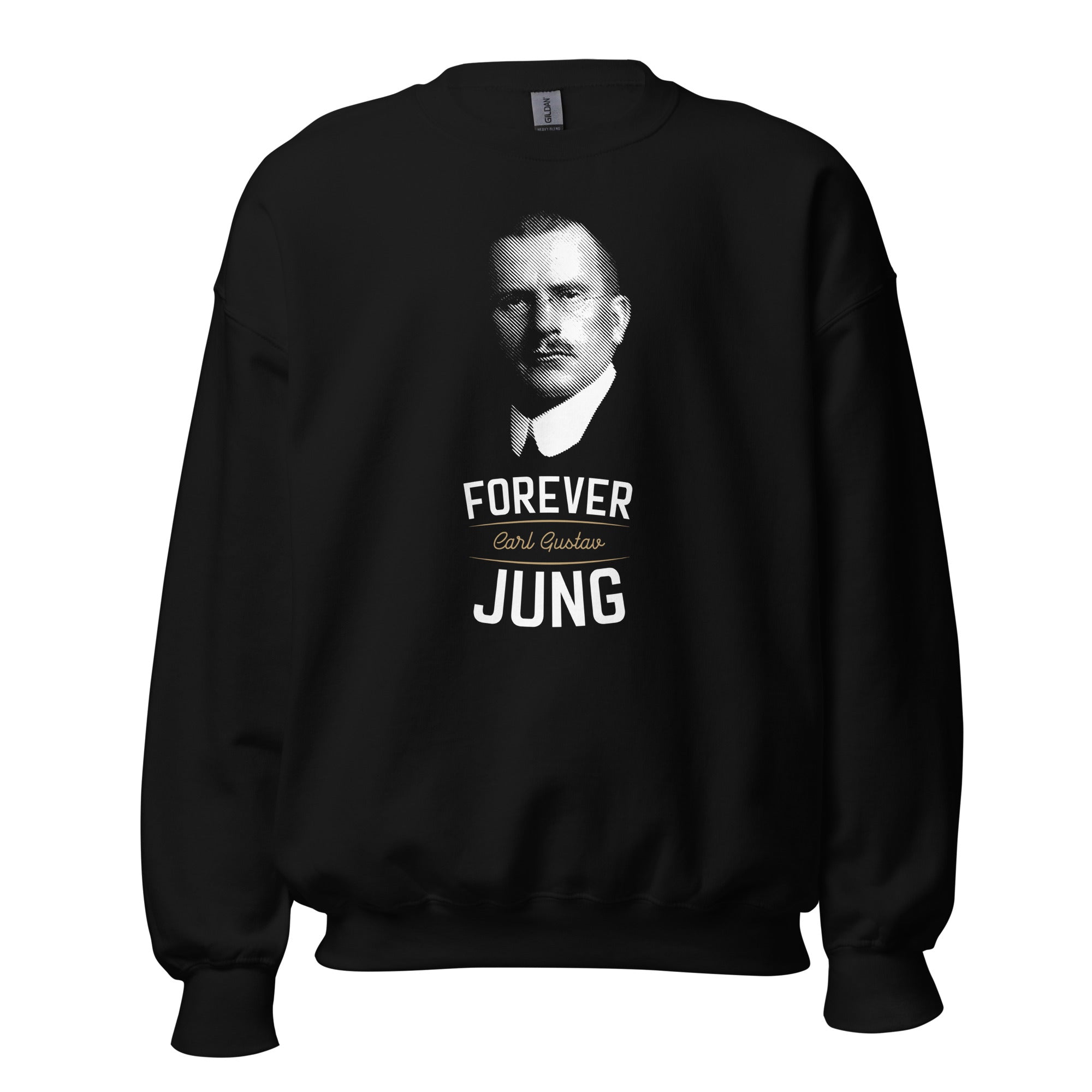
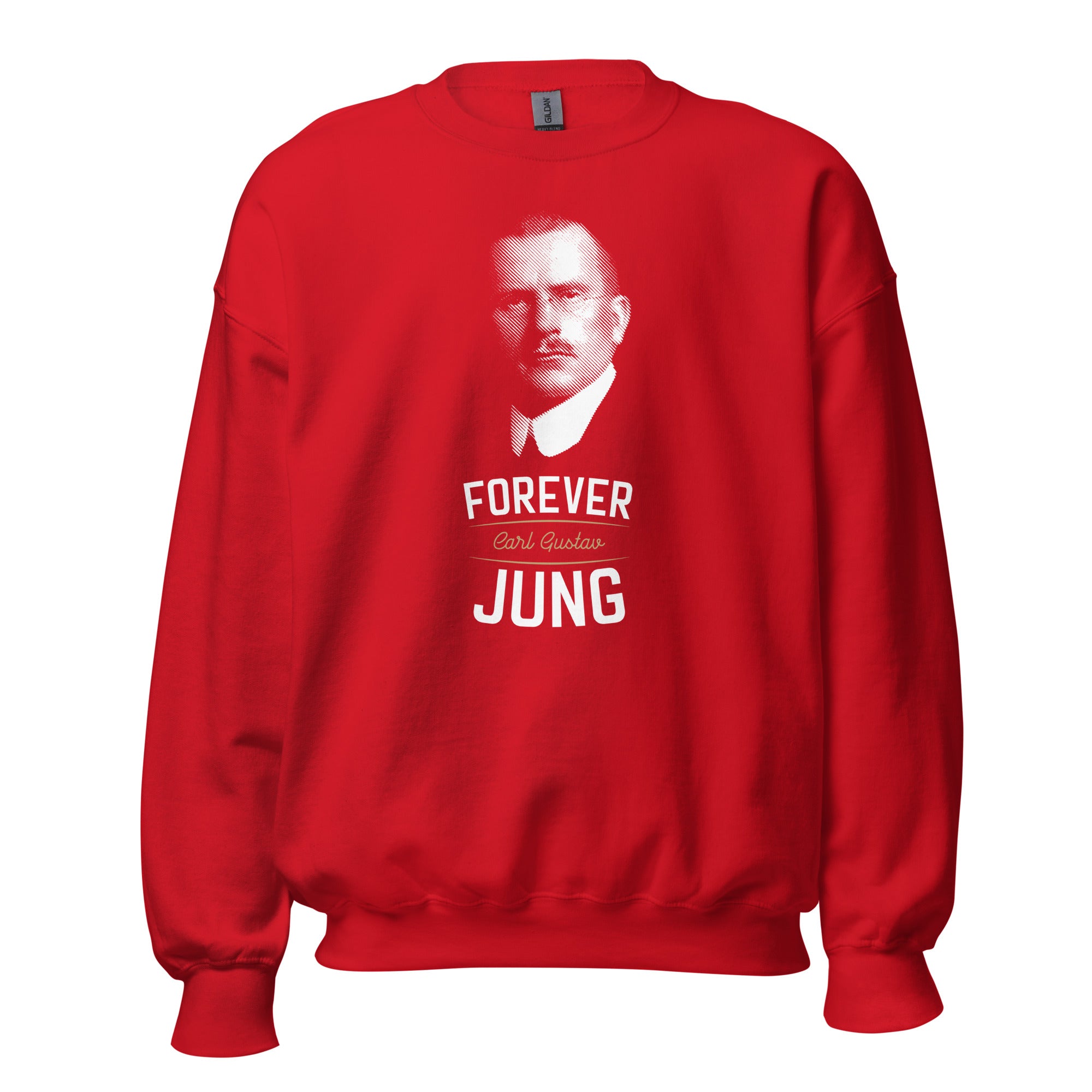
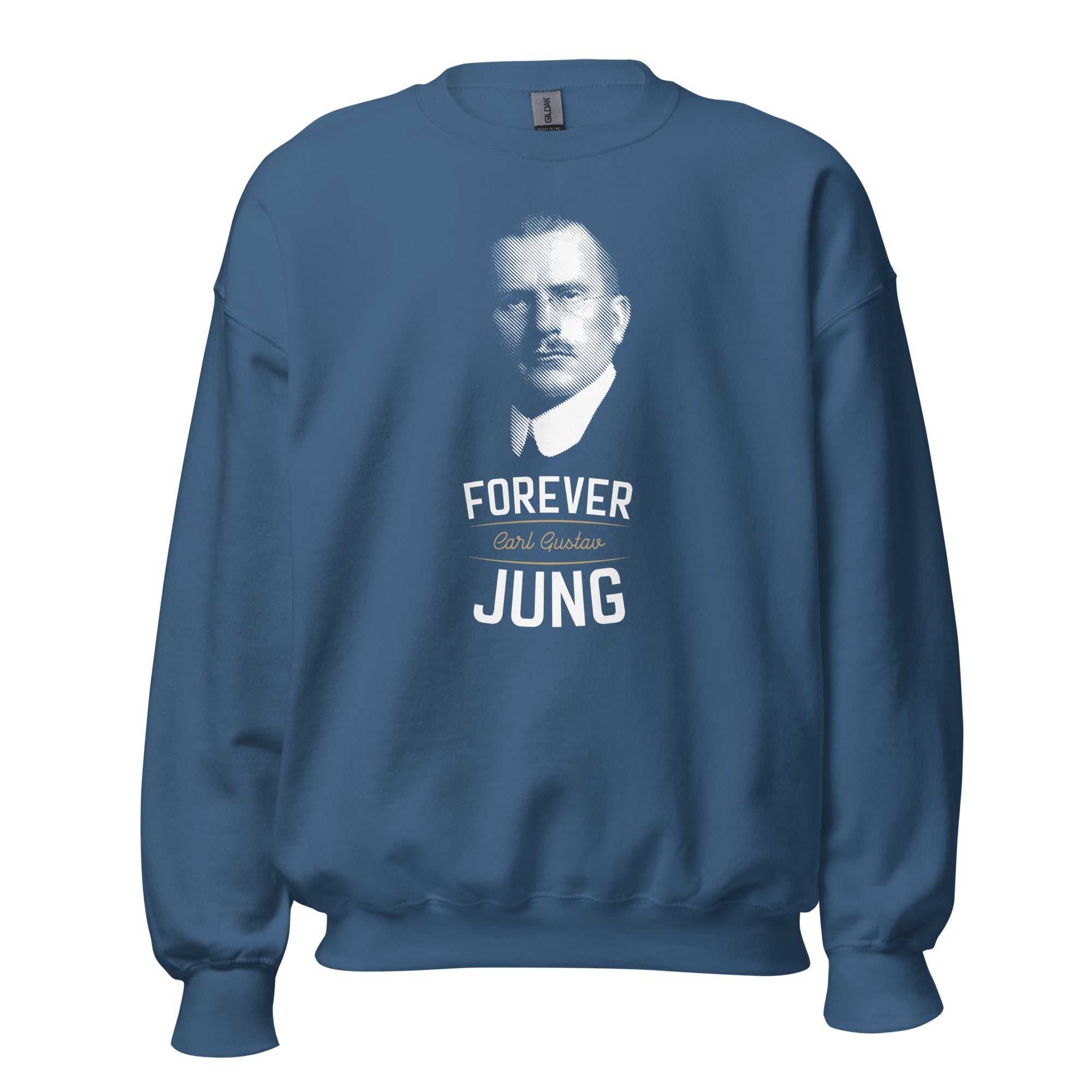
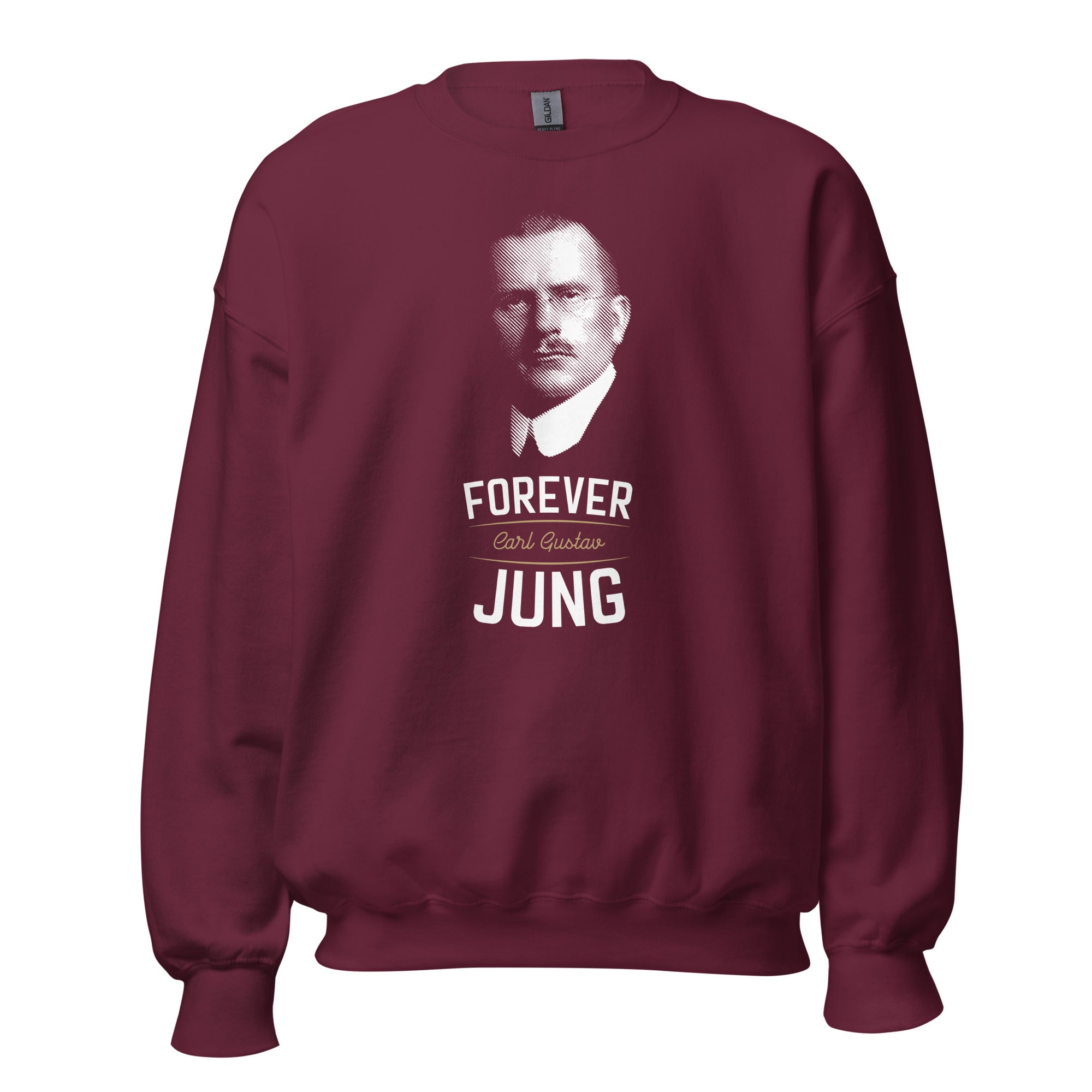
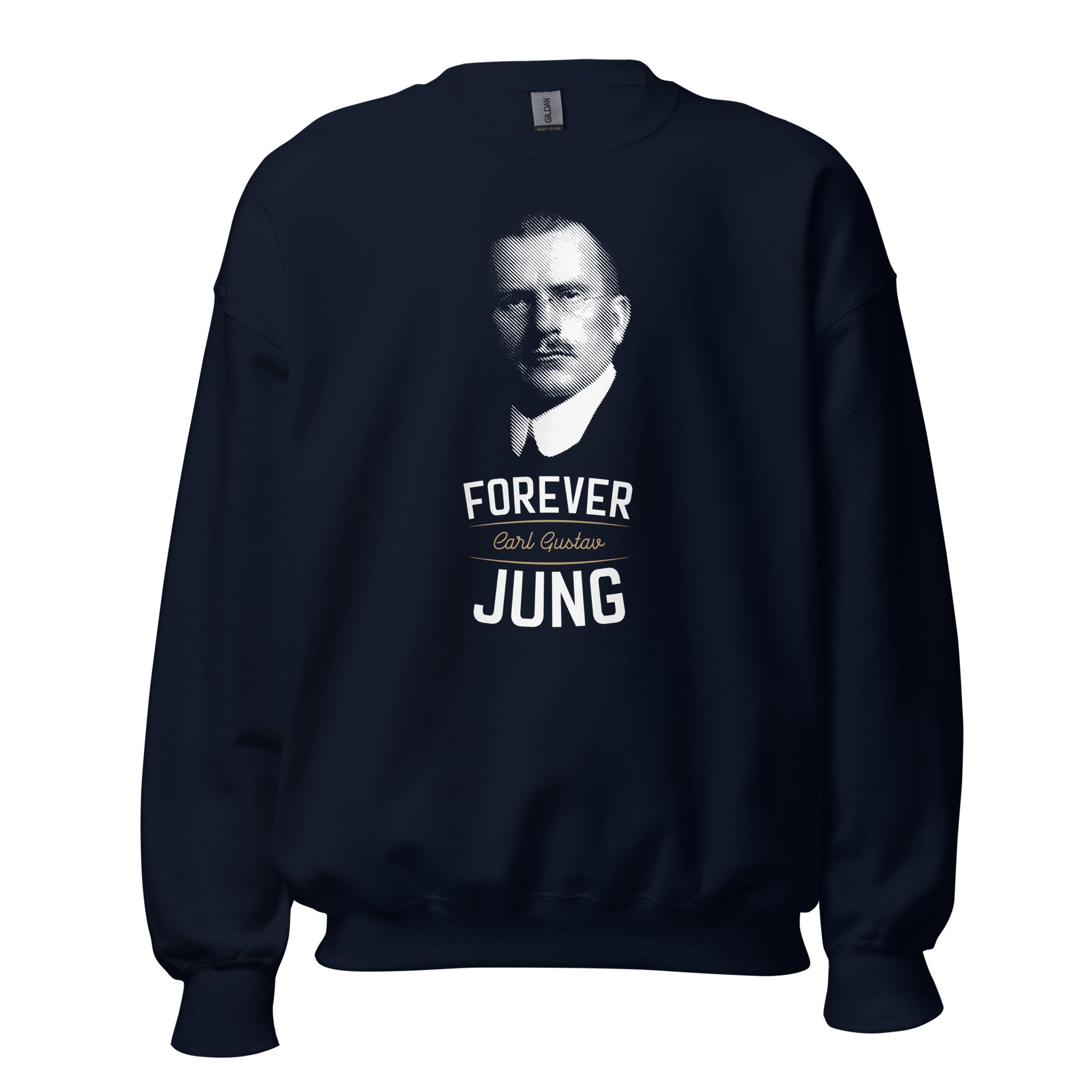
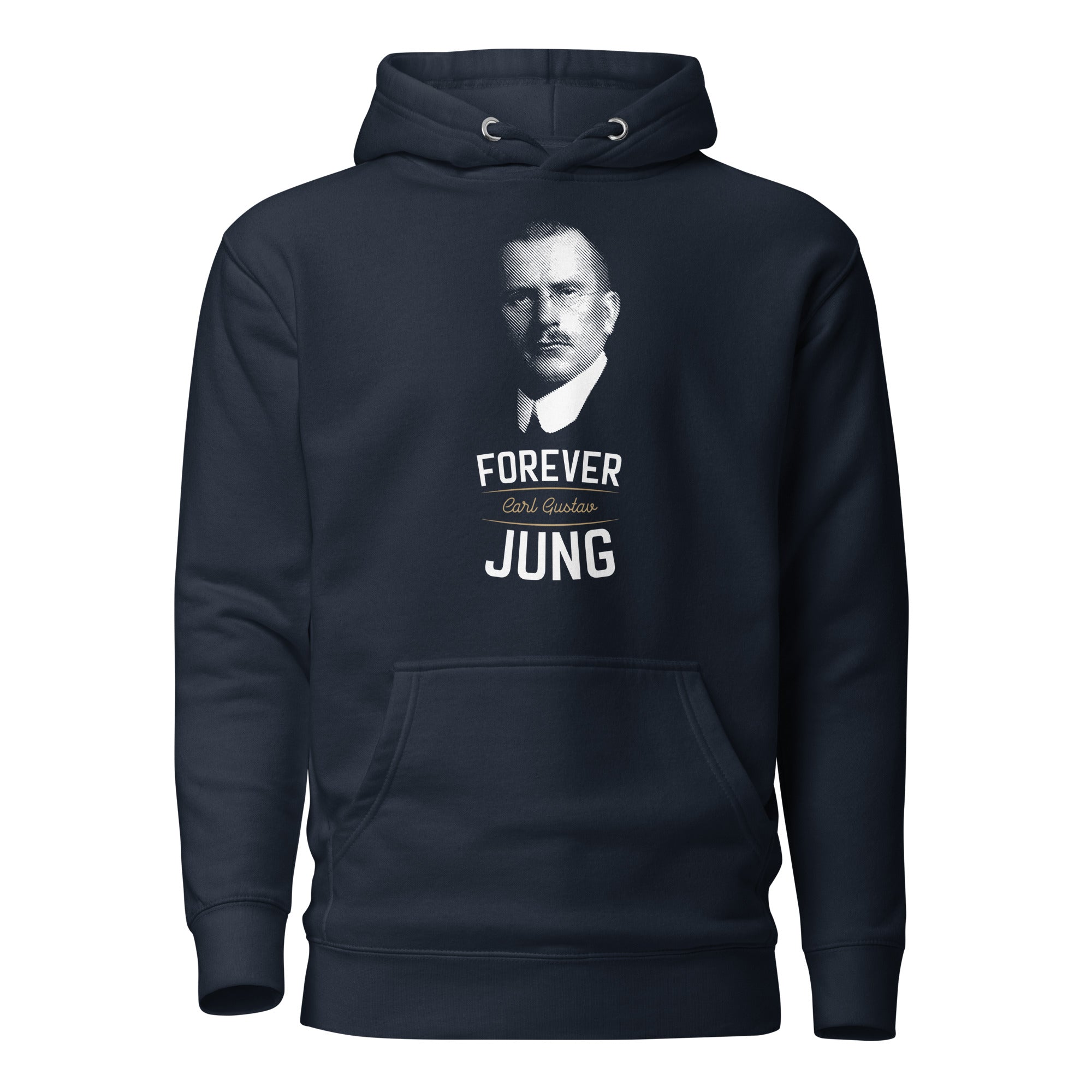
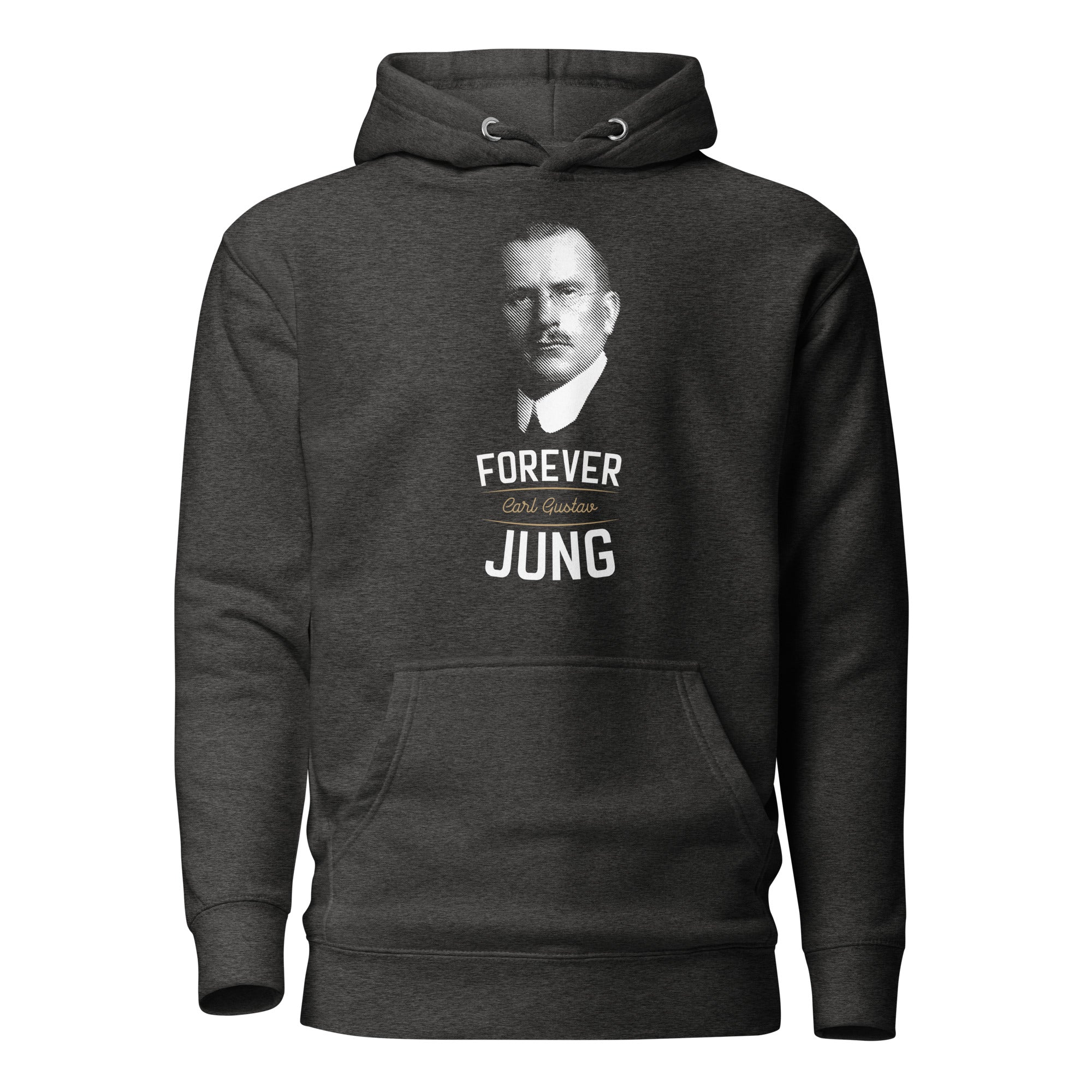
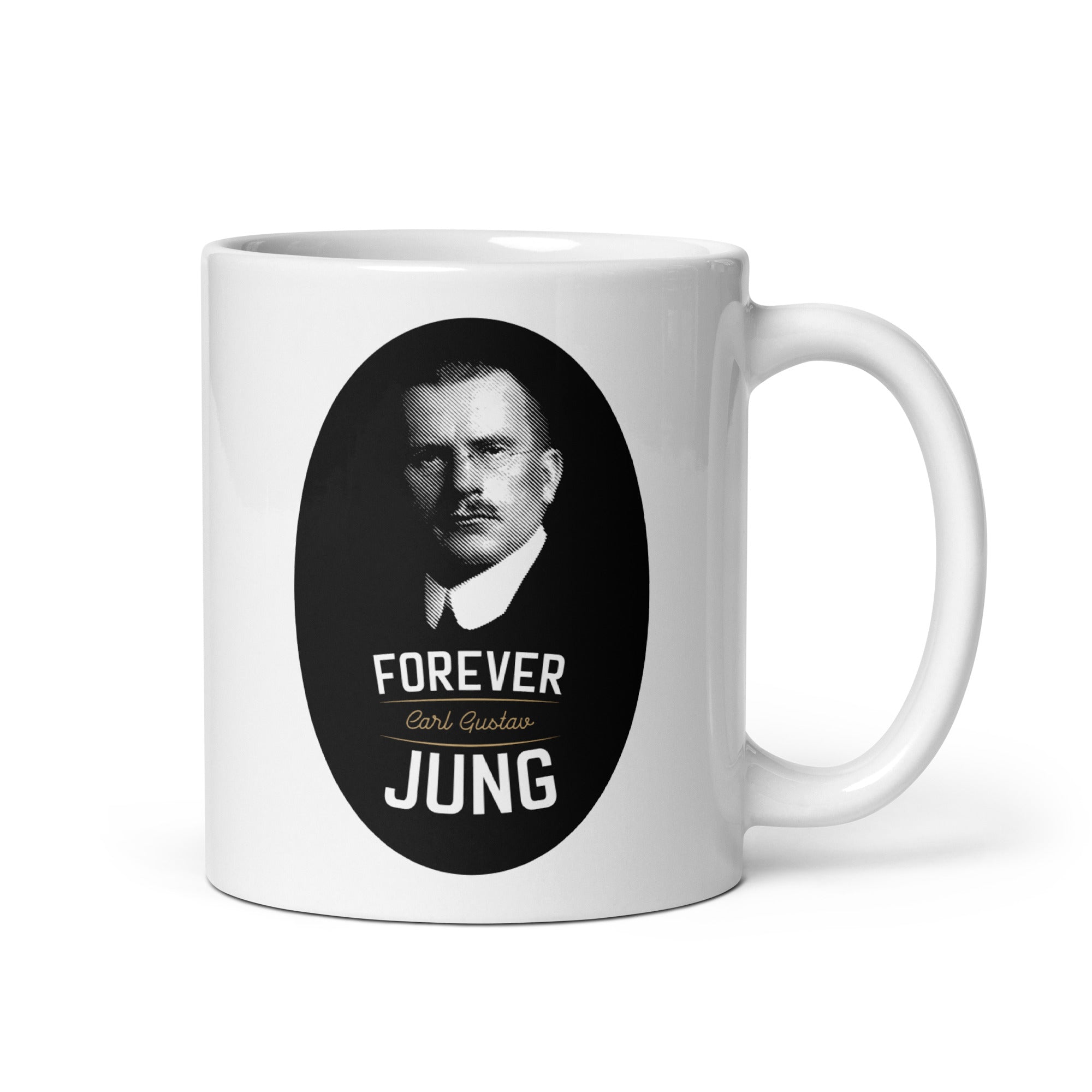
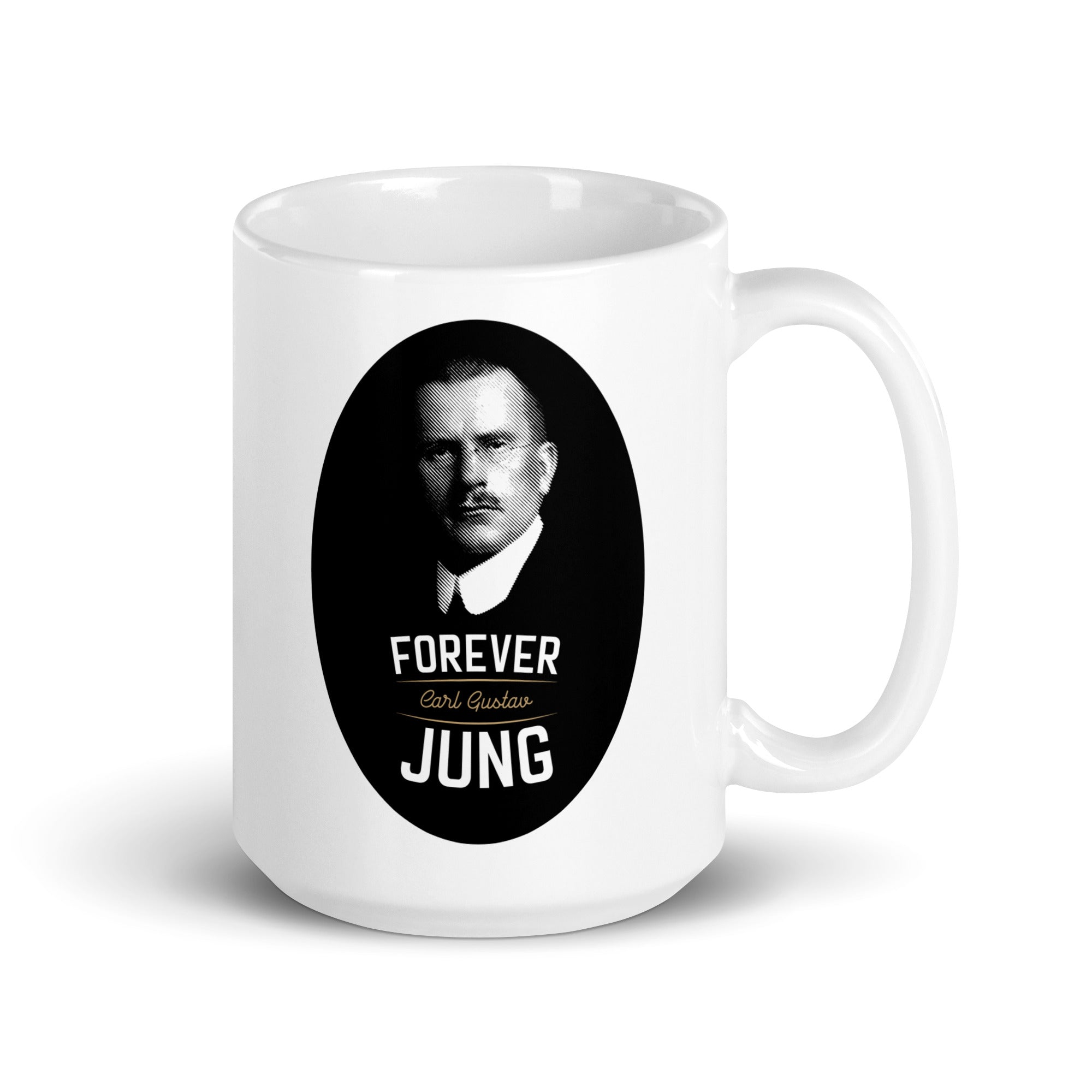
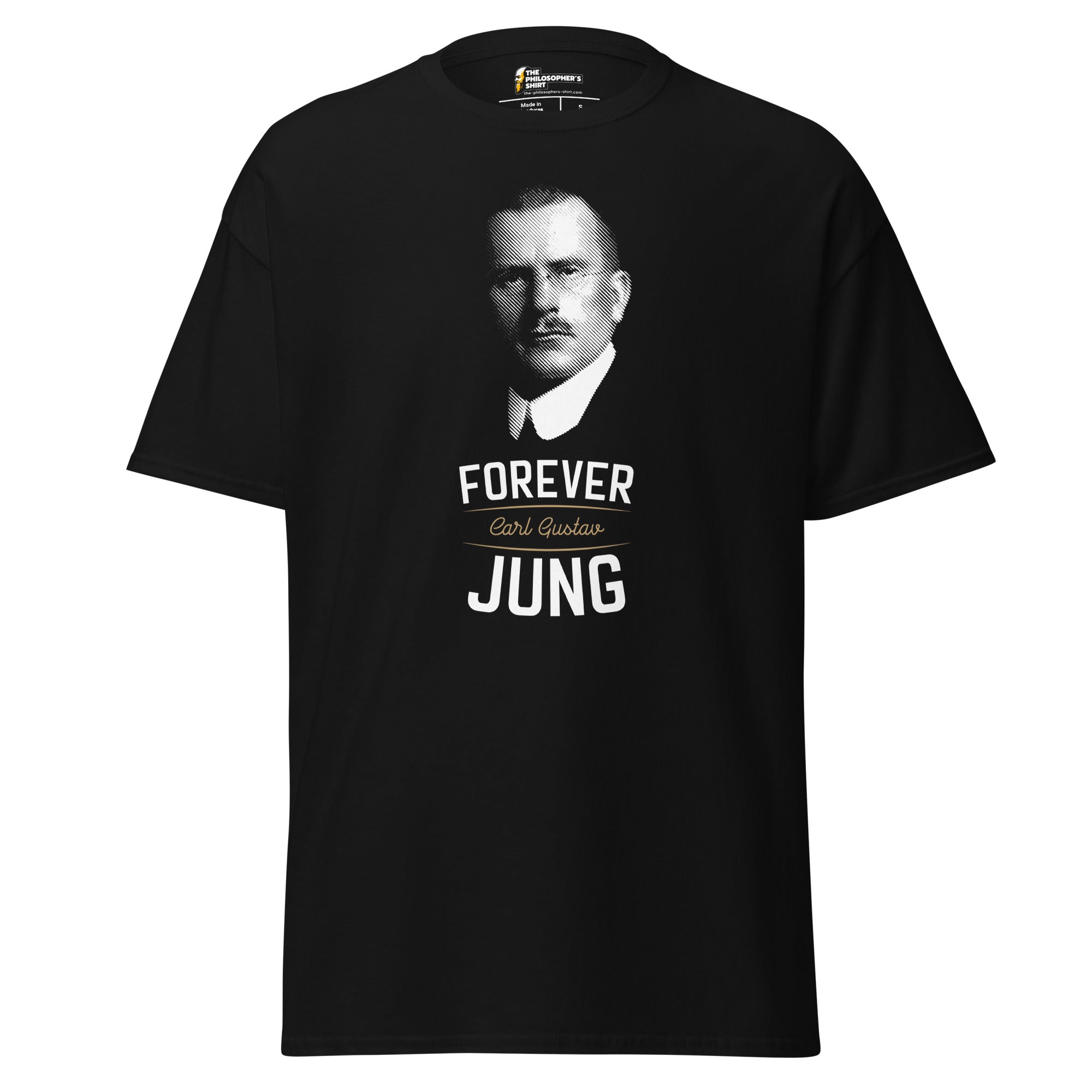
Forever Carl Gustav Jung

The man who gave us the shadow, the archetypes and the collective unconscious — rendered with the reverence usually reserved for musicians.

Speaks fluently to anyone who has done the shadow work or merely read about it. Every format we print it on, made to order as you buy it, from apparel to accessories. Until you make the unconscious conscious, it will direct your wardrobe too.
Questions about this design

What does Forever Carl Gustav Jung mean?
It is a pun. The design shows a black-and-white portrait of the Swiss psychiatrist Carl Gustav Jung with the lettering Forever Carl Gustav Jung, and since Jung is pronounced almost exactly like the English word young (with a short u, as in German), it reads as forever young. A tribute to a thinker whose ideas – archetypes, the shadow, introverts and extraverts – have never aged.
Who was Carl Gustav Jung?
Carl Gustav Jung (1875–1961) was a Swiss psychiatrist and the founder of analytical psychology. Born in Kesswil, he worked at the Burghölzli clinic in Zurich, became Sigmund Freud's closest collaborator and then went his own way. His ideas – the collective unconscious, archetypes, the shadow, introversion and extraversion – shaped psychology, philosophy, literature and religious studies.
What is the collective unconscious?
For Jung, beneath each person's personal unconscious lies a deeper layer shared by all humans – the collective unconscious. It is not made of memories but of inherited patterns of perception and imagination, the archetypes. Jung saw them at work in myths, fairy tales, religions and dreams across cultures, which in his view explains why similar motifs appear all over the world.
What are Jung's archetypes?
Archetypes are the universal patterns of the collective unconscious that shape how we experience the world. The best known are the persona (the social mask), the shadow (what we refuse to see in ourselves), the anima and animus (the inner feminine and masculine) and the Self (the whole personality). Popular lists of exactly twelve archetypes come from later marketing and personality writers, not from Jung.
What is the shadow in Jungian psychology?
The shadow is everything about ourselves that we do not want to be – traits the conscious ego rejects and pushes into the unconscious. Because we do not see it, we tend to project it onto others. Jung held that becoming whole requires recognising and integrating the shadow rather than fighting it; today this is often called shadow work. The shadow is not only dark, it can also hold neglected strengths.
Did Carl Jung invent introvert and extrovert?
He did not invent the words, but he made them famous. In Psychological Types (Psychologische Typen, 1921) Jung described introversion as the attitude in which energy turns inward toward the subject, and extraversion as the attitude turned outward toward the object. He combined these attitudes with four functions – thinking, feeling, sensation and intuition. Many later personality tests build on this work.
Why did Freud and Jung split?
Jung was long seen as Freud's heir, but they parted around 1912–1913. Jung rejected Freud's view that libido is essentially sexual and treated it as general psychic energy; his book Wandlungen und Symbole der Libido (1912) made the break obvious. He also took religion and myth more seriously than Freud did. After the split Jung went through a deep personal crisis and developed his own analytical psychology.
Did Jung say “Until you make the unconscious conscious, it will direct your life and you will call it fate”?
Not in those words – it is a popular paraphrase. The closest passage is in Aion (1951), where Jung writes that when an inner situation is not made conscious, it happens outside, as fate. The idea is genuinely his – what we refuse to know about ourselves comes back to meet us in the world – but the polished version circulating online is not a direct quotation.
Which Carl Jung book should I read first?
Many start with Man and His Symbols (1964), the only book Jung planned for general readers, completed with collaborators after his death. Memories, Dreams, Reflections (1962), recorded and edited by Aniela Jaffé, is a vivid if partly shaped self-portrait. For theory, read Psychological Types (1921) or the essays in The Archetypes and the Collective Unconscious.
Is Forever Carl Gustav Jung a good gift for a psychology student?
Yes – it suits psychology students, therapists, analysts and anyone who keeps a dream journal. People who know Jung enjoy the pun, everyone else simply sees a stylish portrait. The design is available as a classic unisex T-shirt, a women's T-shirt, a sweatshirt, a premium hoodie, a mug and a sticker, so there is something for the consulting room as well as the library.