No tariffs. Ever. We ship locally from the US, Canada, the UK, or the EU + Free shipping over $80 / 70€ / £60 (equivalent in all other currencies).
Search our site

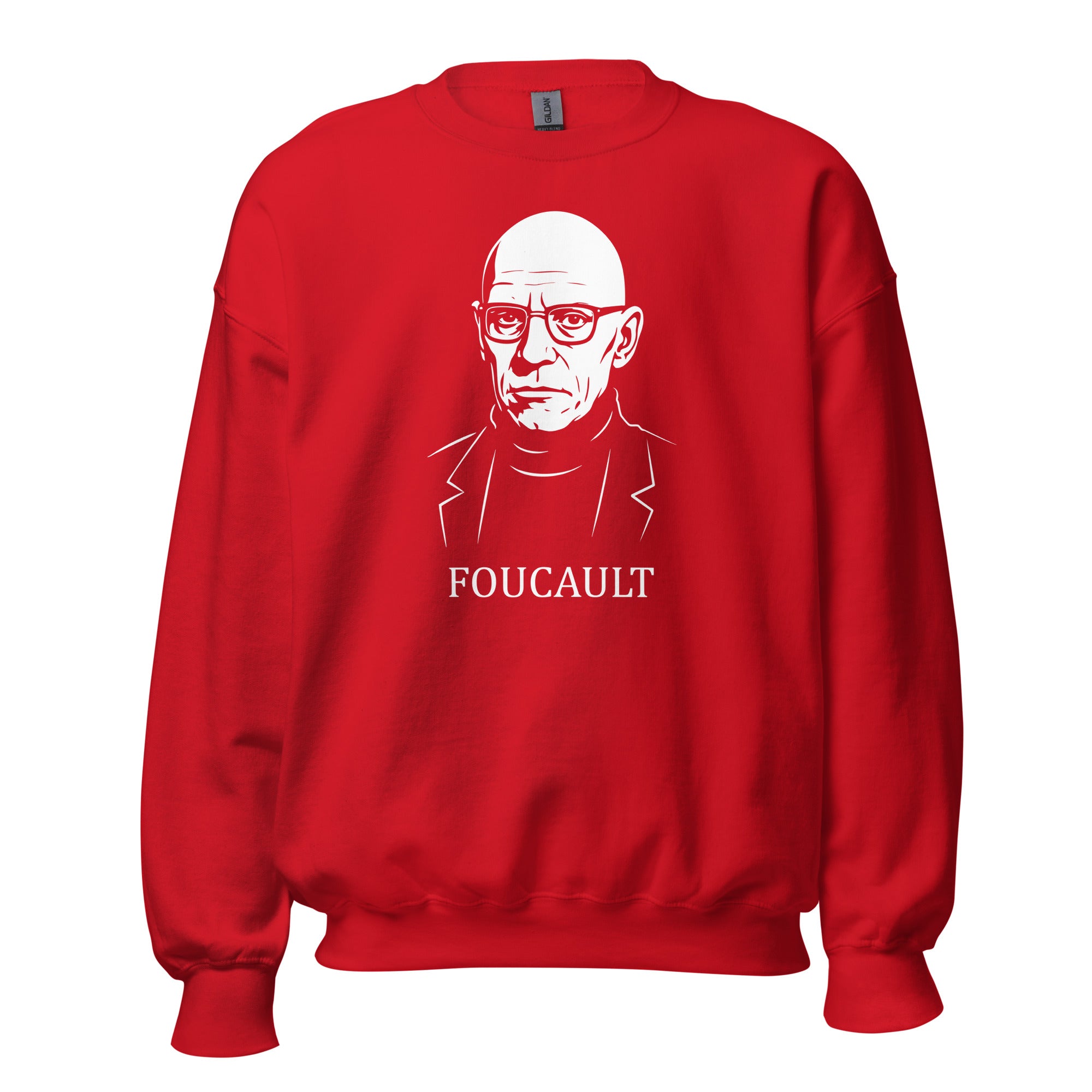
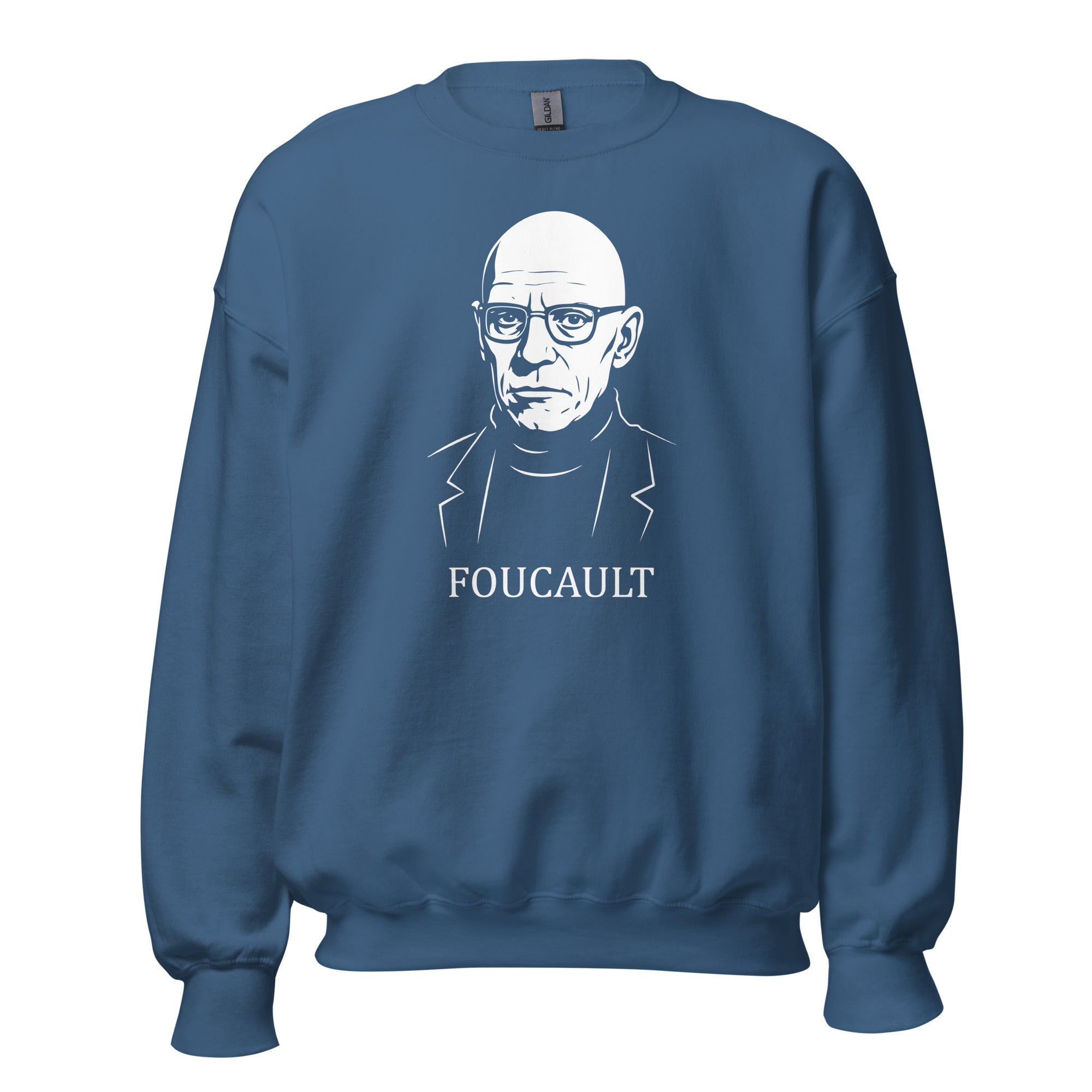
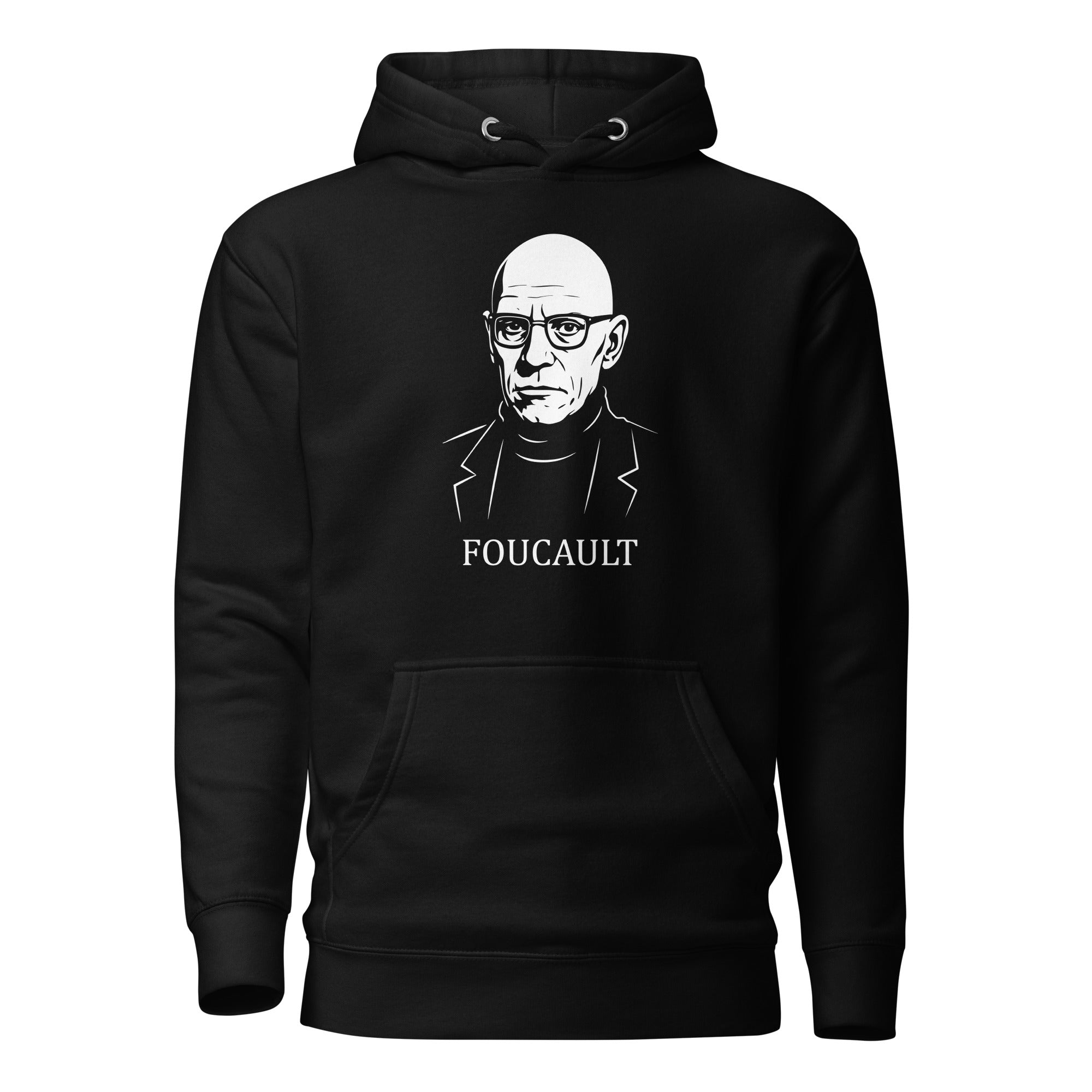
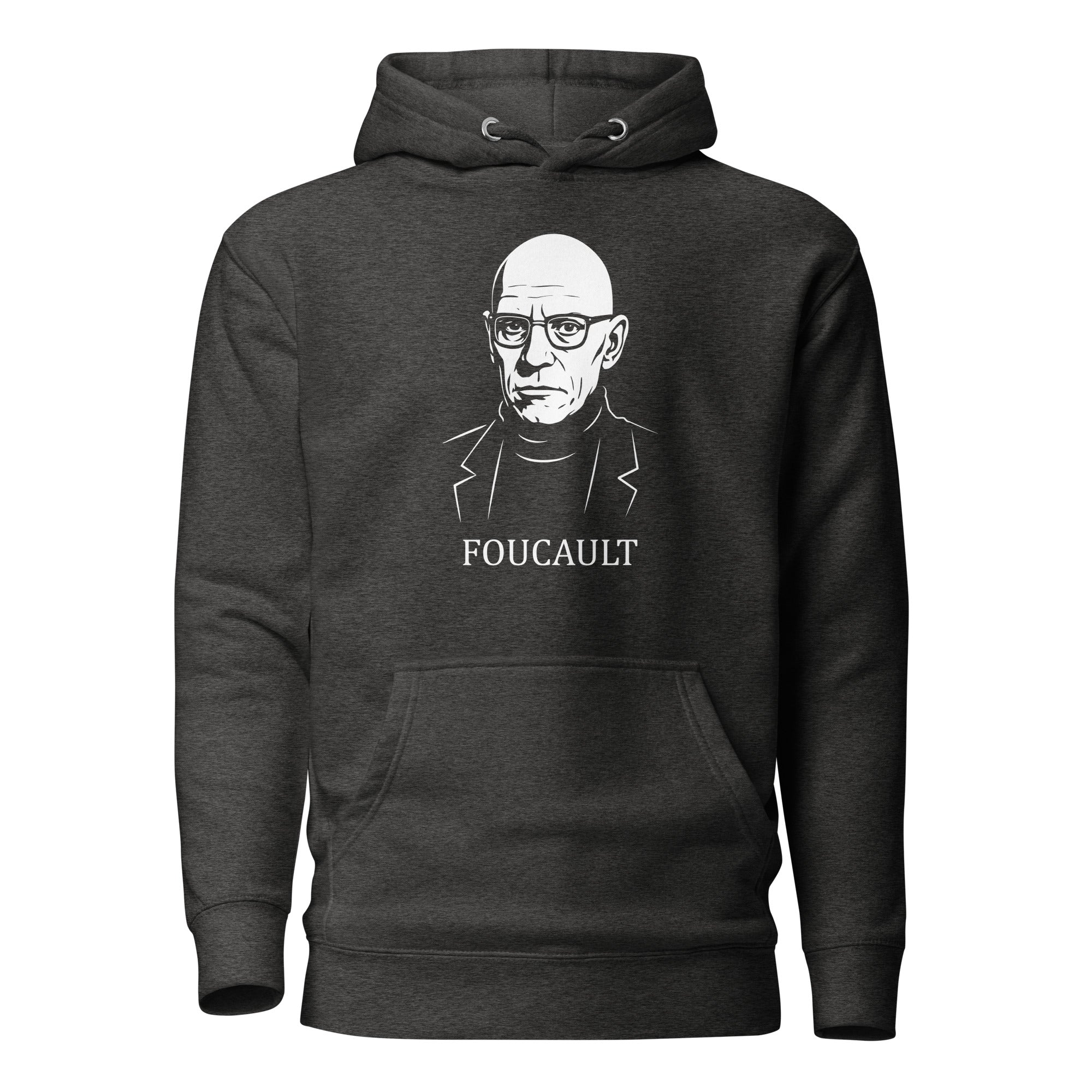
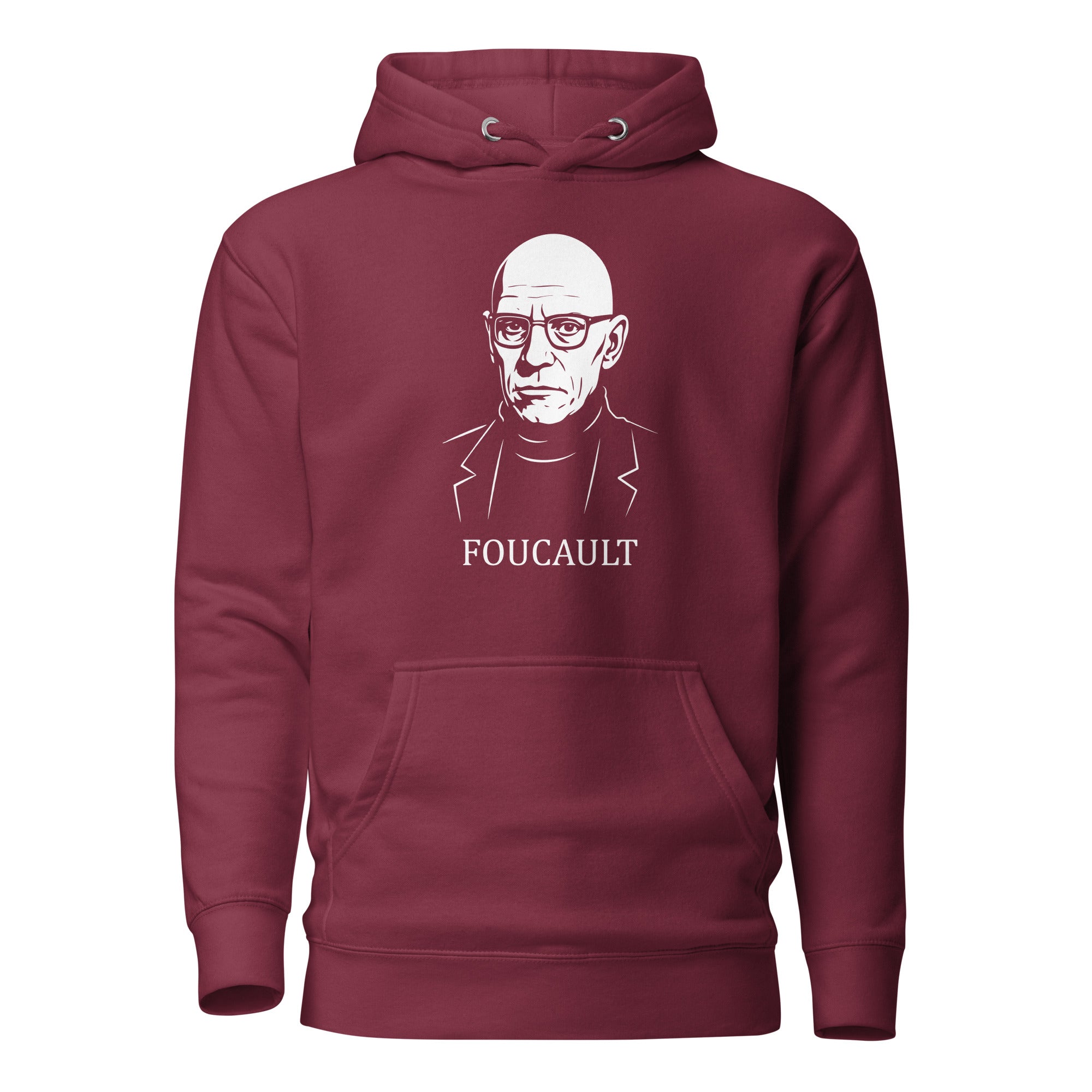
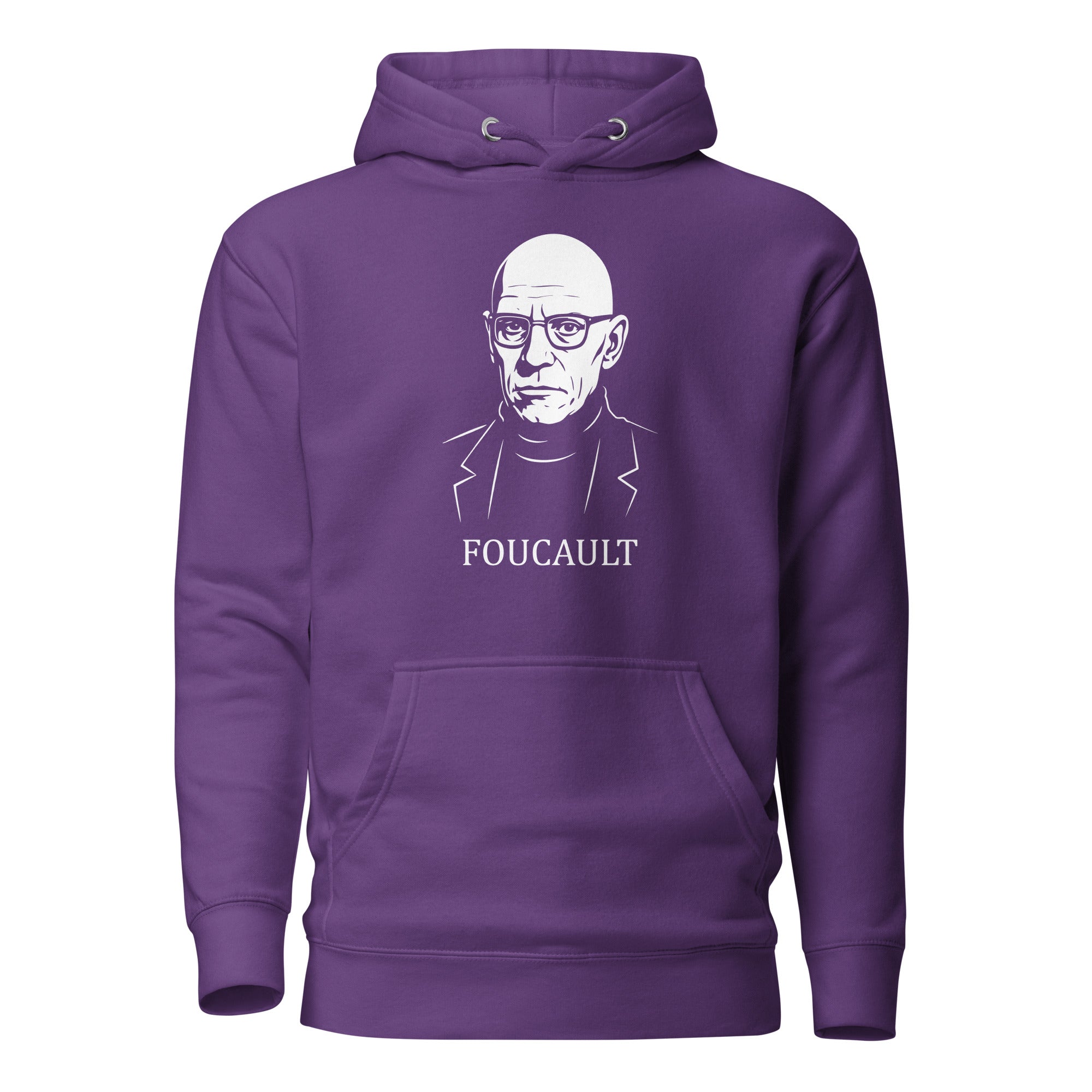
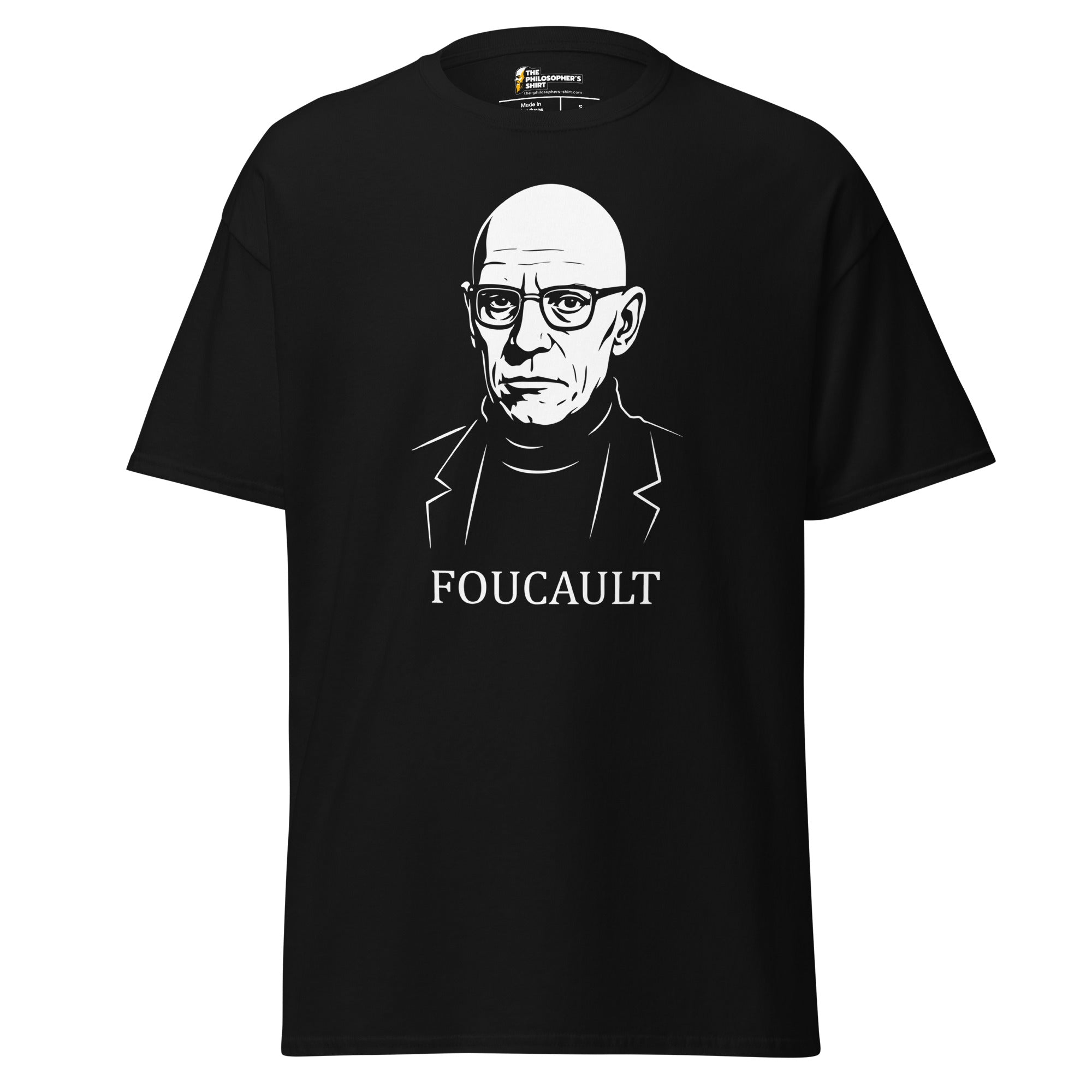
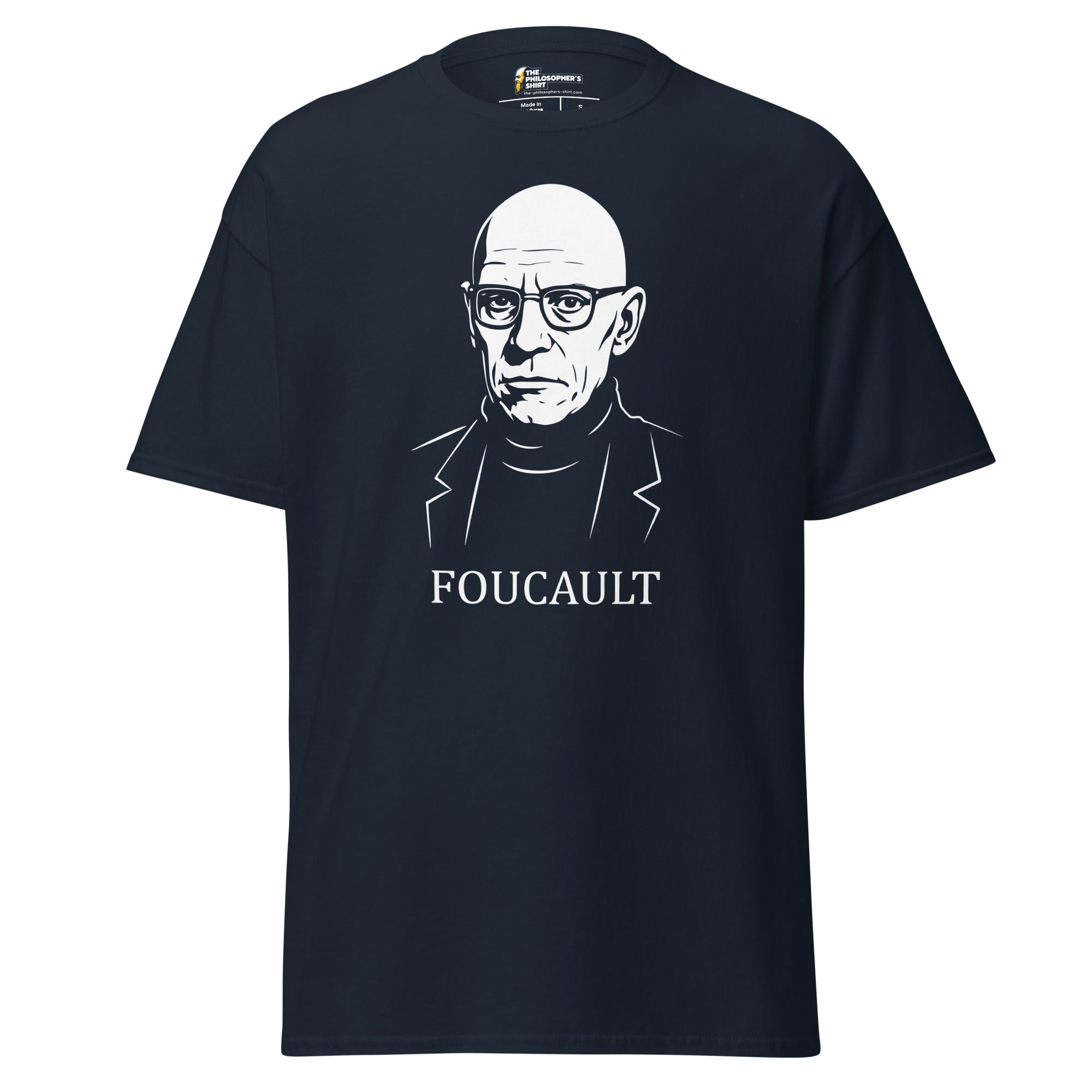
Foucault Portrait

Foucault showed that power does not sit in a palace issuing orders — it runs through clinics, schools, prisons and the categories we use to describe ourselves.

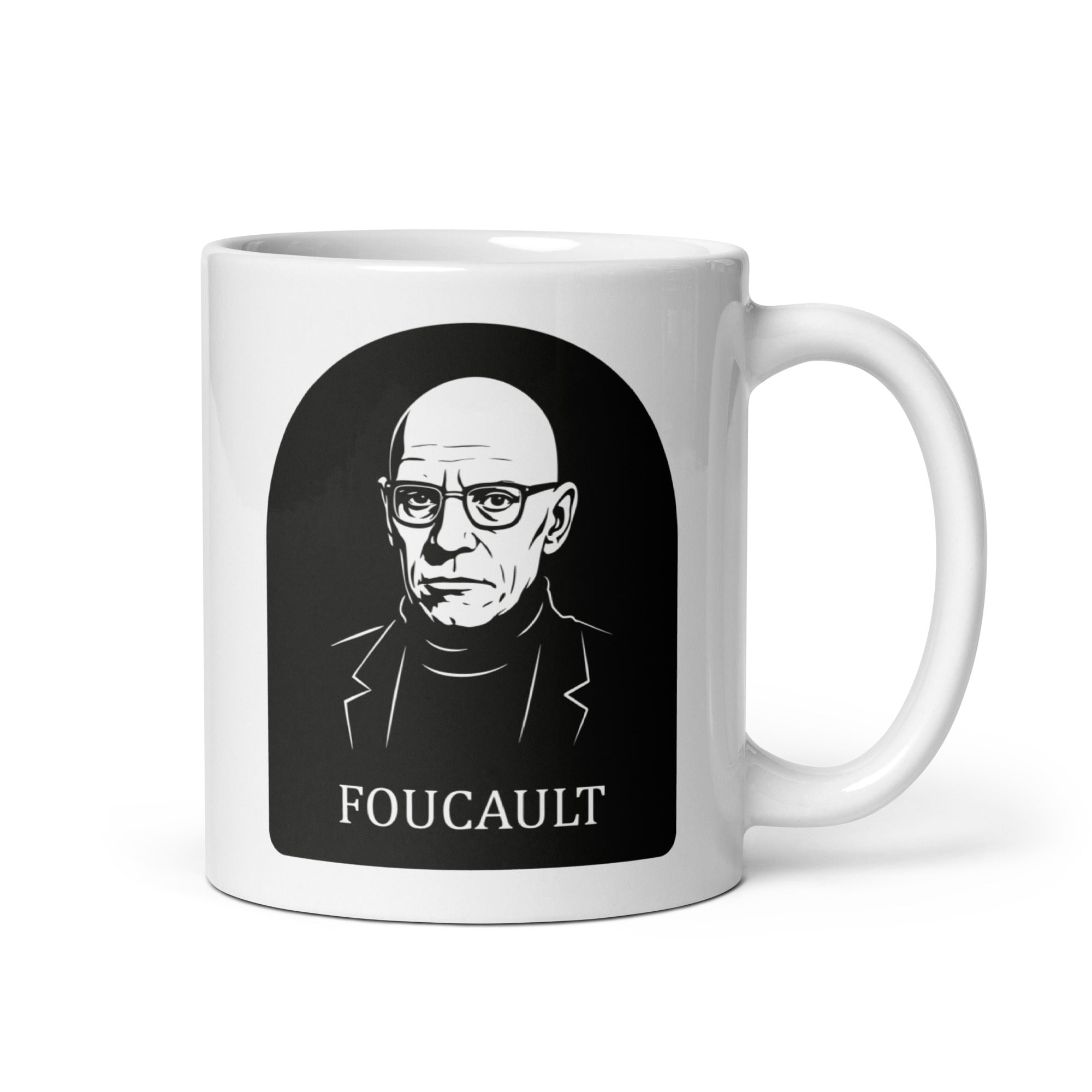
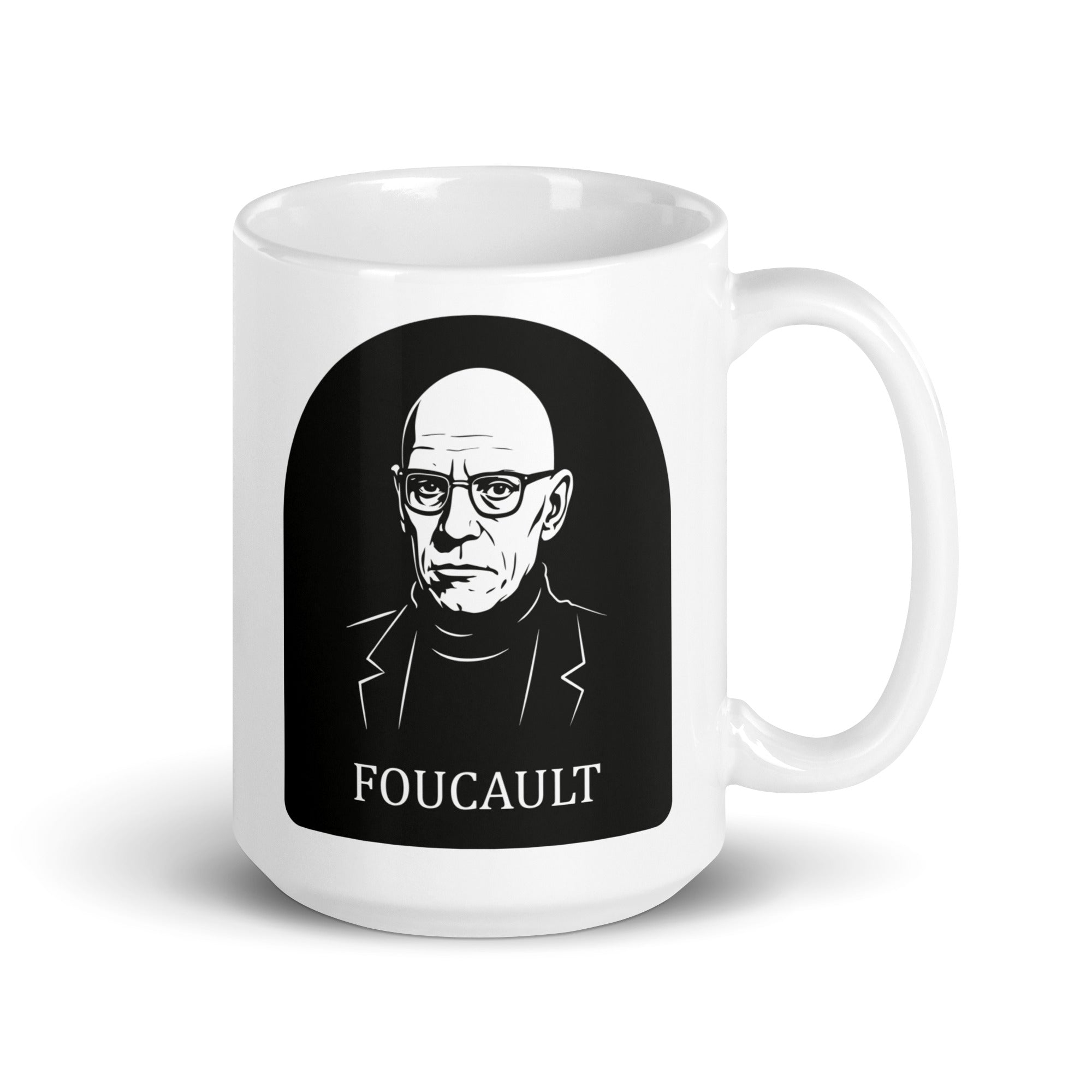
Instantly recognized by anyone in sociology, gender studies or critical theory. Available across tees, sweatshirts, hoodies and mugs, printed to order. Where there is power, there is resistance. Both are everywhere.
Questions about this design

What does the Foucault design show?
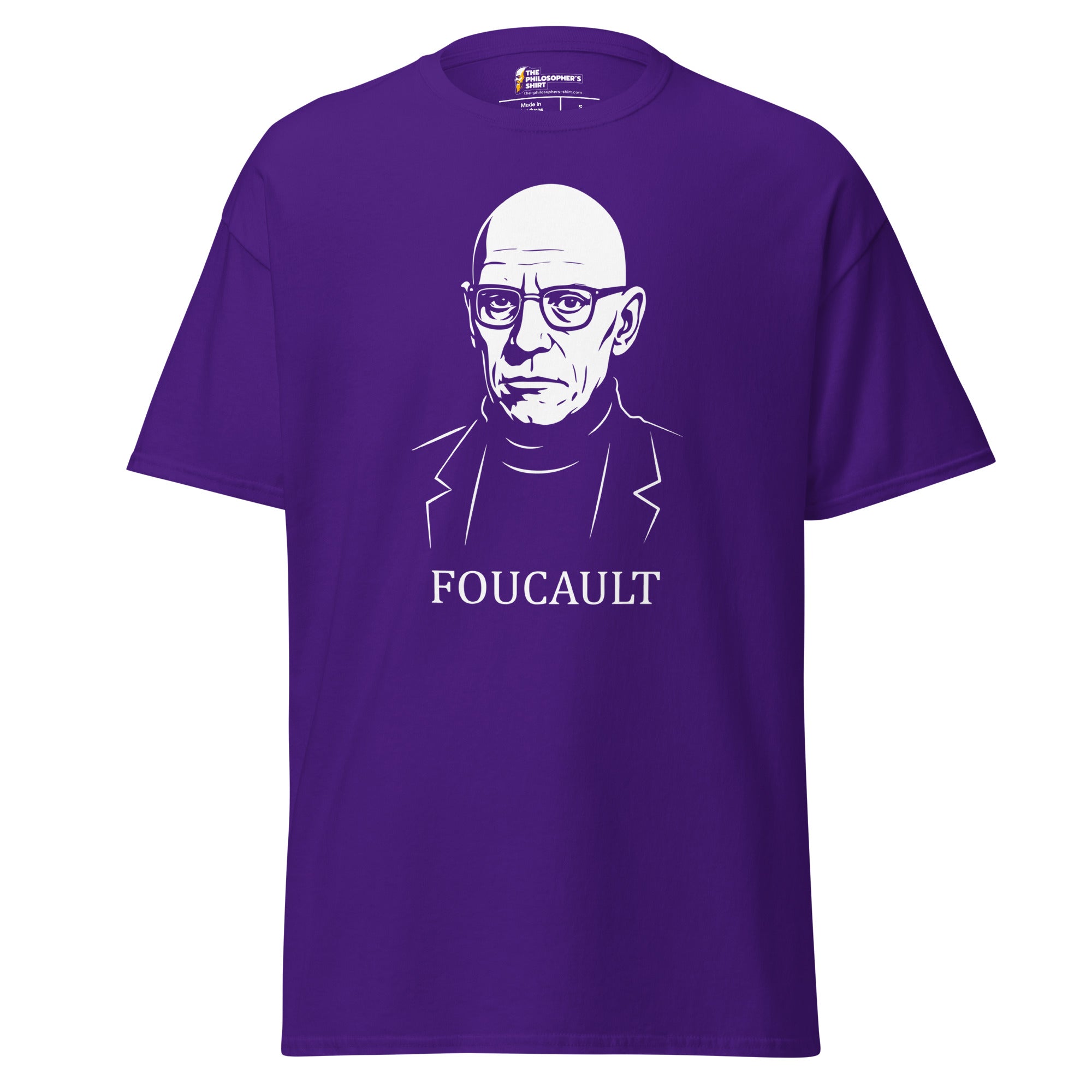
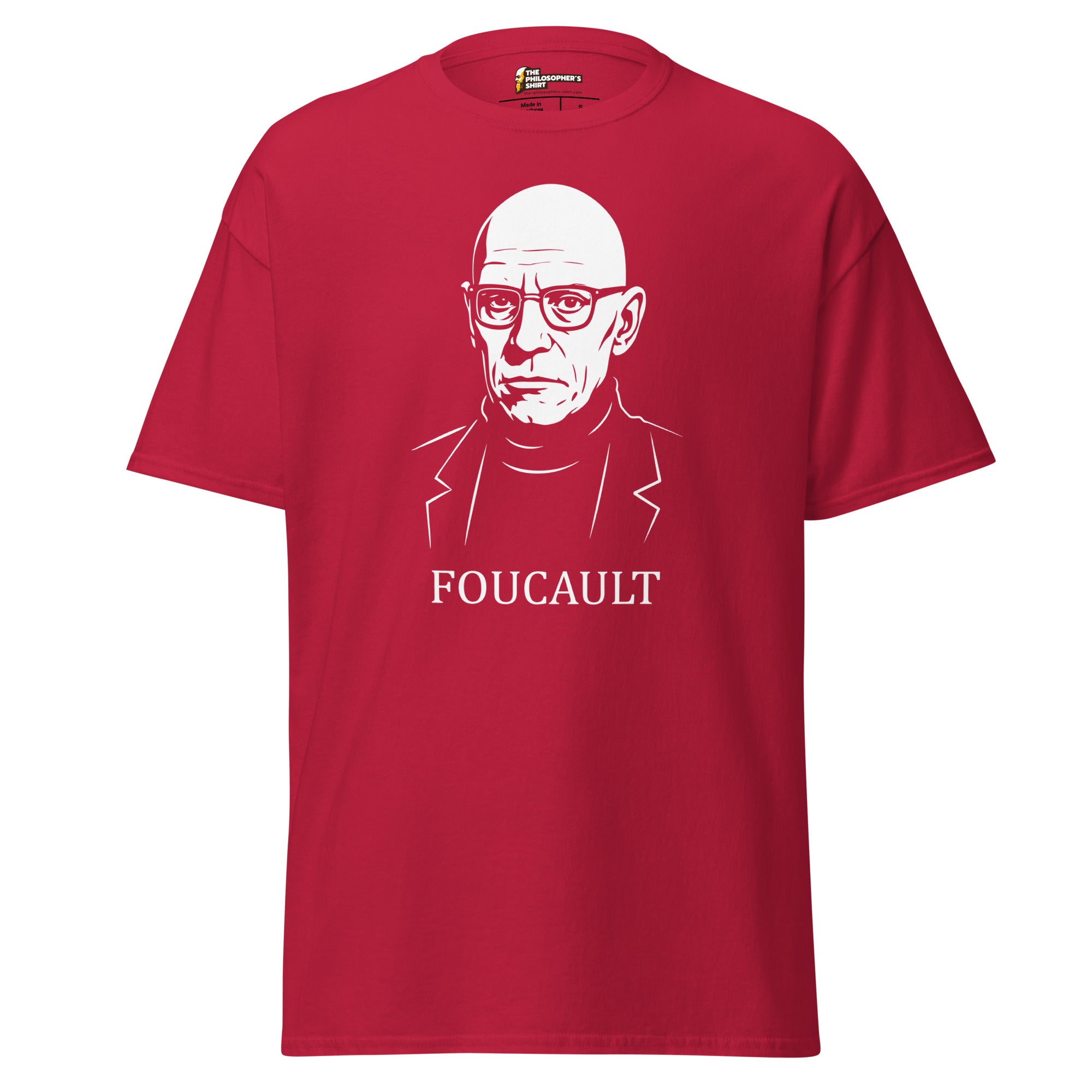
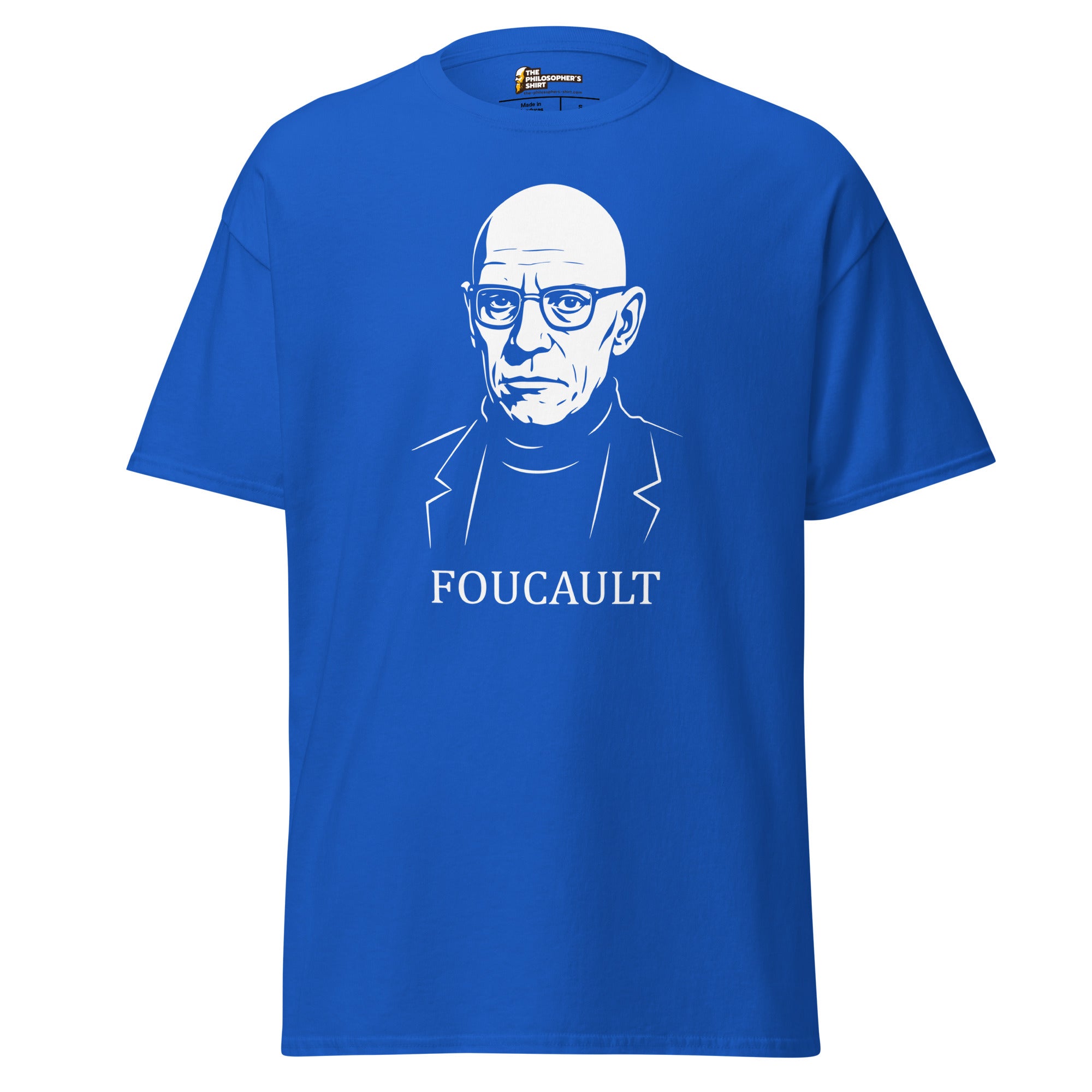
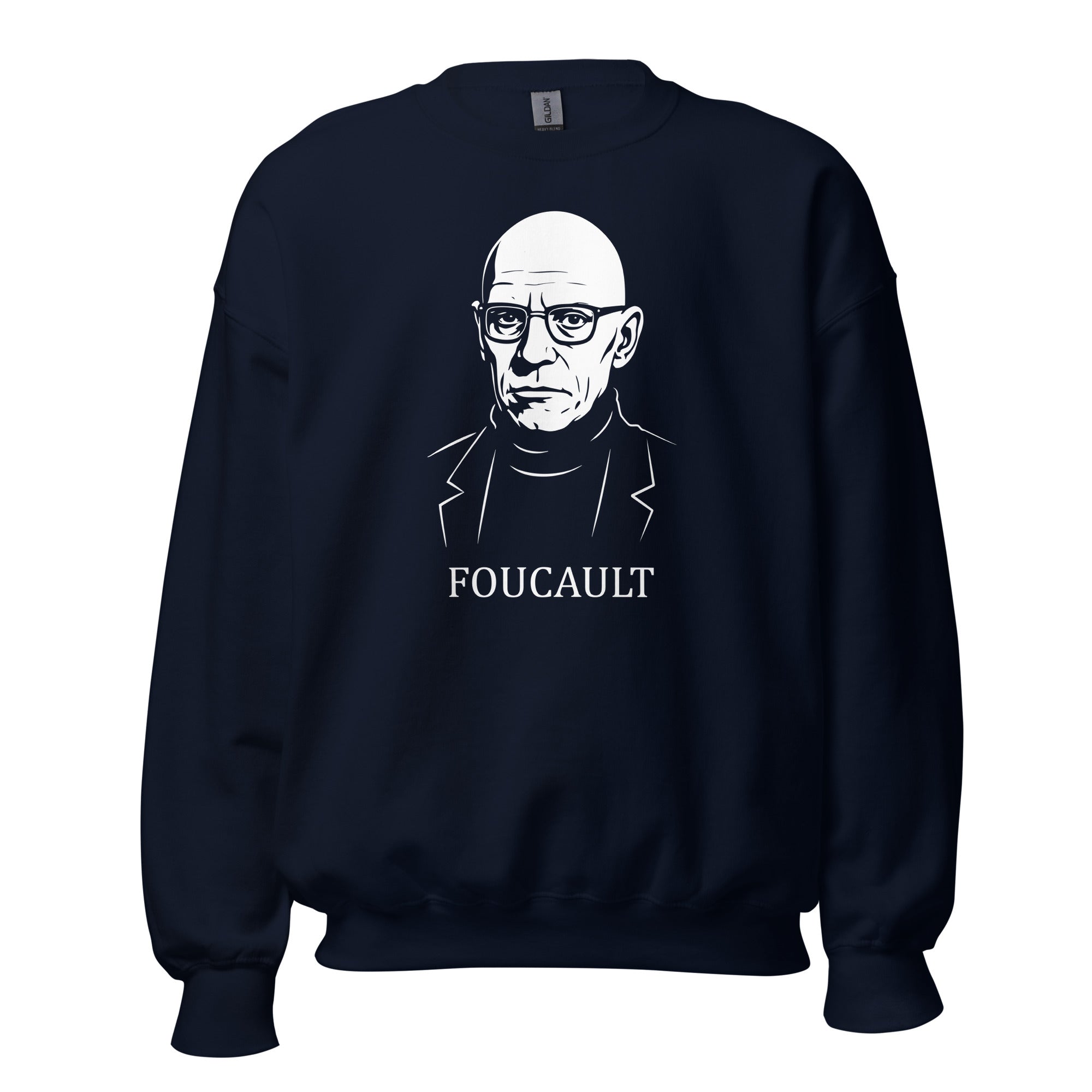
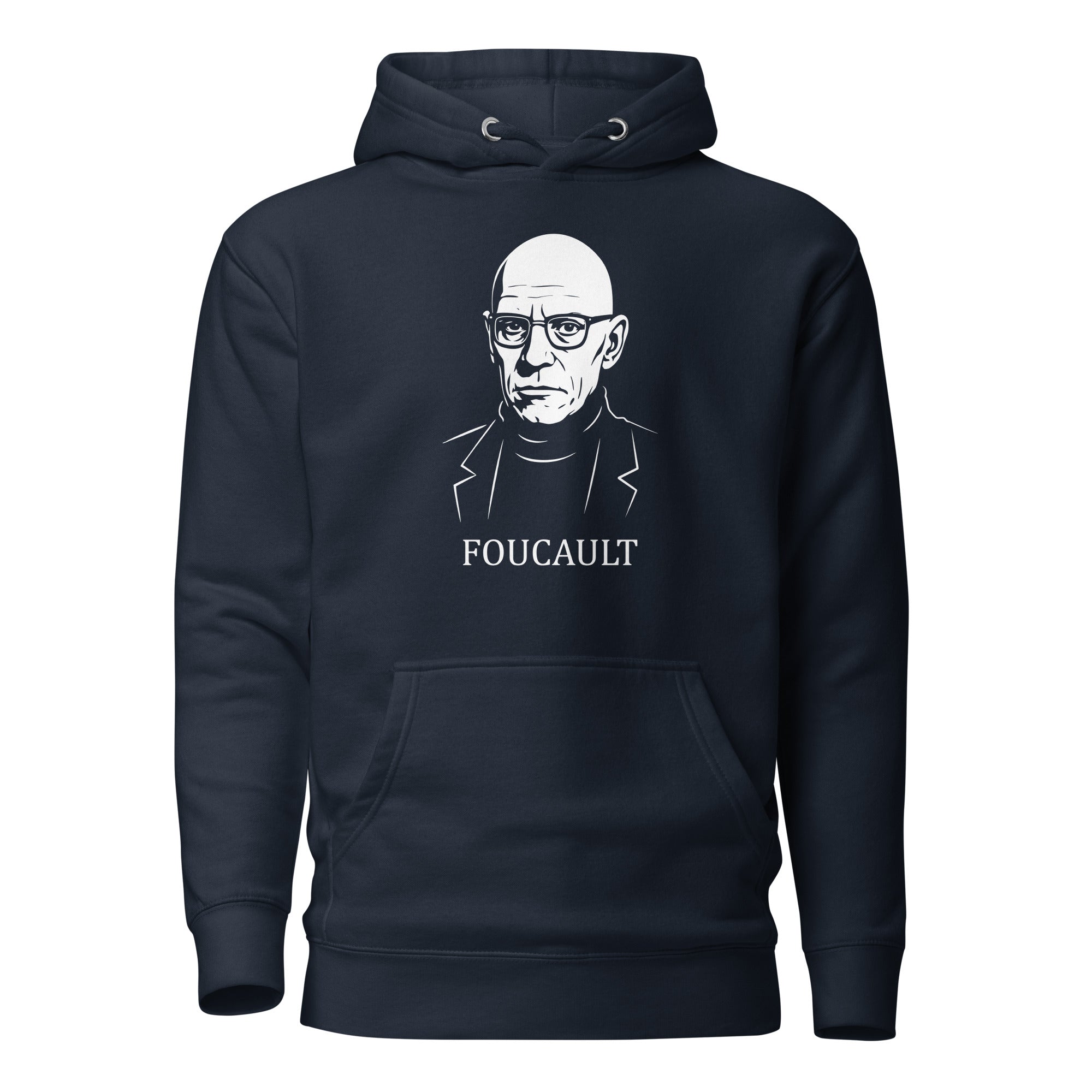
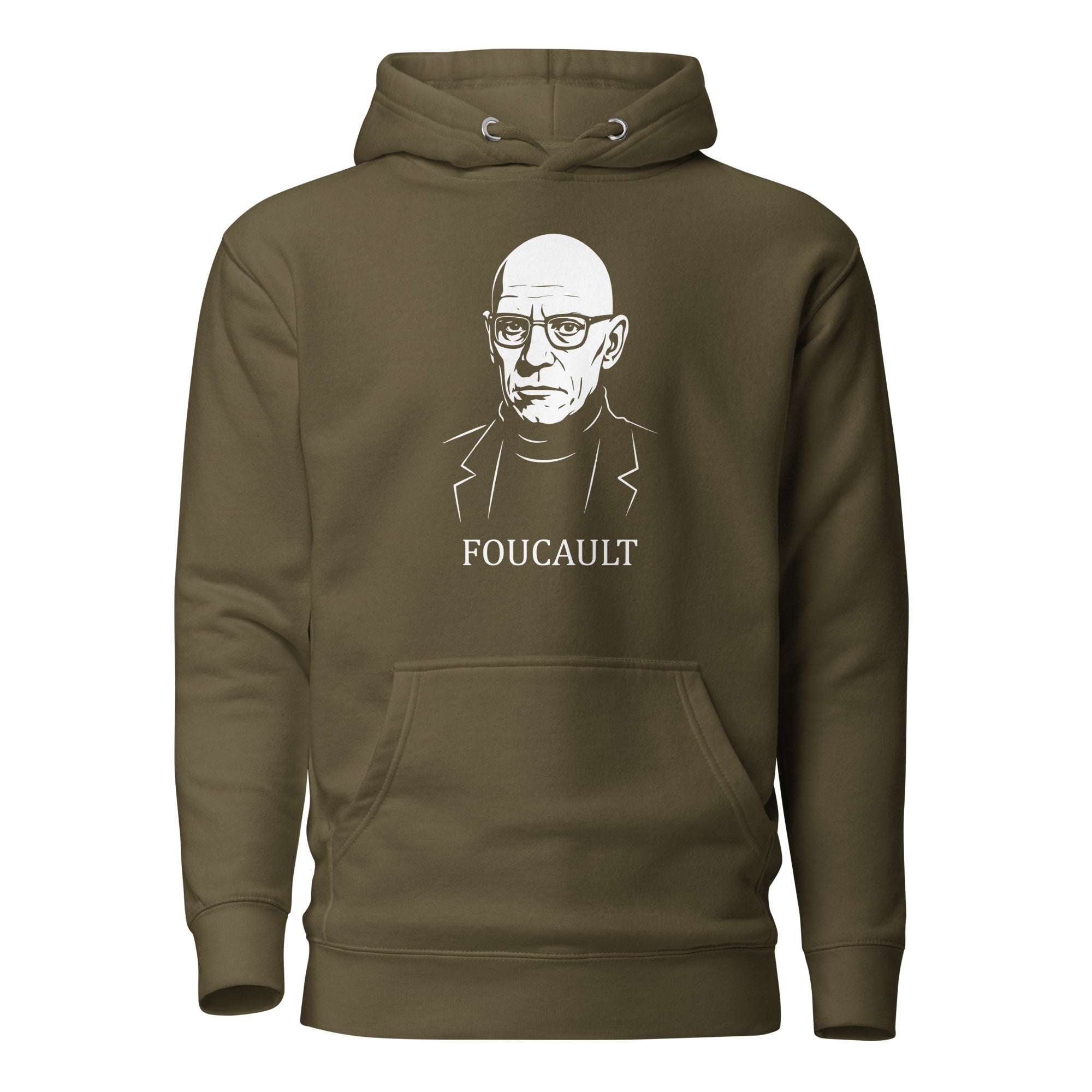
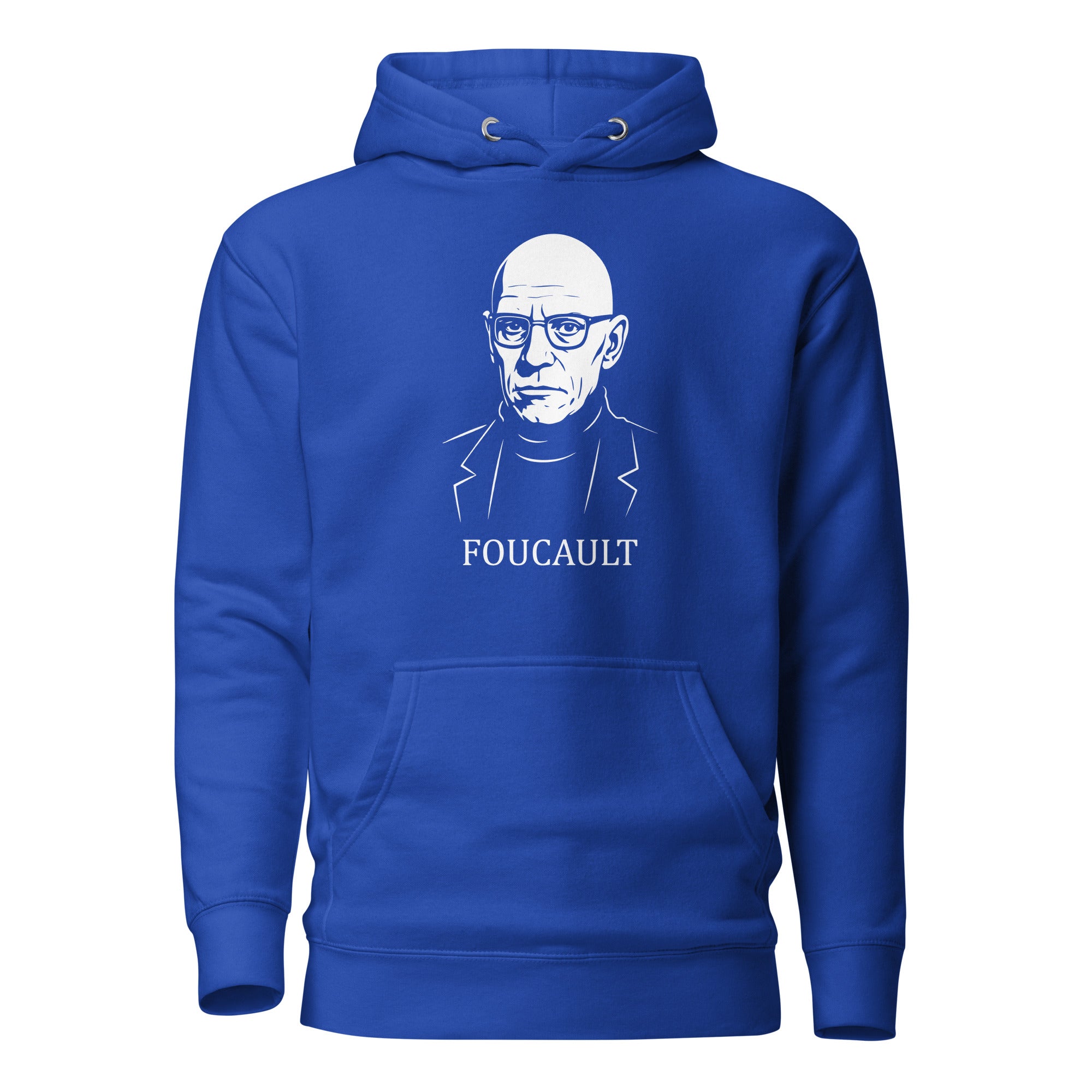
A black-and-white portrait of the French philosopher Michel Foucault – bald head, heavy glasses, turtleneck – with his name set beneath it. It is a quiet tribute to the thinker who showed that power does not only sit in palaces but runs through clinics, schools, prisons and the categories we use to describe ourselves.
Who was Michel Foucault?
A French philosopher and historian of ideas (1926–1984), born in Poitiers, who held the chair in the History of Systems of Thought at the Collège de France from 1970 until his death in Paris. He studied how madness, medicine, punishment and sexuality were defined in different eras, and how knowledge and power shape each other.
What is Foucault's panopticon theory?
The Panopticon was Jeremy Bentham's prison design (published 1791) – a central watchtower surrounded by cells, so inmates can always be seen but never know when they are watched. In Discipline and Punish (1975) Foucault used it as a model for modern disciplinary power – people internalise the gaze and police themselves, in prisons but also in schools, factories and hospitals.
What does Foucault mean by “Where there is power, there is resistance”?
The line comes from The History of Sexuality, Volume 1 (1976). For Foucault power is not a thing someone owns but a network of relations that comes from everywhere. Resistance is therefore never outside power; it arises at every point where power is exercised, in many small and scattered forms.
What is power/knowledge in Foucault?
Foucault's term for the claim that power and knowledge produce each other. Institutions like psychiatry, medicine and criminology create knowledge about people, and that knowledge in turn gives them the authority to classify, examine and correct those people. Knowledge is never simply neutral, and power works largely through what counts as true.
What is biopower?
Foucault's name for a modern form of power that manages life rather than threatening death. Older sovereign power claimed the right to take life; biopower, which he describes in The History of Sexuality, Volume 1, regulates bodies and populations through health, birth rates, hygiene, statistics and norms.
What is a social construct, and what does Foucault have to do with it?
A social construct is something that exists because a society defines and treats it in a certain way, not purely by nature – money and national borders are classic examples. The phrase was popularised by Berger and Luckmann's The Social Construction of Reality (1966). Foucault rarely used it, but his histories of madness and sexuality are key examples of the approach.
Was Foucault a postmodernist or a structuralist?
He rejected both labels. In the foreword to the English edition of The Order of Things he complained about being called a structuralist, and he was openly sceptical of the term postmodernity. He is usually placed among the post-structuralists, but he preferred to describe his work as a history of the present.
Which Foucault book should I read first?
Most readers start with Discipline and Punish (1975), his most concrete and gripping book. Then The History of Sexuality, Volume 1 (1976), which is short and introduces biopower. History of Madness (1961) and The Order of Things (1966) are richer but harder going.
Who is the Foucault design a good gift for?
For sociology, philosophy, criminology and gender studies students, critical theory readers and anyone who has ever said panopticon in a seminar. The design comes as a T-shirt, sweatshirt, premium hoodie, mug and sticker.